
The skateboarding industry is a dynamic and often unpredictable landscape, with brands rising and falling, trends shifting, and distribution channels evolving. For enthusiasts and industry watchers alike, keeping track of which companies are thriving, which are struggling, and why can be a challenge. One brand that has recently garnered attention for its distribution shifts is Dwindle Distribution. Known for housing a stable of iconic skateboard brands, Dwindle’s recent operational changes have sparked conversations about its future and the broader implications for the skate market.
Understanding what is happening with Dwindle Distribution requires looking beyond simple news headlines. It involves examining the company’s history, its brand portfolio, the economic factors influencing the industry, and the strategic decisions being made. This article aims to provide a comprehensive overview of the current situation, exploring the reasons behind the changes, the impact on retailers and consumers, and what this might signify for the future of skateboarding distribution.
Key Takeaways
- Dwindle Distribution Dismantled: Dwindle Distribution is no longer in a normal operating phase and has effectively been dismantled after years of restructuring and brand shutdowns.
- Economic Pressures: The changes reflect broader economic pressure, private equity ownership, and long-running weakness in the skate distribution model.
- Brand Restructuring: Several brands once tied to Dwindle were shut down, sold, or relaunched under new ownership or distribution arrangements.
- Market Impact: These shifts affected skate shops, inventory planning, wholesale ordering, liquidation pricing, and product availability for consumers.
- Case Study: The situation serves as a case study in how dependent skate brands are on stable manufacturing, distribution, and rider/team support.
A Legacy In Skateboarding: The Dwindle Distribution Story
Dwindle Distribution has long been a significant player in the skateboarding world. For years, it served as a central hub for some of the most recognizable and respected names in the industry. Founded with the aim of supporting and growing core skateboard brands, Dwindle provided a crucial distribution network, enabling these companies to reach skate shops and riders across the globe.
This model allowed individual brands to maintain their identity and creative control while benefiting from the shared resources and infrastructure of a larger entity.
The company’s portfolio typically included a diverse range of brands, catering to various skateboarding styles and preferences. From street skating staples to brands known for their innovative deck technology, Dwindle represented a significant portion of the market. This broad reach meant that changes within Dwindle often had a ripple effect throughout the entire skateboarding ecosystem.
Understanding this historical context is essential to grasping the significance of the recent developments. The trust and familiarity built over years of consistent service made Dwindle a cornerstone for many retailers and skaters.
The Brands Under Dwindle’s Wing
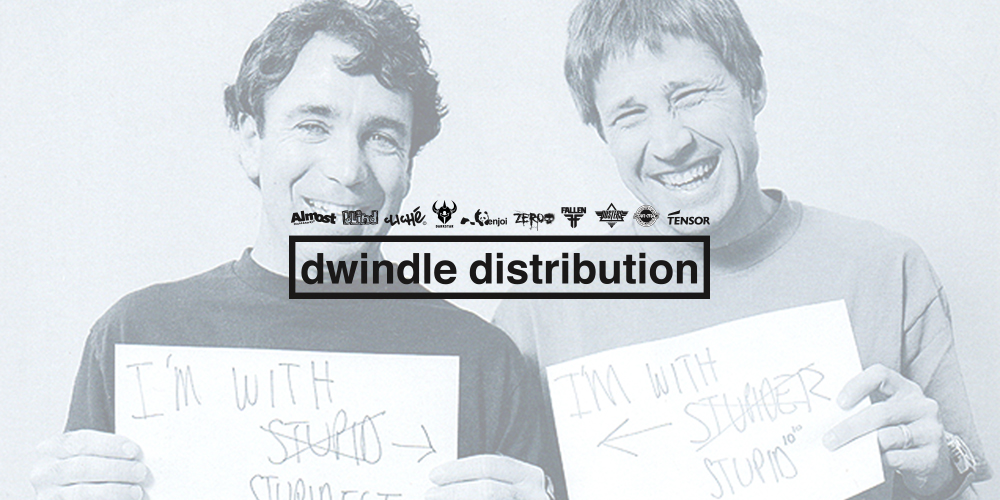
Historically, Dwindle Distribution housed a robust roster of influential skateboard brands. These included names that are synonymous with skateboarding culture and innovation. For instance, brands like Almost Skateboards, Enjoi Skateboards, Blind Skateboards, Cliche Skateboards, and Darkstar Skateboards have, at various points, been part of the Dwindle family. Each brand brought its unique heritage, rider roster, and product lines, contributing to Dwindle’s comprehensive offering.
The strength of Dwindle lay in its ability to manage these distinct entities effectively. They provided manufacturing support, marketing initiatives, and, crucially, distribution channels. Retailers often relied on Dwindle to stock a variety of these popular brands, simplifying their ordering process and ensuring they had the latest products available for their customers.
This consolidation of popular brands under one distribution umbrella was a key factor in Dwindle’s market presence.
Navigating Industry Headwinds: Why The Changes?
The skateboarding industry, like many others, is susceptible to economic fluctuations and evolving consumer behaviors. In recent years, several factors have converged to create a more challenging environment for distribution companies. Global supply chain disruptions, increased manufacturing costs, shifts in consumer spending habits, and intense market competition have all played a role.
For a company like Dwindle, managing multiple brands in such a climate requires constant strategic adjustment.
Economic pressures can manifest in various ways, from rising material costs for decks and hardware to increased shipping expenses. Furthermore, the market for action sports equipment is often cyclical, influenced by youth culture trends and economic conditions impacting discretionary spending.
Companies that cannot adapt quickly to these shifts can find themselves in a precarious position. This broader economic context is crucial for understanding the operational adjustments Dwindle has been making.
Supply Chain And Manufacturing Challenges
A significant factor impacting skateboarding companies is the complexity of global supply chains and manufacturing. Many skateboard decks, for example, are produced in Asia, requiring intricate logistics for sourcing wood, manufacturing, and shipping finished products worldwide. Recent years have seen unprecedented disruptions, including port congestion, container shortages, and increased freight costs, all of which directly affect lead times and profitability.
Moreover, the cost of raw materials, such as maple wood and resins, has fluctuated. For a distribution company overseeing the manufacturing or sourcing for multiple brands, managing these volatile costs while maintaining competitive pricing is a significant challenge. The ability to secure reliable manufacturing partners and efficient shipping routes is paramount.
In practice, delays in receiving critical components can halt production and significantly impact a brand’s ability to meet retailer demand, leading to lost sales and damaged relationships. In skate hardgoods, those delays can also create inventory gaps in key deck shapes, sizes, and rider signatures, which are often the fastest-moving SKUs for core shops.
Shifting Consumer Demand And Market Saturation
Consumer demand in skateboarding is not static. While core skaters remain loyal, the broader appeal of skateboarding can fluctuate with media exposure and popular culture. Additionally, the market has become increasingly saturated with brands, from established giants to emerging independent labels.
This saturation intensifies competition for shelf space in skate shops and for consumer attention online.
Dwindle, by housing several prominent brands, was well-positioned to capture a significant share of this demand. However, evolving consumer preferences, such as a growing interest in niche styles or a preference for direct-to-consumer purchasing, can alter the landscape. Brands that fail to connect with contemporary skater demographics or offer compelling new products risk losing relevance.
Adapting marketing strategies and product development to align with current trends is an ongoing necessity.
Credit: www.boardsportsource.com
Recent Developments And Brand Movements
The most direct indication of what’s going on with Dwindle Distribution comes from observed changes in brand management and ownership. In recent times, there have been reports and actions suggesting a restructuring of Dwindle’s operations. However, the more accurate picture is that Dwindle was progressively reduced through layoffs, shutdowns, liquidation sales, and brand departures rather than a routine strategic trim.
These shifts are not necessarily indicative of a company in healthy transition; they point instead to a broader unwind of the business. Brands that were previously distributed by Dwindle either moved to new homes, were relaunched independently, or were absorbed into other structures.
The specific details of these brand movements are key to understanding the current state of Dwindle.
Brand Divestitures And Independent Operations
One of the most visible aspects of the recent changes involves brands that have transitioned away from Dwindle’s direct management. For instance, some brands that were once synonymous with Dwindle are now operating with different structures. This can mean that the original founders or new ownership groups are taking over distribution and management themselves, or they are partnering with other established distributors.
This move towards independent operations or new partnerships allows brands to potentially tailor their strategies more precisely to their target audience and market. It can also signify a strategic decision by Dwindle to streamline its operations, focusing on a core set of brands or a particular market segment.
For retailers, this means adjusting their supplier relationships and understanding where to source products from different brands that were once consolidated. In the case of Dwindle, retailers also had to deal with abrupt line discontinuations, leftover inventory, and in some cases clearance pricing as old stock was liquidated.
The Role Of Ownership And Investment
The skateboarding industry, like many consumer goods sectors, is subject to consolidation and investment. Companies may be acquired, merge with others, or undergo changes in ownership structure. These shifts can fundamentally alter a company’s operational strategy, including its distribution network.
Understanding who owns or invests in these brands and distribution companies provides critical insight into their current trajectory.
Globe International sold Dwindle to Highline Industries, a subsidiary of Transom Capital Group, in 2019, and that ownership change is central to understanding the later unwind. Private equity ownership often pushes cost cutting, asset sales, and portfolio rationalization, especially when margins weaken. In Dwindle’s case, that sequence appears to have accelerated the collapse of the old model rather than rescuing it.

Credit: www.behance.net
Impact On Retailers And Consumers
Changes within a major distribution company like Dwindle have tangible consequences for both the businesses that sell skate products and the end consumers who buy them. Retailers need to adapt their inventory management, ordering processes, and supplier relationships. Consumers, in turn, may experience changes in product availability, pricing, and the accessibility of their favorite brands.
The interconnectedness of the skateboarding market means that shifts at the distribution level create a cascade of effects. Understanding these impacts is crucial for anyone involved in the industry, from shop owners to dedicated skaters.
Retailer Relationships And Inventory Management
For independent skate shops, Dwindle Distribution has historically been a reliable source for a wide array of popular brands. When distribution channels change, retailers face the immediate task of adjusting their ordering strategies. This might involve establishing new accounts with different distributors or directly with brands that have gone independent.
The challenge extends to inventory management. Shops that relied on Dwindle for a consistent flow of popular decks, wheels, and apparel may need to re-evaluate their stock levels and sourcing methods. Maintaining a diverse and relevant inventory is critical for attracting and retaining customers, and any disruption to reliable supply chains can jeopardize this. Building strong relationships with multiple suppliers and understanding the new distribution landscape becomes paramount. For a deeper dive into sourcing, consider this Skateboard Manufacturers Guide: Top Tips for Quality Boards.
Retailers also had to watch for sell-off events and discontinued lines, because liquidation can distort wholesale expectations and leave shops competing with closeout channels.
Product Availability And Consumer Access
Consumers are often the last to know about distribution shifts, but they feel the effects nonetheless. Changes can lead to temporary stockouts of certain brands or models as new distribution channels are established. In some cases, the transition might involve changes in pricing or product lines if new ownership or management has different strategic goals.
For loyal fans of specific brands that were part of Dwindle, ensuring continued access to their preferred products is a primary concern. The accessibility of these brands, whether through local skate shops or online retailers, hinges on the success of their new distribution arrangements.
For consumers, one practical warning is that “brand continuity” does not always mean the same product formula, rider team, construction, or QC standards after a transition; buyers should check whether a deck line is simply revived, redesigned, or only carrying over the old name.
The hope is always that these transitions ultimately benefit the consumer by ensuring a steady supply of quality products.
Case Study: Brand Transition Example
To illustrate the practical implications of these distribution shifts, let’s consider a hypothetical, yet representative, scenario. Imagine a brand, “Velocity Skateboards,” that has been a staple within Dwindle’s portfolio for over a decade. Velocity is known for its innovative deck construction and a strong team of professional riders.
Initial Situation: Velocity Skateboards relies on Dwindle for manufacturing oversight, marketing support, and global distribution. Retailers worldwide place orders through Dwindle, receiving Velocity decks, wheels, and apparel.
The Shift: Due to evolving market dynamics and a strategic decision by its parent company, Dwindle announces that Velocity Skateboards will transition to a new distribution model. This could mean:
-
- Independent Distribution: Velocity’s management team decides to establish its own distribution arm. This requires significant investment in logistics, sales teams, and warehousing. Retailers would now need to set up direct accounts with Velocity.
- Acquisition and New Distribution: Velocity is acquired by a larger industry player or a private equity firm. The new owner might decide to integrate Velocity’s distribution into their existing network, potentially a competitor to Dwindle, or establish a new distribution partnership.
- Partnership with Another Distributor: Velocity might partner with a different established distributor that offers a complementary brand portfolio and a strong market reach.
Impact:
-
- Retailers: Shops previously ordering Velocity through Dwindle must now navigate new ordering platforms, payment terms, and potentially minimum order quantities. Some smaller shops might find it harder to meet new requirements.
- Consumers: There could be a brief period where Velocity products are harder to find as the transition occurs. Pricing might also adjust depending on the new distribution costs. However, the long-term goal is to ensure continued availability and potentially even expanded reach.
- Brand Identity: The brand’s marketing and product focus might subtly change depending on the new ownership or management’s vision.
This example highlights that such transitions are complex, involving multiple stakeholders and requiring careful management to minimize disruption and maintain brand momentum.
Looking Ahead: The Future Of Skateboarding Distribution
The changes observed with Dwindle Distribution are indicative of a broader trend towards greater agility and strategic specialization within the skateboarding industry. As market conditions continue to evolve, distribution models must adapt to remain effective. This might mean a move away from broad-based distribution towards more focused portfolios or specialized services.
Companies that can successfully navigate these shifts will be those that prioritize strong brand relationships, efficient supply chains, and a deep understanding of their target market. The future likely holds a mix of large, consolidated distributors, specialized niche distributors, and brands that manage their own distribution effectively.
The ability to innovate and adapt is no longer a luxury but a necessity for survival and growth.
Adaptability And Specialization
The traditional model of a single distributor handling a vast array of brands is facing pressure. Instead, we may see a rise in distributors that specialize in specific categories, such as hardgoods (decks, trucks, wheels), apparel, or even specific skateboarding disciplines (e.g., longboarding, downhill). This specialization allows for deeper expertise, more targeted marketing, and closer relationships with both brands and retailers within that niche.
For brands, the decision of who to partner with for distribution will become even more critical. They will need to assess which distributor best aligns with their brand ethos, target audience, and growth objectives. This might mean choosing a large, established player for broad market access, or a smaller, specialized firm for a more focused and tailored approach.
The Evolving Role Of Direct-to-consumer (DTC)
The growth of e-commerce and direct-to-consumer (DTC) sales channels has also reshaped the distribution landscape. Many brands now operate their own online stores, allowing them to connect directly with their customer base, control the brand experience, and potentially achieve higher profit margins.
This DTC trend doesn’t negate the need for traditional distribution, especially for reaching brick-and-mortar skate shops that remain vital to the culture, but it does alter the balance of power and the overall sales strategy.
Brands must now balance their relationships with wholesale partners (distributors and retailers) with their own DTC efforts. This requires careful planning to avoid channel conflict and ensure that all parts of the sales network are supported. A well-executed strategy often involves using DTC to build brand awareness and community, while wholesale channels provide broad product availability and accessibility.
Frequently Asked Questions
What Is Dwindle Distribution?
Dwindle Distribution is a company that historically served as a major distributor for a portfolio of well-known skateboard brands. Its role was to manage the manufacturing, marketing, and sales of products from these brands to skate shops and retailers globally.
Why Are Dwindle’s Operations Changing?
The changes are likely driven by a combination of factors, including broader economic pressures in the skateboarding industry, shifts in consumer demand, and strategic decisions regarding brand management and portfolio optimization. These adjustments are common in dynamic industries as companies adapt to market conditions.
Which Brands Were Part Of Dwindle Distribution?
Dwindle Distribution has been home to many iconic brands over the years, including, at various times, Almost Skateboards, Enjoi Skateboards, Blind Skateboards, Cliche Skateboards, and Darkstar Skateboards, among others. Specific brand affiliations can change over time due to divestitures or acquisitions.
How Do These Changes Affect Skate Shops?
Skate shops may need to adjust their ordering processes, establish new relationships with different distributors or brands, and re-evaluate their inventory management strategies. The availability of certain brands might temporarily change as new distribution channels are set up.
What Does This Mean For Consumers?
Consumers might experience temporary fluctuations in product availability for certain brands. In the long run, the goal of these distribution changes is typically to ensure continued product availability and potentially enhance the reach and accessibility of the brands involved.
The skateboarding industry is in constant motion, and companies like Dwindle Distribution are integral to its ecosystem. While recent shifts may cause uncertainty, they also represent an ongoing evolution driven by market forces and strategic adaptation. For brands, retailers, and skaters alike, staying informed about these developments is key to navigating the dynamic world of skateboarding.
The resilience and creativity inherent in skate culture suggest that even amidst changes, the core spirit and accessibility of skateboarding will endure, driven by passion and innovation.