How Much Weight Can a Skateboard Hold? Essential Facts Explained
How Much Weight Can A Skateboard Hold
Skateboarding is more than just tricks and smooth rides—it’s also about safety and knowing your limits. One of the most common questions, especially for beginners and heavier riders, is: How much weight can a skateboard hold? The answer is more complex than a single number. It depends on the type of skateboard, the materials used, the quality of parts, and how you use it. Understanding weight limits helps you choose the right board, ride safely, and avoid accidents. This guide breaks down everything you need to know about skateboard weight capacity, with real data, clear comparisons, and expert insights.
What Determines A Skateboard’s Weight Limit?
Several factors work together to decide how much weight a skateboard can safely handle. It’s not just about the deck; every part matters.
Deck Materials And Construction
The deck is the wooden platform you stand on. Most skateboards use 7-ply maple wood, pressed in layers for strength and flexibility. Standard maple decks can usually support riders up to 220–250 lbs (100–113 kg). Some brands offer reinforced decks using bamboo, fiberglass, or carbon fiber. These materials can add strength, but they may also change how the board flexes.
Trucks And Wheels
The trucks are the metal T-shaped parts connecting the wheels to the deck. They take much of the pressure when you land tricks or ride over bumps. High-quality aluminum trucks can usually support up to 250 lbs, but cheaper alloys or plastic parts may bend or break at much lower weights. Wheels are less likely to break due to weight but can wear out faster if overloaded.
Bearings And Hardware
Bearings let the wheels spin smoothly. Weight doesn’t usually break bearings, but extra pressure can slow them down or cause them to wear out faster. Bolts and nuts that hold the skateboard together are small but important—cheap hardware can snap under pressure, especially during tricks.
Riding Style And Impact
How you use your skateboard affects its weight limit. Simple cruising puts less stress on the board than jumping stairs or doing tricks. Impact from landing tricks can double or triple the pressure on your skateboard, so weight limits matter even more for street or park skaters.
Average Weight Limits For Different Skateboards
Not all skateboards are built the same. Here’s how the most common types compare:
| Skateboard Type | Average Weight Limit | Best For |
|---|---|---|
| Standard Street/Park Board | 220–250 lbs (100–113 kg) | Tricks, skate parks, street riding |
| Longboard | 250–300 lbs (113–136 kg) | Cruising, downhill, distance |
| Mini Cruiser | 180–220 lbs (82–100 kg) | Short trips, easy transport |
| Electric Skateboard | 220–330 lbs (100–150 kg) | Commuting, longer rides |
Insight: Longboards and electric skateboards can often support heavier riders. Their larger decks and thicker trucks are designed for stability, not just tricks.
How To Check A Skateboard’s Weight Capacity
Manufacturers often list a maximum weight in the product details. If you can’t find this number, look for these clues:
- Deck material: Maple is strong; bamboo and fiberglass add flex and support.
- Truck quality: Reputable brands like Independent, Thunder, or Paris are stronger than no-name brands.
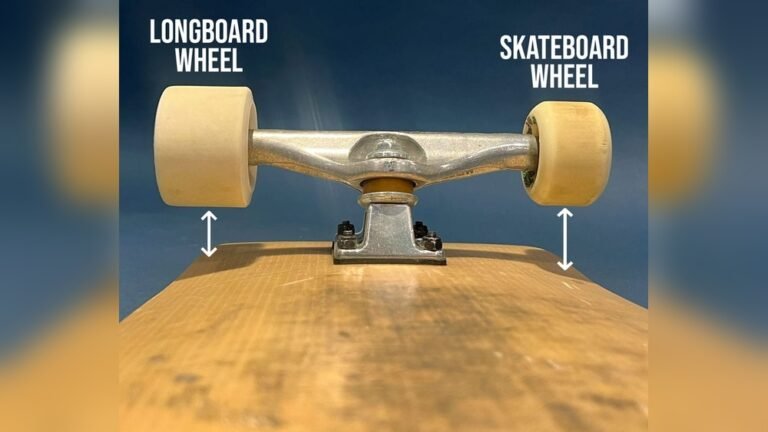
- Wheel size: Larger, softer wheels support more weight and offer a smoother ride.
- Brand reputation: Well-known brands are more likely to test their boards for safety.
If you’re unsure, contact the brand’s customer service. Remember, rider safety is more important than guessing.
Real-world Examples And Data
Let’s look at a few popular skateboards and their published weight limits.
| Model | Type | Listed Weight Limit |
|---|---|---|
| Powell Peralta Flight Deck | Street/Park | 250 lbs (113 kg) |
| Boosted Stealth Electric | Electric | 250 lbs (113 kg) |
| Landyachtz Drop Cat 33 | Longboard | 260 lbs (118 kg) |
| Penny Board 27” | Mini Cruiser | 220 lbs (100 kg) |
Non-obvious Insight: Some high-end decks advertise higher weight limits, but the real-world limit can be lower if you do aggressive tricks. Always consider how you’ll ride, not just the number on the box.

Credit: www.isinwheel.com
What Happens If You Exceed The Weight Limit?
Going over the recommended limit can lead to:
- Deck cracks or breaks: The board can snap suddenly, especially during tricks or jumps.
- Bent trucks: Heavier riders may notice trucks start to curve or lose responsiveness.
- Faster wheel wear: Overloading flattens wheels, causing “flat spots” and a rougher ride.
- Risk of injury: Sudden breaks or hardware failure can lead to falls and serious injuries.
Even if the board doesn’t break right away, constant overloading will wear down every part faster. It’s not just about safety—replacing broken parts gets expensive.
Choosing A Skateboard For Heavier Riders
Heavier skaters (over 200 lbs or 90 kg) need to be more careful in choosing their gear. Here’s what matters most:
Go For Quality Materials
Choose boards made from multiple layers of maple or those reinforced with fiberglass or carbon fiber. They flex less under pressure and last longer.
Wider Decks For Stability
A wider deck (8.25” and up) spreads your weight more evenly and gives better balance. It also reduces the risk of snapping in the middle.
Strong Trucks And Hardware
Look for high-grade aluminum trucks from trusted brands, and avoid plastic or hollow parts. Upgrade to steel hardware if possible.
Bigger, Softer Wheels
Larger wheels (54mm and up) with softer durometer ratings (78A–87A) cushion your ride and handle weight better, especially on rough surfaces.
Custom Builds
Consider building a custom skateboard. This lets you choose every part for maximum strength and comfort. Many skate shops will help you build a board for your size and style.
Practical Tips For Maximizing Your Board’s Life
Taking care of your skateboard can stretch its lifespan, even if you’re close to the weight limit.
- Inspect regularly: Check for cracks, chips, or bent parts after every session.
- Avoid water: Wet decks get soft and break easily.
- Don’t over-tighten bolts: This can crush the deck and make it weaker.
- Rotate wheels: Switching wheel positions helps them wear evenly, especially with added weight.
- Replace worn parts early: Don’t wait for a part to fail completely—fix it before it breaks.
Common Mistakes To Avoid
Many riders, especially beginners, make simple errors that can damage their board or cause injury.
- Buying the cheapest option: Low-cost boards use cheaper materials and snap easily under pressure.
- Ignoring the trucks: Even if the deck is strong, weak trucks will bend or break.
- Overloading mini cruisers: These small boards are not built for heavy riders or big tricks.
- Skipping regular checks: Small cracks can turn into big breaks during your next ride.
Non-obvious Insight: Even if a board “feels fine” after exceeding the weight limit, tiny cracks or bent parts can make it more dangerous next time you ride. Don’t ignore warning signs.

Credit: www.isinwheel.com
Skateboarding And Kids: Special Considerations
Children’s skateboards are often lighter and smaller than adult boards. Most are not designed for riders over 110 lbs (50 kg). If a heavier child or teen uses a child’s board, it will break quickly. Instead, choose a youth-sized board (7.5”-8”) made from full-strength materials. This offers both safety and a better skating experience.
Electric Skateboards: Are The Rules Different?
Electric skateboards often list higher weight limits—sometimes up to 330 lbs (150 kg). However, there are a few extra points to consider:
- Battery and motor performance drops: Heavier riders drain batteries faster and may notice slower acceleration or lower top speed.
- Climbing hills is harder: Weight affects the board’s ability to go uphill smoothly.
- Braking distance increases: Extra mass means it takes longer to stop.
Always check the official specs before buying, and ask about real-world performance, not just the maximum weight.

Credit: www.reddit.com
When To Replace Your Skateboard
A skateboard doesn’t last forever, especially for heavier or very active riders. Here’s when to consider a replacement:
- Visible cracks or delamination in the deck
- Bent or broken trucks
- Wheels worn to the core or severely flattened
- Hardware rusted or stripped
A good skateboard is an investment in your safety and enjoyment. Don’t push your luck with a damaged board—replace it before it fails.
Skateboard Weight Limits Vs. Rider Weight: Key Takeaways
To sum it up, here are the most important points:
- Most standard skateboards hold up to 220–250 lbs (100–113 kg)
- Longboards and electric boards can support 250–330 lbs (113–150 kg)
- Quality materials and strong trucks make a big difference
- Heavier riders should choose wider decks and avoid mini cruisers
- Always check the manufacturer’s specs or ask for guidance
If you want a deeper technical dive into skateboard construction and material strength, check resources like this Wikipedia article.
Frequently Asked Questions
How Much Weight Can A Penny Board Hold?
Penny boards are small plastic cruisers. Most can safely carry up to 220 lbs (100 kg). Exceeding this can lead to deck flexing and even snapping, especially if you hit bumps or try tricks.
Can Overweight Adults Skateboard Safely?
Yes, but choose a board with a higher weight limit—longboards or reinforced decks are best. Focus on cruising and smooth surfaces, and avoid high-impact tricks until you build up skill and confidence.
Will My Skateboard Break If I’m Close To The Weight Limit?
Probably not right away, but you should check your board often for cracks or bent trucks. Riding close to the limit means your board will wear out faster, so replace parts as soon as you see damage.
Do Expensive Skateboards Hold More Weight?
Not always. Brand reputation and the type of materials matter more than price alone. Some expensive boards are built for performance, not strength. Always check the specs, not just the price tag.
Are There Skateboards Made For Heavy Riders?
Yes. Some companies make reinforced decks (fiberglass, bamboo, carbon fiber) and heavy-duty trucks. Longboards and electric skateboards typically support more weight. You can also build a custom board with stronger parts to fit your needs.
Skateboarding should be fun—and safe—for everyone, no matter your size. By choosing the right gear, checking your board often, and respecting the weight limits, you’ll enjoy smoother rides and fewer surprises. Stay safe and happy skating!