
The allure of gliding effortlessly on a self-balancing scooter, often colloquially called a hoverboard, is undeniable. These futuristic devices have captured the imagination of many, promising a fun and convenient mode of personal transportation or recreation. However, a common question arises for those who own or are considering purchasing one: can hoverboards work on carpet? The answer isn’t a simple yes or no, as it depends on a confluence of factors ranging from the type of carpet to the hoverboard’s specifications and the rider’s technique. Understanding these nuances is crucial for a safe and enjoyable experience.
Many potential hoverboard users envision their adventures taking place on smooth, hard surfaces like sidewalks or polished floors. Yet, the reality of everyday life often involves navigating indoor spaces with varying floor coverings. Carpets, with their plush textures and varying pile heights, present a unique challenge for the gyroscopic sensors and motors that power these devices. This article will explore the complexities of hoverboard operation on carpet, examining the technical limitations, the types of carpets that pose the most difficulty, and practical tips for those who wish to attempt it. We’ll also consider the potential risks involved and offer alternatives for a smoother ride.
Key Takeaways
-
- Hoverboards Can Work on Carpet: Technically, hoverboards can operate on carpet, but their performance is significantly impacted.
- Carpet Type Matters: Low-pile, firm carpets offer the best chance of success, while high-pile, plush, or shag carpets are generally unsuitable.
- Performance Impact: Carpet fibers can interfere with sensors and traction, leading to instability and reduced speed.
- Increased Wear: Riding on carpet can increase wear and tear on hoverboard motors and wheels.
- Safety First: Always start slowly and be prepared for sudden stops or shifts when riding on carpet.
- Wheel Size Advantage: Hoverboards with larger wheels or off-road/all-terrain designs generally handle carpet better than standard models.
- Calibration Caution: Do not calibrate, charge, or test a hoverboard on carpet if the surface is soft, uneven, or thick-piled.
- UL 2272 Compliance: Always use a UL 2272-compliant hoverboard and follow manufacturer instructions for charging and riding.
Credit: gyroorboard.com
Understanding Hoverboard Mechanics
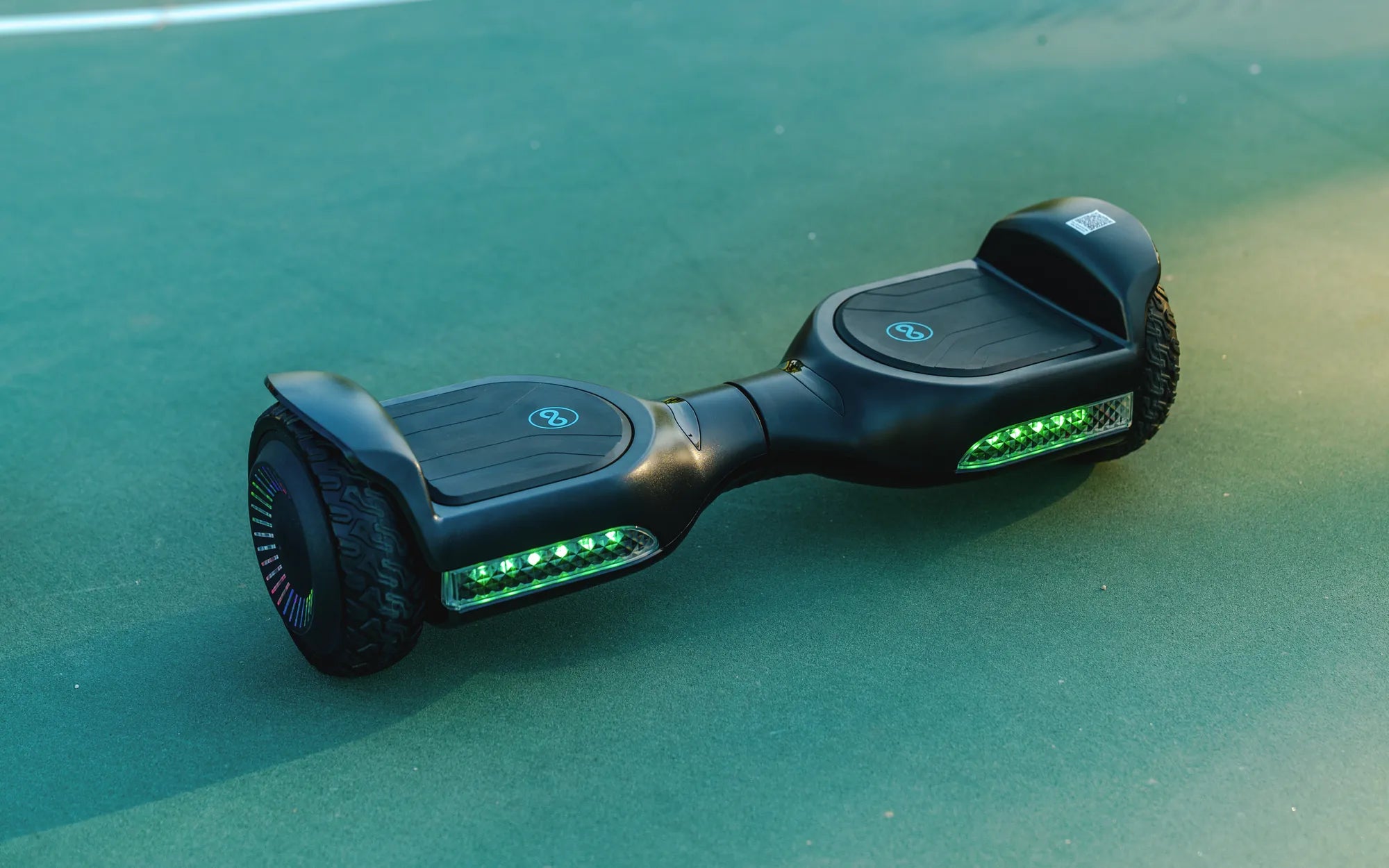
To grasp why carpet presents a challenge, it’s essential to understand the fundamental principles behind how hoverboards operate. These devices rely on a sophisticated system of gyroscopes, accelerometers, and pressure sensors to maintain balance and respond to rider input.
The Role Of Sensors And Gyroscopes
At the heart of every hoverboard is a control board that receives data from gyroscopic sensors and accelerometers. These sensors constantly monitor the board’s orientation and tilt. When you lean forward, the sensors detect the change in angle, signaling the motors to spin the wheels forward to compensate and keep you upright. Leaning back reverses this process. Similarly, tilting your feet on the footpads applies pressure that influences the sensors, allowing for steering.
Motor And Wheel Design
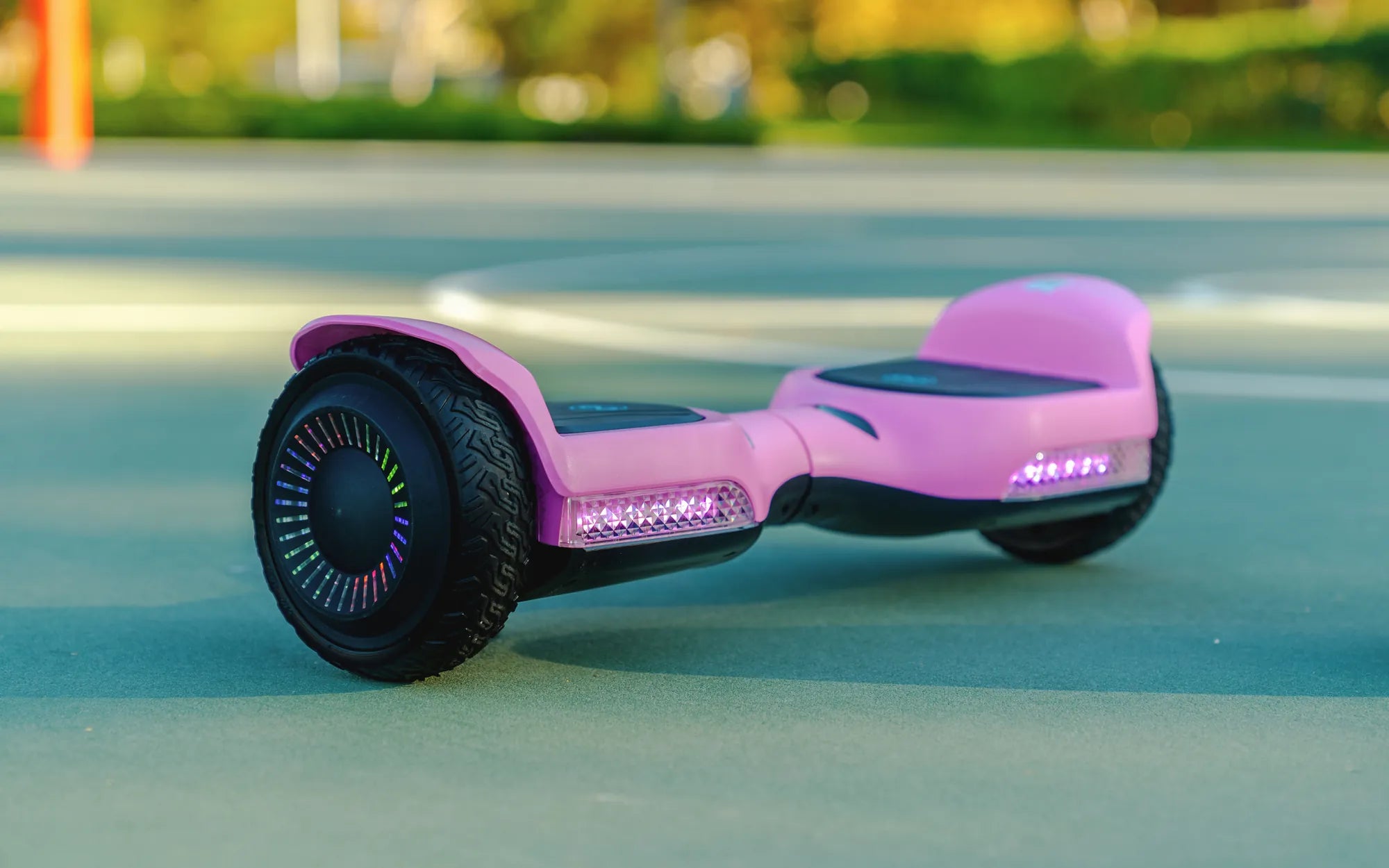
Hoverboard wheels are typically powered by hub motors, meaning the motor is integrated directly into the wheel assembly. These motors are designed to provide smooth, consistent power delivery on flat, hard surfaces. The wheels themselves are usually made of solid rubber or a durable composite material, offering good grip on pavement or linoleum. The responsiveness of these motors is finely tuned to react to subtle shifts in rider weight and sensor input.
The Importance Of A Stable Surface
The entire system is calibrated for a stable, predictable surface. A smooth, hard floor provides consistent friction and allows the sensors to accurately interpret the rider’s movements. Any deviation from this ideal, such as bumps, inclines, or changes in surface texture, can throw off the delicate balance of the system. This is where carpet comes into play.
Credit: gyroorboard.com
How Carpet Affects Hoverboard Performance
Carpet, by its very nature, introduces a level of unpredictability that can significantly hinder a hoverboard’s intended operation. The interaction between the hoverboard’s wheels and the carpet fibers is the primary source of these performance issues.
Traction And Grip Challenges
The rubber wheels of a hoverboard are designed to grip smooth surfaces. Carpet fibers, especially those in thicker piles, can create an uneven and often softer surface. This can lead to:
-
- Reduced Traction: The wheels may spin or slip rather than getting a firm grip, making it difficult to accelerate or maintain a steady speed. This is particularly noticeable when trying to move forward or backward.
- Increased Friction: In some cases, particularly with very dense carpets, the fibers can create excessive drag, making it harder for the motors to turn the wheels. This can lead to the hoverboard feeling sluggish or even refusing to move.
- Uneven Rolling: The wheels don’t roll smoothly over carpet. They tend to sink slightly into the pile, causing a bumpy and jerky ride.
Sensor Interference
The sensitive pressure sensors located in the footpads can also be affected by carpet. When you stand on a hoverboard on carpet, the fibers can compress unevenly under your feet. This can lead to:
-
- False Readings: The sensors might interpret the uneven pressure as a deliberate input, causing the hoverboard to react unexpectedly. For instance, it might try to turn when you intend to go straight, or it might suddenly stop.
- Difficulty in Activation/Deactivation: The sensors might not register your weight correctly, making it hard to turn the hoverboard on or off, or causing it to shut down unexpectedly if it doesn’t detect consistent pressure.
Motor Strain And Wear
Constantly trying to overcome the resistance of carpet puts a significant strain on the hoverboard’s motors. The motors have to work harder to achieve even minimal movement. Over time, this can lead to:
-
- Overheating: Increased workload can cause the motors to overheat, potentially damaging them.
- Accelerated Wear: The constant struggle against the carpet fibers can wear down the motor components and the wheels faster than usual. This can shorten the lifespan of your hoverboard.
Carpet can also drain the battery faster because the motors need more power to overcome rolling resistance and repeated micro-corrections. In practice, very soft carpet can also make calibration and balance checks unreliable, because the board may not sit perfectly level while the base compresses unevenly. Attempting to ride a hoverboard on anything other than a very short, firm carpet is akin to trying to ride a bicycle with deflated tires on sand; it’s possible to move, but it’s incredibly difficult, inefficient, and the ride quality is severely compromised.
Types Of Carpet And Their Impact
Not all carpets are created equal, and their construction plays a significant role in how well (or poorly) a hoverboard will perform on them. Understanding these differences can help you determine if attempting to ride on carpet is even feasible.
Low-pile Carpets
Low-pile carpets, such as those found in many offices or commercial spaces, offer the best chance for hoverboard operation. These carpets have short, densely packed fibers that provide a relatively firm surface.
-
- Pros: Less fiber to interfere with wheels, more stable surface, reduced risk of sensors being completely obscured.
- Cons: Still presents more resistance than a hard floor, potential for some wheel slippage, and minor sensor interference.
Medium-pile Carpets
These carpets have a bit more length to their fibers and can be slightly softer. They present a moderate challenge.
-
- Pros: Some minimal give might be felt, but generally still manageable for very slow, cautious movement.
- Cons: Increased resistance, greater chance of wheel sinking, potential for noticeable jerky movements, and more consistent sensor input issues.
High-pile And Shag Carpets
High-pile carpets, especially shag carpets, are generally the worst surfaces for hoverboard operation. The long, loose fibers create a deep, soft, and unstable terrain.
-
- Pros: None for hoverboard operation.
- Cons: Extreme difficulty in movement, wheels sink deeply, high risk of the hoverboard getting stuck, severe sensor interference due to uneven fiber compression, and a very high likelihood of falls and damage.
Berber Carpets
Berber carpets are known for their looped construction. While often considered durable and low-pile, the loops can sometimes catch the wheels of a hoverboard, creating a tripping hazard.
-
- Pros: If the loops are very tight and short, it might be slightly better than shag.
- Cons: Loops can snag wheels, leading to sudden stops or falls. Can still cause significant drag.
Carpet Padding
The presence and type of carpet padding underneath the carpet also matter. Thick, plush padding can make even low-pile carpets feel soft and unstable, exacerbating the issues described above. A firmer, denser padding will provide a more stable base.
Practical Considerations And Safety Tips
If you absolutely must attempt to ride your hoverboard on carpet, or if you find yourself in a situation where it’s unavoidable, taking certain precautions is essential. Safety should always be your top priority.
Starting Slowly And Cautiously
The most critical piece of advice is to start slowly. Do not expect the same responsiveness or speed you get on a hard surface.
-
- Ensure the hoverboard is fully charged. Low battery can exacerbate performance issues.
- Choose the calmest, most stable carpet available (ideally low-pile).
- Mount the hoverboard slowly and deliberately. Ensure both feet are firmly on the pressure pads.
- Begin with minimal movements. Try to move forward or backward just an inch or two to gauge the resistance and responsiveness.
- Keep your body loose and be ready to dismount. Anticipate sudden stops or shifts in direction.
Maintaining Balance
Maintaining balance on carpet requires more effort and constant micro-adjustments.
-
- Keep your knees bent: This allows your body to absorb shocks and make quicker adjustments.
- Focus your gaze ahead: This helps with overall balance and spatial awareness.
- Avoid sudden movements: Jerky actions are more likely to cause instability on an uneven surface like carpet.
Dismounting Safely
Dismounting can be trickier on carpet due to the potential for the board to shift unexpectedly.
-
- Always dismount by stepping backward one foot at a time.
- Ensure the hoverboard is completely still before attempting to step off.
- If the hoverboard starts to move or tilt unexpectedly while you’re dismounting, be prepared to jump clear.
Potential For Damage
As mentioned earlier, riding on carpet can put extra strain on your hoverboard. Be aware that you might be accelerating wear and tear on the motors and wheels. This could lead to premature failure or require more frequent maintenance. Before any indoor use, check that the device is UL 2272 compliant and follow the charger instructions exactly; safety guidance emphasizes that charging on soft surfaces like carpet is a bad idea because heat can build up around the battery.
Alternatives For Smoother Rides
Given the challenges and potential risks associated with riding hoverboards on carpet, exploring alternatives for a smoother and safer experience is highly recommended.
Hardwood, Tile, Or Laminate Flooring
These are the ideal surfaces for hoverboard operation. They offer consistent grip, smooth rolling, and allow the sensors to function optimally. If you have large areas of these flooring types in your home, use them for practice and enjoyment.
Smooth Concrete Or Pavement
For outdoor use, smooth concrete sidewalks, paved driveways, or quiet parking lots are excellent choices. Ensure the surface is free of significant cracks, debris, or potholes that could cause a fall.
Dedicated Hoverboard Parks Or Arenas
In some areas, specialized indoor parks or arenas may exist that cater to personal electric vehicle users. These locations typically have smooth, purpose-built surfaces designed for optimal performance and safety.
Using A Hoverboard Cart Attachment
For younger riders or those seeking a different experience, hoverboard cart attachments are available. These convert the hoverboard into a ride-on cart, essentially separating the rider from the direct interaction with the surface. The cart’s wheels roll over the carpet, making the experience much smoother and safer, though it loses the essence of self-balancing.
Consider A Different Device
If your primary goal is to ride on varied indoor surfaces, including carpet, a hoverboard might not be the most suitable device. Devices like electric scooters with larger wheels or even certain types of electric skateboards might offer better performance on less-than-ideal surfaces, though they come with their own set of operational considerations.
Hoverboard Vs. Electric Scooter On Carpet
To further illustrate the challenges, let’s compare how a hoverboard and a more conventional electric scooter might fare on carpet.
| Feature | Hoverboard | Electric Scooter |
|---|---|---|
| Wheel Size | Small, solid rubber (typically 6.5-10 inches) | Larger, often pneumatic or solid (8-12+ inches) |
| Traction | Limited on carpet; prone to slipping | Better due to larger, potentially air-filled tires |
| Stability | Highly dependent on surface; unstable on carpet | More stable due to larger wheelbase and handlebars |
| Sensor Input | Crucial; easily disrupted by carpet fibers | Not applicable; controlled by throttle/brakes |
| Motor Strain | High when on carpet; can overheat | Moderate; designed for varied terrain |
| Ride Quality | Jerky and difficult on carpet | Smoother, though still impacted by carpet pile |
| Safety Risk | High risk of falls and sudden stops on carpet | Lower risk on carpet, but still present |
| Best Surface | Smooth, hard surfaces | Pavement, smooth concrete, some packed dirt |
As the table illustrates, the fundamental design of an electric scooter makes it inherently more capable of handling surfaces like carpet, albeit with a reduced riding experience compared to hard surfaces. The hoverboard’s reliance on precise sensor input and smooth wheel contact makes carpet a particularly challenging environment.
Real-world Examples And Scenarios
To solidify the understanding, let’s look at a couple of common scenarios:
Scenario 1: The Living Room Glide
Sarah just got a new hoverboard and is excited to try it out. Her apartment has plush, medium-pile carpeting throughout. She mounts the hoverboard cautiously in her living room. As she tries to move forward, the wheels sink into the carpet, and the board lurches unpredictably. She leans slightly to correct, and the hoverboard suddenly spins to the left, throwing her off balance. She manages to step off, but the experience leaves her feeling uneasy. The fibers repeatedly snagged the wheels, and the uneven pressure distribution confused the sensors. In this case, the carpet made the hoverboard practically unrideable and potentially dangerous.
Scenario 2: The Office Hallway Test
Mark works in an office with low-pile, commercial-grade carpet. He decides to test his hoverboard during a break. He mounts it near his desk. The hoverboard moves, but slowly and with a noticeable amount of resistance. He can achieve a slow, steady glide for a few feet, but accelerating or making sharp turns is difficult. He notices the wheels occasionally slipping. He finds that keeping his weight centered and making very gentle movements allows him to maintain control. While possible, the ride is far from smooth, and he decides it’s not worth the increased effort and potential strain on the device for anything more than a brief novelty.
These examples highlight how the type and thickness of the carpet dramatically influence the outcome. Sarah’s plush carpet rendered the hoverboard nearly unusable, while Mark’s low-pile carpet allowed for limited, albeit compromised, functionality.
Frequently Asked Questions
What Is The Biggest Risk Of Riding A Hoverboard On Carpet?
The biggest risk is instability leading to falls. Carpet fibers create unpredictable traction and can interfere with the hoverboard’s sensors. This can cause sudden, unexpected movements, making it difficult to maintain balance and increasing the likelihood of falling off and sustaining injuries. Additionally, the increased strain on the motors can lead to overheating or premature wear.
Can I Damage My Hoverboard By Riding It On Carpet?
Yes, it is possible. Riding on carpet puts significantly more strain on the motors as they work harder to overcome the resistance of the fibers. This can lead to overheating, which can damage the motor windings. The wheels can also experience accelerated wear due to increased friction and potential snagging by carpet fibers. Over time, this can shorten the lifespan of your hoverboard.
Are There Any Hoverboards Specifically Designed For Carpet?
No, there are no hoverboards specifically designed to perform optimally on carpet. All standard hoverboards are engineered with the expectation of being used on smooth, hard, flat surfaces. Their sensor calibration, motor power, and wheel design are optimized for these conditions. While some might perform slightly better on very specific types of low-pile carpet, none are truly designed for it. All-terrain boards with larger wheels can handle carpet better, but they are still not ideal for thick or shag carpeting.
How Can I Improve Hoverboard Performance On Carpet?
Improving performance significantly is difficult, but some minor improvements can be made. Ensure you are on the lowest pile, firmest carpet available. Keep your movements slow and deliberate. Maintain a low center of gravity with bent knees. Avoid sudden acceleration or sharp turns. However, even with these measures, performance will always be inferior to that on a hard surface. For a better experience, consider hoverboard attachments that use separate wheels or opt for riding on a hard surface.
Is It Safe To Let My Kids Ride A Hoverboard On Carpet?
It is generally not recommended to let children ride hoverboards on carpet due to the increased risk of falls and injuries. Children may have less developed balance and reaction times, making them more vulnerable to the unpredictable nature of hoverboard operation on carpet. Always prioritize safety and supervise children closely, preferably on a smooth, hard surface. If carpet riding is a must, consider protective gear and hoverboard attachments designed for added stability.
The question of whether hoverboards work on carpet is complex, with the answer leaning heavily towards “not very well.” While technically possible under very specific and limited conditions, primarily on short, firm, low-pile carpets, the experience is invariably compromised. The inherent design of hoverboards, reliant on smooth surfaces for sensor accuracy and consistent traction, makes them ill-suited for the uneven, resistant terrain presented by most carpeted areas. The potential for reduced performance, increased wear and tear on the device, and most importantly, a heightened risk of falls and injuries, strongly suggests that carpeted areas should be avoided for hoverboard use. For the optimal and safest experience, always opt for smooth, hard surfaces like concrete, tile, or hardwood floors.