Is Skateboarding Dangerous? What You Need to Know Before You Ride
Skateboarding is a sport that captures the spirit of freedom, creativity, and adventure. Every day, millions of people around the world take their boards to the streets, parks, and ramps. But along with the excitement comes a serious question: Is skateboarding dangerous? Many people—especially parents—worry about injuries, broken bones, and long-term health risks. At the same time, plenty of skaters believe the rewards far outweigh any dangers. To help you decide where the truth lies, let’s take an honest look at the risks, statistics, and safety tips that define this popular activity.
Why People Think Skateboarding Is Dangerous
Images of falls, crashes, and tricks gone wrong are common in skateboarding videos and social media. News stories sometimes focus on severe injuries, creating a sense that skateboarding is almost always risky. Skate parks often post long lists of rules, and some cities even ban skateboarding in public places.
These things make many people believe the sport is unsafe for everyone.
But is this reputation deserved, or is it exaggerated? The answer is more complex than it seems.
What The Injury Data Says
Let’s look at real numbers to understand the risk. According to the National Safety Council, over 98,000 people in the US were treated in emergency rooms for skateboarding injuries in 2022. Most were between ages 5 and 24. Males made up about 85% of the injuries.
How does this compare to other sports? Here’s a clear comparison:
| Sport | Annual ER Injuries (US, 2022) | Common Injury Type |
|---|---|---|
| Skateboarding | 98,000 | Fractures, sprains |
| Bicycling | 417,000 | Head, arm injuries |
| Basketball | 249,000 | Sprains, strains |
| Soccer | 174,000 | Sprains, fractures |
The numbers show that skateboarding has fewer injuries than several other popular sports. However, the type of injury matters a lot.
Credit: theboardr.com
What Kind Of Injuries Are Most Common?
Skateboarding injuries often affect the arms, wrists, and ankles. The most common problems are:
- Sprains and strains
- Fractures (broken bones)
- Cuts and bruises
- Head injuries (less common, but more serious)
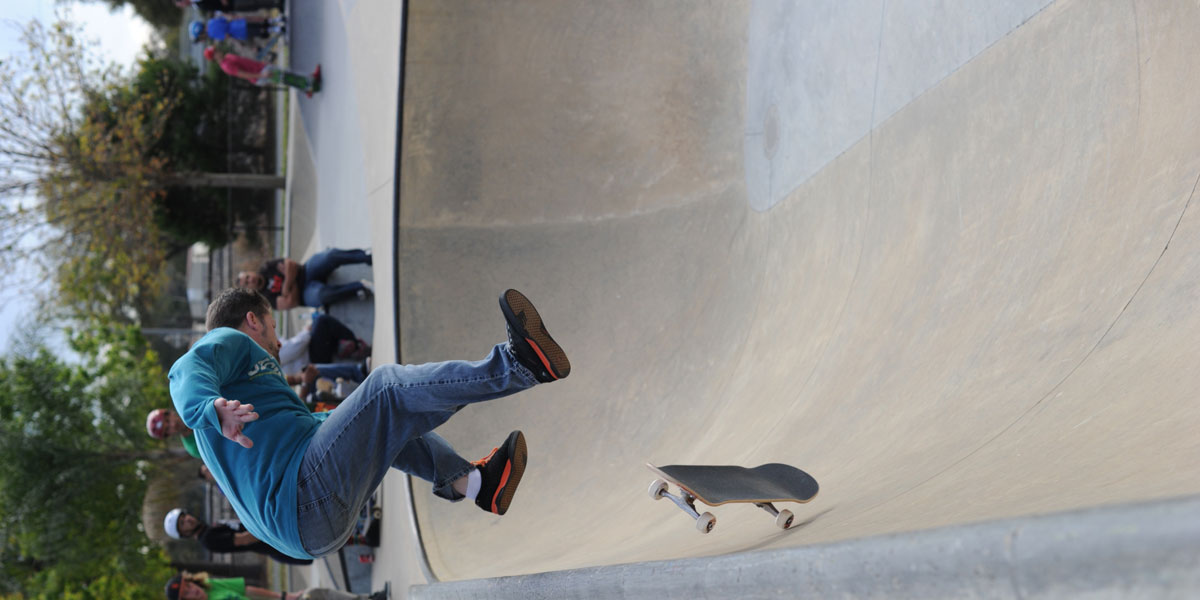
A study from the American Academy of Pediatrics found that wrist fractures are the single most frequent injury. Head injuries, such as concussions, are less common (about 5-10% of all skateboarding injuries) but can be very serious—especially if the skater is not wearing a helmet.
Who Gets Hurt Most Often?
Young skaters and beginners have a higher risk of injury. Children under 10 are more likely to get hurt because they have less balance and strength. New skaters are also more likely to fall, sometimes because they try tricks that are too hard.
Interestingly, experienced skaters often get fewer injuries, even though they do more dangerous tricks. This is because they have better skills, balance, and awareness.
Here’s a summary of risk by age and experience:
| Group | Injury Risk Level | Notes |
|---|---|---|
| Children (under 10) | High | Low balance, less control |
| Beginners | High | Learning basics, frequent falls |
| Teens (10-19) | Moderate | Better skills, more tricks |
| Adults (20+) | Lower | More cautious, stronger skills |
Why Do Injuries Happen?
Several factors make skateboarding risky:
- Hard surfaces – Concrete and asphalt do not give way during a fall, which makes injuries more likely.
- Speed and tricks – Higher speeds and harder tricks increase the chance of losing balance.
- Lack of protective gear – Not wearing helmets, wrist guards, or pads leads to more serious injuries.
- Poor equipment – Worn-out boards and wheels can break or slip.
- Unsafe places – Skating in busy streets or places with obstacles adds risk.
One non-obvious insight: Many beginners get hurt because they do not know how to fall safely. Learning how to roll or slide when falling can prevent broken bones and head injuries.
Is Skateboarding More Dangerous Than Other Activities?
The injury rate in skateboarding is similar to sports like soccer and basketball. Activities like biking and football have even higher injury numbers. What makes skateboarding feel more dangerous is the style of falls—there’s usually no protective padding around, and falls happen directly onto hard ground.
However, skateboarding rarely causes fatal injuries. Less than 0.001% of skateboarding accidents in the US are fatal each year, according to Wikipedia. Most injuries heal with rest and simple treatment.
Safety Gear: What Really Makes A Difference
Wearing the right gear can reduce the risk of serious injury by up to 85%. Here’s what matters most:
- Helmet – Protects the head from concussions and skull fractures.
- Wrist guards – Help prevent broken wrists, especially for beginners.
- Elbow and knee pads – Reduce cuts, bruises, and fractures.
- Proper shoes – Give better grip and protect the ankles.
Many skaters avoid gear because they think it looks “uncool” or feels uncomfortable. But data shows that most severe injuries happen to people not wearing protection.
Where You Skate Matters
The environment plays a big role in safety. Here’s how common places compare:
| Location | Risk Level | Why |
|---|---|---|
| Skateparks | Lower | Designed for skating, fewer cars/obstacles |
| Sidewalks | Moderate | Cracks, pedestrians, changing surfaces |
| Roads/Streets | High | Traffic, cars, unexpected hazards |
| Parking lots | Moderate | Cars, loose gravel |
Skateparks are the safest, especially for beginners. They have smooth surfaces and fewer surprises. Streets and roads are most dangerous because of cars and rough ground.
Credit: www.shop709.com
Common Mistakes That Increase Risk
Many injuries happen because of avoidable mistakes. Here are some of the most common:
- Skipping warm-up – Cold muscles are stiff and more likely to get hurt.
- Trying advanced tricks too soon – Beginners sometimes copy what they see online, without enough practice.
- Not checking equipment – Loose bolts, worn wheels, or cracked boards can cause accidents.
- Ignoring surroundings – Skating near traffic, in crowds, or on wet surfaces leads to surprises.
- Not wearing gear – Even one fall without a helmet can have lifelong effects.
A less obvious mistake: Rushing recovery after injury. Many skaters return too soon after a sprain or fracture, making the injury worse or causing a new one.
How To Reduce The Dangers
Skateboarding can be much safer with a few smart steps:
- Start on flat, smooth surfaces before trying ramps or tricks.
- Take a lesson if possible; many cities offer beginner classes.
- Learn to fall safely—try to roll, not land on straight arms.
- Inspect your skateboard regularly for cracks or loose parts.
- Wear protective gear every time, not just when learning.
- Skate in safe places, like skateparks or empty parking lots.
- Skate with others—they can help if you fall or get hurt.
If you want to help children stay safe, supervision matters. Kids under 10 should not skate alone. Watching videos on how to fall, or practicing on grass, can also build confidence.

Credit: www.youtube.com
The Mental Side: Fear And Confidence
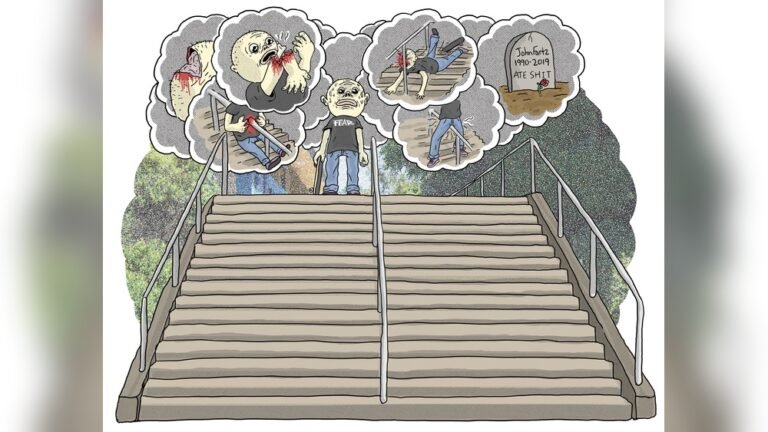
Many people don’t think about the mental side of skateboarding. Fear is normal, and it helps you stay cautious. But too much fear makes you stiff, which actually increases the chance of falling.
Building confidence slowly—starting with easy moves and wearing gear—helps your body relax. This makes you less likely to panic and more able to handle surprises. Experienced skaters often say that learning to trust yourself is as important as learning tricks.
The Upside: Benefits That Balance The Risks
It’s important to remember that skateboarding also brings many benefits. These include:
- Improved balance and coordination
- Better heart health from active movement
- Stress relief and mental focus
- Creativity and self-expression
- Community and friendship
Many parents discover that children who skateboard gain more confidence, learn to handle failure, and stay active—benefits that last a lifetime.
What Doctors And Experts Recommend
Medical organizations like the American Academy of Pediatrics do not recommend banning skateboarding. Instead, they suggest:
- Always use safety gear
- Supervise young children
- Start with basic skills before moving to advanced tricks
- Skate in safe, designed areas
Doctors agree that with these steps, the risks can be managed for most healthy people. However, anyone with serious bone or joint problems should talk to a doctor before starting.
Is Skateboarding Worth The Risk?
Every sport has dangers. Football, cycling, and even running can cause injuries. With skateboarding, the key is knowing and managing the risks.
What most beginners miss: Injury risk drops sharply as you build skills and habits. After the first few months, falls become less common, and you learn how to protect yourself.
If you or your child want to start skateboarding, don’t let fear stop you—but don’t ignore the risks either. Make safety a habit, learn at your own pace, and focus on progress, not perfection.
Frequently Asked Questions
Is Skateboarding More Dangerous Than Biking?
Biking actually has more injuries each year, especially serious head injuries. Both sports can be safe with helmets and by avoiding traffic. Skateboarding has more wrist and ankle injuries, while biking has more head injuries.
At What Age Is It Safe To Start Skateboarding?
Most experts suggest age 5 or older, always with adult supervision. Very young children (under 5) lack the balance and strength needed. For kids under 10, starting in a skatepark or on grass is safest.
Can You Get A Concussion From Skateboarding?
Yes, but it’s less common than wrist or ankle injuries. Most concussions happen when the skater is not wearing a helmet. Helmets reduce the risk of serious head injury by up to 85%.
Does Wearing Safety Gear Really Help?
Absolutely. Helmets, wrist guards, and pads prevent most broken bones and serious injuries. Most severe injuries happen to skaters not wearing gear.
How Can Beginners Avoid Getting Hurt?
Start slow, learn to fall safely, wear full safety gear, and skate on smooth, flat surfaces. Take lessons if possible, and never rush into tricks or skate in dangerous places like busy roads.
Skateboarding, like any sport, has risks—but with smart choices and the right habits, it can be a safe and rewarding way to stay active, creative, and connected. Respect the risks, enjoy the ride, and keep pushing forward.