How to Kickflip on a Skateboard: Master the Trick Fast
Learning how to kickflip on a skateboard is a rite of passage for many skaters. This trick looks impressive, but it’s also a real test of your skill, timing, and commitment. The kickflip is the first “flip trick” most riders want to master, and for good reason: it’s a foundational move that opens the door to hundreds of other tricks.
For beginners, the kickflip can feel impossible. The board seems to fly away, spin too slowly, or refuse to flip at all. But with the right steps, some practice, and a good understanding of what’s happening under your feet, you can land your first kickflip and take your skating to the next level.
This guide walks you through the process in clear detail, breaking down every part of the trick so you can learn faster and avoid common mistakes.
What Is A Kickflip?
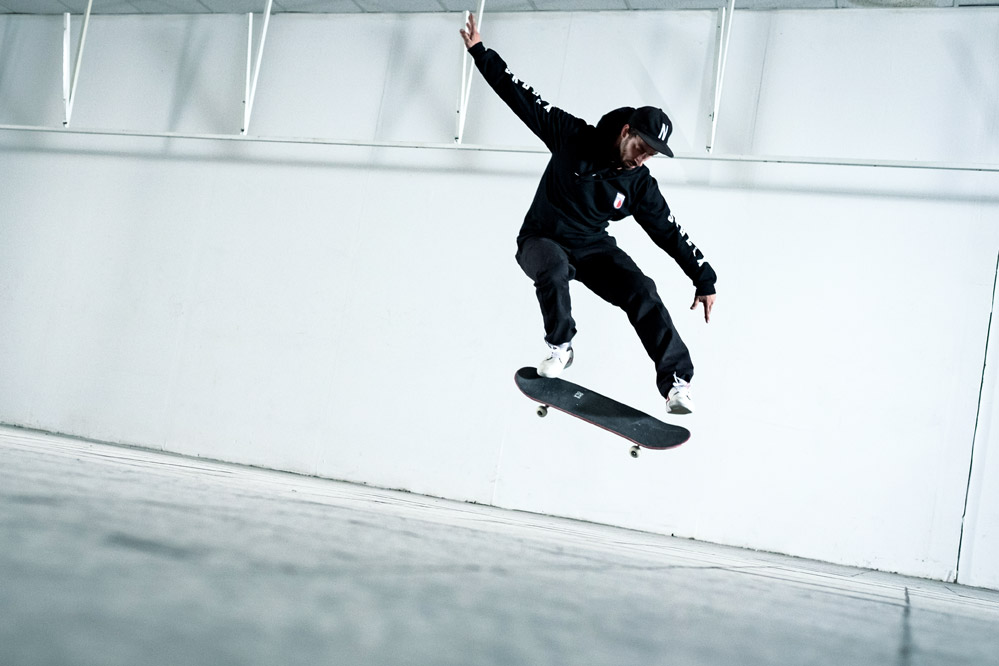
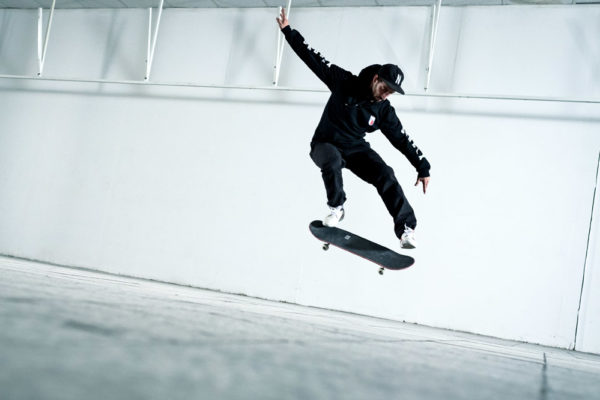
A kickflip is a skateboarding trick where the rider flips the board 360 degrees along its long axis while in the air. The flip is created by a “flick” of the front foot, while the back foot pops the board up, just like in an ollie. Once you master the kickflip, you can combine it with other tricks and use it in street or park skating.
Kickflips were invented by Rodney Mullen in the 1980s. Today, they are a standard in all styles of skateboarding, from street to vert. According to surveys, about 80% of street skaters consider kickflips a “must-have” trick in their arsenal.
Before You Start: Prerequisites
You shouldn’t try kickflips until you can do the following confidently:
- Ollie: You must be able to ollie at least 8–12 inches high and land consistently.
- Ride with balance: You should feel comfortable riding, turning, and stopping.
- Pop-shuvit (optional): This isn’t required, but helps with board control.
If you skip these basics, learning kickflips will be frustrating and riskier.

Credit: www.youtube.com
Choosing The Right Gear
Your skateboard setup can make kickflips easier or harder. Here’s what to consider:
Skateboard Size
- Deck width: Most skaters use a deck between 7.75” and 8.25” wide for kickflips. Narrower decks flip faster, but can be less stable for beginners.
- Deck shape: Medium or mellow concave makes it easier to flick.
Shoes
- Skate shoes with a flat, grippy sole and a strong toe cap help your flick and protect your feet.
- Avoid running shoes or sandals—they make learning much harder and less safe.
Maintenance
- Make sure your grip tape isn’t worn out. Fresh grip helps your foot flick the board.
- Check that your trucks and wheels roll smoothly, but aren’t so loose that your board wobbles.
Step-by-step: How To Kickflip
Let’s break down the kickflip into clear steps you can follow. Practicing each part separately helps you learn faster.
1. Foot Position
How you set your feet makes a big difference.
- Back foot: Place the ball of your back foot on the tail, just like an ollie. The toes should be centered, not hanging off.
- Front foot: Place your front foot across the board at a slight angle (about 30–45 degrees). The toes should point toward the nose and the heel hangs off a little. The ball of your foot should be just behind the front bolts.
Here’s a comparison of foot positions for ollie vs kickflip:
| Trick | Back Foot | Front Foot |
|---|---|---|
| Ollie | Tail, straight across | Behind front bolts, straight |
| Kickflip | Tail, toes centered | Angled, heel off edge |
2. The Pop
Bend your knees and get ready to jump. Pop the tail hard with your back foot, just like in an ollie. The harder and sharper the pop, the higher your board will go.
3. The Flick
As soon as you pop, drag your front foot up toward the nose at an angle. When your foot reaches the nose, “flick” your ankle and toes out and off the board’s edge. This flick is what makes the board spin.
- Don’t kick down: Flick out and up, not straight down. Kicking down kills the flip.
- Use your toes, not your whole leg: The motion is quick and sharp.
4. The Jump
Jump straight up. Tuck your knees to give the board room to spin underneath you. Don’t try to jump forward or lean too far back—stay centered over the board.
5. Watch The Spin
Keep your eyes on the board as it flips. When you see the griptape (the top of the board) come back around, get ready to land.
6. Catch And Land
Extend your legs and catch the board with your back foot first, then set your front foot down. Bend your knees as you land to absorb the impact. Try to land with your feet over the bolts to avoid breaking your board or twisting your ankle.
Common Mistakes And How To Fix Them
Learning to kickflip comes with a few typical problems. Here’s how to solve them:
| Problem | Why it Happens | Solution |
|---|---|---|
| Board flips halfway | Weak or mistimed flick | Flick harder and faster with your ankle |
| Board spins away | Jumping forward or sideways | Jump straight up, stay centered |
| Can’t land both feet | Looking down too long, jumping off board | Focus on popping high and staying above the board |
| Board doesn’t flip | Kicking down, not out | Flick your ankle out toward the nose’s edge |
A non-obvious tip: Many beginners try to flick with their whole leg, which slows the flip and throws off balance. The flip comes mainly from the ankle and toes—a small, sharp movement.
How Long Does It Take To Learn?
The time to learn a kickflip varies. If you practice 30–60 minutes every day, most skaters land their first kickflip in 2 to 8 weeks. Factors that affect your progress:
- Board control: Good ollie skills speed up learning.
- Practice frequency: Consistent, focused practice is key.
- Fear: It’s normal to feel nervous. Learning to commit is half the battle.
Credit: www.skatedeluxe.com
Drills To Build Kickflip Skills
Breaking the kickflip into parts can speed up your progress. Try these drills:
- Flick practice: Stand on grass or carpet (so the board won’t roll away) and practice the flick motion 20–30 times. Focus on the ankle, not the leg.
- Ollie high: Practice getting your ollies higher and cleaner. The higher you pop, the more time you’ll have to flip and land.
- Half-flips: Try to flip the board halfway and land with one foot. This builds confidence and control.
Skaters who use these drills often land kickflips 20–30% faster than those who only “try the trick” over and over.
Safety Tips
Kickflips can cause injuries if you’re not careful. Take these steps to stay safe:
- Wear a helmet: Head injuries are serious. Always protect your head.
- Skate shoes only: They protect your toes and help with flicking.
- Warm up: Do basic tricks and stretches before trying kickflips.
- Choose a smooth surface: Avoid cracks and rocks that can trip you up.
Most ankle injuries happen when landing with feet off the bolts or on the edge of the board. Focus on landing centered, and don’t rush to do the trick moving until you can land it stationary.
Progressing After Your First Kickflip
Once you land your first kickflip, what comes next? Here are some directions:
- Kickflip while moving: Start rolling slowly, then increase speed as you get more confident.
- Kickflip down small ledges or stairs: Start small (curbs or 1–2 stairs).
- Kickflip to manual or grind: Combine the kickflip with other tricks for style points.
Here’s a quick look at how kickflips compare to other beginner flip tricks:
| Trick | Difficulty (1–5) | Recommended Prerequisite |
|---|---|---|
| Kickflip | 3 | Ollie |
| Heelflip | 3 | Kickflip |
| Varial Kickflip | 4 | Kickflip, Pop Shuvit |
| Double Kickflip | 5 | Kickflip |
Non-obvious Insights For Faster Progress
- Commitment is key: Most failed kickflips aren’t because of technique, but hesitation. If you always bail out, your body won’t learn to land. Try to “stick” with the board, even if you fall.
- Record yourself: Video helps you spot mistakes you can’t feel. Many skaters find that fixing one small detail (like foot angle) suddenly unlocks the trick.
- Rest your feet: Kickflip practice can cause “flick foot” (sore or blistered toes). Take breaks and use good shoes to avoid injury.
- Visualize the trick: Spend time picturing the kickflip in your mind before trying it. Visualization has been shown to improve learning speed for physical skills.
Pro Tips From Experienced Skaters
- Start slow: Master the flick and pop before trying to land with both feet.
- Stay loose: Stiffness kills your flick and makes you more likely to bail.
- Land bolts: Try to land with your feet over the bolts, not the tail or nose.
- Be patient: It’s normal to fail hundreds of times before landing a good kickflip.
When To Try Kickflips Moving
After you can land kickflips standing still 7 out of 10 times, start trying while rolling slowly. This helps you learn how to keep your balance and control the board while in motion.
Don’t rush this step. Learning to kickflip while moving takes more commitment and timing, but it’s also much more useful in real skating.
Where To Get More Help
If you’re stuck, ask a more experienced skater to watch and give tips. Many local skate shops and parks have friendly skaters who remember what it’s like to learn. Watching slow-motion videos on YouTube, or reading more in-depth guides on sites like Wikipedia, can also help you see exactly how each part of the trick works.
Frequently Asked Questions
How Long Does It Take To Learn A Kickflip?
Most skaters take between 2 and 8 weeks to land their first kickflip, practicing several times a week. If you practice more often and focus on technique, you might learn faster.
Why Does My Board Not Flip All The Way?
This usually means your front foot flick is too weak or too slow. Try flicking your ankle out and up, not just sliding your foot. Make sure your grip tape isn’t too worn.
Should I Learn Kickflips Stationary Or Moving?
Start practicing stationary. Once you can land consistently, try rolling slowly, then faster. Learning stationary first reduces the risk of injury.
How Do I Stop The Board From Flying Away?
Focus on jumping straight up and staying over the board. If you jump forward or to the side, the board will shoot out. Film yourself to check your body position.
What’s The Best Skateboard Setup For Kickflips?
A medium-width deck (7.75”–8.25”), fresh grip tape, and good skate shoes make learning easier. Avoid loose trucks or slippery grip tape, as they make control harder.
Learning how to kickflip on a skateboard is a challenge, but with focus, patience, and the tips above, you’ll land your first kickflip and open a whole new world of tricks. Stick with it—the feeling of rolling away from your first kickflip is worth every failed attempt.
Credit: www.skatedeluxe.com