What is Wheelbite on a Skateboard: Causes and Prevention Tips
Skateboarding looks simple from the outside—just a board, four wheels, and a set of tricks. But once you start riding, you’ll realize that every part of your board matters, and small problems can lead to big wipeouts. One of the most unexpected issues beginners and even some experienced skaters face is wheelbite. It’s sudden, sometimes painful, and can stop you mid-ride. But what exactly is wheelbite, why does it happen, and how do you deal with it? This guide will break it all down in clear, practical language.
Understanding Wheelbite
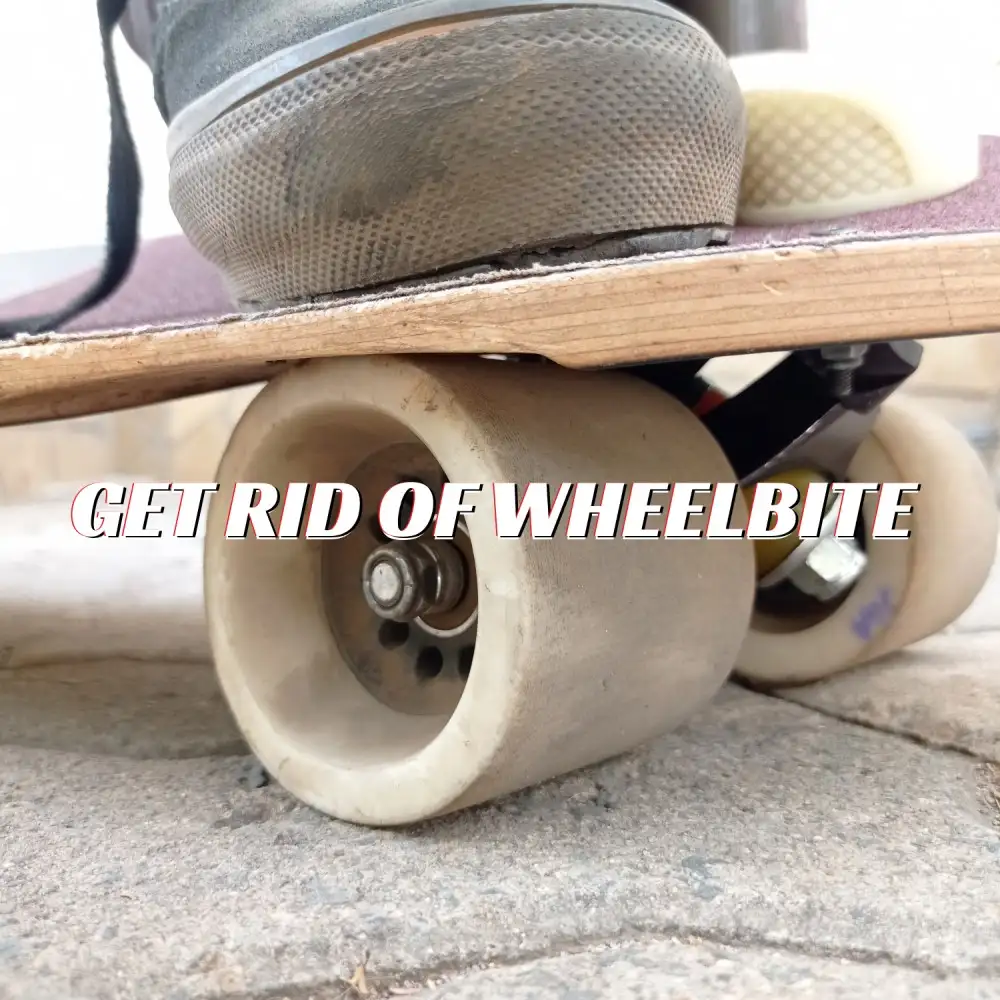
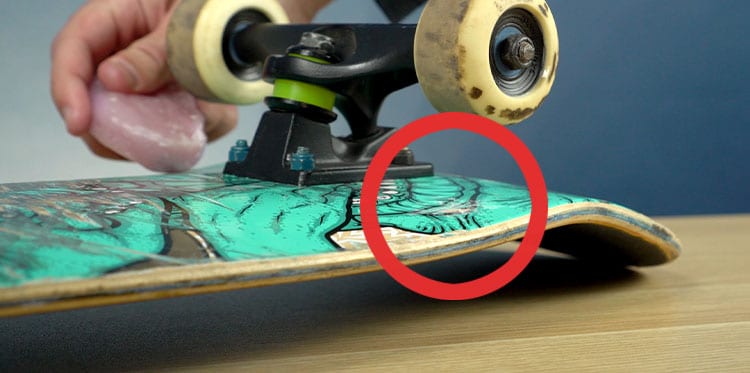
Wheelbite is what happens when a skateboard wheel touches the underside of the deck during a turn, landing, or sharp movement. When this contact occurs, the wheel stops spinning instantly. Because the rest of your board and your body are still moving, this sudden stop can throw you off balance or even send you flying forward.
This problem can surprise new skaters who don’t know what to expect. It’s more than just a minor annoyance—wheelbite can cause serious falls and even damage your skateboard. Knowing how it happens and how to prevent it is essential for both safety and confidence.
What Causes Wheelbite?
There isn’t just one cause for wheelbite. Several factors combine to create this problem, and knowing these can help you spot and fix it before it causes trouble.
1. Loose Or Soft Bushings
Bushings are the small rubbery rings inside your trucks that allow the board to turn. If bushings are too soft or your trucks are very loose, your board can turn more sharply. While this makes turning easier, it also brings your wheels closer to the deck—raising the risk of wheelbite.
2. Large Wheels
The bigger your skateboard wheels, the more likely they are to touch the deck during turns. Many street skateboards use 52–54mm wheels because they balance speed and safety. Going above 56mm without making other changes can be risky.
3. Low Or Medium Trucks
Truck height affects how close your wheels are to the deck. Low trucks are great for flip tricks, but they leave less space for the wheels. If you want bigger wheels, you’ll need higher trucks or other adjustments.
4. Soft Deck Wood Or Thin Decks
A thin or soft deck can flex downward under your weight, especially during jumps or tricks. This flexing brings the deck closer to the wheels, creating a perfect setup for wheelbite.
5. Hard Landings Or Sharp Turns
When you land hard after a jump, your weight presses the deck down toward the wheels. The same happens with quick, deep turns. Both situations make wheelbite more likely.
Signs You’re Experiencing Wheelbite
Wheelbite is easy to recognize once you know what to look for:
- Sudden, unexpected stops during turns or landings
- Scuff marks or circular wear above your wheels on the deck
- A loud squeaking or scraping sound during sharp turns
- Noticing your wheels don’t spin freely after a trick, especially when inspecting your board
If you see burn marks or small dents on the wood above the wheels, wheelbite is almost certainly the cause.
Why Wheelbite Matters
Some skaters think wheelbite is just an annoyance, but it’s actually a real safety risk. Sudden stops can throw you off the board, leading to scrapes, bruises, or even broken bones. For beginners, it’s not just about getting hurt—it can also destroy your confidence and make learning harder.
There’s another hidden risk: repeated wheelbite can damage your skateboard. The wheels rubbing against the wood can flatten the wheels or even start to dig into your deck, which means you’ll need to replace parts sooner.
How To Prevent Wheelbite
The good news is that wheelbite is not something you have to accept. With the right adjustments, you can almost completely eliminate it.
1. Tighten Your Trucks
If your trucks are too loose, you’ll turn sharply and increase the chance of wheelbite. Use a skate tool to tighten the kingpin nut—but don’t overtighten. The goal is to find a balance: tight enough to avoid wheelbite, but loose enough to turn comfortably.
2. Use Harder Or Thicker Bushings
Switching to harder bushings means your trucks won’t lean as much during turns. This reduces the chance of your wheels touching the deck. Many skaters overlook bushing hardness, but it’s a small change that can make a big difference.
3. Add Risers Or Shock Pads
Riser pads are small pieces of plastic or rubber that fit between your trucks and the deck. By increasing the space between your wheels and deck, risers can almost eliminate wheelbite—even if you use bigger wheels.
Here’s a quick comparison of riser pad thickness and their effect on wheelbite:
| Riser Pad Thickness | Wheel Size Supported | Wheelbite Risk |
|---|---|---|
| None (0mm) | Up to 54mm | High |
| 1/8″ (3mm) | Up to 56mm | Medium |
| 1/4″ (6mm) | Up to 58mm | Low |
| 1/2″ (12mm) | 60mm or more | Very Low |
Shock pads are similar but made of softer material. They also help absorb impacts, protecting your deck from cracks.
4. Choose The Right Wheel Size
Sticking with 52–54mm wheels will keep you safe if you’re using standard trucks and no risers. If you want to go bigger for cruising or downhill skating, always add risers or use high trucks.
5. Sand Or Cut Wheel Wells
Some decks come with wheel wells—small cutouts above where the wheels sit. These reduce the risk of wheelbite by giving the wheels extra room. If your deck doesn’t have them and you’re comfortable with DIY, you can gently sand or file the area to create your own.
6. Check Your Setup Regularly
Small changes—like switching wheels or changing bushings—can affect your board’s risk of wheelbite. Get in the habit of checking your setup, especially after making changes.
When Wheelbite Is Most Dangerous
Not all skating styles have the same risk. Knowing when wheelbite is most dangerous helps you prepare and adjust your setup.
Street Skating
If you’re jumping down stairs, doing flip tricks, or landing hard, wheelbite can happen during the landing or sharp turns. Even advanced skaters get caught off guard if they’re not careful.
Bowl And Transition Skating
Riding in bowls or ramps means deep turns at high speed. Wheelbite here can lead to serious falls, especially if your board isn’t dialed in for the extra force during turns.
Downhill Or Cruiser Boards
Larger wheels are common for speed and comfort, but they raise the risk of wheelbite. Downhill setups almost always use risers and wheel wells.

Credit: www.youtube.com
Common Mistakes Skaters Make
Even experienced riders sometimes miss basic steps that prevent wheelbite. Here are some mistakes to avoid:
- Ignoring Scuff Marks – If you see burn marks above your wheels, don’t wait for a fall to fix the problem.
- Over-tightening Trucks – Making trucks too tight can make your board hard to turn, and the risk of wheelbite might still exist if other parts are wrong.
- Using Large Wheels on Low Trucks – This combination is a recipe for wheelbite unless you add risers.
- Not Upgrading Bushings – Factory bushings are often too soft for adult riders.
- Skipping Regular Checks – Every setup change can affect wheelbite risk.
How To Test For Wheelbite
Before you head out, you can test for wheelbite right at home:
- Stand on your board and lean heavily to one side as if making a deep turn.
- If the wheels touch the deck, you’ll feel a solid “stop” or hear a rubbing sound.
- Check for marks above the wheels—these are warning signs.
You can also try this test after adjusting your trucks or adding risers. It’s a simple check that can save you from a painful fall.
How Pros Handle Wheelbite
Professional skaters rarely deal with wheelbite because they know how to set up their boards. You’ll often see them using:
- Risers when running bigger wheels
- Custom-shaped decks with deep wheel wells
- Harder bushings, especially for heavier riders
The key is that pros always adjust their setups for the type of skating they do. They don’t trust luck—they trust their equipment.
Real-world Example
Imagine you’re practicing ollies on a standard street setup with 54mm wheels and medium trucks. After landing a few tricks, you notice black marks on your deck above the wheels. You ignore them, thinking it’s normal wear. On your next session, you land slightly off-balance, your wheel bites the deck, and you’re thrown forward—scraping your elbows.
The marks were a warning sign. If you’d added 1/8″ risers or switched to slightly harder bushings, you’d probably have stayed upright.
Comparing Wheelbite Risks By Setup
Here’s a comparison to help you understand how different setups affect wheelbite risk:
| Setup | Wheel Size | Truck Height | Risers? | Wheelbite Risk |
|---|---|---|---|---|
| Street (Standard) | 52mm | Low | No | Medium |
| Cruiser | 60mm | High | Yes (1/4″) | Low |
| Bowl/Transition | 54mm | Medium | No | Medium |
| Downhill | 65mm | High | Yes (1/2″) | Very Low |
Notice that setups with bigger wheels almost always use risers or higher trucks to stay safe.
Two Advanced Insights Most Beginners Miss
- Bushings Age and Soften Over Time: Even if your setup was perfect when new, bushings get softer as you ride. This means a board that never had wheelbite can develop it months later—so check your bushings and replace them if needed.
- Wheel Shape Matters: Some wheels have a wider “contact patch” or sharper edges. These can increase wheelbite risk because they’re more likely to touch the deck. Choosing rounded wheels can reduce this risk, especially for technical street skating.
Credit: downhill254.com
Staying Safe And Enjoying The Ride
Dealing with wheelbite might sound like a hassle, but it’s a normal part of learning to set up your skateboard. Most solutions are cheap and easy—like adding risers or switching bushings. The key is not to ignore the warning signs.
Check your board regularly, especially after big tricks or changing parts. Fixing wheelbite early means you can skate with confidence and avoid painful surprises.
If you want to dive even deeper into skateboard setups and wheelbite science, the Wikipedia Skateboard page is a solid resource for technical details.
Frequently Asked Questions
What Are Wheel Wells And How Do They Help?
Wheel wells are curved cutouts on a skateboard deck, located above where the wheels sit. They give the wheels extra room during turns or landings, reducing the chance of wheelbite. Some decks come with wheel wells already, while others can be modified to add them.
Can You Use Risers On Any Skateboard?
Yes, you can add riser pads to almost any skateboard that uses standard trucks and hardware. They come in different thicknesses and are easy to install with a skate tool. Just remember, adding risers may require longer bolts to keep everything tight.
Does Wheelbite Only Happen With Big Wheels?
No—wheelbite can happen with any wheel size if your setup is wrong. Loose trucks, soft bushings, or a very flexible deck can cause wheelbite even with smaller wheels. But bigger wheels do increase the risk.
How Do I Know If My Bushings Are Too Soft?
If you notice your trucks turning very easily, or if you see the board leaning so much that the wheels get close to the deck, your bushings may be too soft. You can swap them for harder ones, which are sold in skate shops and online.
Is Wheelbite Dangerous For Beginners?
Yes, wheelbite is especially dangerous for beginners because you may not be ready for sudden stops or falls. It’s important to check your board for signs of wheelbite and make adjustments before you start practicing new tricks.
No matter your skill level, understanding and preventing wheelbite will keep you safer and help you progress faster in skateboarding. Stay curious, keep learning, and enjoy the ride!
Credit: concretewaves.com