
The world of skateboarding is a vibrant tapestry woven with diverse styles, disciplines, and philosophies. Among the most fundamental distinctions lies the divide between park skateboarding and street skateboarding. While both utilize a skateboard and share a common lineage, the environments, techniques, and even the mindset required for each are remarkably different. Understanding these differences is crucial for anyone looking to pick up a board, progress their skills, or simply appreciate the nuances of this dynamic sport.
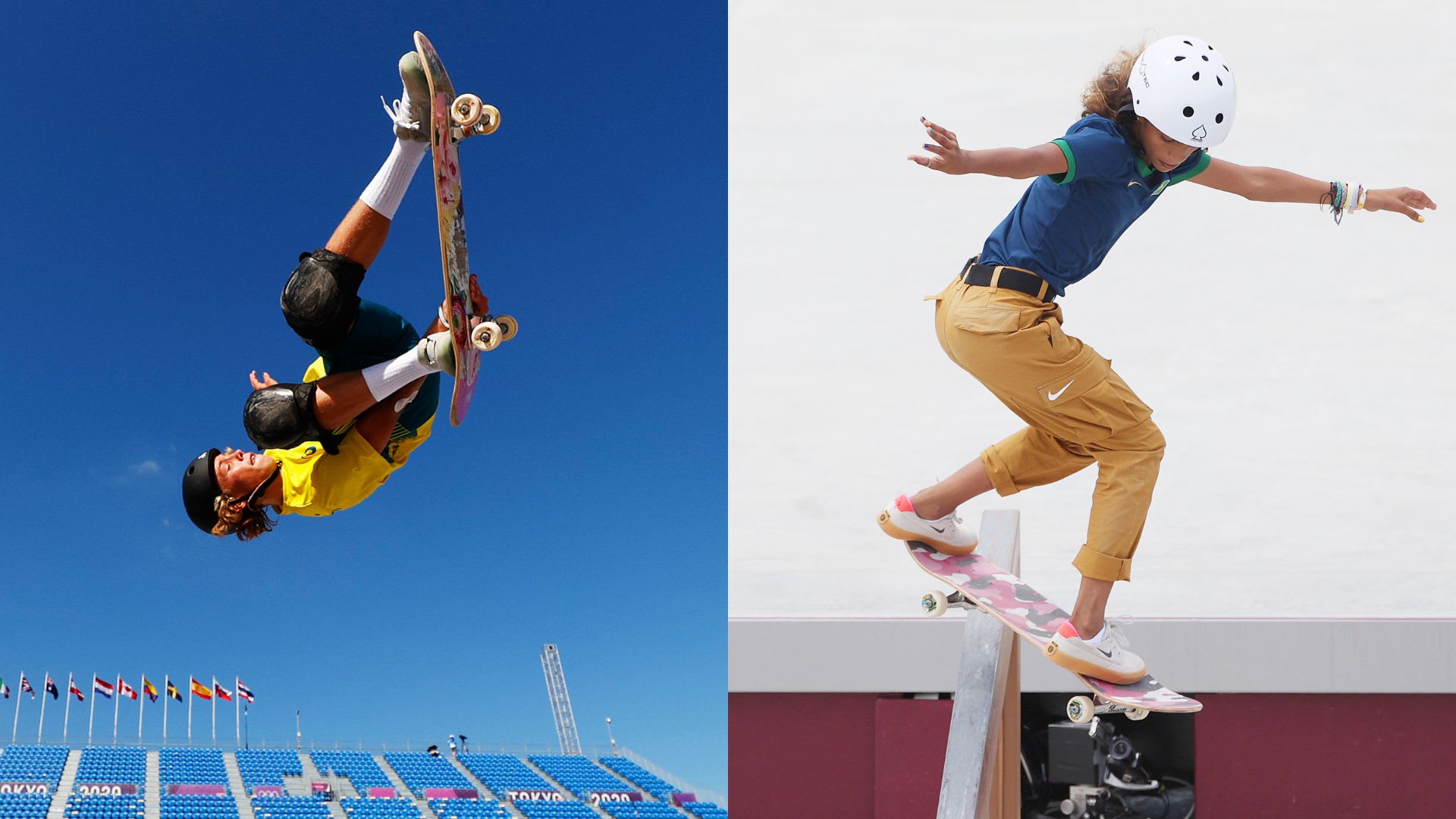
Park skateboarding primarily takes place in dedicated skateparks, purpose-built environments featuring concrete or wooden obstacles designed to mimic urban street elements but in a controlled setting. These parks often include bowls, ramps, rails, ledges, and stairs, offering a playground for aerial maneuvers and flow-based riding.
Street skateboarding, conversely, takes the urban landscape itself as its arena. Skaters seek out real-world obstacles like stairs, handrails, ledges, curbs, and gaps, adapting their tricks to the existing architecture. This fundamental difference in environment shapes everything from the equipment chosen to the tricks performed and the overall culture surrounding each discipline.
Key Takeaways
- Park skateboarding thrives in purpose-built skateparks with obstacles like bowls, ramps, and ledges, emphasizing flow and aerial maneuvers.
- Street skateboarding utilizes real-world urban architecture, stairs, handrails, ledges, and gaps, for its terrain.
- Equipment can vary, with park skaters sometimes favoring wider decks for stability and street skaters often opting for slightly smaller, more responsive boards.
- Trick selection differs significantly; park skating leans towards airs, grinds on coping, and transitions, while street skating focuses on flip tricks, grinds on ledges, and stair/gap maneuvers.
- Skatepark design aims to provide a versatile platform for various skating styles, often incorporating elements that can be used for both park and street.
- Street skating demands creativity in identifying and utilizing urban obstacles, fostering a unique problem-solving approach.
- Both disciplines offer significant physical and mental benefits, contributing to improved balance, coordination, resilience, and creativity.
- The culture surrounding each can differ, with park skating sometimes seen as more structured and street skating as more raw and improvisational, though there’s considerable overlap.

Credit: www.maxfind.com
The Environment: Concrete Jungles Vs. Purpose-built Havens
The most defining characteristic separating park and street skateboarding is their respective environments. Each offers a unique set of challenges and opportunities that shape the very nature of the skating experience.
Skateparks: The Architect’s Playground
Skateparks are meticulously designed spaces intended to facilitate skateboarding, often featuring a variety of obstacles. These can range from smooth, flowing bowls that mimic empty swimming pools (the birthplace of modern vertical skateboarding) to diverse ramps like quarter pipes, halfpipes, and launch ramps. Rails, ledges, and stairs are also common, but they are typically constructed with skateboarding in mind, meaning their edges are often smoother, and their dimensions are more predictable than their real-world counterparts. The surfaces are usually smooth concrete, allowing for consistent speed and predictable transitions.
The advantage of a skatepark is its controlled environment. You know the surfaces, the angles, and the obstacles. This allows skaters to focus on technical execution, fluidity, and pushing the boundaries of aerial tricks and transition skating. It’s a place where you can practice complex lines, link together multiple tricks, and develop a sense of rhythm and flow. Many parks are designed to cater to both street and transition skaters, incorporating elements like ledges and stairs alongside bowls and ramps, creating a hybrid experience.
The Urban Landscape: Real-world Challenges
Street skateboarding, as the name suggests, takes place on the streets and in urban environments. Skaters transform everyday city architecture into their skateable canvas. This involves seeking out and utilizing public spaces like plazas, stair sets, handrails, banks, ledges, and even curbs. The beauty of street skating lies in its improvisational nature and the creativity required to see potential in ordinary objects. A simple concrete ledge can become a grinding surface, a set of stairs can be a gap to ollie over, and a handrail can be a challenging slide.
The challenge of street skating is its inherent unpredictability. Surfaces can be rough, cracked, or wet. Obstacles may have unexpected angles, rough edges, or be situated in awkward locations. This requires a different kind of skill set, one that emphasizes adaptability, problem-solving, and a keen eye for spotting opportunities. Street skaters often develop a deep understanding of their surroundings and how to interact with them in unique ways. The risks can also be higher due to the uneven terrain and potential for unexpected encounters with pedestrians or security.
Credit: www.olympics.com
Equipment Considerations: Tailoring Your Ride
While the fundamental components of a skateboard remain the same, deck, trucks, wheels, bearings, there are subtle differences in preferences and setups that often emerge between park and street skaters, driven by the demands of their respective disciplines.
Deck Shape And Size
Deck size is a primary consideration. Street skaters often prefer slightly narrower decks, typically in the 8.0 to 8.25-inch range. This makes flip tricks, which are a cornerstone of street skating, easier to execute. A narrower board is lighter and allows for quicker foot movements to flick the board for spins. The concave (the curvature across the width of the deck) also plays a role, with many street skaters preferring a medium to steep concave for better board feel and control during flip tricks.
Park skaters, especially those focused on transition and bowls, often lean towards wider decks, ranging from 8.25 inches upwards, sometimes even 8.5 or 9 inches. Wider decks offer more stability and a larger landing platform, which is crucial when coming out of airs or landing on coping in bowls. A wider deck can feel more planted and secure, providing confidence during high-speed maneuvers and transitions. Some park skaters also prefer a more mellow concave, which can feel more comfortable for cruising and carving.
Wheel Selection
Wheel size and hardness also influence performance. Street skaters typically opt for smaller wheels (around 50-53mm in diameter) and harder durometer ratings (99a-101a). Smaller wheels accelerate faster and are lighter, making them ideal for flip tricks and quick pops. Harder wheels are essential for getting over rougher street terrain and for easier sliding on ledges and rails.
Park skaters might use slightly larger and softer wheels (54-58mm, 95a-99a). Larger wheels maintain speed better, especially in bowls and on large ramps, and can roll over cracks and debris more smoothly. Slightly softer wheels can offer a bit more grip, which is beneficial when carving transitions or landing on transitions with less chance of slipping out. However, many park skaters still prefer harder wheels for speed and the ability to slide.
Trucks And Bearings
Trucks are generally similar for both disciplines, with most skaters opting for standard kingpin trucks. The main consideration is matching the truck width to the deck width to ensure optimal stability and turning. Bearings are also largely universal, with most skaters prioritizing speed and durability.
However, some street skaters might opt for slightly more robust bearings that can withstand the harsher impacts of street skating.
The Art Of The Trick: Style And Substance
The tricks performed in park and street skateboarding are a direct reflection of their environments and equipment preferences. While many tricks can technically be performed in either setting, certain maneuvers are more characteristic of one discipline than the other.
Park Skating: Flow, Airs, And Transitions
Park skateboarding heavily emphasizes flow, the seamless linking of tricks and movements, and aerial maneuvers. In bowls and on ramps, skaters aim to generate speed and launch themselves into the air. Airs, tricks performed above the coping of a ramp or bowl, are a central element. This includes variations like ollie airs, tail grabs, nose grabs, and more complex rotations.
Transition skating involves riding up and down the curved surfaces of ramps and bowls. Tricks in this domain include:
- Carving: Smooth, flowing turns that generate speed and momentum.
- Grinds and Slides: While also present in street skating, park grinds are often performed on the metal coping that caps the edge of ramps and bowls. Examples include 50-50 grinds, 5-0 grinds, and boardslides on coping.
- Lip Tricks: Tricks performed on the edge or “lip” of a ramp, such as rock to fakie or tail stalls.
- Inverts: Tricks where the skater balances on their trucks on top of the coping, like handstands or handplants.
The focus in park skating is often on amplitude (how high you go), style (how you look doing it), and consistency. The goal is to perform tricks with confidence and grace, often in long, continuous lines.
Street Skating: Technicality, Obstacles, And Creativity
Street skateboarding is defined by its technicality and the creative use of urban obstacles. Flip tricks are the bread and butter of street skating, requiring precise footwork and board control.
Key street skateboarding tricks include:
- Ollie: The fundamental trick, allowing skaters to jump with their board.
- Flip Tricks: Variations of the ollie where the board is flipped along its longitudinal or lateral axis. Popular examples include the kickflip (board flips along its length) and the heelflip (board flips in the opposite direction).
- Grinds and Slides: These are performed on ledges, rails, and curbs.
- Grinds: Balancing on the truck’s axle on the edge of an obstacle (e.g., 50-50 grind on a ledge, crooked grind).
- Slides: Sliding the board’s deck along the surface of an obstacle (e.g., boardslide on a rail, lipslide).
- Stair and Gap Tricks: Jumping down or across obstacles like stairs and gaps, often combined with flip tricks (e.g., kickflip down a set of stairs).
- Manuals: Balancing on the back wheels (manual) or front wheels (nose manual) while rolling.
Street skating often involves a problem-solving approach. Skaters look at an obstacle and figure out how to perform a trick on or over it. This can lead to highly unique and innovative maneuvers tailored to specific environments. The emphasis is on execution, difficulty, and the style with which challenging obstacles are conquered.

Credit: www.youtube.com
The Culture And Community
While both park and street skateboarding share a common root, their cultural expressions can sometimes diverge, reflecting their distinct environments and priorities. However, it’s crucial to note that these are not rigid boundaries, and there’s significant overlap and mutual respect between the two.
Park Culture: Structure And Progression
Skateparks often foster a culture of shared progression. Skaters observe each other, learn new tricks, and push each other to improve. There’s a sense of community built around the shared space and the common goal of mastering the park’s features. Many skateparks have a more structured feel, with skaters often waiting their turn to ride a particular obstacle or line. This can create a more collaborative learning environment, especially for beginners learning to skateboard.
The culture can sometimes be perceived as more focused on technical skill and amplitude. Competitions often take place in skateparks, further emphasizing structured performance and scoring based on trick difficulty and execution. This environment can be very encouraging for skaters who thrive on structured learning and visible progress. It’s also a place where younger skaters can learn from older, more experienced riders in a relatively safe and contained setting.
Street Culture: Rawness And Individuality
Street skateboarding is often associated with a more raw, independent, and improvisational culture. The city itself becomes the studio, and skaters are constantly exploring new spots and pushing boundaries. The emphasis is on individuality, creativity, and authenticity. Street skating is less about structured competition and more about personal expression and the pursuit of challenging, often unskated, spots.
The culture celebrates resilience and perseverance. Facing rejection from spot owners, dealing with security, and overcoming difficult tricks requires a strong mental fortitude. The “do it yourself” (DIY) ethos is strong, with skaters often documenting their own experiences through video parts and photography. This has led to a rich tradition of skate videos that showcase the creativity and danger of street skating. The inherent unpredictability of street skating fosters a sense of adventure and a constant search for the next challenge. The skateboarding culture is deeply rooted in this spirit of exploration.
Benefits Of Each Discipline
Both park and street skateboarding offer a wealth of physical and mental benefits, contributing to overall well-being and personal development. While the specific applications might differ, the core advantages are often shared.
Physical Advantages
- Improved Balance and Coordination: Both disciplines demand exceptional balance and coordination. Navigating complex terrains, landing tricks, and maintaining control over a moving board significantly enhance these skills.
- Cardiovascular Health: Skating is a great form of exercise. The constant movement, pushing, and trick execution elevate the heart rate, providing a solid cardiovascular workout.
- Strength and Endurance: Leg strength is crucial for popping ollies and absorbing impacts. Core strength is vital for stability and control. Endurance builds up over time with consistent practice.
- Proprioception: Skateboarding enhances proprioception, the body’s awareness of its position in space. This is critical for reacting to the board’s movements and maintaining balance.
- Bone Density: Weight-bearing activities like skateboarding can help increase bone density, reducing the risk of osteoporosis later in life.
Mental Advantages
- Resilience and Perseverance: Falling is an inherent part of skateboarding. Learning to get back up after a slam, analyze what went wrong, and try again builds immense resilience and determination. This is particularly evident in street skating where obstacles can be daunting.
- Problem-Solving Skills: Especially in street skating, skaters constantly face challenges and must figure out how to overcome them. This fosters creative thinking and problem-solving abilities.
- Focus and Concentration: Executing tricks requires intense focus. Skaters learn to block out distractions and concentrate on the task at hand.
- Creativity and Self-Expression: Both disciplines allow for unique forms of self-expression. Whether it’s a stylish line in a park or a creative new trick on a street spot, skateboarding is an art form. As explored in why skateboarding is good for mental health, these aspects are profoundly beneficial.
- Stress Relief: The physical exertion and mental focus involved in skateboarding can be a powerful outlet for stress and anxiety.
Choosing Your Path: Which Is Right For You?
Deciding between focusing on park or street skateboarding often comes down to personal preference, access to facilities, and the type of challenges you find most appealing.
For The Transitioner: Embracing The Flow
If you enjoy the feeling of smooth, continuous movement, are fascinated by aerial maneuvers, and appreciate purpose-built environments, then park skateboarding might be your calling. You’ll likely find satisfaction in:
- Learning to carve bowls and ride transitions with speed and grace.
- Mastering airs and developing stylish grabs.
- Linking tricks together in long, flowing lines.
- Utilizing the diverse obstacles found in skateparks.
Access to a good skatepark is essential for this path. Many beginners find skateparks to be a more approachable starting point due to the predictable surfaces and the presence of other skaters to learn from. You can learn the basics of easy skateboard tricks in a park setting and gradually build up to more complex maneuvers.
For The Urban Explorer: Conquering The Concrete
If you are drawn to the challenge of real-world obstacles, enjoy technical flip tricks, and have a creative mindset for finding skateable features in your surroundings, then street skateboarding will likely resonate more with you. You might find yourself drawn to:
- Learning and perfecting flip tricks like kickflips and heelflips.
- Grinding and sliding on ledges, rails, and curbs.
- Conquering stair sets and gaps.
- Exploring your city for unique spots.
Street skating requires a different kind of adaptability. You’ll need to be comfortable with varied terrain and potentially less-than-ideal conditions. It’s a path that emphasizes individuality and resourcefulness. Learning to skateboard as an adult often involves navigating these initial choices, and many find that starting with the basics in a park can build confidence before venturing into street spots.
The Hybrid Approach
It’s important to remember that these disciplines are not mutually exclusive. Many of the best skateboarders excel in both park and street skating, demonstrating a well-rounded skill set. You might start by learning the fundamentals in a park and then gradually incorporate street tricks into your repertoire, or vice versa.
The skills learned in one discipline often translate to the other. For example, the board control developed through street flip tricks can aid in performing more technical airs in a park, and the balance and flow from park skating can improve consistency on street obstacles.
A Look At Key Equipment Differences
To further illustrate the distinctions, consider a comparative look at typical setups.
| Feature | Park Skater (Typical Preference) | Street Skater (Typical Preference) |
|---|---|---|
| Deck Width | 8.25″ – 9.0″+ (wider for stability) | 8.0″ – 8.25″ (narrower for flip tricks) |
| Deck Concave | Mellow to Medium (for comfort and stability) | Medium to Steep (for board feel and flicking) |
| Wheel Diameter | 54mm – 58mm+ (for maintaining speed) | 50mm – 53mm (for faster acceleration) |
| Wheel Hardness | 95a – 99a (slightly softer for grip, or harder for speed) | 99a – 101a (harder for speed and sliding over rough terrain) |
| Trucks | Standard Kingpin, width matched to deck | Standard Kingpin, width matched to deck |
| Bearings | ABEC 5 or 7 (prioritizing speed and durability) | ABEC 5 or 7 (prioritizing speed and durability, sometimes more robust) |
| Grip Tape | Standard | Standard |
This table highlights general trends, but individual preferences can vary greatly. For instance, a street skater might choose a wider deck for more stability on grinds, or a park skater might opt for harder wheels for a faster slide on coping.
Understanding these options is key when considering how to choose a skateboard deck that suits your intended style.
The Future Of Skateboarding: Convergence And Innovation
The lines between park and street skateboarding continue to blur. Modern skatepark designs often incorporate street-like elements, such as ledges, stairs, and rails, allowing skaters to practice both styles in one location. This has led to a generation of skaters who are adept at both disciplines.
For example, a skater might learn to ollie down a park’s small set of stairs and then take that skill to a larger, more challenging set in the city.
Furthermore, the advent of new technologies and materials, such as advanced composite decks and improved bearing lubrication, benefits all forms of skateboarding. Even the evolution of skateboard deck rails has provided new possibilities for grinding and sliding on different types of obstacles. The continuous innovation in skateboard manufacturers ensures that skaters have access to high-quality equipment that can withstand the demands of both park and street.
Ultimately, whether you’re drawn to the sculpted perfection of a skatepark or the raw challenge of the urban environment, skateboarding offers a unique and rewarding experience. The choice between park and street is less about choosing one over the other and more about discovering which environment best fuels your passion for riding.
Both paths lead to a deeper connection with the board, the community, and yourself.
Frequently Asked Questions
What Are The Main Differences In Tricks Between Park And Street Skateboarding?
Park skateboarding typically emphasizes aerial tricks out of ramps and bowls, grinds and slides on coping, and flowing transitions. Street skateboarding focuses heavily on flip tricks, grinds and slides on ledges and rails, and tricks performed over or down stairs and gaps.
Is One Style Of Skateboarding “harder” Than The Other?
Both styles present unique challenges. Street skateboarding often requires more technical precision and adaptability to unpredictable environments, while park skateboarding can demand greater aerial control, speed generation, and endurance for complex lines. Neither is definitively “harder”; they simply require different skill sets and approaches.
Can I Learn Both Park And Street Skateboarding?
Absolutely. Many skateboarders enjoy and excel at both disciplines. The skills learned in one often complement the other. For example, the balance and board control developed from street skating can improve aerial consistency in a park.
Why does a trick feel easier at a skatepark than on the street?
The surface and obstacle are usually more predictable at a skatepark. On the street, approach speed, pavement quality, obstacle dimensions and surrounding space can all change the timing of a trick. A movement that feels consistent in a park may therefore need adjustment when taken to an actual street spot.
Is it worth learning transition skating if I mainly enjoy street tricks?
It can be. Transition skating develops balance, speed control, carving and confidence on a moving board. Those skills can complement street skating even if bowls and ramps never become your main focus.
Finding Your Own Style
Park and street skateboarding may look like two separate branches of the same sport, but the boundary between them is much more flexible once you actually start riding.
If smooth transitions, speed and aerial movement keep your attention, park skating gives you plenty to explore. If you enjoy technical footwork, urban obstacles and the challenge of figuring out what can be done with an unusual feature, street skating offers a very different kind of satisfaction.
And there is nothing wrong with enjoying both.
The most useful setup is usually the one that matches where you actually skate and what you want to practice next. Start with the fundamentals, spend time on the board, experiment with different environments, and let your preferences develop through riding rather than trying to decide everything before you begin.
That is often where skateboarding becomes interesting: the board stays familiar, but the possibilities change with every new place you take it.