What Size Wheels for Hoverboard
The world of personal electric transportation is rapidly expanding, with hoverboards, or self-balancing scooters, leading the charge for many. These futuristic-looking devices offer a unique and exhilarating way to get around, whether for recreation, commuting short distances, or simply having fun.
As you explore the market for a hoverboard, one of the most crucial specifications you’ll encounter is the wheel size. It might seem like a minor detail, but the diameter of a hoverboard’s wheels significantly impacts its performance, ride quality, and suitability for different terrains.
Choosing the right wheel size is paramount to ensuring you get the most out of your hoverboard experience. Too small, and you might find yourself struggling with bumps and uneven surfaces. Too large, and the maneuverability could be compromised. This guide will break down the various hoverboard wheel sizes available, explore their pros and cons, and help you determine which size is the perfect fit for your needs and riding style.
Understanding these differences is key to making an informed purchase and enjoying a smooth, safe, and enjoyable ride.
Key Takeaways
- Wheel size is a primary factor determining a hoverboard’s performance and suitability for different terrains.
- Smaller wheels (4.5-6 inches) are best for smooth, indoor surfaces and younger riders due to their agility and lower profile.
- Medium wheels (6.5 inches) are the most common, offering a good balance of maneuverability and ability to handle minor imperfections.
- Larger wheels (8-10 inches) excel on rougher outdoor surfaces like grass, gravel, and dirt, providing a smoother ride and better stability.
- Off-road hoverboards typically feature the largest wheels, often with pneumatic tires, for maximum terrain capability.
- Consider your intended riding environment and user’s age/weight when selecting a wheel size.
Understanding Hoverboard Wheel Sizes
Hoverboard wheel sizes are measured by their diameter, typically ranging from 4. 5 inches to 10 inches. This measurement dictates how the hoverboard interacts with the ground and influences several key performance aspects. The material of the wheel also plays a role, with most standard hoverboards featuring solid rubber or plastic wheels, while larger, off-road models often use inflatable, pneumatic tires.
The diameter of the wheel affects how easily it can roll over obstacles. Larger wheels have a greater circumference, allowing them to climb over small bumps, cracks, and uneven surfaces with less resistance compared to smaller wheels. Think of it like a bicycle: a larger wheel will roll over a pebble more easily than a smaller one. This increased ability to overcome obstacles translates directly to a smoother and more stable ride, especially when venturing beyond perfectly paved surfaces.
Furthermore, wheel size influences the hoverboard’s overall profile and center of gravity. Smaller wheels result in a lower profile, which can make the hoverboard feel more nimble and responsive for experienced riders, particularly in controlled indoor environments. However, this lower profile also means less ground clearance, making it more susceptible to getting stuck on larger obstacles or uneven terrain.
Larger wheels generally raise the hoverboard’s platform, providing more ground clearance and contributing to a more stable ride by offering a wider base of support.
Common Hoverboard Wheel Diameter Categories
To help demystify the options, hoverboard wheel sizes can generally be categorized into three main groups:
- Small Wheels (4.5 to 6 inches): These are typically found on entry-level or children’s hoverboards. Their compact size makes them highly maneuverable, ideal for smooth, flat surfaces like indoor floors or polished concrete. They are lightweight and often have a lower price point, making them an attractive option for beginners or younger riders who won’t be tackling challenging terrain.
- Medium Wheels (6.5 inches): This is arguably the most popular and widely available wheel size for hoverboards. The 6.5-inch wheels strike an excellent balance between the agility of smaller wheels and the terrain-handling capabilities of larger ones. They offer decent maneuverability for indoor use while being capable enough to handle minor outdoor imperfections like small cracks, pebbles, and slightly uneven pavement. Most standard hoverboards come with 6.5-inch wheels.
- Large Wheels (8 to 10 inches): These larger wheels are designed for superior performance on varied outdoor surfaces. The increased diameter allows them to roll over obstacles like grass, gravel, dirt paths, and even small twigs with greater ease. Hoverboards with 8-inch or 10-inch wheels tend to offer a smoother, more stable ride in less-than-ideal conditions. They often come with more robust frames and powerful motors to complement their off-road capabilities.
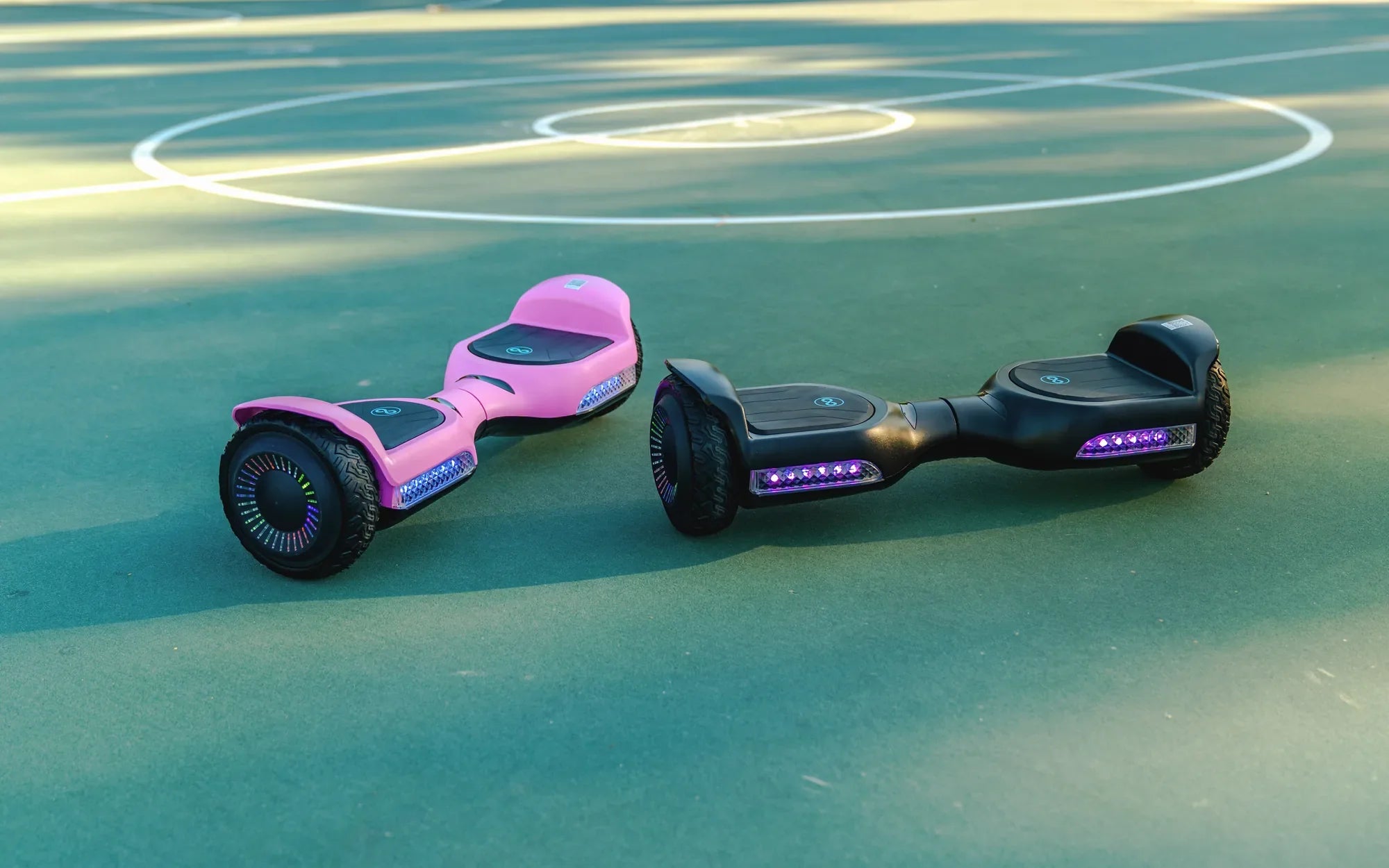
Credit: gyroorboard.com
The Impact Of Wheel Size On Ride Quality And Performance
The diameter of a hoverboard’s wheels is not just a number; it’s a fundamental determinant of how your ride will feel and perform. Each size category offers distinct advantages and disadvantages that cater to different user preferences and environments. Understanding these nuances is crucial for selecting a hoverboard that aligns with your expectations.
Smoothness And Stability
Larger wheels generally provide a smoother ride, especially over rough surfaces. Their increased diameter allows them to absorb impacts from bumps, cracks, and uneven ground more effectively. This is because the larger wheel can “climb” over an obstacle with less of a jolt compared to a smaller wheel, which might get caught or cause the rider to feel a significant bump.
For instance, an 8-inch or 10-inch wheel will navigate a patch of gravel or a slightly uneven sidewalk with far more grace than a 6. 5-inch wheel. This enhanced smoothness contributes to a more comfortable and less jarring experience, particularly on longer rides or when traversing less-than-perfect pavement.
Stability is also closely tied to wheel size. Larger wheels, particularly those with a wider profile, can offer a more stable platform. This is partly due to the increased ground clearance, which can make the hoverboard feel less tippy. Additionally, the larger contact patch that a bigger wheel makes with the ground can provide better traction and a more planted feel, especially at higher speeds or when making turns.
This increased stability is a significant advantage for riders who prioritize a secure and confident ride, especially when venturing outdoors.
Maneuverability And Agility
Conversely, smaller wheels tend to offer superior maneuverability and agility. Their smaller circumference means they can change direction more quickly and respond more nimbly to rider input. This makes them ideal for navigating tight spaces, performing quick turns, and generally feeling more responsive.
For riders who primarily intend to use their hoverboard indoors, in a warehouse, or on a smooth, open plaza, the agility of smaller wheels can be a significant advantage. They allow for precise control and a more dynamic riding experience.
However, this agility comes at the cost of stability and comfort on rough terrain. Smaller wheels can easily get stuck on pebbles, twigs, or cracks, leading to sudden stops, jolts, or even falls. They require a smoother surface to perform optimally.
While a 6. 5-inch wheel offers a good compromise, it still won’t handle off-road conditions as well as larger counterparts.
Terrain Capability
The most significant differentiator between wheel sizes is their capability on different terrains.
- Indoor/Smooth Paved Surfaces: 4.5-inch to 6.5-inch wheels are perfectly adequate, with 6.5-inch wheels offering a slight advantage in handling minor imperfections.
- Slightly Uneven Paved Surfaces/Short Grass: 6.5-inch wheels can manage, but 8-inch wheels will provide a noticeably smoother experience.
- Rough Outdoor Terrain (Gravel, Dirt, Uneven Grass): 8-inch and 10-inch wheels are essential. These larger wheels, often paired with pneumatic (air-filled) tires, are designed specifically to tackle these conditions, offering better shock absorption and traction.
A common example is the difference between riding on a smooth gymnasium floor versus a park path. On the gym floor, a 6. 5-inch wheel will feel quick and responsive. However, on the park path, with its occasional pebbles, roots, and patches of uneven dirt, an 8-inch or 10-inch wheel will glide over these obstacles, providing a much more pleasant and less interrupted ride.
Weight And Portability
Wheel size also correlates with the overall weight and portability of a hoverboard. Larger wheels and the often more robust construction required to support them mean that hoverboards with 8-inch or 10-inch wheels tend to be heavier than their smaller-wheeled counterparts.
This can impact how easy they are to carry when not in use, such as when taking them up stairs or putting them into a car. While most hoverboards are designed to be portable, the difference in weight can be noticeable between a 6.
5-inch model and a 10-inch off-road model.

Credit: www.hoverboard-pro.co.uk
Comparing Hoverboard Wheel Sizes: A Detailed Look
To provide a clearer picture, let’s break down the typical characteristics associated with each common hoverboard wheel size. This comparison will highlight the trade-offs involved and help you pinpoint the best option for your specific needs.
4.5-inch Wheels
- Description: These are the smallest wheels you’ll find on a hoverboard. They are typically solid, non-pneumatic, and integrated directly into the hoverboard’s frame, offering a very low profile.
- Best For: Very young children, indoor use on perfectly smooth surfaces, and budget-conscious buyers looking for the most basic model.
- Pros:
- Highly agile and responsive in tight spaces.
- Lightweight and often the most affordable option.
- Lower center of gravity can feel more connected to the ground for some riders.
- Cons:
- Extremely sensitive to any surface imperfections; even small cracks can cause significant jolts.
- Very limited terrain capability; unsuitable for outdoor use on anything but the smoothest pavement.
- Less shock absorption, leading to a less comfortable ride.
- May have lower weight limits.
- Rider Experience: Best suited for learning basic balancing indoors. The ride can be bumpy and jarring if any unevenness is present.
6.5-inch Wheels
- Description: This is the most common wheel size, found on the majority of standard hoverboards. They are typically solid rubber or a composite material and offer a good compromise between size and performance.
- Best For: General recreational use, commuting on smooth to moderately uneven paved surfaces, indoor and outdoor riding.
- Pros:
- Good balance of maneuverability and stability.
- Can handle minor bumps and cracks on sidewalks and pavement.
- Widely available and come in a vast array of models and price points.
- Relatively lightweight and portable.
- Cons:
- Can still struggle with larger obstacles, gravel, or significant cracks.
- Ride quality degrades noticeably on rougher terrain.
- Less shock absorption compared to larger, pneumatic tires.
- Rider Experience: Offers a versatile experience. It’s nimble enough for indoor fun and capable enough for a casual ride to the local park on paved paths. You’ll feel most of the bumps from uneven pavement.
8-inch Wheels
- Description: These larger wheels provide a more substantial ride. They often feature a slightly wider profile and may come with pneumatic (air-filled) tires, though solid versions also exist.
- Best For: Riders who frequently use their hoverboard outdoors on varied surfaces, including grass, gravel, and uneven pavement.
- Pros:
- Significantly smoother ride over rough terrain due to better shock absorption.
- Can easily roll over small obstacles like pebbles and twigs.
- Increased stability and ground clearance.
- Pneumatic tires offer superior comfort and grip.
- Cons:
- Less agile and maneuverable than smaller wheels, especially in tight spaces.
- Can be heavier and slightly less portable.
- Pneumatic tires require maintenance (checking air pressure, potential for punctures).
- May have a slightly higher price point.
- Rider Experience: A noticeable upgrade in comfort for outdoor riding. You can confidently traverse park paths, dirt trails, and slightly bumpy sidewalks without feeling every imperfection.
10-inch Wheels (often “all-terrain” Or “off-road”)
- Description: These are the largest wheels commonly found on hoverboards. They are almost exclusively pneumatic (air-filled) and designed with a rugged tread for maximum grip and stability on challenging surfaces.
- Best For: Serious off-road use, riding on grass, dirt, gravel, sand, and mixed terrain. Riders who prioritize comfort and capability over extreme agility.
- Pros:
- Exceptional performance on virtually any outdoor surface.
- Superior shock absorption and comfort, akin to riding on a small ATV.
- Excellent stability and traction.
- Can handle larger obstacles and uneven ground with ease.
- Cons:
- Significantly less maneuverable; not ideal for indoor use or tight spaces.
- Heavier and bulkier, making them less portable.
- Pneumatic tires require regular maintenance and are susceptible to punctures.
- Typically among the most expensive hoverboard options.
- Rider Experience: Transforms the hoverboard into a capable all-terrain vehicle. You can explore trails, ride on the beach (with caution), and tackle surfaces that would be impossible for smaller-wheeled models. The ride is plush and stable.
Hoverboard Wheel Size Comparison Table
Here’s a table summarizing the key differences:
| Wheel Size | Typical Tire Type | Best Terrain | Maneuverability | Ride Comfort (Rough Terrain) | Stability | Portability | Price Range |
|---|---|---|---|---|---|---|---|
| 4.5 inches | Solid | Indoor, smooth floors | Very High | Very Low | Low | Very High | $ (Lowest) |
| 6.5 inches | Solid | Indoor, smooth pavement | High | Medium | Medium | High | $$ (Mid-Low) |
| 8 inches | Solid or Pneumatic | Pavement, light gravel, short grass | Medium | High | High | Medium | $$$ (Mid-High) |
| 10 inches | Pneumatic | All-terrain (grass, dirt, gravel, sand) | Low | Very High | Very High | Low | $$$$ (Highest) |

Credit: gyroorboard.com
Factors To Consider When Choosing Wheel Size
Selecting the right hoverboard wheel size involves more than just picking the largest or smallest option. You need to align the wheel size with your personal needs, riding habits, and the environment in which you’ll primarily be using the device.
Intended Riding Environment
This is arguably the most critical factor.
- Primarily Indoors: If your hoverboard will spend most of its time gliding across smooth tile, laminate, or hardwood floors in your home, a smaller wheel size (4.5 to 6.5 inches) will suffice and offer excellent agility. A 6.5-inch wheel provides a good balance, allowing for easy maneuvering around furniture.
- Urban Commuting/Paved Paths: For riding on sidewalks, bike lanes, and paved park trails, the 6.5-inch wheel is often the sweet spot. It can handle minor cracks and uneven pavement without too much discomfort. If your commute involves slightly rougher patches or you simply want a smoother ride, consider an 8-inch wheel.
- Off-Road Adventures: If you plan to ride on grass, dirt trails, gravel paths, or uneven terrain, 8-inch or 10-inch wheels are non-negotiable. The larger diameter and often pneumatic tires are essential for navigating these surfaces comfortably and safely. A 10-inch wheel is the clear choice for true off-road capability.
Rider’s Age And Weight
Wheel size can also be influenced by the rider’s physical characteristics.
- Children: Smaller riders, particularly children, often benefit from smaller hoverboards with 4.5-inch or 6.5-inch wheels. These models are typically lighter, have lower weight limits, and are easier for smaller individuals to control. The lower profile of smaller wheels can also make it easier for children to step on and off. It’s crucial to match the hoverboard’s weight capacity to the rider’s weight for optimal performance and safety. For instance, a child weighing 50 lbs might find a hoverboard designed for riders up to 150 lbs with 6.5-inch wheels to be a good fit.
- Adults: Adult riders have more flexibility. While adults can certainly use 6.5-inch models for indoor fun or smooth commutes, those seeking more comfort or planning to ride outdoors will likely prefer 8-inch or 10-inch wheels. These larger wheels can better support higher weight capacities and provide a more comfortable ride over longer distances or varied terrain. A heavier rider might find that larger wheels offer a more stable and less strained experience.
Desired Ride Experience
What Kind Of Ride Are You Looking For?
- Agility and Quick Turns: If you enjoy quick, responsive movements and plan to use the hoverboard in open, smooth areas where you can practice maneuvers, smaller wheels (6.5 inches) might be appealing.
- Comfort and Smoothness: If your priority is a plush, comfortable ride that minimizes jarring impacts from the ground, larger wheels (8 to 10 inches), especially with pneumatic tires, are the way to go. This is akin to the difference between riding a road bike versus a mountain bike.
- All-Around Versatility: For a balance of indoor and outdoor capability, the 6.5-inch wheel is the most versatile. However, if “outdoor” means more than just smooth pavement, stepping up to an 8-inch wheel offers a significant improvement in versatility without sacrificing too much agility.
Tire Type: Solid Vs. Pneumatic
While not strictly a “size” factor, the tire type is intimately linked to wheel size and significantly impacts the ride.
- Solid Tires: Found on most 4.5-inch and 6.5-inch wheels, and some 8-inch models. They are maintenance-free, no flats to worry about. However, they offer minimal shock absorption, meaning you feel every bump in the road.
- Pneumatic Tires: Air-filled tires, commonly found on 8-inch and 10-inch wheels. They act as natural suspension, absorbing shocks and providing a much smoother, more comfortable ride. They offer better grip and traction. The downside is they require maintenance (checking air pressure) and are susceptible to punctures, though modern tire technology has improved durability.
Pro Tip: If you’re considering an 8-inch hoverboard, strongly lean towards a model with pneumatic tires for the best balance of terrain capability and comfort.
Hoverboard Wheel Size And Safety
The size of your hoverboard’s wheels plays an indirect but important role in safety. The ability of the wheels to handle the terrain you’re riding on directly impacts your stability and control, which are fundamental to safe operation.
Navigating Obstacles
As discussed, larger wheels are better at overcoming obstacles. When a smaller wheel encounters a significant crack or a stray rock, it can stop abruptly, potentially throwing the rider off balance. This is particularly dangerous at higher speeds or for inexperienced riders.
An 8-inch or 10-inch wheel, with its greater ability to roll over such impediments, can prevent sudden stops and maintain forward momentum, contributing to a more stable and predictable ride. This is crucial when riding in environments where unexpected obstacles are common, like parks or sidewalks with varied conditions.
Traction And Grip
Larger wheels, especially those with pneumatic tires and aggressive treads (common on 10-inch off-road models), generally offer superior traction. Better grip means less chance of slipping, especially on surfaces like wet pavement, loose gravel, or damp grass. When a hoverboard has good traction, the motors can apply power more effectively without the wheels spinning uselessly, leading to better acceleration and control during turns.
This enhanced grip is a significant safety feature, particularly in less-than-ideal weather or surface conditions.
Stability At Speed
Larger wheels contribute to a higher overall stance for the hoverboard, which can increase its stability, especially at moderate to higher speeds. While hoverboards are not designed for extreme speeds, maintaining stability during movement is key. A larger wheel base, partly influenced by wheel size, can make the device feel less prone to wobbling or tipping, giving the rider more confidence.
Weight Considerations
Hoverboards with larger wheels tend to be heavier. While this might seem like a drawback for portability, a bit of extra weight can sometimes contribute to a more grounded feel and enhanced stability. However, it’s essential that the hoverboard’s motor power is sufficient to handle the larger wheels and rider’s weight effectively.
An underpowered hoverboard struggling with large wheels could lead to jerky movements or reduced performance, impacting safety. Always ensure the hoverboard’s specifications match the rider’s weight for optimal and safe operation.
Real-world Examples And Use Cases
To illustrate how wheel size dictates usability, let’s look at a few common scenarios:
Scenario 1: The Indoor Enthusiast
**