
The world of skateboarding is a vibrant ecosystem, fueled by innovation, culture, and a healthy dose of competition. From the gritty streets to the polished ramps of professional competitions, skateboards are more than just pieces of wood and metal; they are tools of expression, instruments of sport, and symbols of a rebellious spirit.
Within this dynamic industry, several brands have risen to prominence, carving out significant market share and influencing trends. But when the question arises, “What is the biggest skateboard brand?”, the answer isn’t as simple as pointing to a single name. The term “biggest” can be interpreted in various ways: by revenue, by market share, by brand recognition, by historical impact, or by the sheer volume of products distributed. Each metric might yield a different leader. However, when considering a holistic view that encompasses brand legacy, product diversity, global reach, and cultural influence, a few key players consistently emerge at the forefront. These brands have not only survived but thrived by consistently delivering quality products, fostering skateboarding communities, and adapting to the evolving landscape of the sport.
Key Takeaways
-
- Subjectivity of “Biggest”: The term “biggest” is subjective, depending on metrics like revenue, market share, brand recognition, and cultural impact.
- Leading Brands: Several brands are consistently recognized for their significant influence and market presence, including Powell Peralta, Santa Cruz, Element, and Plan B.
- Industry Forces: Market research frequently places Element among the leading brands, while parent companies and distribution groups such as NHS, Skate One, Deluxe Distribution, Crailtap, and Bakerboys are major industry forces behind the scenes.
- Success Factors: Brand legacy, product innovation, global distribution, and community engagement are crucial factors in determining a brand’s size and influence.
- Dynamic Industry: The skateboarding industry is dynamic, with brands needing to adapt to new trends, technologies, and consumer preferences to maintain their standing.
- Historical Insight: Understanding the history and ethos of these major brands provides insight into the evolution and current state of skateboarding culture.
Defining “biggest” In The Skateboard Industry
Before diving into specific brands, it’s essential to clarify what “biggest” means in the context of the skateboarding industry. Several factors contribute to a brand’s perceived size and influence.
Market Share And Revenue
This is the most straightforward metric. Brands with the highest sales volume and revenue are undeniably large players. This often correlates with extensive distribution networks, strong retail partnerships, and effective marketing campaigns. Companies that produce a wide range of products, from complete skateboards to individual components like decks, trucks, wheels, and bearings, often have a higher revenue potential. Recent industry reports frequently place Element among the leading skateboard brands, while larger distribution ecosystems such as NHS, Skate One, Deluxe Distribution, Crailtap, and Bakerboys are also significant competitive forces in the broader market.
Brand Recognition And Awareness
Beyond sales, brand recognition is a powerful indicator of size. A brand that is widely known and respected within the skateboarding community, even by those who don’t actively purchase their products, has significant influence. This recognition is often built over decades through consistent quality, iconic imagery, and association with legendary skaters.
Cultural Impact And Legacy
Skateboarding is deeply intertwined with culture. Brands that have shaped skateboarding’s aesthetic, influenced its language, or championed its counter-cultural roots have a profound and lasting impact. This includes sponsoring influential skaters, creating seminal skate videos, and fostering dedicated communities. A brand’s legacy can be as important as its current sales figures.
Product Innovation And Quality
A brand’s size can also be attributed to its commitment to innovation and quality. Brands that consistently push the boundaries of deck construction, wheel technology, or truck design, and maintain high production standards, earn respect and loyalty. This dedication to product excellence is a cornerstone of long-term success. For buyers, the practical version of this question is often not which brand is biggest, but which brand makes the right setup for the rider. Deck width, wheel durometer, truck width, and board shape matter more than logo alone when choosing a board for street, park, vert, cruising, or longboard use.
Global Reach And Distribution
A truly “big” brand needs to be accessible to skaters worldwide. An extensive global distribution network ensures that products are available in skate shops across continents. This requires robust logistics, international marketing, and an understanding of diverse regional skateboarding scenes.
The Historical Giants: Shaping The Industry
The foundation of modern skateboarding was laid by a handful of pioneering brands that not only manufactured equipment but also defined the sport’s early identity. These companies created the blueprints for what a skateboard brand could be.
Powell Peralta: The Innovators Of The Golden Age
Founded by Stacy Peralta and George Powell in 1978, Powell Peralta is arguably one of the most historically significant skateboard brands. During the 1980s, they dominated the industry, largely due to their groundbreaking team and innovative product development.
-
- The Bones Brigade: This legendary team of professional skateboarders, including names like Tony Hawk, Steve Caballero, Lance Mountain, and Rodney Mullen, became the face of the brand. Their influence extended far beyond the sport, making them household names and inspiring millions.
- Product Innovation: Powell Peralta was at the forefront of deck technology. They introduced wider decks with concave shapes, which were crucial for the development of modern skateboarding tricks. Their focus on graphics, often designed by artists like Vernon Courtlandt Johnson (VCJ), also set a new standard for aesthetic appeal.
- Skate Videos: The brand produced some of the most iconic skate videos of all time, such as “The Search for Animal Chin” and “Public Domain.” These films were instrumental in popularizing skateboarding globally and showcasing the incredible talent of their team.
While the company has evolved over the years, its legacy as a driving force in skateboarding’s golden age remains undisputed. Its impact on deck design, team management, and skate media continues to resonate.
Santa Cruz Skateboards: Longevity And Iconic Graphics
Established in 1973, Santa Cruz Skateboards is one of the oldest continuously operating skateboard companies. Their longevity is a testament to their ability to adapt while staying true to their roots.
-
- Enduring Graphics: Santa Cruz is renowned for its distinctive and often edgy graphics, most famously the Screaming Hand logo designed by Jim Phillips Sr. These graphics have become iconic within skateboarding culture and are instantly recognizable.
- Consistent Quality: Throughout its history, Santa Cruz has maintained a reputation for producing high-quality decks. They were early adopters of new materials and construction techniques, ensuring their boards performed well for riders of all levels.
- Diverse Product Line: Beyond decks, Santa Cruz offers a comprehensive range of skateboarding products, including complete boards, wheels, and apparel, catering to a broad spectrum of skaters. Their commitment to producing reliable, fun boards for everyday skaters, alongside their pro models, has ensured sustained popularity. Their association with legendary skaters like Tom Knox and Eric Dressen has kept them relevant.
Santa Cruz’s ability to maintain its identity and appeal across multiple generations of skaters solidifies its position as a major player in the industry. You can learn more about their historical significance and product offerings in reviews like Are Santa Cruz Skateboards Good? Honest Review & Buyer’s Guide.
Modern Powerhouses: Dominating The Contemporary Scene
While historical brands laid the groundwork, several companies have risen in recent decades to become dominant forces in the contemporary skateboarding market, blending innovation with effective branding and widespread distribution.
Element Skateboards: Sustainability And Accessibility
Element Skateboards, founded in 1992, has become one of the most recognizable and widely distributed skateboard brands globally. Their success is built on a combination of accessible product lines, strong marketing, and a commitment to environmental sustainability.
-
- Broad Appeal: Element offers a wide range of products, from entry-level complete skateboards perfect for beginners to high-performance decks for experienced riders. This broad appeal makes them a go-to brand for many consumers.
- Sustainability Focus: Element has distinguished itself with its commitment to eco-friendly practices. Their “Element Eden” initiative and use of sustainable materials in their products resonate with a growing segment of environmentally conscious consumers.
- Team and Marketing: The brand has consistently sponsored a diverse and talented team of professional skateboarders, further enhancing its credibility. Their marketing efforts, often featuring visually striking imagery and videos, have helped them maintain a strong presence in the market. Their consistent quality is a key factor, as explored in Are Element Skateboards Good? Honest Review and Buyer’s Guide.
Element’s ability to balance commercial success with a genuine commitment to skateboarding culture and environmental responsibility has made it a formidable brand.
Plan B Skateboards: Pushing The Boundaries Of Pro Skating
Plan B Skateboards, though having a more focused approach than some of its counterparts, holds immense respect and influence within the professional skateboarding community. Founded in 1991 by Mike Carroll and Danny Way, it has consistently been at the forefront of technical skateboarding.
-
- Elite Team: Plan B is renowned for its highly selective team of professional skateboarders, featuring some of the most technically gifted and influential riders in the world. This focus on elite talent elevates the brand’s image and credibility.
- High-Quality Decks: The brand is synonymous with top-tier deck manufacturing. Their emphasis on performance, durability, and precise concave shapes caters to skaters who demand the best for their technical skating.
- Seminal Video Productions: Plan B has produced critically acclaimed skate videos like “Virtual Reality” and “Superfuture,” which have set new benchmarks for skateboarding videography and showcased revolutionary tricks. These videos are often considered essential viewing for understanding the progression of modern street skating.
While perhaps not having the same mass-market volume as some other brands, Plan B’s influence on professional skateboarding and its reputation for quality make it a significant entity in the industry.
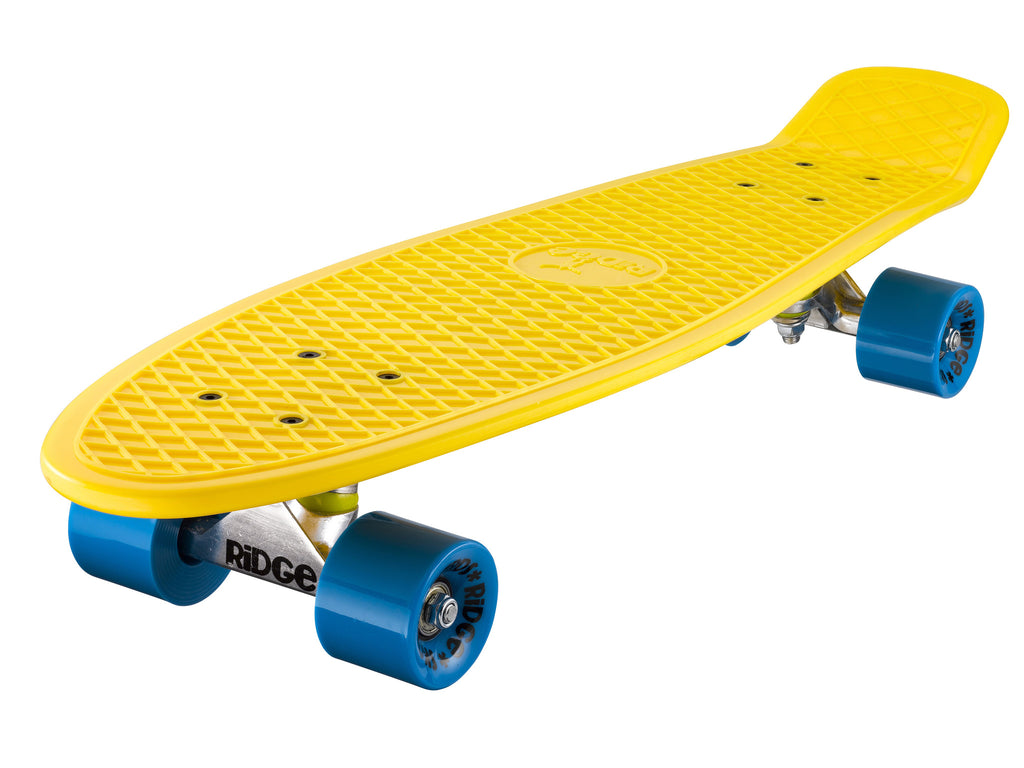
Credit: www.ridgeskateboards.com
Other Notable Brands And Their Contributions
While the brands mentioned above are often cited in discussions about the “biggest,” the skateboarding landscape is rich with other influential companies that have made substantial contributions.
Girl Skateboards And Chocolate Skateboards: Culture And Community
Owned by the Crailtap distribution network, Girl Skateboards and its sister company Chocolate Skateboards are titans of modern street skateboarding. Founded by Rick Howard, Mike Carroll, and Spike Jonze, with significant early contributions from Megan Baltimore, these brands are celebrated for their artistic flair, influential teams, and deep connection to skate culture.
-
- Artistic Direction: Both brands are known for their unique and often humorous graphics, collaborating with renowned artists and designers. This artistic approach has made their decks highly collectible.
- Iconic Teams: Girl and Chocolate have consistently fielded some of the most respected and influential skate teams, featuring legends like Guy Mariano, Eric Koston, and Mark Johnson, as well as fostering new talent.
- Video Legacy: They have produced a string of highly influential skate videos, including “Goldfish,” “Pretty Sweet,” and “Chomp On This,” which have shaped the visual language of modern skateboarding.
Zero Skateboards: The Raw Edge Of Street Skating
Founded by Jamie Thomas, Zero Skateboards carved out a significant niche with its aggressive, no-holds-barred approach to street skating.
-
- Hardcore Image: Zero is known for its dark, rebellious aesthetic and its focus on raw, technical street skating. This has resonated deeply with a segment of the skateboarding community that values grit and intensity.
- Pro Team: The brand has been home to some of the most formidable street skaters, including Chris Cole and Tony Trujillo, who embody the brand’s ethos.
- Influential Videos: Zero’s video output, such as “Thrill of the Hunt” and “New Blood,” has been pivotal in showcasing the progression of street skating and establishing the brand’s hardcore identity.
Baker Skateboards: Pushing Street Style
Founded by Andrew Reynolds, Baker Skateboards has become a symbol of modern street skating culture. Known for its straightforward branding and focus on performance, Baker has cultivated a loyal following.
-
- Street-Centric Approach: Baker embodies the essence of street skating, with its product designs and team reflecting the lifestyle and demands of urban skateboarding.
- Legendary Riders: The brand has been associated with some of the most influential street skaters, including Reynolds himself, who is a legend in his own right.
- Authentic Vibe: Baker maintains an authentic connection to its roots, often celebrated through its apparel and skate videos, fostering a strong sense of community among its fans.
Factors Driving Brand Success
Several key factors contribute to a skateboard brand’s ability to achieve and maintain “bigness” in the industry. These elements, when combined effectively, create a powerful and enduring presence.
Team Sponsorship And Rider Influence
The professional skateboarders a brand sponsors are often its most potent marketing tool. A strong team can build credibility, drive product development, and inspire consumers. Brands like Powell Peralta with its Bones Brigade, or Plan B with its elite roster, exemplify how a powerful team can define a brand’s image and success.
Marketing And Media Presence
In the digital age, a strong marketing and media presence is paramount. This includes high-quality video content, active social media engagement, and strategic advertising in skateboarding magazines and online publications. The visual storytelling through iconic graphics by Santa Cruz or the influential video productions by Girl and Chocolate demonstrate the power of effective media.
Product Quality And Innovation
Ultimately, the performance and durability of the skateboards themselves are critical. This involves deck construction using high-quality maple veneers, strong glue, and precise pressing techniques. Brands that explore new materials or construction methods, like Element’s use of sustainable materials, can differentiate themselves. A deep dive into the manufacturing process can be found in guides like Skateboard Manufacturers Guide: Top Tips for Quality Boards.
Distribution And Accessibility
For a brand to be truly “big,” its products must be readily available to skaters worldwide. This involves establishing partnerships with skate shops in key markets, a strong e-commerce presence, and offering products at different price points to cater to a wider range of consumers.
The Evolving Landscape Of Skateboarding Brands
The skateboarding industry is not static. Trends shift, new technologies emerge, and the cultural landscape is constantly evolving. The “biggest” brands are those that can successfully navigate these changes.
The Rise Of Direct-to-consumer (dtc)
The rise of direct-to-consumer (DTC) sales has allowed many brands to connect more directly with their customers. This model can offer better margins and more control over the brand experience, though it presents challenges in maintaining relationships with brick-and-mortar retailers.
Influence Of Social Media And Content Creators
Platforms like Instagram, TikTok, and YouTube have democratized content creation. Skaters and influencers can now build massive followings independently, sometimes rivaling the reach of established brands, leading to new forms of marketing and brand partnerships.
Sustainability And Ethical Practices
Consumers are increasingly looking for brands that align with their values. Skateboarding brands that embrace sustainability, ethical manufacturing, and social responsibility are likely to gain favor with a conscious consumer base. Element’s commitment to eco-friendly practices is a prime example of this trend.
The Importance Of Community And Inclusivity
Skateboarding culture has historically been about community and belonging. Brands that foster inclusive environments and actively support local skate scenes tend to build stronger, more loyal fan bases. This involves supporting grassroots events, creating spaces for skaters, and promoting diversity within the sport. The mental health benefits of skateboarding are also increasingly recognized, contributing to a more inclusive outlook.
What To Look For When Buying A Skateboard
If you are choosing a board for yourself, the best brand is the one that matches your goals, budget, and terrain. A beginner-friendly complete from a major brand can be a smart entry point, but riders should still check deck width, truck width, wheel size, wheel hardness, and bearing quality before buying.
-
- Street and park riders usually prefer lighter decks, harder wheels, and a setup that feels responsive for flip tricks and ledge work.
- Transition and bowl riders often want slightly wider decks, stable trucks, and a setup that feels more planted at speed.
- Cruisers and longboard riders should look for softer wheels, more stable shapes, and components built for comfort rather than technical tricks.
- Always inspect complete boards for hardware quality, grip tape application, and wheel/bearing smoothness, since budget completes can vary widely in build quality.
Case Study: Powell Peralta’s Resurgence
Powell Peralta’s story is a compelling example of a legacy brand adapting to the modern era. After a period of reduced dominance, the brand has experienced a significant resurgence, driven by several factors:
-
- Reissuing Iconic Decks: The company has successfully capitalized on nostalgia by reissuing many of its classic decks and graphics from the 1980s, appealing to both original fans and a new generation discovering skate history.
- Maintaining a Strong Team: While the original Bones Brigade members are icons, Powell Peralta continues to support a team of current professional skaters who represent the brand’s values and push its image forward.
- High-Quality Production: They have maintained a commitment to producing high-quality decks, often using modern manufacturing techniques while retaining classic shapes and aesthetics.
- Engaging Content: The brand actively engages with its audience through social media, sharing historical content, new rider footage, and behind-the-scenes glimpses, keeping the brand relevant and connected.
This strategic approach has allowed Powell Peralta to remain a significant and respected name, demonstrating that historical weight, combined with smart modern strategies, can lead to sustained success.
Frequently Asked Questions
What Is The Definition Of A “pro Model” Skateboard?
A “pro Model” Skateboard Is A Deck, Wheel, Or Other Skateboard Component Designed And Endorsed By A Professional Skateboarder. These Products Often Feature Unique Graphics Chosen By The Skater And Are Built To Their Specific Preferences Regarding Shape, Size, And Concave. Pro Models Serve As A Way For Brands To Leverage The Popularity And Influence Of Their Sponsored Riders, While Also Offering Skaters A Product That Reflects The Style And Performance Favored By Their Idols.
How Has The Internet Impacted The Skateboard Industry?
The Internet Has Revolutionized The Skateboard Industry By Democratizing Information And Distribution. It Allows For Instant Global Access To Skate Videos, Product Reviews, And Brand News, Significantly Influencing Consumer Purchasing Decisions. Online Stores Have Opened Up New Sales Channels, And Social Media Platforms Have Become Crucial For Brand Marketing And Community Building. It Has Also Lowered The Barrier To Entry For New Brands And Skaters, Fostering Greater Diversity And Innovation.
Are Vintage Skateboards Valuable?
Yes, Certain Vintage Skateboards Can Be Highly Valuable, Particularly Those From The 1970s And 1980s, Especially From Iconic Brands Like Powell Peralta, Santa Cruz, And Z-flex. Their Value Depends On Factors Such As Rarity, Condition, Brand Recognition, Historical Significance (e.g., Associated With Famous Skaters Or Events), And The Presence Of Original Components. Pristine, Unridden Examples Are Typically The Most Sought After By Collectors.
What Is The Difference Between A Street Skateboard And A Longboard?
The Primary Differences Lie In Their Design And Intended Use. Street Skateboards Are Typically Shorter With A Symmetrical “popsicle stick” Shape, Designed For Tricks, Agility, And Maneuverability In Urban Environments And Skateparks. They Feature Smaller, Harder Wheels. Longboards, On The Other Hand, Are Longer And Wider, With Various Shapes, Designed For Stability, Speed, And Cruising. They Often Have Larger, Softer Wheels And Are Used For Transportation, Downhill Riding, And Carving. You Can Learn More About The History Of Longboarding In history Of Longboarding: Unveiling The Origins And Evolution.
How Do Skateboard Brands Choose Their Professional Team Riders?
Skateboard Brands Typically Select Professional Team Riders Based On A Combination Of Factors, Including Their Skateboarding Skill Level, Style, Influence Within The Community, Personality, And Marketability. They Look For Riders Who Not Only Perform Exceptionally Well But Also Embody The Brand’s Image And Ethos. Sponsorship Often Begins With Riders Being “flowed” Product (receiving Free Gear) Before Potentially Earning A Full Pro Model And Contract, Signifying Their Importance To The Brand’s Success And Image.
The question of “what is the biggest skateboard brand” doesn’t have a single, definitive answer. It’s a title earned through a complex interplay of historical significance, market penetration, cultural impact, and continuous innovation. Brands like Powell Peralta and Santa Cruz represent the deep roots and enduring legacy of skateboarding, while companies such as Element have carved out massive success through accessibility and modern branding.
Meanwhile, niche brands like Plan B and Zero command immense respect for their dedication to pushing the boundaries of professional skateboarding.
Ultimately, the “biggest” brands are those that have not only sold the most products but have also contributed to the soul of skateboarding, inspiring generations of riders and shaping the sport’s identity. The industry continues to evolve, and the brands that will lead tomorrow are those that can adapt, innovate, and remain true to the core values of skateboarding: creativity, resilience, and community. Whether through iconic graphics, groundbreaking tricks, or a commitment to sustainability, these brands collectively paint the vibrant picture of the global skateboarding world.