Are Cruiser Skateboards Good for Beginners? Expert Guide & Tips
Are Cruiser Skateboards Good For Beginners?
Skateboarding can feel overwhelming for beginners. There are so many choices—longboards, street boards, and cruiser skateboards. If you are wondering whether cruiser skateboards are a smart starting point, you’re not alone. Many new riders ask this question because cruisers look cool and promise a smooth ride. But are they really beginner-friendly? Let’s break down what you need to know, so you can make the right decision for your first board. This guide will help you understand what cruiser skateboards offer, how they compare to other board types, and what beginners should look for. By the end, you’ll have a clear answer and practical advice for your skateboarding journey.
What Is A Cruiser Skateboard?
A cruiser skateboard is a board designed for comfortable, easy riding. Unlike traditional street skateboards, cruisers are usually shorter than longboards but longer and wider than standard skateboards. They often have soft wheels, which make them roll smoothly on rough pavement.
Most cruiser boards feature:
- Deck length between 25–34 inches
- Wider, rounded nose and tail
- Soft wheels (usually 78A–85A durometer)
- Compact size for portability
Cruiser skateboards are made for transportation, not tricks. You can use them to travel from place to place, ride around your neighborhood, or even go to school or work.
Why Beginners Choose Cruiser Skateboards
Many beginners are attracted to cruiser skateboards for several reasons. Here are the most common:
- Smooth Ride: Soft wheels absorb cracks and bumps, making cruising less scary for new riders.
- Easy Control: The wider deck gives more stability, helping beginners balance better.
- Portable Size: Cruisers are smaller than longboards, so you can carry them easily.
- Simple Learning Curve: You don’t need advanced skills to ride a cruiser. Just push and glide.
Cruisers often come ready to ride, meaning you don’t need to assemble separate parts. For new skaters, this is a huge benefit.
Cruiser Vs. Other Skateboard Types: A Data Comparison
To help you understand how cruisers compare to other boards, here’s a side-by-side look at key features.
| Board Type | Deck Length | Wheel Size | Wheel Hardness | Best For |
|---|---|---|---|---|
| Cruiser | 25–34 in | 54–60 mm | Soft (78A–85A) | Commuting, casual riding |
| Street Skateboard | 28–32 in | 50–54 mm | Hard (95A–101A) | Tricks, skate parks |
| Longboard | 34–44 in | 60–75 mm | Soft (78A–85A) | Downhill, long-distance |
This comparison shows that cruisers are optimized for everyday riding, not tricks or racing. Their size and wheel softness make them ideal for beginners who want comfort and stability.
Advantages Of Cruiser Skateboards For Beginners
Cruiser skateboards have several strengths that make them appealing to new riders.
Stability And Comfort
Cruisers have a wider deck, which gives more room for your feet. This helps you balance easier, especially when learning to push and steer. Soft wheels make the ride gentle, even on rough sidewalks.
Easy Maneuverability
Because cruisers are shorter than longboards, they turn easily. You can navigate tight corners or crowded streets without much effort. This is helpful for beginners who aren’t confident steering yet.
Less Intimidating
Many beginners feel nervous about falling or losing control. Cruisers are less intimidating because they ride low, feel stable, and aren’t built for tricks. You can focus on learning basic skills without pressure.
Practical For Commuting
If you plan to use your skateboard for transportation, cruisers are a smart choice. They’re easy to carry and store, and you don’t need perfect roads to ride comfortably.
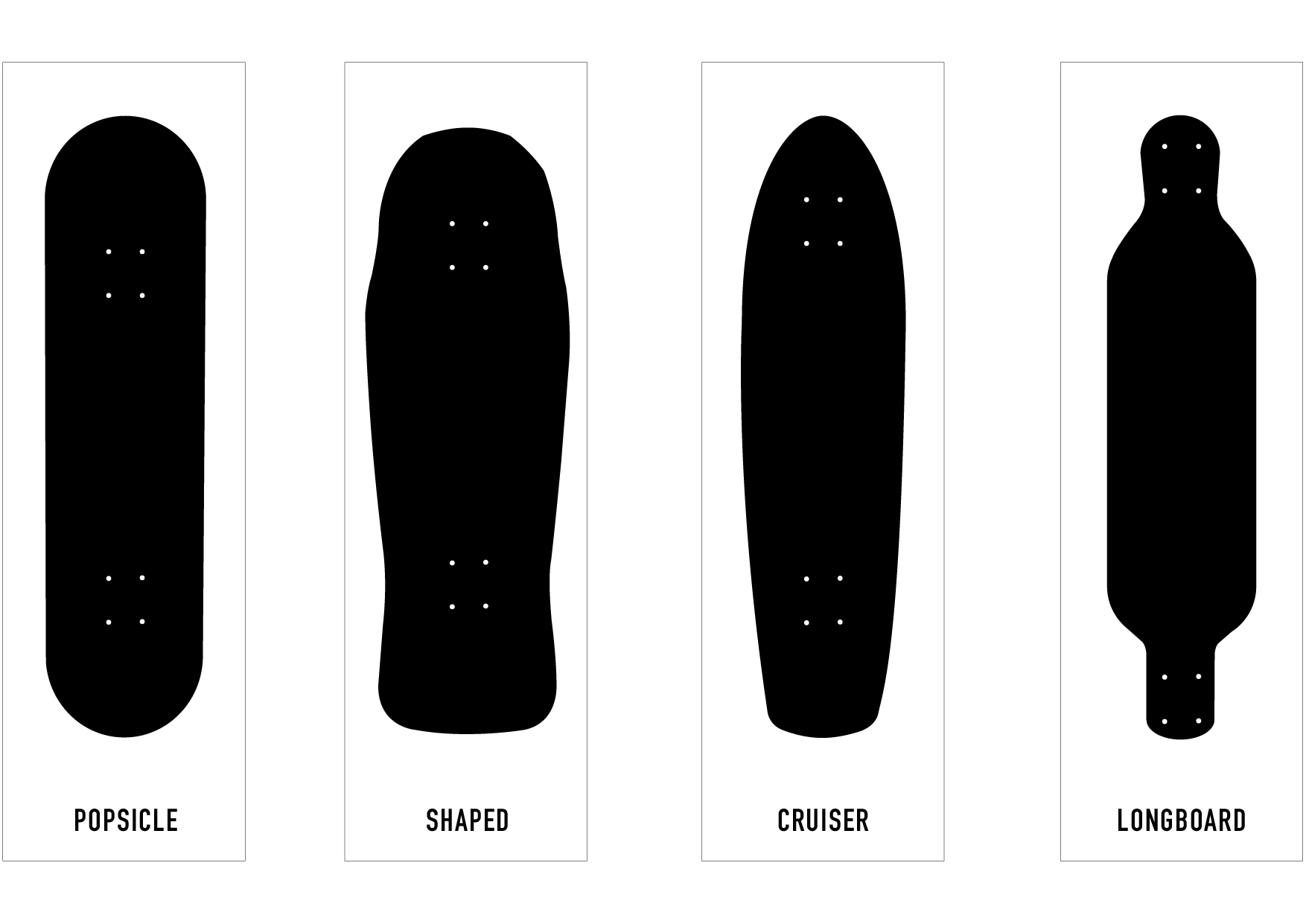
Credit: www.titus-shop.com
Disadvantages Of Cruiser Skateboards For Beginners
While cruisers are beginner-friendly, there are some downsides to consider.
Limited Trick Ability
Cruisers aren’t made for skate park tricks. Their shape and wheel softness make it difficult to do ollies, flips, or grinds. If you dream of advanced skateboarding, you may outgrow a cruiser quickly.
Less Customization
Cruisers often come as complete boards, which limits your ability to change parts. Street skateboards have more options for deck, trucks, wheels, and bearings.
Not Ideal For Downhill
Cruisers can handle small hills, but they aren’t designed for high-speed downhill skating. Longboards are better if you want to try fast riding or racing.
Real-life Data: Beginner Satisfaction With Cruiser Skateboards
A survey by SkateboardersHQ found that 67% of beginners felt more comfortable learning on cruiser skateboards compared to standard skateboards. Another study from Boarding School UK reported that new riders had fewer falls and injuries on cruisers during their first month.
These numbers show that cruisers help new skaters gain confidence and reduce frustration. However, only 40% continued using cruisers after six months, as many switched to street boards for more advanced skating.
Comparing Cruiser Skateboards To Longboards
Some beginners confuse cruisers with longboards. Here’s a comparison to help you decide which is better for you.
| Feature | Cruiser | Longboard |
|---|---|---|
| Size | Short/medium | Long |
| Weight | Light | Heavy |
| Turning | Quick | Wide turns |
| Portability | Easy | Difficult |
| Beginner Suitability | High | Medium |
Longboards offer more stability for downhill and long rides, but their size can be hard for beginners to manage. Cruisers strike a balance between comfort and portability.
What Beginners Should Look For In A Cruiser Skateboard
Not all cruisers are equal. Here’s what you should check before buying your first board:
- Deck Width: Look for a deck at least 8 inches wide. Narrow decks are harder to balance.
- Wheel Softness: Choose wheels with 78A–85A durometer. Softer wheels roll smoothly and grip better.
- Length: Boards between 28–32 inches are ideal for beginners.
- Grip Tape: Make sure the deck has grip tape or textured surface for secure footing.
- Truck Quality: Good trucks make turning easier and prevent wobbles.
- Brand Reputation: Stick to trusted brands like Penny, Arbor, or Globe.
Example Beginner-friendly Cruiser
The Arbor Pilsner Cruiser is a popular choice. It has:
- 28.75-inch deck
- 78A soft wheels
- High-quality trucks
- Comfortable grip tape
Many new riders praise its smooth ride and easy handling.
Common Mistakes Beginners Make With Cruiser Skateboards
Starting with a cruiser is easy, but beginners often make mistakes. Avoid these to have a better experience:
- Ignoring Wheel Quality: Cheap cruisers have poor wheels that make the ride rough.
- Choosing Too Small a Deck: Small decks are unstable for adults.
- Skipping Safety Gear: Always wear a helmet and pads, even on a cruiser.
- Trying Tricks Too Soon: Cruisers aren’t built for tricks. Focus on riding skills first.
- Not Checking Board Weight: Heavy boards are hard to carry and maneuver.
If you avoid these mistakes, your first experience will be safer and more enjoyable.
How To Learn On A Cruiser Skateboard
If you decide to start with a cruiser, here’s how to make the most of it:
- Practice Balance: Stand on the board with both feet and rock gently to feel stability.
- Learn to Push: Place your dominant foot on the deck, push with the other, then bring both feet onto the board.
- Master Turning: Lean in the direction you want to go. Practice slow turns first.
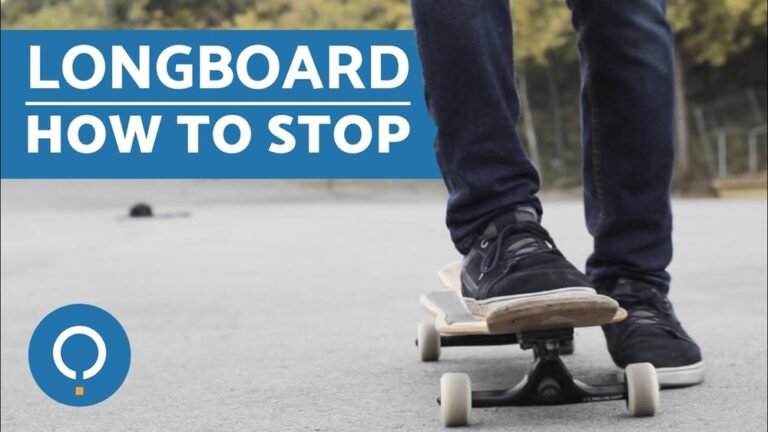
- Brake Safely: Use your foot to slow down. Avoid stopping suddenly.
- Ride on Smooth Surfaces: Start on flat, smooth ground before trying rough roads.
Non-obvious Tips For Beginners
- Foot Placement Matters: Keep your front foot at a slight angle for more control.
- Wheel Maintenance: Clean wheels regularly. Dirt can cause slow rolling and wobbles.
These tips are often missed by new riders but make learning much easier.

Credit: www.youtube.com
Cruiser Skateboard Maintenance For Beginners
Taking care of your cruiser helps it last longer and ride better. Here’s a quick maintenance checklist:
- Clean the deck: Wipe off dirt and debris after each ride.
- Check wheels: Remove small stones and clean with a damp cloth.
- Tighten trucks: Loose trucks can cause wobbles.
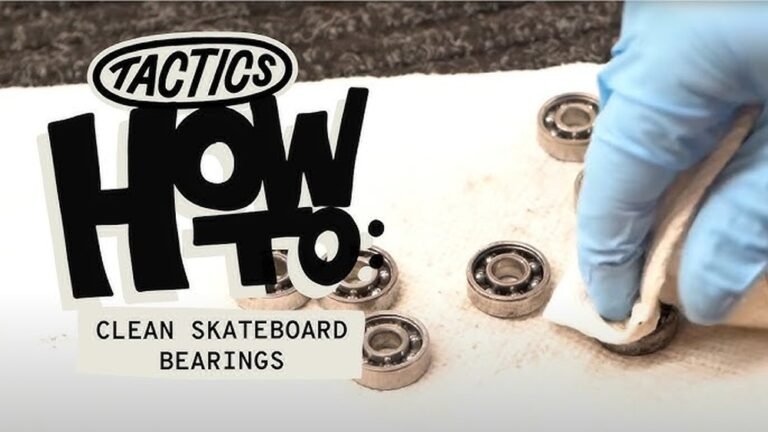
- Lubricate bearings: If your board feels slow, bearings may need oil.
Most beginners forget about maintenance, but it keeps your board safe and smooth.
Cost Comparison: Cruiser Vs. Other Boards
Cruiser skateboards usually cost less than longboards but more than basic street skateboards. Here’s a price comparison:
| Board Type | Average Price (USD) |
|---|---|
| Cruiser | $80–$150 |
| Street Skateboard | $50–$120 |
| Longboard | $120–$250 |
A good cruiser offers value for beginners who want comfort without high costs.
Are Cruiser Skateboards Good For Kids?
Cruisers are often recommended for kids because they offer stable rides and easy handling. Look for youth-sized boards with smaller decks and lighter weight. Always make sure children wear helmets and pads.
Expert Opinions And Research
Many skateboarding experts agree that cruisers are a solid choice for beginners. According to the International Skateboarding Federation, cruisers help new riders develop balance and steering skills without focusing on tricks.
If you want more detailed research, you can check Wikipedia’s skateboard page for technical information.

Credit: stokedrideshop.com
Frequently Asked Questions
Are Cruiser Skateboards Easy To Ride?
Yes, most beginners find cruisers easy to ride. The wide deck and soft wheels make balancing and rolling smooth, even on rough pavement.
Can You Do Tricks On A Cruiser Skateboard?
Cruisers are not designed for tricks. You might do simple moves like kick turns, but advanced tricks are difficult due to board shape and wheel softness.
What Age Is Best For Cruiser Skateboards?
Cruisers are suitable for ages 8 and up. Choose a board size and weight that matches the rider’s height and skill level.
Is A Cruiser Better Than A Longboard For Beginners?
Cruisers are better for short rides, easy turns, and portability. Longboards are good for stability and downhill riding but can be harder to manage for new skaters.
How Long Does A Cruiser Skateboard Last?
With proper care, a cruiser skateboard can last 2–4 years. Regular maintenance extends its life and keeps it safe for riding.
Starting your skateboarding journey can feel confusing, but cruiser skateboards offer a friendly, stable, and comfortable introduction. If your goal is to enjoy smooth rides and easy learning, cruisers are a great option. They help beginners build confidence and basic skills, making skating less intimidating.
When you’re ready for tricks or specialized riding, you can switch to another board—but as a first step, a cruiser is hard to beat.