
Longboarding is more than just a mode of transportation; it’s a lifestyle, a way to connect with the world, and for many, a passion. As the popularity of longboarding grows, so does the desire to take these beloved boards on adventures beyond local streets and skate parks.
Whether you’re planning a destination surf trip, heading to a family reunion across the country, or simply moving to a new city, figuring out how to travel with your longboard can feel like a daunting task. Airlines have varying policies, packing can be tricky, and the fear of damage is always present. Navigating the complexities of flying with a longboard requires a strategic approach, involving understanding airline regulations, choosing the right protective measures, and packing efficiently. This guide aims to demystify the process, providing you with the knowledge and confidence to transport your longboard safely and smoothly, ensuring it arrives at your destination ready to roll.
Key Takeaways
-
- Check Airline Policies: Always verify specific airline regulations regarding sporting equipment and oversized baggage before booking. Some airlines accept longboards only as checked or non-standard baggage, while others may allow carry-on in limited circumstances if the board is packed in a protective bag or hard case.
- Protective Packaging is Crucial: Invest in or create a robust carrying case to shield your longboard from impact and the elements. A padded board bag is often the minimum; a hard case is better for frequent flyers or expensive boards.
- Consider Board Size: Longer boards may incur higher fees or be subject to stricter transport rules. In practice, some airlines impose maximum linear-dimension or length limits that can affect whether a board is accepted at all.
- Dismantle if Possible: Removing trucks and wheels can make the board more compact and less prone to damage. Keep all hardware organized in a labeled bag so nothing gets lost in transit.
- Declare Your Board: Be upfront with the airline about what you are carrying to avoid surprises at the airport.
- Insurance Might Be Worth It: For valuable boards, consider travel insurance that covers sporting equipment, but verify exclusions for improper packing and pre-existing damage.
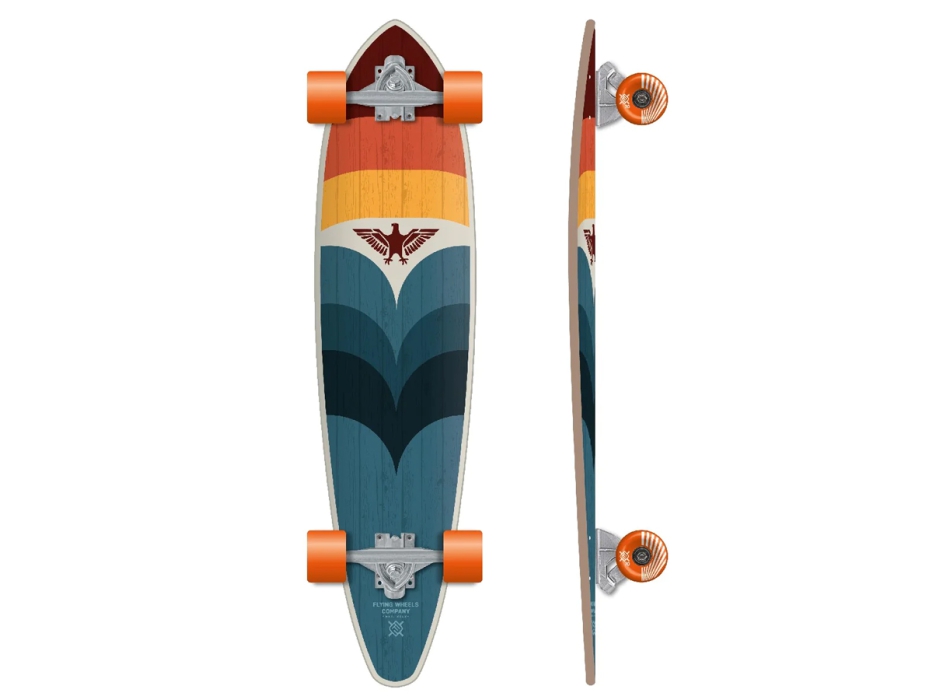
Credit: www.surfcornerstore.com
Understanding Airline Policies For Longboards
The most critical first step in flying with your longboard is to understand the policies of the airline you’ll be flying with. These policies can vary significantly, impacting everything from how your board is handled to how much you’ll pay. Many airlines categorize longboards as oversized baggage or sporting equipment, each with its own set of rules and potential fees.
Baggage Categories And Fees
Airlines typically have specific dimensions and weight limits for standard checked baggage. Longboards, by their very nature, often exceed these dimensions. When this happens, they usually fall into one of two categories: oversized baggage or sporting equipment.
-
- Oversized Baggage: If your longboard, within its case, exceeds the standard linear dimensions (length + width + height), it will likely be considered oversized. Fees for oversized items can range from $75 to $200 or more, depending on the airline and the extent to which you exceed the limits. Some airlines might even refuse items that are excessively large.
- Sporting Equipment: Many airlines have a dedicated policy for sporting equipment, which can sometimes be more favorable than the general oversized baggage rules. However, this often still comes with a fee, typically similar to or slightly less than the oversized baggage fee. It’s essential to check if your airline explicitly lists skateboards or longboards under their sporting equipment policy.
Size And Weight Restrictions
Beyond general categorization, airlines impose strict limits on the size and weight of checked baggage. For longboards, the length is the primary concern. Standard checked baggage limits are often around 62 linear inches (157 cm). A typical longboard can be anywhere from 35 to 47 inches (89 to 119 cm) long, and when placed in a bag, the total linear dimensions can easily surpass the standard limit.
Weight is also a factor. Most airlines allow checked bags up to 50 pounds (23 kg) before charging overweight fees, although some carriers and routes allow higher limits for certain sports equipment. A longboard and its protective case can sometimes push this limit, especially if you’re carrying other items within the case.
Always weigh your packed board before heading to the airport to avoid unexpected charges.
The Importance Of Pre-flight Checks
To avoid surprises and potential issues at the airport, it’s paramount to check the airline’s specific policies before you book your flight. Visit the airline’s official website and navigate to their baggage information section. Look for details on “checked baggage,” “oversized baggage,” and “sporting equipment.” If the information isn’t clear, contact their customer service directly.
Pro Tip: Print out or save a screenshot of the airline’s policy regarding your longboard. This can be incredibly helpful if you encounter a gate agent or baggage handler who is unfamiliar with the rules.
Preparing Your Longboard For Travel
Once you’ve confirmed your airline’s policy, the next crucial step is preparing your longboard itself for the journey. Proper preparation minimizes the risk of damage and can make the handling process smoother for airport staff. This involves cleaning, protecting, and potentially disassembling parts of your board.
Cleaning And Inspection
Before packing, give your longboard a thorough cleaning. Remove dirt, dust, and debris from the deck, trucks, and wheels. This not only ensures your board arrives clean but also allows you to inspect it for any existing damage, such as cracks or loose components, that might be exacerbated during transit.
Addressing these issues before flying can prevent them from becoming major problems later.
Protective Packaging Options
The way you package your longboard is critical for its safety. You have several options, ranging from DIY solutions to specialized bags.
-
- Bubble Wrap and Cardboard: This is a budget-friendly, DIY approach. Wrap the entire board securely in several layers of heavy-duty bubble wrap. Pay special attention to the nose and tail, which are most vulnerable. Then, construct a makeshift “box” using large pieces of sturdy cardboard, taping them securely around the wrapped board. This offers basic protection but is less robust than a dedicated case.
- Soft Longboard Bags: These are essentially padded sleeves designed to fit longboards. They offer good protection against scratches and minor impacts and make the board easier to carry. Many come with shoulder straps and handles. They are a good balance between protection and portability. Look for bags with reinforced padding, especially around the deck and edges.
- Hard-Shell Longboard Cases: For maximum protection, a hard-shell case is the best option. These are typically made of durable plastic or composite materials and offer superior defense against impacts, crushing, and the elements. They are often lockable and can be more secure. However, they are usually more expensive and can add significant weight and bulk, potentially leading to higher airline fees.
Buying tip: If you fly more than once or twice a year, a well-padded travel bag with reinforced nose and tail protection is usually the best value; if you travel frequently or carry a custom board, a hard case is often worth the extra weight and cost.
Example: When I traveled to Costa Rica, I used a thick, padded soft-shell longboard bag. I also added extra bubble wrap around the trucks and wheels for added cushioning. My board arrived in perfect condition, despite being handled quite roughly at the baggage claim.
Dismantling For Safer Transport
For maximum protection and to potentially reduce the overall size and weight of your package, consider dismantling certain parts of your longboard.
-
- Removing Trucks: Detaching the trucks from the deck can significantly reduce the board’s profile and prevent the trucks from poking through the packaging or damaging the deck. Store the trucks and the hardware (bolts) in a small, sealed plastic bag.
- Removing Wheels: While less common, removing wheels can further reduce the risk of damage to them or the deck. Ensure you keep the bearings safe and together.
- Secure Hardware: If you dismantle your board, secure all hardware (bolts, nuts, washers) in a Ziploc bag and tape it firmly to the deck or inside the carrying case. Losing these small but essential parts can be a major travel headache.
Consideration: If you’re not comfortable with basic skateboard maintenance, it might be best to leave the board assembled and rely on robust packaging. However, for frequent travelers, learning to dismantle and reassemble your board is a valuable skill.
Packing Your Longboard: Tips For Security And Convenience
How you pack your longboard within its chosen protective gear is as important as the gear itself. Efficient packing ensures everything is secure, minimizes movement, and makes your board easier for airline staff to handle.
Strategic Placement Of Components
If you’ve chosen to dismantle your board, strategic placement is key.
-
- Deck as the Base: The deck usually forms the core of your package.
- Trucks and Hardware: Place the removed trucks and hardware bag either directly on the deck or alongside it, ensuring they are nestled securely and won’t shift.
- Wheels: If removed, place wheels carefully, perhaps in a separate bag, to avoid scratching the deck or other components.
Filling Empty Spaces
Once the main components are in place, any empty spaces within your bag or cardboard packaging should be filled.
-
- Padding Materials: Use extra bubble wrap, foam padding, old t-shirts, or towels to fill voids. The goal is to prevent any part of the longboard from rattling or shifting during transit. A tightly packed item is less likely to suffer impact damage.
- Avoid Hard Objects: Do not use hard or sharp objects for padding, as they could potentially damage the board or its components.
Securing The Package
-
- Duct Tape is Your Friend: For cardboard packaging, use strong packing tape or duct tape generously to seal all seams and edges. Ensure there are no gaps where moisture or debris could enter.
- Straps and Zippers: For soft or hard cases, ensure all zippers are fully closed and any external straps are tightened securely. If your case has TSA-approved locks, use them for added security.
Example: I once saw a traveler pack their longboard in a large duffel bag. They wrapped the board in blankets, placed it inside, and then stuffed extra clothes and towels around it. While not ideal, it showed how creative travelers can be with readily available materials to keep their boards secure.
Labeling Your Luggage
Clear and visible labeling is essential for any piece of luggage, especially when traveling with specialized equipment.
-
- Contact Information: Ensure your name, phone number, and email address are clearly written on a sturdy luggage tag attached to the case.
- Destination Address: Include your destination address, especially if you’re traveling internationally or to a hotel.
- “Fragile” or “Sporting Equipment” Labels: While not always strictly enforced, adding a “Fragile” or “Sporting Equipment” label can sometimes alert handlers to exercise extra care. However, focus more on robust internal packaging, as external labels are often ignored.
Navigating The Airport And Check-in Process
The airport itself can be a source of anxiety when traveling with a longboard. Knowing what to expect and how to interact with airline staff can make the process much smoother.
Checking In Your Longboard
When you arrive at the check-in counter, be prepared to declare your longboard.
-
- Be Honest and Clear: Inform the agent that you have a longboard you need to check in. State whether it’s in a dedicated longboard bag or a custom package.
- Confirm Fees: Reconfirm any fees that apply, whether for oversized baggage or sporting equipment. Have your payment method ready.
- Where to Take It: Depending on the airline and the size of your board, you might be directed to take it to a special oversized baggage drop-off area, often located near the regular check-in counters or at a separate customer service desk.
Handling At The Airport
Once you hand over your longboard, it will be handled by baggage handlers. This is where robust packaging is most important.
-
- Oversized Baggage Handling: Longboards are typically treated as oversized baggage. This means they might be handled separately from standard luggage and could be loaded onto the plane using different mechanisms.
- Potential for Rough Handling: While airlines aim to handle all baggage with care, the reality is that oversized items can sometimes be subjected to rougher handling due to their size and the equipment used. This is why internal padding and a sturdy case are non-negotiable.
- Security Screening: Your longboard will go through X-ray screening. Ensure there are no prohibited items packed inside. If you’ve dismantled your board, make sure all parts are accounted for and securely bagged.
In my experience, the most stressful part is handing the board over. Once it’s gone, the best you can do is trust your preparation and hope for the best. The relief of seeing it emerge unscathed at the destination is immense.
Consider A Longboard Travel Case Comparison
Choosing the right type of case is a significant decision. Here’s a comparison to help you decide:
| Feature | DIY (Bubble Wrap & Cardboard) | Soft Longboard Bag | Hard-Shell Longboard Case |
|---|---|---|---|
| Protection Level | Basic | Good (against scratches, minor impacts) | Excellent (against impacts, crushing) |
| Cost | Very Low | Moderate ($50 – $150) | High ($150 – $400+) |
| Durability | Low (can get damaged easily) | Moderate to High | Very High |
| Weight/Bulk | Variable, can be bulky | Moderate | High |
| Ease of Carrying | Awkward | Good (with straps) | Good (often with wheels/handles) |
| Reusability | Low (often single-use) | High | Very High |
Alternatives To Checking Your Longboard
While checking your longboard as baggage is the most common method, there are alternative strategies to consider, especially if you’re concerned about damage, fees, or simply want a different approach.
Shipping Your Longboard In Advance
One of the most effective ways to avoid airline hassles is to ship your longboard directly to your destination before you travel.
-
- Shipping Carriers: Services like UPS, FedEx, or even USPS can transport your board. You can ship it to your hotel, a friend’s place, or even a designated pick-up point.
- Pros: This often proves cheaper than airline fees, especially for oversized items. It also means you don’t have to lug a large, awkward case through the airport. Your board is ready and waiting for you upon arrival.
- Cons: Requires planning well in advance to ensure timely delivery. You need to package it securely for shipping, which might involve buying a proper box and ample padding. There’s still a risk of damage during transit, though shipping companies often have clearer claims processes than airlines.
- Cost Comparison: Shipping costs can vary widely based on distance, speed, and carrier. For domestic shipping, it can range from $30 to $100+. Always get a quote and compare it to potential airline fees. For example, if an airline charges $150 each way for an oversized item, shipping might be a more economical choice.
Carrying On Your Longboard (rarely Possible)
In extremely rare cases, and depending heavily on the airline and the size of the aircraft, you might be able to carry on your longboard.
-
- Conditions: This is typically only feasible with smaller longboards or if the airline has exceptionally lenient carry-on policies and ample overhead bin space. You would likely need to remove the trucks and wheels to make it fit within carry-on dimensions, and even then, it’s a long shot. Even when policies seem permissive, the board may be gate-checked if space runs out.
- Risks: Even if allowed at the gate, it could be gate-checked if overhead space runs out, negating the benefit. It’s also highly inconvenient to manage a longboard as a carry-on item throughout the airport and during the flight.
- Recommendation: This is generally not a recommended strategy. It’s far more reliable to check your board or ship it.
Renting A Longboard At Your Destination
If your primary goal is to skate at your destination and not necessarily to transport your personal board, consider renting one.
-
- Availability: Many popular tourist destinations, surf towns, and cities with active skate scenes have local skate shops that offer longboard rentals.
- Pros: Eliminates all travel-related stress and fees for your board. You can try different types of longboards.
- Cons: You won’t have your familiar setup. Rental quality can vary. It might be more expensive in the long run if you plan to skate extensively.
Longboard Travel Insurance And Damage Claims
Despite your best efforts, there’s always a small possibility that your longboard could be damaged during air travel. Understanding your options for insurance and making a claim is important.
Airline Liability
Airlines have liability limits for lost or damaged baggage. These limits are often quite low, especially for checked baggage. For example, under the Montreal Convention, international flights typically have a liability limit of around 1,288 Special Drawing Rights (SDRs), which fluctuates but is roughly $1,700 USD.
However, this is a maximum, and airlines may offer less, especially if you cannot prove the value of the item.
-
- Documentation is Key: If your board is damaged, document everything immediately. Take photos of the damage, the packaging, and the board itself. Keep your original purchase receipts if possible to prove the value.
- Filing a Claim: Report the damage to the airline’s baggage claim office before leaving the airport. You will need to fill out a Property Irregularity Report (PIR). Follow up with a formal claim in writing within the airline’s specified timeframe (usually 7 days for damage).
Travel Insurance Policies
Standard travel insurance policies may offer limited coverage for sporting equipment. It’s crucial to read the fine print.
-
- Specialized Insurance: Some travel insurance providers offer add-ons or specific policies that cover sporting equipment. These can provide better coverage than standard policies but come at an additional cost.
- Policy Exclusions: Be aware of common exclusions. Many policies won’t cover damage resulting from improper packaging, pre-existing damage, or normal wear and tear. This reinforces the importance of robust packaging.
- Cost vs. Benefit: Weigh the cost of insurance against the value of your longboard and your risk tolerance. For a very expensive or custom board, specialized insurance might be a worthwhile investment.
Frequently Asked Questions
What Is The Best Way To Pack A Longboard For A Flight?
The best way is to use a dedicated longboard bag, either soft or hard-shell, with ample padding. For maximum protection, consider removing the trucks and wheels, wrapping them separately, and filling all empty spaces within the bag with extra padding like bubble wrap or foam. Ensure the entire package is securely sealed.
Can I Bring My Longboard As A Carry-on Item?
Generally, no. Longboards exceed standard carry-on size restrictions. While exceptions might occur in very rare circumstances with smaller boards and lenient airlines, it is highly impractical and not recommended. Always plan to check your longboard or ship it.
How Much Do Airlines Typically Charge For Flying With A Longboard?
Charges vary significantly by airline. Longboards are usually classified as oversized baggage or sporting equipment. Expect fees to range anywhere from $75 to $200 or more each way. It’s crucial to check your specific airline’s policy before booking.
What If My Longboard Gets Damaged During The Flight?
Immediately report the damage to the airline’s baggage claim office before leaving the airport and fill out a Property Irregularity Report (PIR). Document the damage thoroughly with photos. Follow up with a formal written claim within the airline’s specified timeframe. Consider if you have purchased specific travel insurance that covers sporting equipment.
Should I Remove The Wheels And Trucks From My Longboard When Flying?
It is highly recommended for maximum protection. Removing the wheels and trucks makes the board more compact, reduces the risk of damage to these components or the deck, and can prevent trucks from poking through packaging. Ensure you store all hardware securely in a labeled bag taped to the deck or inside the case.
Traveling with your longboard doesn’t have to be a stressful experience. By understanding airline regulations, investing in proper protective gear, and packing strategically, you can ensure your beloved board arrives safely at your destination, ready for countless miles of cruising and adventure.
Remember to always prioritize preparation and communication with your airline to make your journey as smooth as possible.