Why is My Longboard Squeaky? Top Causes and Easy Fixes
Many longboard riders love the smooth glide and flow of their board. But nothing ruins the experience faster than a loud, annoying squeak. If your longboard squeaks, you’re not alone. This is a common issue, and it can be surprisingly frustrating, especially when you want to cruise quietly.
The squeak can come from many different places on your board, and each cause has a different solution. With a little investigation and care, you can often fix the problem yourself. Let’s dive deep into why your longboard squeaks, how to find the source, and what you can do about it.
Main Reasons Your Longboard Is Squeaky
A squeaky longboard is often a sign that something needs attention. Understanding the most common causes will help you solve the problem faster.
Loose Or Dirty Bearings
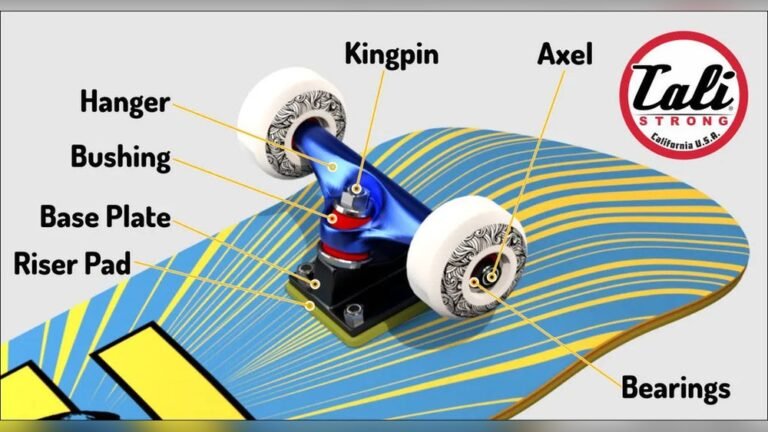
Bearings are small metal rings in your wheels that make them spin smoothly. If they’re dry, dirty, or not tight, they can cause squeaks. Dirt, dust, or water can get inside and break down the lubrication. This is especially true if you ride in wet conditions or over sandy paths.
Tight Or Dry Bushings
Bushings are the rubbery rings in your trucks. They let your board turn and flex. If they’re too tight, dry, or old, they can squeak when you carve or turn. Over time, bushings can crack or lose their flexibility, leading to noise.
Metal-on-metal Contact
Sometimes, parts of your trucks rub against each other. If the pivot cup (the small plastic part inside your truck) is dry, or if the kingpin bolt isn’t lubricated, you’ll hear squeaking. This is often a high-pitched sound that happens when you lean or turn.
Deck Flex And Pressure Points
Longboards are built to flex, but cracks or worn spots in the deck can cause squeaks. When you step or shift your weight, pressure on these spots can make noise. This is more common with older boards or boards made from softer wood.
Wheel And Truck Assembly
A loose bolt, washer, or nut can cause friction and vibration. When these parts move, they can squeak, especially at higher speeds or during sharp turns.
How To Find The Source Of The Squeak
Finding the exact place where the squeak comes from is key. Here’s a simple process:
- Listen while riding: Try to notice when the squeak happens. Is it during turns, pushing, or fast riding?
- Check each part: Spin the wheels, flex the deck, and twist the trucks. Do you hear the squeak?
- Touch test: Press on the bushings, pivot cup, and deck. Sometimes, pushing on these parts while standing still will cause the noise.
Common Mistake: Ignoring The Squeak
Many beginners ignore squeaks, thinking they’re harmless. But squeaks often mean something is wearing out or needs oil. Waiting too long can cause bigger problems, like broken parts or unsafe riding.

Credit: www.reddit.com
Practical Solutions For Fixing Squeaky Longboards
Once you know where the squeak comes from, you can fix it. Here are proven solutions:
Cleaning And Lubricating Bearings
- Remove the wheels using a skate tool or wrench.
- Take out the bearings.
- Clean the bearings with rubbing alcohol or a bearing cleaner.
- Dry them fully.
- Apply a few drops of skate bearing lubricant.
- Put the bearings back and reattach the wheels.
Tip: Do not use WD-40 for bearings. It dries them out and attracts more dirt.
Replacing Or Lubricating Bushings
- Unscrew the kingpin bolt and remove the bushings.
- Wipe off any dirt.
- Apply a small amount of silicone lubricant (never oil) to the bushings and pivot cup.
- Reassemble the trucks.
If the bushings are cracked or hard, replace them with new ones.
Tightening Loose Parts
Check all bolts, nuts, and washers. Use a skate tool to tighten them, but don’t overtighten—this can damage the parts.
Fixing Deck Squeaks
If your deck squeaks, check for cracks or delamination. Sometimes, adding a thin layer of wood glue to the affected area and clamping it overnight will help. If the deck is too damaged, consider replacing it.
Lubricating Metal-on-metal Areas
Add a small drop of silicone lubricant to the pivot cup and kingpin. This can stop squeaks caused by friction.
Tools And Materials You Need
Here’s a list of items to keep handy for fixing squeaks:
- Skate tool or wrench
- Rubbing alcohol or bearing cleaner
- Silicone lubricant
- Cloth or paper towels
- Replacement bushings or bearings (if needed)
- Wood glue (for minor deck repairs)
Having these tools means you can fix most squeaks yourself.

Credit: www.youtube.com
Comparing Squeak Causes: Data Table
To help you identify the most likely source, here’s a comparison of squeak causes:
| Cause | Common Location | Sound Type | Solution |
|---|---|---|---|
| Dirty bearings | Wheels | High-pitched, continuous | Clean and lubricate |
| Dry bushings | Trucks | Rubbery, during turns | Lubricate or replace |
| Metal friction | Pivot cup, kingpin | Sharp, during carves | Lubricate metal areas |
| Deck pressure | Deck center or tail | Click or creak | Repair or replace deck |
| Loose hardware | Bolt/nut areas | Rattle or squeak | Tighten hardware |
Squeak Prevention Tips
Preventing squeaks is easier than fixing them. Here are some smart habits:
- Clean your board regularly. Dust, sand, and moisture cause most squeaks.
- Lubricate moving parts. Use silicone spray on bushings and pivot cups every few months.
- Check hardware before each ride. Loose nuts and bolts are a common source of noise.
- Store your board indoors. Heat, rain, and humidity can damage bearings and bushings.
- Replace worn parts early. Old bushings and cracked decks will squeak sooner or later.
How Squeaks Affect Performance
Some riders think squeaks are only annoying, but they can actually impact your ride. A squeaky bearing can slow down your wheels, making your board less efficient. Squeaky bushings can make turning harder, or even unsafe if the bushings break.
If your deck squeaks, it may mean the wood is weakened, which could lead to snapping during a trick or fast ride.
Data Table: Impact Of Squeaks On Performance
| Squeak Location | Performance Issue | Safety Risk |
|---|---|---|
| Bearings | Slower speed | Wheels may seize |
| Bushings | Harder turning | Loss of control |
| Deck | Reduced flex | Deck may break |
| Hardware | Vibration | Parts may fall off |
When To Seek Professional Help
Most squeaks can be fixed at home, but some problems need expert care. If your deck is badly cracked, or if you can’t find the source after checking all parts, visit a skate shop. Professionals can diagnose issues that aren’t obvious and recommend the best fix. Some shops even offer tune-ups, which include cleaning and lubricating all moving parts.
Real-life Examples
Many riders share stories about squeaks. One rider noticed a squeak only during sharp turns. After checking, he found the bushings were dry and cracked. Replacing them fixed the problem instantly. Another rider had a squeaky deck and discovered a small crack near the tail.
Applying wood glue and clamping the area overnight stopped the noise.
A less common story involves squeaky bearings after riding in the rain. Cleaning and drying the bearings was not enough—the rider had to replace them because rust had formed inside.
Non-obvious Insights For Beginners
- Silicone lubricant is better than oil. Oil attracts dust and can make squeaks worse. Silicone stays clean longer and works well on bushings and pivot cups.
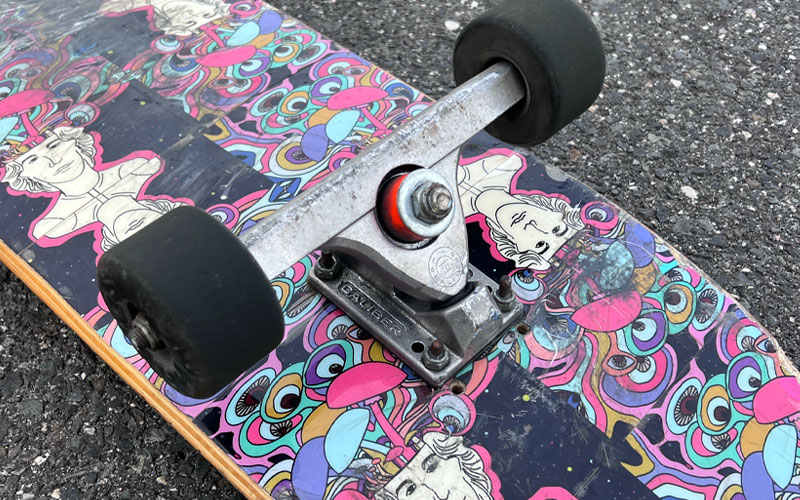
- Pivot cups are easy to overlook. Many beginners forget about the pivot cup, but it’s often the source of squeaks in the trucks. Lubricating this part can make your board much quieter.
- Squeaks change with weather. Humidity can cause bushings to swell and squeak more, while dry weather can make bearings noisy. Adjust your maintenance based on the season.
Credit: concretewaves.com
Common Myths About Squeaky Longboards
Some riders believe squeaks are “just part of skating. ” In reality, most squeaks are preventable and fixable. Another myth is that squeaks mean your board is new. While new bushings can squeak, proper lubrication stops it. A third myth is that WD-40 solves all squeaks.
As mentioned, it can actually harm bearings.
Long-term Care For A Quiet Ride
If you want a longboard that stays quiet for years:
- Clean and lubricate the bearings and bushings every few months.
- Inspect the deck for cracks regularly.
- Tighten hardware before every ride.
- Store the board in a cool, dry place.
- Replace parts as soon as they show wear.
Riders who follow these steps often enjoy smoother, safer rides and avoid noisy boards.
Frequently Asked Questions
Why Do My Longboard Wheels Squeak Even After Cleaning?
If your wheels squeak after cleaning, check the bearings. Sometimes, cleaning isn’t enough if the bearings are rusty or damaged. Try lubricating them with skate bearing oil. If the squeak continues, the bearings may need replacing.
Can Squeaky Bushings Affect My Turning?
Yes, squeaky bushings can make turning harder. Dry or cracked bushings lose flexibility, which can make your board feel stiff or unstable. Lubricate or replace bushings for smoother turns.
Is It Safe To Ride A Squeaky Longboard?
In most cases, a squeak is not dangerous. But if the squeak is from a cracked deck or loose hardware, it can be unsafe. Always check for damage and tighten parts before riding.
What Is The Best Lubricant For Longboard Squeaks?
The best lubricant is silicone spray for bushings and pivot cups, and skate bearing oil for bearings. Avoid WD-40 or thick greases; they attract dust and dirt.
Where Can I Learn More About Longboard Maintenance?
For more detailed tips and guides, visit SkateboardersHQ. This site offers expert advice, part reviews, and maintenance tutorials.
A squeaky longboard can be annoying, but it’s usually easy to fix. By understanding the causes, regularly maintaining your board, and using the right tools, you’ll enjoy a quiet, smooth ride every time. Don’t ignore squeaks—they’re your board’s way of asking for care.
With these practical steps and tips, you can keep your longboard rolling noiselessly and safely for years to come.