How to Wakeboard Without a Tower: Expert Tips and Tricks
Wakeboarding is a thrilling water sport, but many beginners and budget riders worry they need a tower on their boat to enjoy it. Towers are popular because they lift the tow rope higher, making jumps easier and giving more air time.
However, you can absolutely wakeboard without a tower—and have a great experience. This guide walks you through everything you need to know, from equipment choices to riding tips, and helps you avoid common mistakes.
Understanding Wakeboard Towers
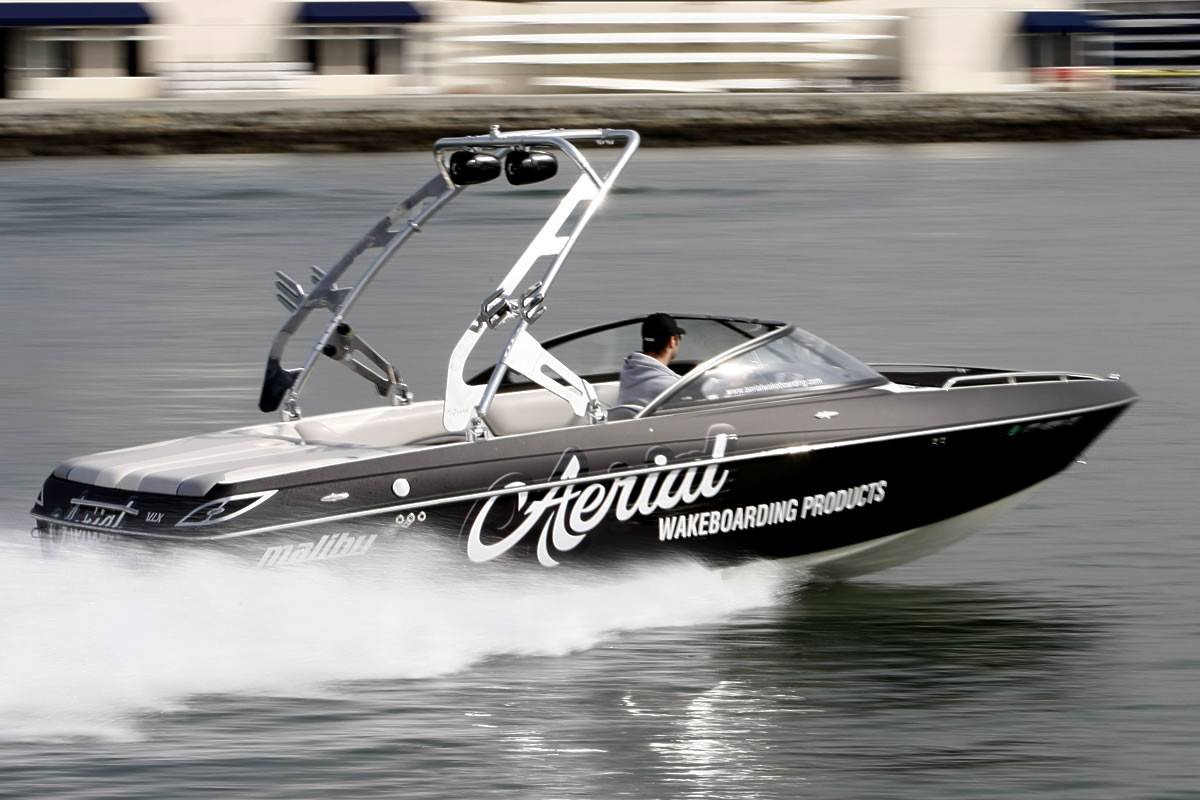
Before learning to ride without a tower, it’s important to know what a wakeboard tower does. A tower is a metal frame mounted to a boat, usually about 6 feet above the deck. It lifts the tow rope higher, which:
- Makes jumps easier by pulling you up, not down
- Reduces rope drag in the water
- Helps with tricks, especially spins and flips
But towers are expensive, require installation, and add weight to your boat. Not everyone wants or needs one. The good news? You can still wakeboard effectively with a low tow point.
Can You Really Wakeboard Without A Tower?
Absolutely. Many riders, especially beginners and casual enthusiasts, start without a tower. The main difference is the tow rope’s angle. With a tower, the rope pulls upward; without it, the rope is attached lower—usually to a ski pylon or the boat’s stern (transom).
Here’s what changes:
- You get less lift on jumps
- Rope may touch the water more often
- Tricks are harder, but not impossible
- It’s easier to start and control speed
Most recreational boats don’t have towers, but are still used for wakeboarding. Even professional riders learned the basics behind low tow points.

Credit: www.reddit.com
Choosing The Right Boat Setup
If you’re wakeboarding without a tower, your boat’s setup matters. Here are the key parts:
Tow Point Options
- Transom Eye: The most common anchor point. It’s the metal hook or ring at the back of the boat. Use a strong rope, and check for wear.
- Ski Pylon: Some boats have a removable pylon, about 3–4 feet high. It’s a better option than the transom, as it keeps the rope above engine spray.
- Cleat or Other Hardware: Never use a cleat or weak anchor; it’s unsafe.
Rope Selection
Wakeboard ropes come in two main types:
- Polyethylene ropes (non-stretch): Essential for wakeboarding. Stretchy ropes (like water ski ropes) absorb energy and make tricks harder.
- Length: For boats without a tower, use a rope 65–70 feet long. Shorter ropes keep you closer to the best part of the wake.
Handle Choice
Look for a wakeboard-specific handle, which is wider and softer than ski handles. This helps you grip comfortably and reduces hand fatigue.
Boat Speed
The ideal speed for wakeboarding is 18–22 mph. Without a tower, aim for the lower end (18–20 mph). This makes the wake easier to cross and reduces falls.
Boat Ballast
Ballast improves wake size. If your boat allows, add weight (sandbags, water bags, people) at the stern. Larger wakes help with jumps, even without a tower.
How To Wakeboard Without A Tower: Step-by-step
Let’s break down the process so you can get started safely and confidently.
1. Preparing Your Gear
- Check your life jacket fits snugly and is Coast Guard-approved.
- Inspect your board bindings for tightness.
- Attach the rope to the transom eye or ski pylon.
- Choose a rope length between 65–70 feet.
- Confirm your boat driver understands wakeboard speeds and signals.
2. Getting Up On The Board
Start in the water, knees bent, board perpendicular to the boat.
- Hold the handle with both hands.
- Signal the driver to start slowly.
- As the boat pulls, let the board rise naturally.
- Keep arms straight and knees bent; don’t stand up too soon.
- Once on plane, turn the board parallel to the boat’s path.
3. Riding And Balancing
With the rope attached lower, you’ll notice:
- The pull feels more forward than upward.
- The rope sometimes hits the water, adding drag.
Tips:
- Keep your weight centered over the board.
- Don’t lean too far back; you may get pulled forward.
- Practice riding inside and outside the wake at slow speeds.
4. Crossing The Wake
Without a tower, wake crossings need extra focus.
- Approach the wake with gentle edge.
- Bend your knees to absorb bumps.
- Keep the handle low and close to your hips.
- Avoid pulling up on the handle; let the wake lift you.
5. Attempting Jumps
You can still jump without a tower. The difference is the height.
- Edge toward the wake with moderate speed.
- Just before hitting the wake, stand tall (extend knees).
- Keep the handle low and steady.
- Land with knees bent, absorbing the impact.
Don’t expect big air; focus on clean landings and control.
6. Trying Tricks
Most beginner tricks are possible without a tower, including:
- Surface 180s
- Ollies (small jumps)
- Grabs
- Switch riding
Avoid spins or flips until you’re confident. Advanced tricks need more lift, but you can build skill and style.
Comparing Wakeboarding With And Without A Tower
To help you understand the real differences, here’s a comparison:
| Feature | With Tower | Without Tower |
|---|---|---|
| Rope Height | 5–6 feet above deck | Deck level (transom or pylon) |
| Jump Height | Higher, easier to get air | Lower, requires more effort |
| Trick Difficulty | Easier for spins/flips | Harder for advanced tricks |
| Wake Crossing | Smoother, less drag | Rope hits water, more drag |
| Cost | High (tower + install) | Low (no extra equipment) |
Safety Tips For Wakeboarding Without A Tower
Safety is always important, but even more so without a tower, since the rope is lower and can get tangled.
- Always wear a life jacket
- Use a non-stretch rope
- Keep the tow point clear of obstacles
- Never use a cleat or non-rated anchor point
- Communicate with your boat driver before starting
One insight many beginners miss: rope placement affects how the board reacts. If the rope is too low, you’ll feel extra downward pull—be prepared.
Improving Your Wakeboarding Skills
You may not get high jumps, but you can still improve skills without a tower.
Focus On Fundamentals
- Practice edge control: Learn to carve smoothly on both toeside and heelside.
- Master wake crossings: Cross at different speeds and angles.
- Build balance: Spend time riding switch (opposite foot forward).
Use Video Analysis
Record your sessions and watch for posture, rope handling, and board control. Many riders find mistakes they didn’t realize, like leaning too far back or pulling the handle upward.
Ride With Friends
Having someone watch and give tips helps you improve quickly. Even small corrections, like keeping your knees bent or arms straight, make a big difference.
Try Shorter Ropes
A beginner mistake is using a rope that’s too long. The best part of the wake is closer to the boat, so start with 65 feet and adjust as you get better.
Common Mistakes Riders Make Without A Tower
Avoid these errors to make your sessions safer and more fun:
- Using a stretchy ski rope: Always use a wakeboard rope.
- Attaching to a weak anchor point: Only use a rated transom eye or pylon.
- Setting boat speed too high: Stay at 18–20 mph for better control.
- Standing up too early: Let the board come to you during starts.
- Pulling up on the handle: Keep the handle low and steady.
A non-obvious insight: the rope’s angle also affects how the board cuts through the wake. If you notice difficulty crossing, try adjusting your approach angle.
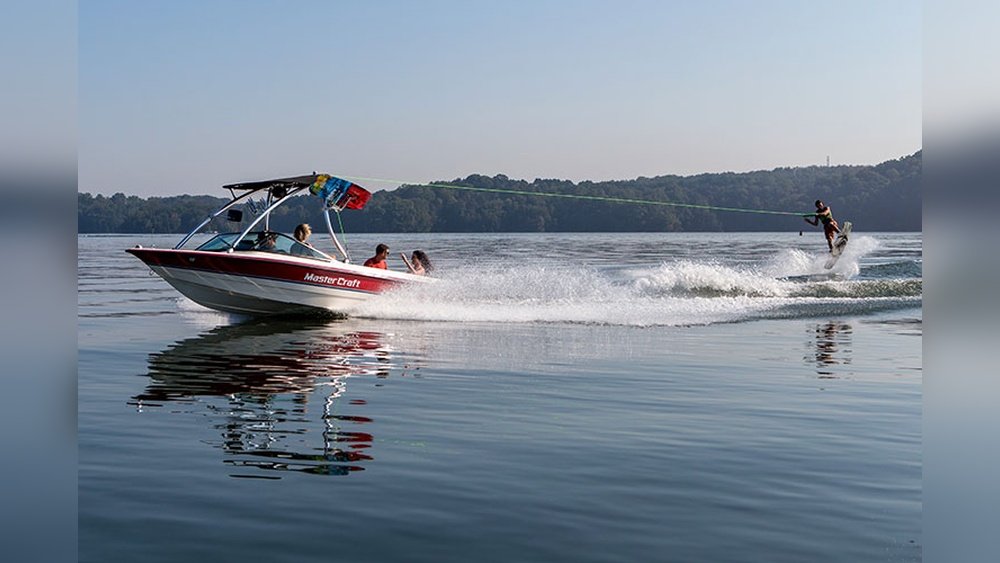
Credit: teamtalk.mastercraft.com
Upgrading Your Boat Without A Tower
If you want better wakeboarding but don’t want a full tower, consider these upgrades:
Add A Ski Pylon
A ski pylon raises the rope a few feet, improving wakeboarding performance. They’re cheaper than towers and easy to install.
Use Ballast Bags
Adding weight at the stern increases wake height. Experiment with different weights—too much can slow your boat, too little makes the wake small.
Install A Mirror
A good boat mirror lets your driver watch your ride and react quickly if you fall.
Upgrade Rope And Handle
A quality, non-stretch rope and wide handle make a big difference in comfort and performance.
Use Proper Board
Choose a wakeboard suited for your weight and riding style. Wider boards are easier for beginners and help with stability.
Wakeboarding Without A Tower: Real-world Examples
Thousands of riders enjoy wakeboarding on family boats, fishing boats, and runabouts without towers. Here are a few examples:
- Small lake boats: Many 18–20 foot boats with no towers are used for wakeboarding every weekend.
- Jet boats: Yamaha and Sea-Doo jet boats rarely have towers, but their owners wakeboard with ski pylons or transom eyes.
- Older ski boats: Classic ski boats rarely have towers; riders attach ropes to pylons and enjoy wakeboarding.
In all cases, the key is understanding your equipment and adjusting your expectations.
Cost Comparison: Tower Vs. No Tower
Let’s look at the cost difference:
| Upgrade | Average Cost | Benefits |
|---|---|---|
| Wakeboard Tower | $1,500–$3,000 | Higher rope, bigger air, more tricks |
| Ski Pylon | $200–$500 | Moderate rope height, better wake |
| Ballast Bags | $100–$400 | Improved wake size |
| Rope & Handle | $50–$150 | Comfortable grip, less stretch |
If you’re on a budget, skip the tower and start with a ski pylon or ballast bags.
Wakeboarding Without A Tower: Pros And Cons
Here’s a quick overview:
Pros:
- Lower cost, more accessible for families
- Easier starts for beginners
- Less boat modification needed
- Can use almost any boat
Cons:
- Lower jumps, harder tricks
- Rope may drag in water
- Less “pro” feel
Non-obvious insight: Without a tower, you develop better board control and fundamentals, since you can’t rely on extra air.
Maximizing Fun Without A Tower
You don’t need a tower to have fun. Here are ways to enjoy wakeboarding:
- Focus on style: Clean landings, smooth turns, and grabs look great.
- Ride with friends: More social and safer.
- Try different boards: Wider boards help beginners, advanced boards for skilled riders.
- Challenge yourself: Try new tricks, ride switch, or master wake crossings.
Environmental And Boat Limitations
Some lakes or rivers don’t allow towers, or your boat simply can’t support one. In these cases, learning to wakeboard without a tower is essential.
- Always check local regulations
- Avoid overloading your boat with ballast
- Make sure anchor points are strong and safe
One mistake beginners make: ignoring the boat’s balance. Too much weight on one side makes wakeboarding harder and can damage the boat.
How To Progress As A Rider
Wakeboarding without a tower teaches important skills:
- Balance: You learn to ride with less lift.
- Edge control: Crucial for crossing wakes.
- Landing technique: Perfect landings at low height.
As you improve, you can upgrade your gear or move to tower-equipped boats. But remember, many skilled riders started without towers.
Frequently Asked Questions
What Is The Best Rope Length For Wakeboarding Without A Tower?
The ideal rope length is 65–70 feet. This keeps you close to the best part of the wake and makes crossings easier. Shorter ropes help beginners, while longer ropes are for advanced riders.
Can I Do Tricks Without A Tower?
Yes, you can do basic tricks like surface 180s, ollies, grabs, and switch riding. Advanced tricks like flips are harder, but with practice and strong fundamentals, you can progress.
Is It Safe To Wakeboard Without A Tower?
It is safe if you use the correct anchor point, a non-stretch rope, and proper safety gear. Never attach the rope to a weak or non-rated spot. Always communicate with your boat driver.
How Can I Make The Wake Bigger Without A Tower?
Add ballast bags or weight to the stern of your boat. More weight increases wake size. Make sure not to overload your boat, and distribute weight evenly for best results.
Do Professional Wakeboarders Use Towers?
Most professionals use towers for tricks and competitions. However, many learned basics without towers, and some still ride towerless for fun. For more information on wakeboarding history and professional gear, visit Wikipedia.
Wakeboarding is about fun, skill, and enjoying the water. Whether you have a tower or not, you can progress, stay safe, and make lasting memories. The key is understanding your equipment, practicing fundamentals, and enjoying every session.
Credit: aerialwakeboarding.com