
The world of skateboarding, often associated with gritty urban landscapes and rebellious freedom, is undergoing a significant shift. As environmental consciousness grows across all consumer sectors, skaters are increasingly looking for ways to align their passion with their values. The good news is that the industry is responding. From sustainably sourced wood for decks to recycled materials for wheels and apparel, a growing number of eco friendly skateboard brands are emerging, offering riders choices that are kinder to the planet without compromising on performance or style.
This evolution is driven by a desire to reduce the environmental footprint of skateboarding, a sport that, like many others, can have a tangible impact on natural resources. The production of skateboards involves wood, plastics, metals, and paints, all of which have associated environmental costs. Furthermore, the transportation and disposal of these products contribute to carbon emissions and waste. Recognizing this, innovative companies are pioneering new methods and materials, demonstrating that sustainability and shredding can go hand-in-hand. This article explores the landscape of eco-conscious skateboarding, highlighting brands, materials, and practices that are paving the way for a greener future in skate culture.
Key Takeaways
-
-
Growing Popularity of Eco-Friendly Skateboard Brands: A growing number of eco friendly skateboard brands are offering sustainable alternatives for decks, wheels, trucks, and apparel.
-
Sustainable Materials Used in Skateboard Manufacturing: Sustainable materials include recycled plastics, bamboo, hemp, cork, FSC-certified wood, and ethically sourced wood.
-
Ethical and Sustainable Skateboard Manufacturing Practices: Brands are focusing on reduced-waste manufacturing, ethical labor practices, local production, and long-lasting product design.
-
Choosing Environmentally Responsible Skateboarding Products: Choosing eco-friendly options often means checking certifications, supply-chain transparency, and whether the brand offers repair, reuse, or take-back solutions.
-
Cost and Long-Term Value of Eco-Friendly Skateboard Products: Some eco-friendly products may cost more upfront, but durability, lower replacement rates, and reduced waste can improve long-term value.
-
The Future of Sustainability in Skateboarding: The trend toward sustainability in skateboarding reflects broader consumer demand for environmentally responsible products.
-
The Growing Demand For Sustainable Skateboarding
The skateboarding community, while often perceived as counter-culture, is deeply connected to the environment. Skaters seek out parks, street spots, and natural terrain, making them inherently aware of their surroundings. This connection naturally fosters a desire to protect the spaces they use and love. As global awareness of climate change and environmental degradation intensifies, this sentiment is translating into consumer choices. Skaters are no longer just looking for the best pop or the smoothest ride; they are increasingly asking: “What is this board made of, and how does its production affect the planet?”
This demand is pushing manufacturers to innovate. The traditional skateboard deck, typically made from maple wood, has an environmental footprint tied to forestry, processing, adhesives, and shipping. Similarly, urethane wheels are petroleum-based. Recognizing these challenges, forward-thinking companies are exploring alternative materials and manufacturing processes that minimize harm. This includes utilizing recycled content, renewable resources, low-VOC adhesives and finishes, and closed-loop production systems. The shift toward sustainability is not just a niche trend; it’s becoming a mainstream expectation within the skateboarding industry, mirroring broader consumer movements toward ethical and eco-conscious purchasing.
Understanding The Environmental Impact Of Traditional Skateboards
A standard skateboard is a complex assembly of components, each with its own environmental story. The maple wood used for decks, while often sourced from managed forests, still involves logging, transport, and energy consumption during manufacturing. The glues and resins used to laminate the wood can also contain volatile organic compounds (VOCs) that are harmful to factory workers and the environment.
The wheels, typically made from polyurethane, are derived from petroleum. Their production contributes to fossil fuel extraction and processing, and while urethane is durable, discarded wheels eventually become waste. Trucks, made from aluminum or magnesium alloys, require energy-intensive mining and manufacturing. Even the grip tape, often made from silicon carbide or aluminum oxide, involves abrasive materials and adhesives. The cumulative impact of these materials and processes, from raw material extraction to end-of-life disposal, highlights the need for more sustainable alternatives.
The Rise Of Eco-conscious Brands
Fortunately, the skateboarding world is not without its pioneers in sustainability. Numerous brands are stepping up to the challenge, integrating eco-friendly practices into their core business models. These companies are not just producing skateboards; they are building a movement toward a more responsible industry. They are demonstrating that it’s possible to create high-performance equipment while prioritizing environmental stewardship.
These brands often differentiate themselves through their material choices, manufacturing processes, and overall business philosophy. They might use recycled materials for decks or wheels, opt for bamboo or hemp for their rapid renewability, or implement waste-reduction strategies in their factories. Their commitment can also extend beyond the product itself, often encompassing ethical labor practices, community involvement, and transparent supply chains. By choosing these brands, skaters can support businesses that are actively working to minimize their environmental footprint and promote a healthier planet.

Credit: thedarkslide.com
Sustainable Materials In Skateboard Manufacturing
The heart of any eco-friendly skateboard lies in its materials. Innovators are constantly exploring and implementing new ways to create skateboards using resources that are renewable, recycled, or less impactful on the environment. This focus on materials is crucial for reducing the overall ecological footprint of the sport.
Wood Alternatives And Ethical Sourcing
Maple wood has been the standard for skateboard decks for decades due to its strength and flexibility. However, concerns about forestry impacts and the energy-intensive processing of wood have led to the exploration of alternatives.
-
- Bamboo: This fast-growing grass is a highly sustainable option. Bamboo can regenerate quickly after harvesting, and it is known for its strength-to-weight ratio, making it a practical material for decks. Brands using bamboo often highlight its natural flex and durability.
- Hemp: Hemp is a rapidly renewable resource that requires relatively little water and can be grown with fewer pesticide inputs than many conventional crops. Hemp fibers can be used to create composite materials that are strong and lightweight, offering a unique feel and good durability for skateboard decks.
- Reclaimed or Recycled Wood: Some manufacturers use salvaged wood from old buildings, furniture, or discarded boards. This reduces the need for virgin timber and diverts waste from landfills. However, structural integrity and consistency can be harder to guarantee than with new laminate wood.
Recycled And Bio-based Plastics
The wheels, trucks, and even some deck components traditionally rely on petroleum-based plastics and metals. The shift toward sustainability involves finding alternatives:
-
- Recycled Urethane: Companies are experimenting with collecting and reprocessing old skateboard wheels to create new ones. This closed-loop system can reduce plastic waste and the need for virgin petrochemicals, though performance consistency may vary by brand and formula.
- Bio-Based Plastics: Research is ongoing into plastics derived from renewable sources such as corn starch or algae. These bioplastics aim to offer similar performance to traditional plastics, but claims about biodegradability should be checked carefully, since many bioplastics require industrial composting conditions.
- Recycled Metals: For trucks and hardware, the use of recycled aluminum and other metals is becoming more common. Recycling metals is far less energy-intensive than extracting and processing virgin ore.
Eco-friendly Adhesives And Finishes
Beyond the core materials, the glues and finishes used in skateboard manufacturing also have environmental implications. Many traditional adhesives release VOCs, which are harmful air pollutants.
-
- Water-Based Glues: Manufacturers are increasingly opting for water-based or low-VOC adhesives that are safer for workers and the environment. These glues can offer comparable strength to traditional options.
- Natural or Water-Based Finishes: Instead of harsh lacquers or paints, some brands use natural oils, waxes, or water-based finishes to protect and beautify the wood. This reduces chemical exposure and waste.
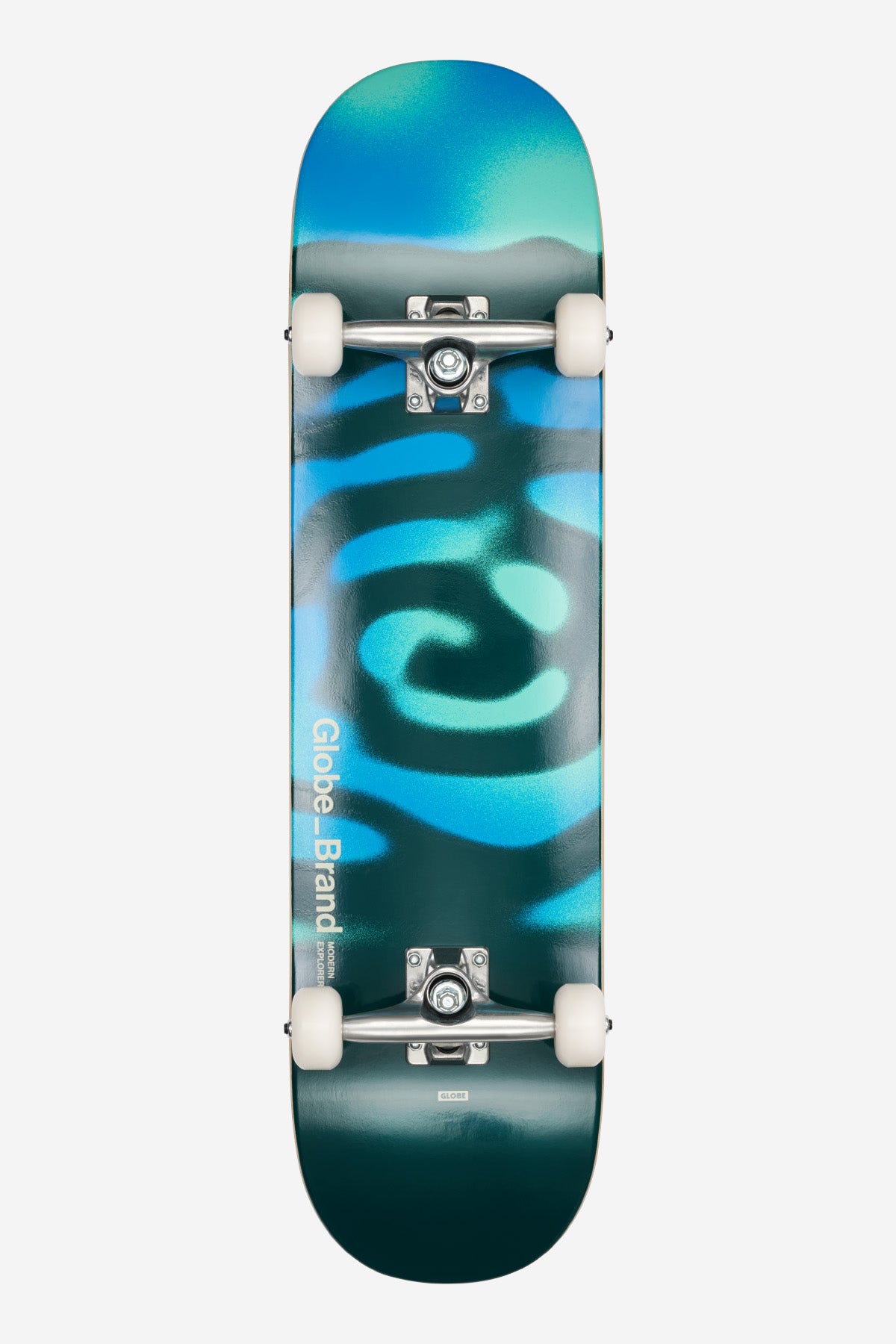
Credit: globebrand.com
Leading Eco-conscious Skateboard Brands
The market for sustainable skate gear is growing, with several brands making significant strides in environmental responsibility. These companies are not just selling products; they are championing a more conscientious approach to skateboarding.
Arbor Collective
Arbor Collective is a prominent name in the eco-friendly action sports scene. Founded with a commitment to environmental responsibility, their mission is to build premium skateboards with a smaller footprint.
-
- Deck Materials: Arbor uses sustainably sourced wood and bamboo, and it has highlighted use of responsibly managed forest products across its skate line. It also promotes boards built with recycled and bio-based materials in some product families.
- Environmental Initiatives: Arbor is associated with tree-planting and forest-support programs, including 1% for the Planet involvement and reforestation efforts.
- Product Range: While renowned for longboards, Arbor also offers street and park decks, all designed with sustainability in mind.
Comply Skateboards
Comply Skateboards is a UK-based brand that has carved out a niche by focusing on recycled materials. Their mission is to reduce the waste generated by the skateboard industry by giving discarded materials a new life.
-
- Deck Construction: Comply’s signature product is a deck made from recycled plastic. They collect plastic waste, including old skateboards, household items, and fishing nets, and process it into a durable material for their decks.
- Durability and Performance: While the material is recycled, Comply emphasizes durability and water resistance. Performance feel can differ from traditional wooden decks, so riders should compare shape, stiffness, and weight before buying.
- Environmental Impact: By using recycled plastic, Comply reduces demand for virgin materials and diverts waste from landfills and oceans. Their process reflects circular economy principles applied to skateboarding.
Longboard Larry
While primarily known for longboards, Longboard Larry has a strong commitment to sustainability and local manufacturing. They emphasize using materials that are as environmentally friendly as possible and prioritize keeping their production processes close to home.
-
- Material Choices: Longboard Larry often uses sustainably harvested wood, including maple and bamboo. They are mindful of wood sourcing and may incorporate cork in some builds for shock absorption and renewability.
- Local Production: By manufacturing in the USA, they can reduce transportation emissions and improve oversight of quality control and labor standards.
- Durability: Their focus on quality construction means their boards are built to last, which supports sustainability because products that last longer need to be replaced less often.
Element Skateboards (eco-conscious Lines)
Element Skateboards, a well-established name in the skate industry, has made notable efforts to incorporate sustainability into selected product lines. While not exclusively an eco-brand, its environmental initiatives and specific eco-friendly product ranges are noteworthy.
-
- The brand has promoted eco-conscious deck lines built with responsibly sourced wood and lower-impact adhesives/finishes in some collections, along with broader sustainability efforts across apparel and accessories.
- Recycled Materials: Element has also explored recycled materials in its apparel and accessories, extending its sustainability efforts beyond decks.
- Reforestation Efforts: Element has supported tree-planting initiatives and environmental partnerships. The broad pattern matters more than any single claim: buyers should verify the current product page and sustainability statement before purchase.
Other Brands To Watch
Beyond these established names, a growing number of smaller, independent brands are emerging with a strong focus on sustainability. These often operate with a more direct-to-consumer model, allowing them greater control over their supply chain and manufacturing processes. Examples include:
-
- Roarockit: While not a complete board brand, Roarockit provides eco-friendly materials and vacuum bagging systems for DIY skateboard builders, encouraging sustainable practices at the hobbyist level. They offer materials like bamboo and hemp for custom board construction.
- Powell Peralta (Eco-Deck Series): Even legacy brands have introduced eco-conscious lines, showing that established players are also adapting to the demand for greener options.
- Bureo: This brand is widely associated with turning discarded fishing nets into skateboard-related products, making it a strong example of ocean-waste upcycling and circular design.
- Bamboo Skateboards and similar bamboo-first brands are common competitor examples in this topic and are often highlighted by search results for sustainable skate gear.
Evaluating The Sustainability Of A Skateboard Brand
When looking for an eco friendly skateboard brand, it’s important to look beyond marketing claims. True sustainability involves a holistic approach to business and manufacturing. Here are key factors to consider:
Certifications And Standards
While the skateboard industry doesn’t have a single, universally recognized eco-certification, certain standards can indicate a brand’s commitment:
-
- FSC (Forest Stewardship Council) Certification: For wood products, FSC certification indicates the timber comes from responsibly managed forests that protect biodiversity and the rights of indigenous peoples.
- 1% for the Planet: Brands that are members commit to donating 1% of annual sales to environmental nonprofits.
- B Corp Certification: B Corp status signifies that a company meets verified standards for social and environmental performance, public transparency, and legal accountability.
Transparency In Manufacturing And Supply Chain
An authentic eco-friendly brand will be transparent about its processes. Look for information on:
-
- Material Sourcing: Where do they get their wood, plastics, and metals? Are these sources renewable, recycled, or ethically managed?
- Manufacturing Processes: Do they use energy-efficient methods? Are they minimizing waste and pollution? Do they use low-VOC glues and finishes?
- Labor Practices: Are workers treated fairly and paid a living wage? Are manufacturing facilities safe?
- End-of-Life Solutions: Does the brand offer recycling, repair, or take-back programs for responsible disposal?
Product Durability And Longevity
A truly sustainable product is one that lasts. Brands that focus on high-quality construction and durable materials contribute to sustainability by reducing the frequency of replacements. A board that breaks easily or wears out quickly, regardless of its materials, ultimately contributes more to waste.
Packaging And Shipping
Consider how the skateboard and its components are packaged. Are they using minimal, recycled, or recyclable packaging materials? How are they shipping their products? Brands that offset shipping emissions or use eco-friendly logistics demonstrate a broader commitment.
How To Compare Eco-friendly Features Before Buying
Use a simple buying checklist:
-
- Check whether the deck uses FSC-certified wood, bamboo, hemp, reclaimed wood, or recycled plastic.
- Look for low-VOC or water-based glue and finish claims.
- Confirm whether the brand publishes supply-chain, labor, or impact information.
- Check whether the board matches your riding style, since cruisers, longboards, and street decks may use different sustainable construction methods.
- Compare durability, flex, water resistance, and replacement parts availability before deciding.
Comparison Of Eco-friendly Features
To help you compare, here’s a look at how different brands or material choices stack up:
| Feature | Description | Environmental Benefit | Potential Drawbacks |
|---|---|---|---|
| Bamboo Decks | Made from fast-growing bamboo grass. | Renewable resource, low water/pesticide use, strong and lightweight. | Can be more expensive; sourcing should be verified for sustainability and construction quality. |
| Recycled Plastic Decks | Made from post-consumer or industrial plastic waste. | Diverts waste from landfills/oceans, reduces demand for virgin plastic. | Manufacturing can be energy-intensive, and ride feel may differ from wood. |
| FSC-Certified Maple Decks | Maple wood from responsibly managed forests. | Supports sustainable forestry and biodiversity protection. | Still involves wood harvesting and processing; less renewable than bamboo. |
| Recycled Urethane Wheels | Made from reclaimed skateboard wheels or similar feedstock. | Reduces waste and conserves petrochemical resources. | Performance consistency can vary, and collection infrastructure is needed. |
| Low-VOC Glues/Finishes | Adhesives and coatings with reduced harmful chemicals. | Improves air quality, safer for workers and the environment. | May require specific application methods and can cost slightly more. |
The Future Of Sustainable Skateboarding
The momentum toward eco-conscious skateboarding is undeniable. As technology advances and consumer awareness grows, more innovative solutions will likely emerge. The industry is moving beyond offering a few “green” products and is increasingly integrating sustainability into core product development and brand identity.
Innovations In Materials And Technology
The search for better, more sustainable materials will continue. We may see increased use of advanced natural-fiber composites, improved bioplastics, and more effective metal recycling for trucks and hardware. Technologies like 3D printing could also play a role, enabling on-demand production with less waste.
Circular Economy Models
The concept of a circular economy, where products are designed for longevity, reuse, and recycling, is gaining traction. Brands are exploring take-back programs, repair services, and modular designs that allow components to be replaced or upgraded. This shifts the focus from a linear “take-make-dispose” model to one that keeps materials in use for as long as possible.
Growing Consumer Influence
Ultimately, the direction of the industry is heavily influenced by skater demand. As more riders prioritize sustainability, brands will be compelled to adapt. This includes greater transparency, more eco-friendly product offerings, and a genuine commitment to environmental stewardship. Skaters have the power to drive change by supporting brands that align with their values and by advocating for more sustainable practices within the community.
The Role Of Skate Parks And Infrastructure
Sustainability also extends to the infrastructure that supports skateboarding. This includes building skate parks using environmentally friendly materials, incorporating green spaces, and implementing sustainable water management practices. Many modern skate parks are designed with community and environmental impact in mind.
The journey toward a fully sustainable skateboarding industry is ongoing, but the progress made by brands and the growing awareness among skaters are promising. By making informed choices and supporting companies committed to the planet, riders can ensure that their passion for skateboarding contributes positively to the world around them.
Frequently Asked Questions
What Makes A Skateboard “eco-friendly”?
An eco-friendly skateboard is typically defined by its materials, manufacturing process, and the brand’s overall environmental commitment. This includes using sustainable or recycled materials for the deck (like bamboo, hemp, or reclaimed wood), wheels (recycled urethane), and trucks (recycled aluminum). It also involves manufacturing processes that minimize waste, reduce energy consumption, and avoid harmful chemicals like VOCs in glues and finishes. Brands with transparent supply chains, ethical labor practices, and environmental initiatives like reforestation or clean-ups are also considered eco-friendly.
Are Eco-friendly Skateboards As Durable As Traditional Ones?
The durability of eco-friendly skateboards depends on the specific materials and manufacturing quality. Many bamboo- or recycled-material boards can be just as durable as traditional maple decks, but riders should check the board’s stiffness, flex, and intended use before buying. For example, bamboo often offers an excellent strength-to-weight ratio, while recycled plastic decks may offer strong water resistance. However, the best choice depends on skating style, terrain, and whether the board is built for cruising, downhill, or street riding.
Are There Eco-friendly Options For All Skateboard Components (decks, Wheels, Trucks, Etc.)?
Yes, there are increasingly eco-friendly options for all skateboard components.
-
- Decks: Bamboo, hemp, reclaimed wood, FSC-certified maple, and recycled plastic are common alternatives to traditional maple.
- Wheels: Recycled urethane is becoming more available, and some brands are exploring bio-based alternatives.
- Trucks: Many brands now offer trucks made from recycled aluminum or magnesium alloys.
- Bearings: While less common to find explicitly “eco-friendly” bearings, brands focused on sustainability may ensure their suppliers use ethical manufacturing processes.
- Grip Tape: Some companies are experimenting with grip tapes made from recycled materials or natural abrasives.
- Apparel and Accessories: Numerous brands offer clothing and accessories made from organic cotton, recycled polyester, and other sustainable materials, aligning with the overall eco-conscious skate lifestyle.