
The allure of personal, on-demand transportation has led to the rise of many innovative devices, and among the most popular in recent years has been the hoverboard. These self-balancing personal transporters, often resembling a futuristic skateboard without wheels, offer a unique and engaging way to move around. However, beneath the exciting facade, a darker narrative has emerged: reports and incidents of hoverboards catching fire or exploding. This phenomenon, while not exclusive to hoverboards, has raised significant safety concerns and led to widespread scrutiny of the technology and its manufacturers.
Understanding why these devices sometimes fail so catastrophically is crucial for consumers, regulators, and manufacturers alike. It’s not a simple matter of a single faulty component, but rather a complex interplay of design choices, manufacturing processes, and the inherent risks associated with battery technology. The desire for more power, longer ride times, and lower costs has, in many cases, led to compromises that can have dangerous consequences.
Key Takeaways
-
- Lithium-ion Battery Defects: The primary culprit behind hoverboard explosions is typically a malfunction within the lithium-ion battery packs, often due to manufacturing defects, poor quality control, or improper design.
- Thermal Runaway: A critical failure mode is thermal runaway, where a defect causes an internal short circuit, leading to rapid temperature increases and an uncontrollable chain reaction of heat and fire.
- Charging and Usage Errors: While less common than manufacturing defects, improper charging practices, using incompatible chargers, or physical damage to the battery can also trigger hazardous events.
- Substandard Components and Manufacturing: Cost-cutting measures by some manufacturers often result in the use of low-quality battery cells, inadequate safety circuits, and poor assembly, increasing the risk of failure.
- Regulatory and Certification Issues: A lack of stringent, universally enforced safety standards initially allowed many unsafe hoverboards onto the market, exacerbating the problem.
- Consumer Awareness is Key: Buyers should prioritize certified products (e.g., UL 2272), verify certification carefully, and follow manufacturer guidelines for charging and use to mitigate risks.
The Core Of The Problem: Lithium-ion Battery Technology
At the heart of every hoverboard lies its power source: a rechargeable lithium-ion battery pack. These batteries are favored for their high energy density, meaning they can store a lot of energy in a small, lightweight package, which is ideal for portable devices. However, lithium-ion batteries are also inherently volatile if not manufactured and managed correctly.
How Lithium-ion Batteries Work (and Fail)
Lithium-ion batteries store and release energy through the movement of lithium ions between a positive electrode (cathode) and a negative electrode (anode), separated by an electrolyte. This process is generally safe and efficient. However, several factors can disrupt this delicate balance and lead to failure:
-
- Internal Short Circuits: The most common cause of battery fires is an internal short circuit. This can happen if the separator between the anode and cathode is damaged or defective, allowing the electrodes to come into direct contact. This contact can generate intense heat very rapidly.
- Overcharging: Charging a lithium-ion battery beyond its maximum voltage can cause the electrolyte to decompose, generating gases and increasing internal pressure. In some cases, this can lead to swelling, rupture, and ignition.
- Physical Damage: Puncturing, crushing, or deforming the battery can damage the internal structure, leading to short circuits.
- Manufacturing Defects: Tiny metallic particles, impurities, or imperfections introduced during the manufacturing process can create microscopic pathways for current to leak, leading to localized heating and potential short circuits over time.
The “thermal Runaway” Phenomenon
When a lithium-ion battery experiences an internal short circuit or overheating, it can enter a state known as thermal runaway. This is a dangerous chain reaction:
-
- A localized defect causes a small amount of heat.
- This heat increases the rate of chemical reactions within the battery.
- These reactions generate more heat, further accelerating the chemical reactions.
- The temperature rises rapidly, leading to venting of flammable gases, smoke, and eventually ignition.
Once thermal runaway begins, it is extremely difficult to stop. The battery essentially becomes a self-contained, rapidly escalating fire hazard. This is why hoverboard fires can be so sudden and intense.

Credit: www.hoverboards.co.uk
Manufacturing And Design Flaws: The Leading Causes
While the inherent nature of lithium-ion batteries presents a baseline risk, the vast majority of hoverboard explosions can be traced back to specific flaws introduced during their design and manufacturing, particularly by less reputable companies seeking to cut costs.
Substandard Battery Cells And Components
Many early hoverboards, and indeed many still on the market, were built using cheap, unbranded, or counterfeit battery cells. These cells often lack the rigorous quality control and safety features found in reputable brands.
-
- Inconsistent Quality: These cells may have variations in their internal chemistry, electrode thickness, or separator integrity, making them prone to defects.
- Lack of Safety Features: Reputable battery manufacturers incorporate internal safety mechanisms, such as Positive Temperature Coefficient (PTC) devices or Current Interrupt Devices (CIDs), which are designed to limit current or shut down the cell if it overheats. Low-cost cells often omit these features.
- Poor Pack Assembly: Even if individual cells are of decent quality, the way they are assembled into a battery pack is critical. This includes the quality of the welding connecting the cells, the insulation between them, and the Battery Management System (BMS). A faulty BMS, designed to monitor and regulate voltage, current, and temperature, can fail to prevent dangerous conditions.
Inadequate Safety Circuits And Protection
Beyond the individual battery cells, the hoverboard’s overall electrical system plays a vital role in safety. Many cheaper models skimp on these critical components:
-
- Overcharge Protection: The circuitry responsible for stopping the charging process when the battery is full might be poorly designed or absent altogether, leading to overcharging.
- Short Circuit Protection: Fuses or other protection mechanisms that should cut power in the event of a short circuit might be missing or inadequate.
- Temperature Monitoring: While the BMS should monitor temperature, a poorly implemented system might not react quickly enough to prevent thermal runaway.
Case Study: The Hoverboard Fire Wave Of 2015-2016
The period between late 2015 and early 2016 saw a dramatic surge in hoverboard fires and explosions globally. This led to widespread recalls and bans by major retailers and even transportation authorities. Consumer safety agencies identified a common thread: poorly manufactured battery packs and charging systems.
This wave of incidents highlighted the critical need for better oversight and consumer awareness regarding the safety of these devices.
Credit: www.businessinsider.com
Charging And Usage: User-related Risks
While manufacturing defects are the most common cause, user behavior can also contribute to hoverboard incidents, often by exacerbating existing vulnerabilities or by mishandling the device.
Improper Charging Practices
The way a hoverboard is charged is a critical period for potential failure. Mistakes here can push a borderline-defective battery over the edge.
-
- Using the Wrong Charger: Hoverboards are designed to work with specific chargers that deliver the correct voltage and current. Using a generic or incompatible charger can lead to overcharging, overheating, or damage to the battery’s charging circuitry. Always use the charger supplied with the device or a certified replacement recommended by the manufacturer.
- Charging Unattended: Leaving a hoverboard to charge overnight or without supervision significantly increases the risk, as a malfunction could go unnoticed until it escalates into a fire. It’s best practice to charge in an open area, away from flammable materials, and monitor the charging process.
- Charging on Flammable Surfaces: Charging a hoverboard on a carpet, bed, or other combustible material means that if a fire does start, it can spread rapidly. Always charge on a hard, non-flammable surface like tile or concrete.
Physical Damage And Environmental Factors
The ruggedness of hoverboards, designed for everyday use, can be tested by impacts and environmental conditions.
-
- Impacts and Drops: Dropping a hoverboard or subjecting it to significant impacts can damage the battery pack internally, even if there are no visible signs of damage. This internal damage can lead to short circuits later on.
- Water Damage: While most hoverboards are not waterproof, exposure to moisture can cause corrosion within the electrical system, potentially leading to short circuits.
- Extreme Temperatures: Exposing batteries to extreme heat or cold can degrade their performance and potentially compromise their safety. It’s advisable to store and operate hoverboards within their recommended temperature ranges.
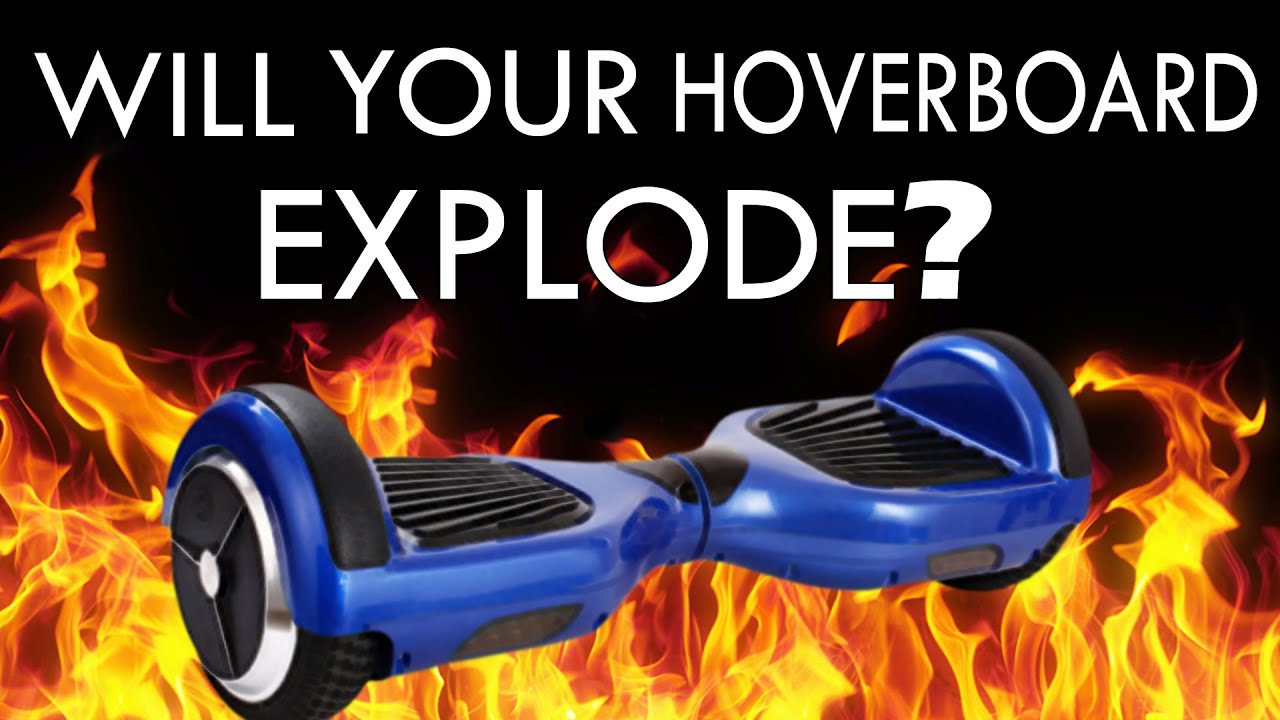
Credit: www.youtube.com
The Role Of Regulation And Certification
The early days of the hoverboard market were characterized by a Wild West atmosphere, where safety standards were often an afterthought. This allowed a flood of potentially dangerous products to reach consumers.
The Need For Standards: Ul 2272
Recognizing the widespread safety issues, organizations like Underwriters Laboratories (UL) developed specific safety standards for these devices. The most important of these is UL 2272.
-
- What UL 2272 Entails: This standard does not test the hoverboard’s performance or durability but focuses exclusively on the electrical system, including the battery, charger, and wiring. It involves rigorous testing to ensure the device can withstand various conditions without overheating, short-circuiting, or catching fire.
- Testing Protocols: Tests include overcharge, short-circuit, impact, immersion, temperature cycling, and endurance testing to simulate real-world use and potential abuse.
- Impact on the Market: The introduction of UL 2272 certification has been instrumental in improving hoverboard safety. Major retailers and shipping companies now often refuse to carry or sell hoverboards that are not UL 2272 certified.
The Challenge Of Enforcement
Despite the existence of standards like UL 2272, enforcement remains a challenge.
-
- Counterfeit Certifications: Some manufacturers have been found to use fake UL logos or to claim certification without actually passing the tests. Consumers must be vigilant and verify certifications through UL’s official databases.
- Global Supply Chains: The complexity of global manufacturing and supply chains makes it difficult to track and control every product entering the market.
- Older Inventory: Even with newer standards, older, non-certified hoverboards may still be in circulation or available through secondary markets.
Identifying A Safe Hoverboard: What Consumers Should Look For
Given the risks, consumers need to be informed and cautious when purchasing and using hoverboards. Prioritizing safety over price is paramount.
Red Flags To Watch Out For
Before buying, be aware of these warning signs that suggest a hoverboard might be unsafe:
-
- Unrealistic Low Price: If a hoverboard is significantly cheaper than comparable models from reputable brands, it’s a strong indicator that corners have been cut, likely on safety components.
- Lack of Brand Reputation: Stick to well-known brands with a history of producing quality electronics. Be wary of generic or unbranded devices.
- Missing Safety Certifications: A hoverboard that does not clearly display a UL 2272 certification logo on its packaging and/or in its manual should be avoided.
- Poor Build Quality: Inspect the device for loose parts, flimsy construction, or gaps in the casing.
- Vague or Missing Specifications: Reputable manufacturers will provide clear details about battery capacity, charging times, and safety features.
- Secondhand or kiosk sales: Avoid buying from kiosk sellers or used-market listings without proof of UL 2272 compliance, because older or mismarked units may be unsafe.
- Just one part claimed UL compliant: A UL-compliant battery pack or charger alone does not mean the entire hoverboard meets UL 2272.
The Importance Of Ul 2272 Certification
As mentioned, UL 2272 certification is the single most important indicator of a hoverboard’s electrical safety.
-
- Verification: Always look for the official UL holographic label on the product and its packaging. Verify the model in the UL Product iQ database if possible.
- Peace of Mind: While not a guarantee against all possible failures, UL 2272 testing significantly reduces the risk of catastrophic battery incidents.
Battery Pack Quality And Design
Even within certified devices, variations in battery pack quality exist.
-
- Reputable Battery Brands: While manufacturers often don’t explicitly state the brand of cells used, devices from established electronics companies are more likely to use reliable battery suppliers.
- Battery Management System (BMS): A robust BMS is crucial for managing charging, discharging, and temperature. While difficult for consumers to assess directly, it’s a key component that certified devices are expected to have implemented correctly.
Comparison Of Hoverboard Safety Features
To better understand what makes a hoverboard safer, let’s compare key features across different tiers of products.
| Feature | Low-Cost/Uncertified Hoverboard | Mid-Range/Certified Hoverboard (UL 2272) | Premium/High-End Certified Hoverboard |
|---|---|---|---|
| Battery Cells | Unbranded, generic, potentially counterfeit, low-quality | Branded or reputable unbranded cells, higher quality control | Top-tier branded cells (e.g., Samsung, LG, Panasonic), stringent QC |
| Battery Pack Assembly | Poor soldering, inadequate insulation, basic BMS | Professional assembly, proper insulation, functional BMS | Advanced BMS with multiple safety monitoring points, robust assembly |
| Charging System | Generic charger, potential for overcharging, basic protection | Certified charger, overcharge protection, short-circuit protection | High-quality charger, advanced charging control, thermal monitoring |
| Safety Certification | None, or fake/unverified | UL 2272 Certified | UL 2272 Certified (often with additional internal testing) |
| Fire/Explosion Risk | High | Low to Moderate | Very Low |
| Price Range | Under $150 | $200 – $400 | $400+ |
| Overall Reliability | Low | Moderate to High | High |
Best Practices For Safe Hoverboard Operation And Maintenance
Owning a hoverboard doesn’t end with the purchase; ongoing care and responsible usage are vital for maintaining safety.
During Charging
-
- Always use the original charger or a certified replacement.
- Charge on a hard, non-flammable surface, away from clutter and flammable materials.
- Do not charge unattended, especially overnight.
- Stop charging if the battery pack or charger becomes excessively hot.
- Avoid charging in extreme temperatures.
During Use
-
- Perform a visual inspection before each ride to check for any damage to the casing or wheels.
- Avoid riding in wet conditions or through puddles.
- Do not overload the hoverboard beyond its weight capacity.
- Avoid harsh impacts, drops, or collisions.
- Listen for unusual noises or changes in performance, which could indicate a problem.
Maintenance And Storage
-
- Keep the hoverboard clean and free from debris, especially around charging ports and vents.
- Store the hoverboard in a cool, dry place away from direct sunlight and heat sources.
- If storing for an extended period, charge the battery to about 50-60% and check it periodically. Do not store with a fully depleted or fully charged battery.
- Never attempt to repair a damaged battery pack yourself. Contact the manufacturer or a qualified professional.
Real-world Incidents And Lessons Learned
The history of hoverboards is punctuated by numerous incidents that serve as stark reminders of the potential dangers.
The “exploding Toy” Narrative
In the initial frenzy surrounding hoverboards, media coverage often focused on the dramatic explosions and fires, leading to them being labeled as “exploding toys.” While sensational, this narrative underscored the very real dangers posed by poorly manufactured units. Stories of homes damaged by hoverboard fires, and individuals suffering burns, became unfortunately common.
For instance, reports from cities like New York and London detailed emergency services responding to hoverboard-related fires, often originating from charging devices.
Recalls And Retailer Bans
The sheer volume of incidents led to unprecedented actions. Major online retailers and brick-and-mortar stores pulled hoverboards from their shelves. In the UK, Trading Standards seized thousands of non-compliant hoverboards, with a significant portion failing basic safety tests, including risks of fire and explosion.
These actions were direct responses to the widespread safety failures and the urgent need to protect consumers. This period marked a turning point, forcing manufacturers to address safety concerns more seriously and prompting the development of stricter certification standards.
Lessons For Consumer Electronics
The hoverboard crisis provided valuable lessons for the broader consumer electronics industry. It highlighted the critical importance of:
-
- Robust safety testing and certification before products reach the market.
- Supply chain transparency to ensure components meet quality standards.
- Consumer education on safe usage and charging practices.
- Manufacturer accountability for product safety and recalls.
This experience has influenced how new personal mobility devices and battery-powered gadgets are developed and regulated. For anyone interested in the evolution of personal transport, understanding the hoverboard’s safety journey is essential, much like understanding the history of longboarding helps contextualize the development of skate culture.
Frequently Asked Questions
Why Did So Many Hoverboards Explode When They First Came Out?
The initial surge in hoverboard popularity in 2015-2016 coincided with a market flooded with devices from manufacturers prioritizing speed to market and cost-cutting over safety. This often meant using low-quality, uncertified lithium-ion battery cells, inadequate Battery Management Systems (BMS), and poor overall construction. These factors made the devices highly susceptible to thermal runaway, leading to fires and explosions, particularly during charging.
Is It Safe To Buy A Hoverboard Today?
Yes, it can be safe to buy a hoverboard today, provided you make an informed choice. The key is to exclusively purchase hoverboards that are certified to UL 2272 standards. This certification ensures the electrical system, including the battery and charger, has undergone rigorous safety testing. Always buy from reputable brands and retailers, and avoid suspiciously cheap or unbranded models.
What Does Ul 2272 Certification Mean For Hoverboard Safety?
UL 2272 certification is a voluntary safety standard developed by Underwriters Laboratories. It specifically tests the electrical system of the hoverboard to ensure it can withstand conditions like overcharging, short-circuiting, impact, and exposure to water without posing a fire or shock hazard. A UL 2272 mark indicates that the product has met these stringent safety requirements.
Can A Hoverboard Explode Even If It’s Ul 2272 Certified?
While UL 2272 certification significantly minimizes the risk, it is not an absolute guarantee against all possible failures. The certification tests the device’s ability to withstand specific stresses. However, extreme abuse beyond the tested parameters or severe physical damage could still lead to issues.
Following best practices for charging and usage remains crucial even with certified devices.
What Should I Do If My Hoverboard Starts Smoking Or Overheating?
If your hoverboard begins to smoke or feel excessively hot, immediately stop using it and unplug it from the charger if it is connected. Move the hoverboard to a safe, open area, preferably outdoors and away from anything flammable. Do not attempt to extinguish a lithium-ion battery fire with water, and do not try to repair a damaged battery. If a fire is spreading, contact emergency services immediately and follow local hazardous waste disposal procedures afterward.