
Longboarding is more than just a way to ride; it’s a culture, a sport, and an art form that has evolved over decades. The story of longboarding weaves together innovation, rebellion, and the endless pursuit of the perfect ride. While many people see longboarding as a modern version of skateboarding, its roots actually stretch back to the early days of surfing and California’s free-spirited youth.
To truly understand longboarding’s place in the world, it helps to look at how it began, how it changed over the years, and why it continues to attract both beginners and experts today.
Surfing Inspiration: The Birth Of Longboarding
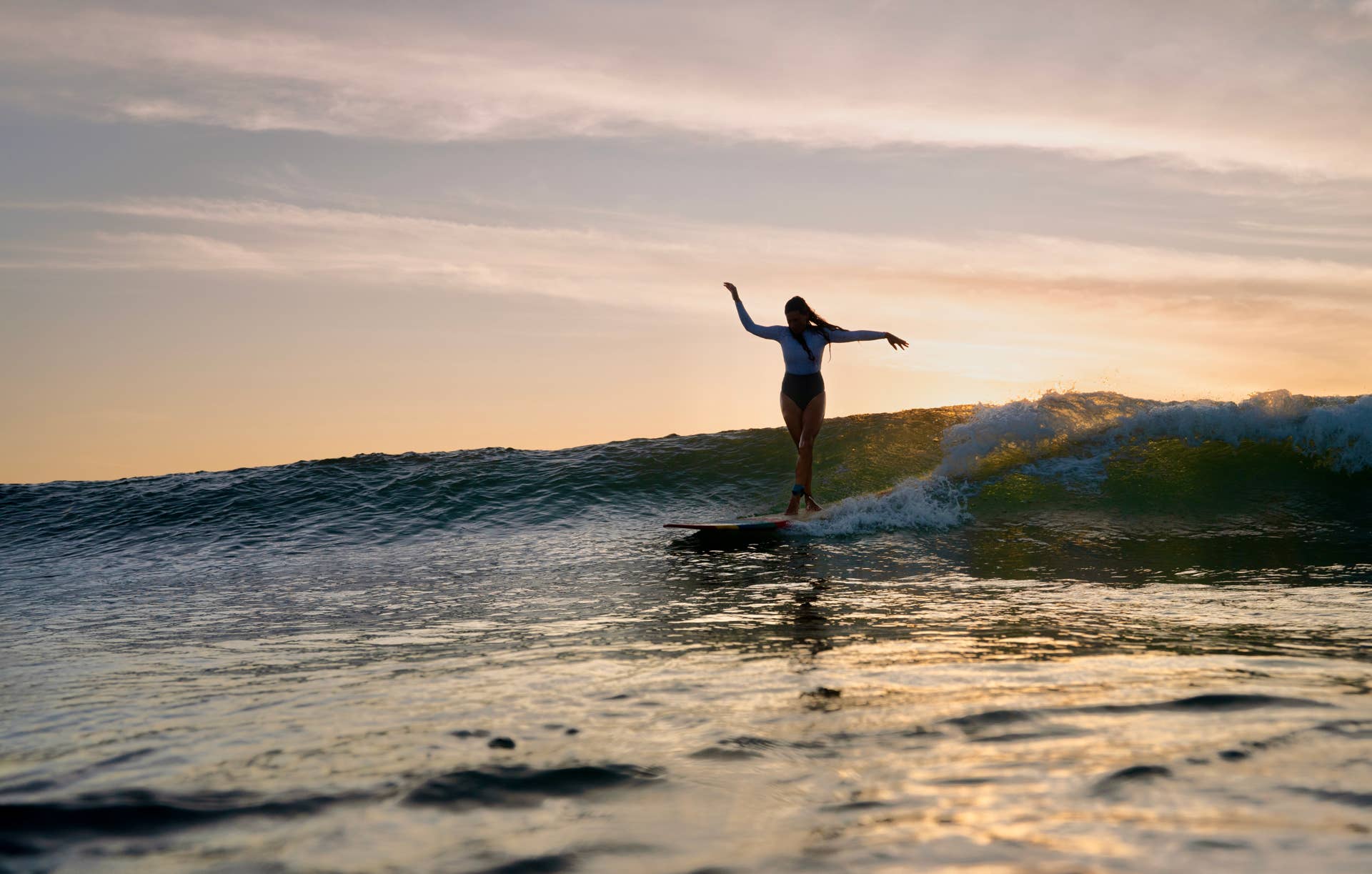
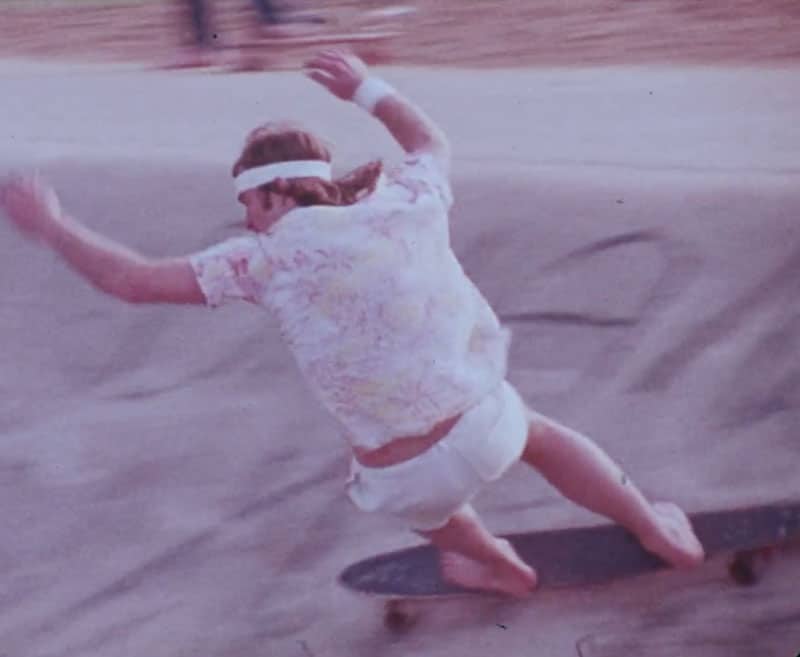
Longboarding’s history starts with the surfing culture of the 1950s and 1960s. In southern California and Hawaii, surfers wanted a way to “surf the streets” when ocean waves were flat. They took inspiration from their long surfboards, creating the first skateboards by attaching roller skate wheels to wooden planks. These early boards were crude, but they let riders mimic surfing moves on land.
What separated longboards from regular skateboards even in these early days was their length. Riders noticed that a longer board gave a smoother, more stable ride—closer to the feeling of gliding on a wave. This was crucial for practicing turns and balance, and it helped longboarding develop its own style from the very beginning.
From Sidewalk Surfing To Skateboard Evolution
As the 1960s continued, “sidewalk surfing” became popular. The first commercial skateboards appeared, and skateboarding began to form its own identity. However, most mass-produced boards became shorter and designed for tricks and ramps, not for cruising. Longboarding faded into the background.
But some riders never let go of the original vision. They kept building longer boards at home, often repurposing materials or using old water skis. These underground innovators kept the smooth ride and carving style alive, waiting for longboarding’s moment to return.
The 1970s: Wheels Change Everything
A turning point for both skateboarding and longboarding came with the invention of the urethane wheel in the early 1970s. Before this, most boards used metal or clay wheels, which were rough and dangerous on uneven pavement. Urethane wheels made riding smoother, safer, and faster.
Longboarders quickly adopted these new wheels. The improved grip and shock absorption meant that longer boards could now handle hills, corners, and rough surfaces much better. Downhill riding and carving became not only possible, but exciting. Still, most skate companies focused on short boards, so longboarders continued building their own.
Underground Persistence: The 1980s And 1990s
The 1980s was a golden era for skateboarding tricks, with short, stiff boards dominating skateparks and competitions. Longboarding, meanwhile, was seen as old-fashioned by many. But a small group of riders kept pushing the limits.
Some of the key developments in this period included:
- Experimenting with new shapes and materials, like using fiberglass and epoxy for lighter, stronger boards.
- Developing reverse kingpin trucks that allowed for deeper turns and better stability at speed.
- Organizing grassroots races on hills and streets, laying the foundation for today’s longboard events.
By the late 1990s, the rise of the internet helped longboarders connect and share ideas. This new sense of community fueled innovation and brought attention back to the unique joys of longboarding.
2000s: The Longboarding Boom
Longboarding exploded in popularity in the early 2000s. Several factors drove this growth:
- Better technology: Companies began making longboards with high-quality materials, precision trucks, and specialized wheels.
- Wider exposure: Videos on YouTube and other platforms showcased downhill racing, freestyle dancing, and cruising—styles unique to longboarding.
- Diverse riding styles: Riders started exploring new forms, such as sliding, dancing, freeride, and commuting.
- Urban mobility: Many people used longboards as a fun, eco-friendly way to travel around cities and college campuses.
The market responded with a flood of new shapes, sizes, and designs. Riders could now pick a board perfectly suited to their style and needs.
Comparing Skateboards And Longboards
To understand why longboarding stands out, it helps to compare it with traditional skateboarding. Here’s how the two differ in key areas:
| Feature | Longboard | Skateboard |
|---|---|---|
| Length | 35–60 inches | 28–34 inches |
| Wheel Size | 60–75 mm (larger) | 50–60 mm (smaller) |
| Deck Shape | Varied (pintail, drop-through, etc.) | Mostly popsicle shape |
| Purpose | Cruising, downhill, dancing | Tricks, skateparks |
| Truck Type | Reverse kingpin (turns better) | Traditional kingpin (stable for tricks) |
This comparison highlights how longboards are designed for smooth, flowing rides rather than technical tricks.
Credit: www.surfer.com
Downhill Racing And Freeride: Pushing The Limits
One of the most exciting developments in longboarding has been downhill racing. Riders race down steep hills at speeds that can exceed 50 mph (80 km/h), navigating tight corners and drafting behind each other to reduce wind resistance. Specialized boards, protective gear, and strict safety rules have made the sport more accessible and safer.
Freeride longboarding, on the other hand, focuses on controlled slides, spins, and tricks while going downhill. These styles require precise footwork and balance, and they reward creativity as much as speed.
Here’s a quick look at the differences between downhill and freeride:
| Aspect | Downhill Racing | Freeride |
|---|---|---|
| Main Goal | Maximum speed, control | Style, slides, tricks |
| Board Setup | Long, stable, stiff | Medium length, flexible |
| Protective Gear | Full-face helmet, leathers | Helmet, gloves, pads |
Longboard Dancing And Freestyle
Beyond speed, longboarding has also become a platform for creative expression. Longboard dancing involves smooth footwork, cross-steps, and spins performed while riding. This style draws from both surfing and classic skateboarding moves, but emphasizes flow and grace.
Freestyle longboarding blends tricks, jumps, and spins. It’s more technical than dancing, but less about speed than downhill or freeride. Many riders mix these styles, creating their own unique routines.
A non-obvious insight for beginners: mastering dancing and freestyle often takes as much patience as learning complex skateboarding tricks. Progress can be slow at first, but the skills build up over time.
Credit: skateboardinfoforum.weebly.com
Community And Culture
Longboarding is about more than just riding. From the beginning, it has attracted people who want to explore, create, and connect. Local crews organize group rides, teach newcomers, and host races or jam sessions in parks and city streets.
One interesting aspect is the DIY spirit that still exists. Even today, many riders enjoy customizing their boards—changing wheels, trucks, or even building decks from scratch. This hands-on approach keeps the community close-knit and innovative.
Safety And Accessibility
Longboarding can be safe if practiced with care. Modern safety gear includes:
- Helmets (a must-have for all riders)
- Gloves (especially for sliding and downhill)
- Knee and elbow pads
- Reflective clothing for night riding
A common mistake beginners make is skipping protective gear, especially when cruising at low speeds. But even a small fall can lead to injury, so starting with the right equipment is always wise.
Global Spread And Modern Innovations
Longboarding is now popular across the world, from the streets of Paris to the hills of Brazil. Events like the Maryhill Festival of Speed and the Broadway Bomb in New York City draw riders from many countries.
Recent innovations include:
- Electric longboards with remote controls, making commuting even easier.
- Advanced materials like carbon fiber, which make boards lighter and stronger.
- Mobile apps for tracking rides, sharing routes, and connecting with other riders.
These changes make longboarding more accessible and appealing to a wider audience.
Environmental Impact And Sustainability
Longboarding is often seen as an eco-friendly activity. It produces no emissions and helps reduce car traffic, especially for short trips in cities. Some companies now use sustainable bamboo or recycled materials for decks, and environmentally safe processes for wheels and grip tape.
Still, it’s important for riders to respect local laws and avoid damaging natural environments. Riding responsibly helps maintain longboarding’s positive image.
Looking To The Future
The history of longboarding shows a cycle of innovation and rediscovery. Today, it continues to blend old and new, mixing surfing roots with modern technology and global culture. As cities become more crowded and people look for greener ways to move, longboarding’s appeal is likely to keep growing.
For those just starting, remember: every expert was once a beginner. The key is to enjoy the ride, learn from others, and always stay curious.
Frequently Asked Questions
What Is The Main Difference Between A Longboard And A Skateboard?
The main difference is size and purpose. Longboards are longer (usually 35 inches or more), have larger wheels, and are built for smooth rides, cruising, or downhill. Skateboards are shorter, have smaller wheels, and are designed for tricks and skatepark use.
Is Longboarding Easier To Learn Than Skateboarding?
For many beginners, longboarding feels easier to start. The larger deck and wheels give more stability and smoother rides, especially on rough ground. However, advanced longboarding styles like downhill or dancing can still be challenging.
Can Longboarding Be Used For Daily Commuting?
Yes, many people use longboards for commuting in cities. They are fast, quiet, and can handle cracks and bumps better than skateboards. Some electric longboards make longer commutes possible, offering speeds up to 25 mph.
What Safety Gear Should I Use When Longboarding?
At a minimum, wear a helmet. For faster or more advanced styles, add gloves, knee and elbow pads, and reflective gear for nighttime. Protective equipment is especially important for downhill or freeride.
Where Can I Learn More About Longboarding History And Techniques?
For a deep dive into longboarding’s story and styles, check resources like the Wikipedia entry on longboarding. Many forums, YouTube channels, and local shops also offer helpful guides and tutorials.
Longboarding has traveled a long road from its surf-inspired beginnings to today’s global movement. Whether you ride for fun, transport, or sport, you’re part of a story that keeps rolling forward.
Credit: concretewaves.com
3 thoughts on “History of Longboarding: Unveiling the Origins and Evolution”