
Skateboarding is all about movement, impact, and fun. But if you look closely at your skateboard deck, you may notice tiny cracks forming along the surface—especially near the bolts. These are pressure cracks, and they’re a common worry for both beginners and experienced skaters. Even if you keep your skateboard clean and dry, these little lines can appear, raising questions about safety, performance, and what you should do next. Let’s break down what pressure cracks are, why they happen, and how you can deal with them.
What Are Pressure Cracks?
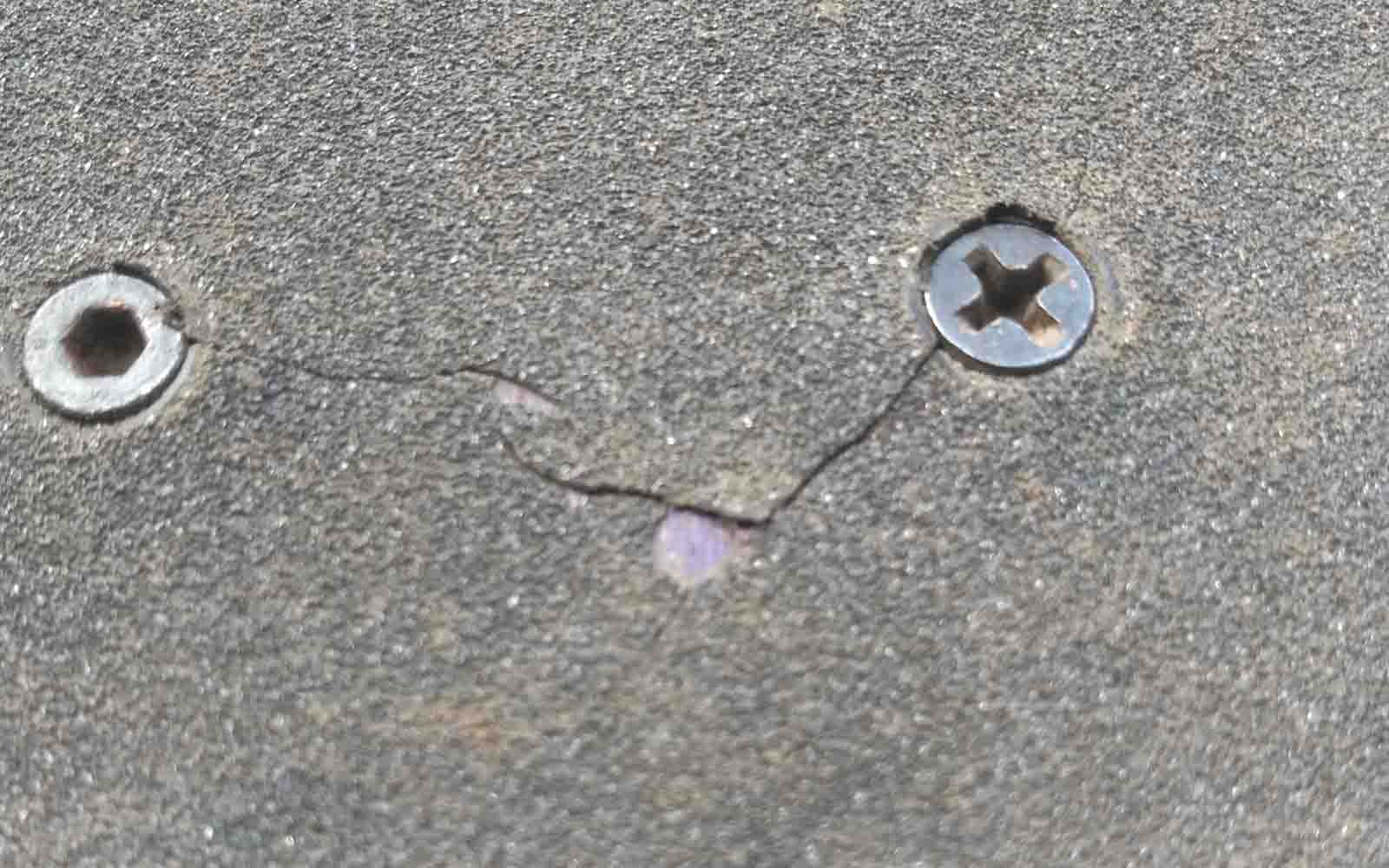
Pressure cracks, sometimes called stress cracks, are thin lines or splits that form in the wood of a skateboard deck. You’ll usually find them around the truck bolts or at the nose and tail, running perpendicular to the length of the board. Unlike a large, sudden snap, pressure cracks start small and slowly get worse over time. They can be as short as half an inch or stretch several inches along the surface.
The main thing to know: pressure cracks don’t mean your board will break immediately. But they are a sign of wear and stress. Left unchecked, these cracks can weaken your deck, change how it feels under your feet, and eventually lead to bigger problems.
Why Do Pressure Cracks Happen?
Understanding the causes of pressure cracks can help you prevent them. Here are the main reasons:
1. Repetitive Impact
Every ollie, kickflip, or hard landing puts force on your board. Over time, the wood fibers near the trucks get stressed and start to split.
2. Tight Truck Bolts
If your truck bolts are too tight, they squeeze the wood, especially when you land tricks. This pressure can cause the wood to crack.
3. Moisture And Humidity
Water weakens wood. If your board gets wet or you skate in humid areas, the wood can swell and shrink, making cracks more likely.
4. Temperature Changes
Moving from hot to cold quickly can make the wood expand and contract. This stress helps cracks form.
5. Poor Quality Wood Or Glue
Not all decks are made the same. Cheaper boards may use lower-quality maple or glue, which crack more easily.
6. Heavy Riders Or High Impact Tricks
If you weigh more, or regularly land hard, your board takes more stress, speeding up crack formation.
Non-obvious insight: Even small gaps between your hardware and the deck can focus stress in one spot, starting a crack. Always check for gaps or uneven surfaces when you set up your board.
Signs You Have Pressure Cracks
Pressure cracks are easy to miss at first. Here’s how to spot them:
- Visual Lines: Look for thin, straight cracks near the bolts.
- Rough Texture: Run your finger along the deck; a crack often feels rough or raised.
- Clicking Sound: Sometimes, cracks make a faint clicking when you land or press on the board.
- Loose Trucks: If your trucks feel loose but the hardware is tight, the wood around the bolts may be cracked.
Early detection is important. Catching pressure cracks early gives you more options for repair and extends your board’s life.
How Pressure Cracks Affect Your Skateboard
Pressure cracks might seem small, but they can change how your board feels and performs:
- Reduced Pop: Cracks weaken the deck, making your ollies and tricks feel dull or flat.
- Less Control: As the cracks grow, the board may flex unevenly, making it harder to steer.
- Risk of Full Break: Over time, pressure cracks can turn into full breaks, especially if you land a trick hard.
- Decreased Value: If you plan to sell or trade your deck, visible cracks lower its value.
Non-obvious insight: Some skaters ignore pressure cracks if the board still feels strong. But even small cracks can let moisture enter, which speeds up further damage.
Credit: pisoskateboards.com
Preventing Pressure Cracks
You can’t avoid all cracks, but there are smart ways to reduce your risk:
1. Check Your Hardware
Never over-tighten your truck bolts. Tight is good, but crushing the wood is not. Use a skate tool and stop tightening as soon as the hardware sits flush with the deck. If you see the wood bending, it’s too tight.
2. Use Shock Pads Or Risers
Shock pads are thin rubber or plastic sheets that fit between your trucks and deck. They absorb impact and spread the force out, making cracks less likely. Risers can also help, especially if you skate big drops.
3. Keep Your Deck Dry
Avoid puddles, rain, and wet ground. Store your board inside, and wipe it down if it gets wet. Water is a silent enemy for wood.
4. Choose Quality Decks
Not all maple is equal. Higher-quality decks (made from Canadian maple with good glue) last longer and crack less. Trusted brands test their decks for strength.
5. Rotate Your Deck
If you always land on one side or end, rotate your deck every few weeks. This spreads wear evenly and helps prevent cracks in one spot.
6. Watch For Weather Changes
Don’t leave your board in a hot car or outside overnight. Sudden temperature changes can stress the wood.
Practical tip: When installing new trucks, add a thin washer between the bolt head and the deck to spread pressure. It’s a small detail that helps a lot.
How To Fix Pressure Cracks
Once cracks appear, you can slow them down but not always stop them completely. Here’s what you can do:
1. Wood Glue Repair
For small cracks, use wood glue (like Titebond or Gorilla Wood Glue). Squeeze a little glue into the crack, press the crack closed, and wipe off extra glue. Let it dry overnight.
2. Clamp The Crack
If the crack is wide, use a C-clamp to hold the wood together while the glue dries. This helps the glue bond deeper.
3. Reinforce With Epoxy
For bigger cracks, a thin layer of clear epoxy can add strength. Mix the epoxy, apply it with a small brush, and let it cure for 24 hours.
4. Use Grip Tape
Sometimes, you can add a strip of grip tape across the crack. This won’t fix the crack but can keep dirt and water out.
5. Replace The Deck
If cracks keep growing, or if you hear creaking sounds, it’s time for a new deck. No repair will restore full strength once the wood is badly cracked.
Comparing Pressure Cracks To Other Skateboard Damage
Here’s a quick comparison to help you understand how pressure cracks stack up against other common issues:
| Type of Damage | Location | Severity | Repairable? |
|---|---|---|---|
| Pressure Cracks | Near bolts, edges | Low to Medium | Sometimes |
| Delamination | Deck layers separate | Medium to High | Rarely |
| Chips | Tail/nose edge | Low | Yes |
| Snapped Deck | Anywhere | High | No |
Pressure Cracks And Different Deck Materials
Deck material matters. Here’s how common materials resist pressure cracks:
| Deck Material | Pressure Crack Resistance | Notes |
|---|---|---|
| Canadian Maple | High | Strong and flexible |
| Chinese Maple | Medium | Cheaper, cracks sooner |
| Bamboo Hybrid | Very High | Flexible, resists cracks |
| Plastic/Composite | Very High | Rarely cracks, different feel |
Credit: www.reddit.com
How Pros Deal With Pressure Cracks
Professional skaters go through decks fast, but they still face pressure cracks. Here’s what they do:
- Switch Boards Often: Pros change decks every few weeks to avoid problems.
- Use Shock Pads: Many use pads for big tricks and street skating.
- Tune Hardware: They check trucks and bolts regularly to avoid over-tightening.
- Accept Some Wear: For pros, small cracks are normal. They ride until the board feels wrong, then swap it out.
When Is It Time To Replace Your Deck?
Not sure if your board is done? Here are signs you need a new deck:
- Cracks Keep Growing: If the cracks get longer each week, the deck is losing strength.
- Board Feels Dead: Weak pop, soft landing, or odd flex means it’s time to swap.
- Delamination: If the layers of your deck start to peel apart, no fix will last.
- Strange Sounds: Creaking, popping, or clicking noises that don’t go away.
- Visible Gaps: If you can see light through a crack, the wood is separating.
Trying to save a badly cracked deck is risky. You could get hurt if the board fails during a trick.

Credit: www.reddit.com
How To Extend Your Deck’s Life
Want to skate longer before buying a new board? Try these:
- Clean Your Board: Dirt holds moisture. Wipe your deck after skating, especially if you ride through puddles.
- Check Hardware Weekly: Make small adjustments often, not big changes all at once.
- Store Indoors: Sun, rain, and cold can all speed up cracking.
- Use Quality Parts: Cheap bolts and trucks can damage your deck. Invest in decent hardware.
Cost Of Replacing A Cracked Deck
Replacing your deck can cost anywhere from $30 to $70 for standard boards, and over $100 for pro models or special materials. Using shock pads and caring for your board can help you avoid buying new decks too often.
Here’s a quick price comparison:
| Deck Type | Average Price (USD) | Lifespan (Average) |
|---|---|---|
| Standard Maple | $35 – $60 | 2-3 months (active skater) |
| Bamboo Hybrid | $60 – $90 | 3-6 months |
| Pro Model | $70 – $120 | 1-2 months |
For more on skateboard deck construction and materials, you can check the Wikipedia Skateboard page.
Frequently Asked Questions
What Is The Main Cause Of Pressure Cracks On A Skateboard?
The main cause is repetitive impact near the truck bolts. Each landing pushes force into the wood, causing it to split over time. Tight hardware and moisture can speed up the process.
Can I Keep Skating With Pressure Cracks?
Yes, for small cracks. But watch for cracks that grow or change how your board feels. If the board feels weak or makes strange sounds, it’s safer to replace it.
How Do I Prevent Pressure Cracks From Happening?
Use shock pads, don’t over-tighten your bolts, keep your board dry, and buy quality decks. Small details—like adding washers—can make a big difference.
Are Pressure Cracks Covered By Warranty?
Most brands do not cover pressure cracks under warranty because they result from normal use, not a factory defect. Always check the warranty before buying.
Do Pressure Cracks Affect Tricks Like Ollies And Flips?
Yes. As cracks grow, your board loses pop and can feel less responsive. This makes tricks harder and less consistent.
Pressure cracks are a part of skateboarding, but with smart care and attention, you can keep your board rolling strong for longer. Understanding what causes them, how to fix small cracks, and when to buy a new deck will help you get the most out of every session.
Skate smart, listen to your board, and enjoy the ride.
4 thoughts on “Pressure Cracks on Skateboard: Causes, Prevention, and Fixes”