
The world of skateboarding is a vibrant tapestry woven with athletic prowess, creative expression, and a deeply ingrained culture. While the image of a lone skater performing tricks in an urban landscape is iconic, the true reach and popularity of skateboarding extend far beyond this stereotype.
From bustling city streets and dedicated skateparks to global competitions and a thriving online community, skateboarding has captured the hearts and minds of millions. Understanding the global distribution of skateboarding popularity involves looking at a confluence of factors: demographics, urban infrastructure, cultural acceptance, economic accessibility, and the presence of a strong skateboarding industry. Certain regions have, over decades, cultivated environments where skateboarding not only survives but flourishes, producing legendary athletes, innovative brands, and a passionate subculture.
Key Takeaways
-
- North America: The United States remains a powerhouse due to early adoption, extensive infrastructure, a strong industry, and a large participation base.
- Europe: Shows immense and growing popularity with countries like France, Germany, the UK, and Spain boasting vibrant scenes and dedicated skateparks.
- Asia: A rapidly expanding market, led by Japan’s technical street style and professional circuit, with China and Southeast Asia seeing significant growth.
- South America: Especially Brazil, has a deep-rooted passion, producing world-class talent and demonstrating resilience within its skate communities.
- Australia: Maintains a strong presence, particularly in coastal cities, benefiting from a favorable climate and a culture that embraces outdoor activities.
- Olympics Impact: Significantly boosted global visibility, encouraging infrastructure investment and participation worldwide, though some core skaters remain wary of commercialization.
- Drivers of Popularity: Urbanization, skatepark access, local climate, affordability, and media visibility are key factors influencing regional popularity.
The United States: The Undisputed Epicenter
The United States has long been recognized as the birthplace and enduring heartland of skateboarding. From its origins in Southern California in the mid-20th century, skateboarding has evolved from a niche pastime for surfers seeking an alternative when the waves were flat to a global phenomenon.
The sheer volume of skateparks, dedicated retail stores, professional events, and influential media outlets in the U.S. solidifies its position, and the country still ranks first in many popular and industry-focused roundups of skateboarding popularity.
Southern California’s Enduring Legacy
Southern California, particularly areas like Los Angeles and San Diego, is often referred to as the mecca of skateboarding. This region not only pioneered many of the early skateboarding styles and innovations but also fostered the development of iconic brands and a rich culture. The consistent good weather allows for year-round skating, and the abundance of concrete pools, street spots, and later purpose-built skateparks provided the perfect training grounds. Many of the most influential skaters, photographers, and brand founders hail from this area.
The benefits of skateboarding are widely recognized here, including balance, coordination, creativity, and community connection. However, beginners should still use helmets and appropriate protective gear to reduce injury risk.
Skatepark Development And Accessibility
A significant factor in the U.S.’s enduring popularity is the widespread development of public and private skateparks. While early skateboarding often utilized empty swimming pools and urban architecture, the creation of dedicated spaces significantly boosted participation and safety. Cities across the U.S. have invested in concrete parks, wooden skate plazas, and street-inspired features, making skateboarding more accessible to a broader demographic.
This infrastructure growth has been crucial for nurturing talent from a young age, as seen in the many young skaters learning easy skateboard tricks for beginners. Competent park design also matters: well-built transitions, smooth concrete, lighting, drainage, and clear sightlines help reduce conflicts and injuries while supporting year-round use.
Industry And Media Influence
The U.S. is home to a vast majority of the world’s leading skateboard manufacturers, skate shoe companies, and apparel brands. Companies like Santa Cruz Skateboards and Element Skateboards have global recognition and have played a massive role in shaping the industry and promoting skateboarding worldwide. Beyond manufacturing, the U.S. has a powerful media landscape dedicated to skateboarding, including influential magazines, video production companies, and online platforms that showcase talent, trends, and the overall skateboarding culture.
This constant stream of content keeps the sport relevant and aspirational, while also helping skaters compare board widths, wheel sizes, truck geometry, and deck concave before buying equipment.

Credit: brandonnovak.com
Europe: A Thriving And Diverse Scene
While the U.S. may be the historical origin, Europe has emerged as a continent with an incredibly passionate and rapidly growing skateboarding scene. Across various European nations, skateboarding is embraced for its artistic, athletic, and social dimensions, with a strong emphasis on street skating and a burgeoning interest in competitive events.
France: Street Style And Urban Artistry
France, particularly Paris, has a reputation for its sophisticated and stylish approach to skateboarding. The city’s architecture, with its grand boulevards, plazas, and stair sets, provides a unique and challenging urban canvas for skaters. French skaters are often noted for their technical prowess and aesthetic sensibility, blending skateboarding with fashion and art.
The rise of French professional skaters on the international stage has further fueled enthusiasm. The accessibility of skate spots within dense urban environments makes it a natural fit for many young people.
Germany: Infrastructure And Community Growth
Germany boasts a robust and organized skateboarding community, supported by significant investment in infrastructure. Cities across Germany have developed numerous high-quality public skateparks, often integrated into urban planning and community recreational areas. This has fostered a strong sense of local community around skating.
Beyond the parks, German skaters are known for their dedication and skill, with a growing number of professional athletes and a healthy independent skate media scene. The focus on community and accessible facilities makes it a prime location for learning how to skateboard.
The United Kingdom: Resilience And Innovation
The UK skateboarding scene has a long and storied history, marked by resilience and continuous innovation. Despite often challenging weather conditions, British skaters have carved out a vibrant culture, particularly in cities like London, Bristol, and Manchester. The UK has a strong tradition of DIY skatepark building and a thriving street skating scene. The increased visibility from events like the Olympics and the growth of professional skaters have further boosted its popularity. The benefits of skateboarding are well-recognized, contributing to its sustained appeal.
Scandinavia: Emerging Hubs
Nordic countries, including Sweden, Denmark, and Norway, are also experiencing a surge in skateboarding popularity. With a focus on progressive design and community engagement, these regions are seeing increased investment in indoor and outdoor skate facilities. The youthful demographic and embrace of active lifestyles contribute to a growing number of participants, particularly among younger generations.
Asia: Rapid Growth And Cultural Fusion
The Asian continent is witnessing one of the most significant expansions in skateboarding popularity globally. Driven by a combination of cultural adoption, economic development, and increased media exposure, skateboarding is rapidly gaining traction across various Asian nations.
Japan: A Unique Style And Professionalism
Japan stands out as a major force in the Asian skateboarding landscape. Japanese skaters are renowned for their unique blend of technical street skating, innovative tricks, and a distinctive aesthetic. Tokyo, in particular, is a global hub for skateboarding, with a plethora of skate spots, dedicated shops, and a highly competitive professional scene. The inclusion of skateboarding in the Tokyo Olympics further amplified its visibility and legitimacy within Japan.
Japanese skate culture often emphasizes precision and dedication, making it a fascinating area for observing advanced techniques. Many consider Japan to be a place where intermediate skateboard tricks are pushed to new limits, and the sport has seen a strong domestic boost in interest since the Olympics.
China: The Emerging Giant
China represents a massive, rapidly developing market for skateboarding. As the country urbanizes and its youth culture diversifies, skateboarding has become increasingly popular, especially in major cities. The government and private sector are investing in skatepark construction, and the number of young people taking up the sport is growing steadily.
While still relatively new compared to established scenes, China’s potential for growth is immense, with a burgeoning industry and a rapidly expanding pool of talent. Indoor facilities are especially important in many regions because weather and urban density can limit outdoor skating space.
Southeast Asia: Growing Enthusiasm
Countries like Thailand, the Philippines, and Indonesia are also experiencing a significant rise in skateboarding enthusiasm. Driven by a youthful population, increasing disposable income, and the influence of global skate media, skateboarding is becoming a popular recreational activity and a form of self-expression.
Local skate communities are actively building DIY spots and organizing events, fostering a grassroots movement that is steadily gaining momentum.
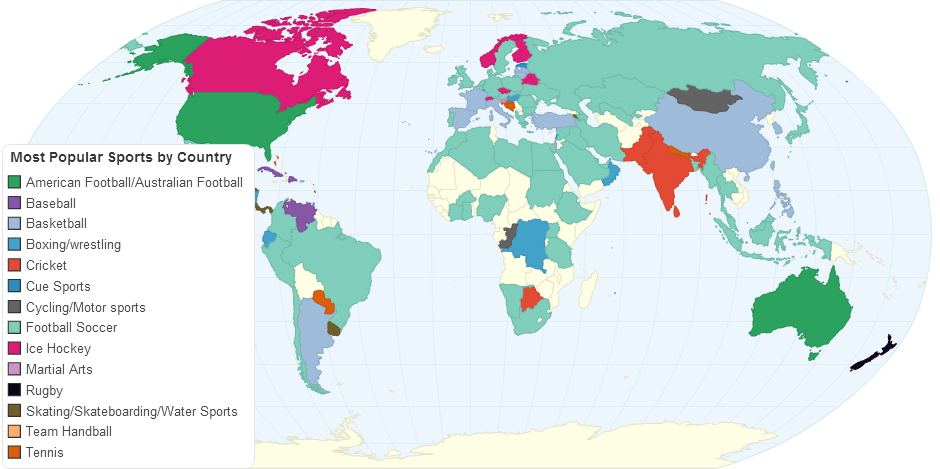
Credit: chartsbin.com
South America: Passionate Roots And Global Talent
South America, particularly Brazil, has a deep and passionate connection with skateboarding. The sport is more than just a hobby; it’s often a vital part of urban culture, providing an outlet for creativity and a sense of community in diverse social landscapes.
Brazil: A Powerhouse Of Talent
Brazil is arguably the most dominant force in South American skateboarding and a significant player on the global stage. Brazilian skaters have consistently produced some of the world’s best talent, known for their raw power, creativity, and resilience. Cities like São Paulo and Rio de Janeiro have vibrant street skating scenes and a strong tradition of competitive skateboarding. The sport provides a vital cultural outlet and a pathway to success for many young Brazilians.
Brazil is also one of the most frequently cited countries in global skateboarding popularity lists, with large participation numbers and a deep competitive pipeline.
Argentina And Chile: Developing Scenes
Argentina and Chile also have active and growing skateboarding communities. Buenos Aires, in particular, has a well-established skate scene with numerous public skateparks and a dedicated following. While perhaps not on the same scale as Brazil, these countries are producing talented skaters and fostering a growing interest in the sport.
The accessibility of skate spots in urban centers and the passionate youth culture contribute to their developing scenes.
Australia: Coastal Culture And Consistent Popularity
Australia maintains a strong and consistent presence in the global skateboarding community. Its coastal lifestyle, favorable climate, and embrace of outdoor activities make it a natural fit for a sport like skateboarding.
Urban Centers And Skatepark Networks
Major Australian cities like Melbourne, Sydney, and Brisbane boast extensive skatepark networks and a thriving skate culture. The consistent good weather allows for year-round skating, and the availability of diverse skate facilities, from street plazas to transition parks, caters to all levels of skaters.
The influence of American skate culture is evident, but Australia has also developed its own unique style and identity within the global scene.
Industry And Media Presence
While not as large as the U.S. industry, Australia has a well-established skate industry, with numerous reputable skateboard manufacturers and a strong retail presence. Skateboarding magazines, video productions, and online media play a crucial role in supporting and promoting the sport across the country. The success of Australian professional skaters on the international circuit further fuels local participation and interest.
Factors Driving Global Popularity
Several overarching factors contribute to skateboarding’s popularity across these diverse regions:
Urbanization And Concrete Culture
As cities around the world expand, concrete landscapes provide an unintentional playground for skaters. The availability of ledges, stairs, rails, and open plazas, even if not purpose-built, makes urban environments fertile ground for skateboarding. This urban connection is why skateboarding often feels intrinsically linked to city life.
Infrastructure Development
The construction of dedicated skateparks has been a monumental factor in increasing skateboarding’s accessibility and appeal. Modern skateparks are designed with input from skaters, offering a safe and challenging environment for all skill levels. The growing number of these facilities worldwide directly correlates with increased participation.
Good skateparks also support progression by offering beginner-friendly flatground areas, intermediate rails and ledges, and transition features for more advanced riders.
Media And Online Influence
The internet and social media have revolutionized how skateboarding is consumed and shared. Videos of incredible tricks, documentaries about skate culture, and online tutorials allow people from anywhere to be inspired and learn. Platforms like YouTube and Instagram have become essential tools for skaters to showcase their skills and connect with a global community.
This digital reach is crucial for how to learn skateboarding as an adult, especially where local coaching, indoor parks, or skate shops are limited.
Competitive Events And Mainstream Recognition
Major skateboarding competitions, including the X Games and, more recently, the Olympic Games, have brought unprecedented mainstream attention to the sport. This recognition not only boosts participation but also attracts investment in infrastructure and talent development. The Olympics, in particular, have legitimized skateboarding as a sport in many countries, encouraging greater support.
That said, the core culture still values creativity and style over medals alone, so mainstream recognition has expanded visibility without replacing skateboarding’s street-born identity.
Cultural Adaptability And Expression
Skateboarding is highly adaptable. It can be a solitary pursuit, a social activity, a form of artistic expression, or a competitive sport. This versatility allows it to resonate with diverse individuals and communities, integrating into local cultures while maintaining its core identity.
Equipment choice also shapes the experience: deck width, wheel hardness, truck height, and bearing quality can change how a board feels for street, park, or transition skating. Beginners should prioritize a stable setup, reliable grip tape, and properly tightened hardware rather than chasing advanced specs too early.
Frequently Asked Questions
Is Skateboarding More Popular In The U.S. Than Anywhere Else?
While the United States has historically been the epicenter of skateboarding and maintains a massive and influential scene, countries like Japan, Brazil, and several European nations now boast incredibly strong and rapidly growing skateboarding populations. It’s more accurate to say the U.S. has the deepest historical roots and industry, but global popularity is more distributed than ever.
How Has The Inclusion Of Skateboarding In The Olympics Affected Its Popularity?
The inclusion of skateboarding in the Olympic Games has significantly boosted its global visibility and legitimacy. It has encouraged more investment in public skateparks, increased media coverage, and inspired a new generation of participants worldwide. While some in the core skate community express concerns about commercialization, the overall impact has been a surge in interest and participation.
What Role Does Urban Design Play In Skateboarding Popularity?
Urban design is crucial. Cities with abundant public spaces, plazas, stairs, ledges, and architectural features naturally lend themselves to street skateboarding. Furthermore, the intentional design and construction of dedicated skateparks in urban and suburban areas directly drive participation by providing safe and accessible spaces for skaters of all levels.
Are There Specific Demographics That Are More Drawn To Skateboarding?
Historically, skateboarding has been associated with youth culture, particularly males aged 12-25. However, this is rapidly changing. Skateboarding’s appeal is broadening significantly, with increasing participation among women and girls, as well as adults who are taking up the sport for fitness, fun, or to relive a childhood dream. The benefits of skateboarding are being recognized across a wider age range.
How Do Cultural Factors Influence Skateboarding Popularity In Different Regions?
Cultural factors heavily influence skateboarding’s reception and expression. In some cultures, it’s embraced as an art form and a symbol of urban rebellion; in others, it’s seen more as a sport and recreational activity. The way skateboarding integrates into local fashion, music, and social dynamics shapes its unique manifestation in each region.
For example, Japanese street style is distinct from Brazilian power skating, though both are core to the sport.
Skateboarding’s global popularity is a dynamic and evolving phenomenon. While its origins are firmly rooted in American soil, the sport has transcended borders, cultures, and demographics. The United States, Europe, Asia, South America, and Australia all contribute unique flavors and significant numbers to the global skateboarding community.
Driven by accessible infrastructure, influential media, competitive events, and the sheer, unadulterated joy of riding a board, skateboarding continues to carve its path across the world, uniting millions through a shared passion for creativity, resilience, and the open road.