
The rhythmic roll of urethane wheels on pavement, the subtle shift of balance, the exhilarating freedom of movement—these are the sensations that draw millions to skateboarding. Beyond the exhilarating tricks and urban exploration, a growing movement is embracing the skateboard as a practical, eco-friendly, and health-boosting mode of transportation for the daily commute.
“Skateboarding to work” is more than just a niche subculture; it’s a burgeoning trend that offers a unique blend of personal well-being and sustainable transit. This article explores the multifaceted appeal of commuting by skateboard, from the practical considerations and benefits to the cultural nuances and how to get started.
Key Takeaways
-
- Skateboarding to work offers significant health benefits, including improved cardiovascular fitness, balance, and core strength, while also providing a mental health boost.
- It’s an environmentally conscious transportation choice, producing zero emissions and reducing reliance on fossil fuels.
- Practical considerations are crucial, encompassing route planning, safety gear, board maintenance, and carrying essentials.
- Choosing the right skateboard is key, with longboards and cruisers often being more suitable for commuting than traditional trick boards.
- Skateboarding to work fosters a unique sense of community and personal accomplishment, blending transportation with an active lifestyle.
- Starting requires preparation, including learning basic skills, understanding local laws, and investing in appropriate safety equipment.

Credit: boardblazers.com
The Evolving Commute: Why Skateboards Are Gaining Traction
The traditional image of a commuter often involves a car, bus, or train. However, a paradigm shift is underway, fueled by a desire for more active, sustainable, and enjoyable daily journeys. Skateboarding, once primarily associated with recreational parks and street culture, is increasingly being recognized as a viable and attractive option for getting from point A to point B, especially for shorter to medium distances. This shift is driven by several interconnected factors. Firstly, the rising awareness of environmental issues has pushed individuals to seek eco-friendly alternatives to carbon-emitting vehicles. Skateboards, powered by human energy, offer a zero-emission solution. Secondly, a growing emphasis on personal health and well-being encourages people to integrate physical activity into their daily routines. Commuting by skateboard naturally achieves this, turning a mundane necessity into a workout. Finally, the sheer joy and freedom that skateboarding provides cannot be understated. It offers a unique perspective on urban environments, a sense of connection to the surroundings, and a departure from the often-impersonal experience of mass transit or solo driving. This blend of practicality, sustainability, and personal fulfillment makes skateboarding to work an increasingly appealing proposition for a diverse range of individuals.
The Multifaceted Benefits Of Skateboarding To Work
Embracing the skateboard for your daily commute unlocks a treasure trove of advantages, touching upon physical health, mental well-being, environmental impact, and even your wallet. It’s a holistic approach to transportation that nourishes the individual and the planet.
Physical Health Boosts
Regularly skateboarding to work provides a consistent, low-impact cardiovascular workout. The act of pushing off, balancing, and steering engages numerous muscle groups, leading to improved cardiovascular fitness, enhanced leg strength, and a stronger core. This consistent physical activity can contribute to weight management, improved circulation, and a reduced risk of chronic diseases. Furthermore, skateboarding demands constant adjustments for balance, which significantly sharpens proprioception, your body’s awareness of its position in space. This translates to better agility and a reduced risk of falls in everyday life. For those looking to boost their physical health, the commute itself becomes a fitness session. Studies have shown that regular moderate exercise, like that obtained from skateboarding, can improve cholesterol levels and blood pressure.
Mental Well-being And Stress Reduction
The benefits of skateboarding extend far beyond the physical. The rhythmic motion and focus required to navigate the urban landscape can be incredibly meditative, acting as a powerful stress reliever. It offers a much-needed break from the mental demands of work and daily life, allowing for a mental reset. The sense of accomplishment derived from mastering a commute, especially on a challenging route or in varied weather conditions, can significantly boost self-confidence and mood. The connection with the environment, feeling the breeze and observing the cityscape from a different vantage point, can foster a greater sense of presence and mindfulness. As highlighted in articles discussing the benefits of skateboarding, the activity is directly linked to increased dopamine levels, contributing to a happier and more resilient mental state.
Environmental Sustainability
In an era where climate change is a pressing concern, choosing sustainable transportation is more critical than ever. Skateboards are inherently eco-friendly. They produce zero direct emissions, meaning no contribution to air pollution or greenhouse gases. This makes them an excellent alternative to cars, motorcycles, and even public transport that relies on fossil fuels. By opting for a skateboard, you actively reduce your carbon footprint and contribute to cleaner urban air. This conscious choice aligns with a growing global movement towards sustainable living and can inspire others to consider similar alternatives. For shorter commutes, the environmental impact of a skateboard is negligible compared to any motorized vehicle.
Cost-effectiveness
The financial advantages of skateboarding to work are substantial. The initial investment in a skateboard and safety gear is typically far less than purchasing and maintaining a car or even a monthly public transport pass, especially for longer commutes. There are no ongoing fuel costs, no insurance premiums, and minimal maintenance expenses compared to motor vehicles. This cost savings can be significant over time, freeing up financial resources for other priorities. While the lifespan of a skateboard can vary based on usage and quality, the overall expenditure is remarkably low. For instance, a well-maintained skateboard could last several years with occasional replacement of parts like wheels and bearings.

Credit: www.shutterstock.com
Practicalities Of Commuting By Skateboard
While the benefits are compelling, transitioning to skateboarding as a primary mode of transport requires careful planning and consideration of practical aspects.
Choosing The Right Skateboard
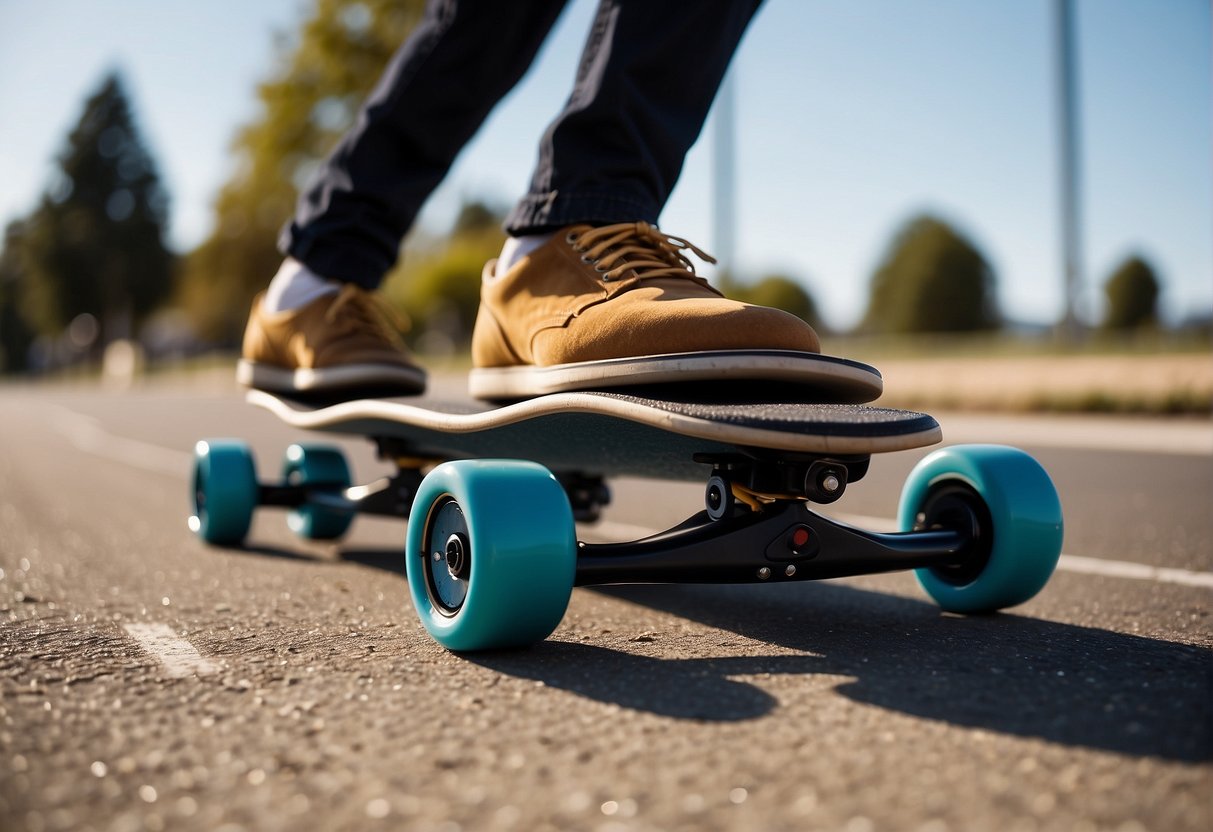
Not all skateboards are created equal when it comes to commuting. While trick skateboards are designed for agility and performing stunts, they often have smaller wheels and harder decks that can make for a bumpy and less stable ride on varied urban terrain. For commuting, several types of boards are generally preferred:
-
- Longboards: These are longer and wider than standard skateboards, offering greater stability and a smoother ride. Their larger, softer wheels can easily handle cracks, pebbles, and uneven surfaces. Many longboards have a lower deck, making them easier to push and more stable at higher speeds. For commuting, wider decks and a longer wheelbase can improve comfort and control, but very large boards can be harder to carry, store, or maneuver in crowded spaces. Choose a setup that matches both your route and how often you’ll need to carry the board.
- Cruisers: These boards are typically shorter than longboards but wider and have larger, softer wheels than traditional skateboards. They offer a good balance of portability and ride comfort, making them excellent for navigating urban environments. They are often designed with a kicktail, allowing for some maneuverability like hopping curbs. Cruisers are often the best all-around choice for short commutes where you need to carry the board into offices, transit stations, or classrooms.
- Electric Skateboards: For longer commutes or hilly terrain, electric skateboards offer a powered assist. They allow riders to cover greater distances with less physical exertion. However, they come with a higher price tag and require understanding their specific safety considerations, such as battery life and braking systems. Riders should also verify local rules before using an electric board, since some areas restrict where they can ride or require dismounting in certain zones.
When selecting a deck, consider factors like length, width, shape, and flex. A wider deck generally offers more stability, while a longer wheelbase contributes to a smoother ride. The ideal choice also depends on wheel size and durometer: softer, larger wheels roll better over cracks and debris, while harder, smaller wheels feel faster and more responsive on smooth pavement. For commuting, many riders prefer wheels in the 60–70 mm range with a softer durometer for comfort and shock absorption. The How to Choose a Skateboard Deck guide offers in-depth advice for finding the perfect fit.
Safety First: Essential Gear
Safety is paramount when skateboarding, especially when sharing roads and sidewalks with other traffic. Investing in proper safety gear is non-negotiable.
-
- Helmet: A certified skate helmet is crucial for protecting your head from serious injury in case of a fall. Ensure it fits snugly and covers your forehead.
- Pads: Knee pads, elbow pads, and wrist guards offer vital protection against scrapes and fractures during falls.
- Footwear: Skate shoes or sturdy athletic shoes with good grip and ankle support are essential. Avoid sandals or open-toed shoes.
- Visibility: If commuting in low light conditions, wear bright or reflective clothing and consider adding lights or reflectors to your board and backpack.
For commuter riding, a helmet should be treated as mandatory, and reflective gear matters just as much at dawn, dusk, and night. If you are riding in traffic, wrist guards and slide gloves can also help reduce injury when you need to put a hand down during a fall.
Route Planning And Navigation
Choosing the right route can make or break your skateboarding commute. Consider the following:
-
- Surface Quality: Opt for routes with smooth pavement. Avoid roads with excessive potholes, cracks, or debris.
- Traffic Levels: Prioritize routes with less vehicular traffic, such as bike lanes, dedicated paths, or quieter streets.
- Hills: Assess the inclines and declines. Hilly routes can be challenging for beginners and may require more endurance or an electric assist.
- Sidewalks vs. Streets: Be aware of local regulations regarding skateboarding on sidewalks. In many areas, it’s safer and legal to use bike lanes or quieter streets. Always yield to pedestrians.
- Distance: Assess if the distance is manageable with your current fitness level and the type of board you have.
Competitor guides commonly emphasize that the safest commute is often a low-traffic route you already know well, with multiple backup options if pavement is blocked, wet, or crowded. Check for gravel, wet leaves, drain grates, steep descents, and blind corners before you commit to a regular route.
Carrying Your Essentials
You’ll need a way to carry your work essentials, laptop, lunch, change of clothes, etc. A comfortable backpack is the most common solution. Look for one with good padding, adjustable straps, and sufficient capacity. Some skateboards even come with integrated backpack straps or carry systems.
Use a bag that stays stable while you ride and keeps weight centered between your shoulders. If you carry a laptop, add a padded sleeve, and keep loose items secured so they do not shift while pushing or turning.
Board Maintenance
Regular maintenance ensures your skateboard remains in good working order and safe to ride.
-
- Clean Bearings: Keep your bearings clean and lubricated to maintain speed and smooth rolling.
- Check Wheels: Ensure wheels are free from excessive wear or damage.
- Tighten Hardware: Periodically check that all nuts and bolts, especially those holding the trucks to the deck, are secure.
- Inspect the Deck: Look for signs of stress or damage, such as pressure cracks, which can compromise the board’s integrity.
Also check bushings, truck tightness, and wheel bite clearance before a commute. A squeaky or wobbly setup, loose hardware, or cracked deck should be fixed before riding in traffic.
Credit: www.isinwheel.com
Overcoming Challenges And Building Confidence
Transitioning to a new mode of transport, especially one as dynamic as skateboarding, can present challenges. Building confidence and overcoming these hurdles is key to a successful commute.
Learning The Ropes: For Beginners
If you’re new to skateboarding or haven’t ridden in years, it’s essential to build fundamental skills before attempting a commute.
-
- Start Slow: Begin in a safe, open area like an empty parking lot or park. Practice basic balancing, pushing, turning, and stopping.
- Master Stopping: Learn to stop effectively using foot braking or by dismounting safely. This is crucial for control and safety.
- Practice Regularly: Consistent practice is key to developing muscle memory and confidence. Even short, frequent sessions make a difference.
- Consider Lessons: If you’re finding it difficult, consider taking lessons or practicing with experienced friends. Resources like How to Learn Skateboarding As an Adult offer valuable guidance.
Dealing With Weather And Terrain
Commuting by skateboard means adapting to various conditions.
-
- Rain: Skateboarding in the rain can be dangerous due to reduced grip and potential damage to bearings. Invest in waterproof gear and consider alternative transport on wet days. If you must ride, proceed with extreme caution. Wet pavement, painted lines, metal grates, and leaf-covered paths can become slippery fast, so most riders avoid wet conditions entirely.
- Wind: Strong headwinds can make pushing difficult, while crosswinds can affect stability. Adjust your speed and stance accordingly.
- Cold: Layer up with warm clothing. Ensure your gear doesn’t restrict movement.
- Uneven Surfaces: Develop skills to navigate cracks, small bumps, and debris by learning to “ollie” over them or by choosing smoother paths.
Navigating Urban Environments
Sharing space with pedestrians, cyclists, and vehicles requires awareness and respect.
-
- Be Predictable: Ride in a straight line and signal your intentions clearly. Avoid sudden swerving.
- Yield to Pedestrians: Always give way to pedestrians on sidewalks and shared paths.
- Obey Traffic Laws: Understand and follow local traffic laws for cyclists and skateboarders.
- Be Visible: As mentioned, use lights and reflective gear when visibility is low.
When riding in bike lanes, stay in your lane, avoid riding against traffic, and signal turns or lane changes early and clearly. In some cities and campuses, skateboarders must dismount in designated zones, so it helps to know the rules before your first commute.
Real-world Examples And Case Studies
The practice of skateboarding to work is not just theoretical; many individuals and communities are embracing it.
Case Study 1: The Urban Professional
Sarah, a graphic designer in her late twenties living in a mid-sized city, found her 3-mile commute by car to be stressful and time-consuming due to traffic. After learning basic skateboarding skills, she invested in a longboard. She now uses her commute to de-stress from her workday.
Her route involves a mix of bike lanes and quiet streets. She carries her laptop and essentials in a sturdy backpack. Sarah reports feeling more energized and less stressed upon arriving at work, and she’s saved money on gas and parking.
She finds the journey allows her to appreciate her city in a way driving never did.
Case Study 2: The University Student
Mark, a university student, uses his cruiser board to get around campus and to his part-time job a mile away. The campus has many pedestrian zones and limited parking, making skateboarding an ideal solution. He’s learned to navigate crowded pathways by maintaining a moderate speed and being constantly aware of his surroundings. His board fits easily under his arm when entering buildings. Mark highlights the fun factor and the added physical activity as major benefits that improve his focus during lectures. He also notes that his board is far more convenient than a bike when needing to move quickly between classes.
The Culture Of The Commuter Skater
Skateboarding to work taps into a broader skateboarding culture that values freedom, creativity, and community. While the focus is on practical transportation, the inherent spirit of skateboarding remains. Commuter skaters often share a camaraderie, recognizing each other on the road and exchanging tips. It’s a lifestyle choice that integrates physical activity, environmental consciousness, and a unique approach to urban mobility. This culture encourages a sense of personal responsibility and self-reliance. Brands like Element Skateboards, known for their heritage in skate culture, often embody this ethos, producing boards that are both functional and stylish, suitable for everyday use.
Getting Started: A Step-by-step Approach
Ready to trade your car keys for a skateboard? Here’s a practical guide to getting started:
-
- Assess Your Commute: Determine the distance, terrain, and road conditions of your intended route.
- Choose Your Board: Based on your assessment, select the most suitable type of skateboard, longboard, cruiser, or electric. Consider consulting guides like Skateboard Manufacturers Guide for quality options.
- Gear Up: Purchase essential safety equipment: helmet, pads, and appropriate footwear.
- Practice Basics: Spend time learning fundamental skills in a safe environment. Focus on balancing, pushing, turning, and stopping. You can find great beginner tutorials for Easy Skateboard Tricks for Beginners, which include essential control techniques.
- Plan Your Route: Map out the safest and most efficient path to your destination.
- Start Small: Begin with shorter practice commutes during off-peak hours to build confidence and familiarity.
- Gradually Increase Distance: As your comfort and endurance grow, gradually extend your commute distance.
- Maintain Your Board: Develop a routine for checking and maintaining your skateboard.
- Adapt and Enjoy: Be prepared to adapt to changing weather conditions and traffic. Most importantly, enjoy the freedom and exhilaration of your new commute!
Frequently Asked Questions
What Is The Best Type Of Skateboard For Commuting?
The best type of skateboard for commuting generally depends on your specific needs, such as distance, terrain, and personal preference. However, longboards and cruisers are typically recommended over traditional trick skateboards. Longboards offer superior stability and a smoother ride due to their longer wheelbase and larger, softer wheels, making them ideal for longer distances and varied surfaces. Cruisers are a good compromise, offering portability with larger wheels for comfort and maneuverability. Electric skateboards are an excellent option for longer commutes or hilly areas, providing powered assistance.
How Far Can I Realistically Commute On A Skateboard?
The realistic commuting distance on a skateboard varies greatly depending on your fitness level, the type of board, the terrain, and whether it’s an electric model. For a standard non-electric skateboard, distances of 1 to 5 miles are generally considered manageable for most people with regular practice. Longer distances are achievable, especially with a longboard or electric skateboard. Many individuals successfully commute 10 miles or more on electric boards. It’s important to start with shorter distances and gradually build up your endurance and confidence.
What Are The Legal Considerations For Skateboarding To Work?
Legal considerations vary significantly by city and state. In many places, skateboards are treated similarly to bicycles, meaning you may be permitted to ride in bike lanes and on certain streets, but prohibited from sidewalks or specific high-traffic areas. It’s crucial to research your local ordinances regarding skateboarding on public pathways and roads. Always prioritize safety and be mindful of pedestrians and other vehicles, regardless of the specific laws.
How Do I Carry My Work Essentials On A Skateboard?
The most common and practical way to carry work essentials is using a comfortable and well-fitting backpack. Look for a backpack with padded shoulder straps and sufficient capacity for your laptop, lunch, and any other necessary items. Ensure the backpack is balanced and doesn’t impede your ability to maneuver the skateboard. Some specialized commuter skateboards may also offer integrated carrying solutions.
Is Skateboarding To Work Safe For Adults Who Are New To It?
Yes, skateboarding to work can be safe for adults who are new to it, provided they take the necessary precautions. The key is to start with basic skills in a safe, controlled environment before attempting a commute. This includes mastering balancing, pushing, turning, and most importantly, stopping. Always wear appropriate safety gear, including a helmet, knee pads, elbow pads, and wrist guards. Gradually increasing distance and choosing safe, low-traffic routes will further enhance safety. Resources for adult beginners are widely available to help build confidence and proficiency.
The integration of skateboarding into the daily commute represents a fascinating intersection of lifestyle, health, and sustainable transportation. It’s a practice that rewards riders with physical fitness, mental clarity, environmental consciousness, and a unique connection to their surroundings. As urban environments evolve and the demand for active, eco-friendly transit grows, the rhythmic roll of skateboard wheels on the pavement is likely to become an even more common and celebrated sound on the road to work.