
The late 1980s and 1990s witnessed a vibrant surge in popularity for inline skating, often referred to as rollerblading. What began as a niche sport for athletes seeking an off-season training tool for hockey quickly blossomed into a mainstream phenomenon.
Suddenly, parks, sidewalks, and boardwalks were alive with the rhythmic sound of plastic wheels gliding over asphalt. This era saw a cultural shift, with rollerblading becoming synonymous with a youthful, energetic, and somewhat rebellious lifestyle.
This rollerblading craze, however, wasn’t destined to last forever. Like many fads, its intense popularity eventually waned, leaving many to wonder what happened to the sport that once seemed ubiquitous. Understanding the trajectory of rollerblading, from its meteoric rise to its subsequent decline, offers valuable insights into the dynamics of consumer trends, sporting evolution, and the enduring appeal of activities that blend athleticism with freedom.
Key Takeaways
-
- The 1990s Rollerblading Boom: Inline skating, or rollerblading, experienced a massive surge in popularity during the 1990s, driven by its accessibility, perceived coolness, and integration into popular culture.
- Evolution of Inline Skates: Early “quad” skates evolved into the more agile inline skate, with a single-line arrangement of wheels, making them suitable for speed, agility, and diverse terrains.
- Cultural Integration: Rollerblading became a symbol of 90s youth culture, featuring prominently in movies, music videos, and advertising, further cementing its mainstream appeal.
- Diversification of Disciplines: The sport branched out into various disciplines, including aggressive inline skating (stunts and tricks), speed skating, and recreational skating, catering to different skill levels and interests.
- Factors Contributing to Decline: A combination of market saturation, the emergence of competing activities, safety concerns, and a shift in youth culture contributed to the waning popularity of rollerblading.
- Enduring Legacy and Niche Appeal: Despite the decline in mainstream popularity, rollerblading persists as a recreational activity and a competitive sport with dedicated communities, particularly in aggressive inline skating and fitness skating.

Credit: medium.com
The Genesis Of The Glide: From Hockey Training To Mainstream Appeal
The story of rollerblading’s ascent is intrinsically linked to the evolution of skating technology. While roller skates with wheels arranged in two parallel lines (quad skates) had been around for over a century, the modern inline skate, featuring wheels in a single line, began to gain traction in the late 1970s and early 1980s. Scott Olson, a former hockey player, is often credited with popularizing a key innovation: the polyurethane wheel, which offered superior grip and a smoother ride compared to earlier rubber or metal wheels. He founded the Rollerblade brand, which became synonymous with the activity itself.
Inline skating also spread because the gear was more approachable than many people expected. For beginners, the boot support and relatively straightforward forward glide made basic skating easier to pick up than many board sports, but stopping, turning, and skating safely still required practice and proper equipment.
From Training Tool To Recreation
Initially, inline skates were primarily viewed as an off-season training tool for ice hockey players. The single-line wheel configuration mimicked the feel of ice skating, allowing athletes to maintain their edge control and agility during warmer months. However, the inherent fun and accessibility of inline skating soon transcended its athletic origins.
The skates were relatively easy to learn on for basic movement, and the thrill of gliding effortlessly offered a novel form of recreation that appealed to a broad demographic. This transition from a specialized training aid to a widely adopted recreational pursuit was a crucial step in its journey to mainstream dominance.
Technological Advancements And Accessibility
The technological leaps in skate design were pivotal. Improved boot construction, better bearing systems for smoother rolling, and more durable frames made inline skates safer and more enjoyable. Unlike skateboarding, which often presents a steeper learning curve and requires significant balance and coordination from the outset, inline skating offered a more forgiving entry point for many.
One practical detail competitors often note is that older-style skates used a single heel brake, which could make stopping feel awkward for beginners compared with other wheeled sports. Choosing skates with a reliable brake setup, a secure boot, and the right wheel size for the intended use matters as much as brand name or style.
The ability to simply stand up and glide, with practice, allowed a wider audience to experience the joy of movement on wheels, contributing significantly to its widespread adoption. This accessibility, coupled with the evolving designs that catered to different skating styles, laid the groundwork for the 1990s boom.
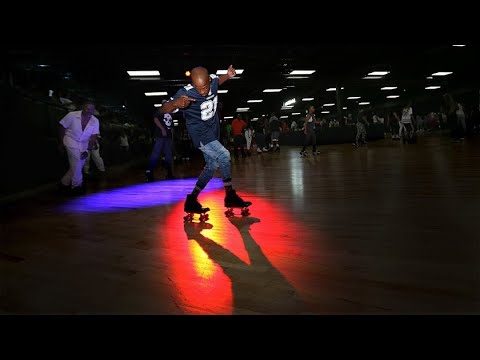
Credit: www.latimes.com
The 1990s Rollerblading Phenomenon: A Cultural Tsunami
The 1990s marked the zenith of rollerblading’s popularity. What had been a burgeoning trend exploded into a full-blown cultural phenomenon, permeating every facet of popular culture. The visual of individuals effortlessly gliding down streets, performing simple maneuvers, or simply enjoying the freedom of movement became iconic of the decade.
This widespread visibility was fueled by a confluence of factors, including effective marketing, media representation, and the sport’s inherent appeal. At its peak, inline skating reached tens of millions of participants in the United States, and industry coverage commonly describes the market as a boom that later reversed sharply.
Media Saturation And Celebrity Endorsement
Rollerblading was no longer confined to sporting goods stores; it was everywhere. Movies like “The Cutting Edge” (1992), while focused on figure skating, featured characters who incorporated inline skating, and films like “Brink!” (1998) and “Airborne” (1993) directly showcased the sport.
Music videos frequently featured skaters, often as a symbol of youthful energy and urban cool. Television shows, commercials, and print advertisements all embraced the image of the rollerblader. Brands like Rollerblade, K2, and Bladerunner invested heavily in marketing campaigns that emphasized freedom, fun, and athletic prowess, often featuring energetic soundtracks and stylish visuals.
This constant exposure made rollerblading seem aspirational and achievable, encouraging millions to try it.
The “Cool” Factor And Youth Culture
Rollerblading tapped into a powerful desire for self-expression and a sense of belonging for young people. It offered an alternative to traditional sports and activities, providing a platform for individual style and creativity. Aggressive inline skating, with its focus on performing tricks, jumps, and grinds in skate parks or urban environments, particularly resonated with a segment of youth culture seeking adrenaline and a distinct identity.
The associated fashion, baggy shorts, t-shirts, and athletic shoes, further solidified its place within the youth subculture of the era. This was a sport that felt modern, dynamic, and rebellious, all qualities that appealed strongly to a generation looking to define itself.
Expansion Of Skating Disciplines
As rollerblading’s popularity grew, so did the diversification of its practice. This evolution catered to a wider range of interests and skill levels, further embedding the activity into different communities.
-
- Recreational Skating: This was the most accessible form, focused on fitness, cruising, and enjoying the outdoors. Paths, parks, and boardwalks became prime locations for this style, emphasizing smooth gliding and general enjoyment.
- Aggressive Inline Skating: This discipline pushed the boundaries of what was possible on inline skates. Skaters performed complex tricks, jumps, and grinds on ramps, rails, and in urban settings. This subgenre developed its own distinct culture, gear, and professional circuits.
- Speed Skating: Similar to ice speed skating, this involved racing on specialized, longer frames with larger wheels designed for maximum speed and efficiency. It appealed to those with a competitive spirit and a focus on endurance.
- Fitness Skating: This evolved from recreational skating, focusing on cardiovascular workouts and endurance. It emphasized longer distances and consistent effort, attracting those looking for a low-impact aerobic exercise.
This branching out ensured that rollerblading had something to offer a broad spectrum of individuals, from casual enthusiasts to serious athletes.

Credit: www.narratively.com
The Rise Of Aggressive Inline Skating
While recreational rollerblading captured the mainstream imagination, a more extreme and visually dynamic discipline was brewing: aggressive inline skating. This subgenre took the foundational principles of inline skating and injected them with the daring spirit of skateboarding and BMX. It wasn’t just about gliding; it was about defying gravity and pushing the limits of human capability on a set of skates.
Roots In Skateboarding And Bmx
Aggressive inline skating emerged from a desire to replicate the tricks and stunts performed by skateboarders and BMX riders. Early pioneers adapted their inline skates, often using sturdier frames and adding protective elements. They began grinding on ledges, jumping down stairs, and performing aerial maneuvers in skate parks or on street obstacles.
This cross-pollination of ideas from other extreme sports was crucial to its development.
Key Elements And Tricks
The focus in aggressive inline skating is on technical skill and bravery. Skaters utilize specialized skates with UFS (Universal Frame System) compatibility, allowing for interchangeable frames and wheels. Common tricks include:
-
- Grinds: Sliding along ledges or rails on the frame, such as the 50-50 grind (sliding on both frames), 5-4-5 grind (sliding on the back frame and front soul plate), and Royale grind: (sliding on the back frame and back soul plate).
- Airs: Performing aerial maneuvers off ramps or jumps, often incorporating spins and grabs.
- Flips and Spins: Incorporating rotational movements in the air, similar to skateboarding tricks.
- Stalls: Balancing on top of an obstacle with the skate, rather than grinding along it.
The development of specialized grind plates and soul plates on the skates facilitated these maneuvers, allowing skaters to “lock on” to obstacles.
The Professional Scene And Media
Aggressive inline skating developed its own professional circuit, with major competitions like the X Games (which began featuring aggressive inline in 1995). Brands like Razors, USD, and Them Skates became prominent in this niche. While the mainstream craze faded, aggressive inline skating maintained a dedicated following, fostering a strong community and continuing to evolve.
The Waning Of The Craze: Factors Behind The Decline
By the early 2000s, the ubiquitous presence of rollerblading began to noticeably recede. The vibrant cultural moment that defined its peak started to dissipate, leaving behind a question: what happened to the rollerblading craze? The decline wasn’t a sudden collapse but rather a gradual fading, influenced by a complex interplay of market forces, evolving interests, and inherent limitations.
Market Saturation And Oversaturation
The sheer volume of rollerblades produced and marketed during the 1990s led to market saturation. Almost every sporting goods store, department store, and toy shop carried a wide array of inline skates, often at lower price points. This mass production and accessibility, while initially driving popularity, also led to a dilution of quality for many entry-level products.
Consumers who purchased cheap, poorly made skates might have had negative experiences, leading to discouragement. Furthermore, the novelty wore off as the product became commonplace.
Industry summaries also point to a classic boom-and-bust cycle: sales surged dramatically in the 1990s, then fell off steeply afterward, which left retailers and brands with too much inventory and less incentive to keep promoting beginner models.
Emergence Of New Trends And Competitors
The landscape of recreational activities and extreme sports is constantly shifting. As rollerblading’s peak subsided, other activities began to capture the public’s attention. Skateboarding experienced a resurgence, particularly with the mainstream success of athletes like Tony Hawk and the popularity of video games like Tony Hawk’s Pro Skater.
The rise of personal watercraft, mountain biking, and later, electric scooters and hoverboards, offered new avenues for outdoor recreation and thrill-seeking. These emerging trends siphoned off interest and market share that might have otherwise gone to rollerblading.
Safety Concerns And Perceived Risk
Inline skating, especially aggressive inline skating, carries inherent risks. Falls, sprains, fractures, and head injuries are potential outcomes, particularly for beginners or those attempting advanced maneuvers. While protective gear like helmets, knee pads, and elbow pads became more common, widespread adoption wasn’t always consistent, especially among casual users.
Some competitors also highlight the brake-and-stopping issue as a practical barrier: older or cheaper skates could feel stiff, heavy, and harder to stop quickly, which made the activity feel riskier than it looked in ads or movies.
Media portrayals of spectacular falls or injuries, coupled with parental concerns about safety, could have deterred some from taking up or continuing the activity. The perception of risk, whether fully justified or exaggerated, played a role in its decline.
Shift In Youth Culture And Aesthetics
Cultural trends are ephemeral. The specific aesthetic and ethos that made rollerblading so appealing in the 1990s naturally evolved. The “cool” factor associated with the sport began to fade as new fashion trends and subcultures emerged. What was once cutting-edge and rebellious could eventually be seen as dated.
The music, fashion, and overall vibe that propelled rollerblading into the mainstream also moved on, taking with them a significant portion of the youth demographic that had embraced the activity.
The Enduring Niche: Rollerblading Today
Despite the dramatic downturn in mainstream popularity from its 1990s peak, rollerblading has not disappeared. Instead, it has settled into a more defined niche, retaining a dedicated following and continuing to evolve within specific communities. The activity remains a popular choice for fitness enthusiasts, a challenging pursuit for aggressive skaters, and a nostalgic pastime for those who came of age during its heyday.
Fitness And Recreational Skating’s Continued Appeal
For many, rollerblading remains an excellent low-impact form of cardiovascular exercise. The smooth gliding motion is gentle on the joints compared to running, making it an attractive option for individuals seeking a fun and effective way to stay fit. Dedicated skating paths and trails in parks and urban areas continue to be popular spots for recreational skaters.
The availability of comfortable, well-designed skates for fitness skating ensures that this segment of the market remains active. Many users appreciate the ability to cover significant distances with relative ease, making it an efficient way to explore their surroundings or get a good workout.
For buyers today, the most useful features are fit, ventilation, wheel size, frame stiffness, and a dependable closure system; those details matter more than whether the skate is marketed as lifestyle, fitness, or freestyle.
The Resilience Of Aggressive Inline Skating
Aggressive inline skating, as mentioned, never truly vanished. It has cultivated a passionate and resilient community that continues to push the sport’s boundaries. While it may not receive the same level of mainstream media attention as it did in the late 90s, professional competitions still exist, and dedicated skate parks and street spots serve as venues for skaters to hone their skills.
The community is characterized by a strong sense of camaraderie and a shared dedication to the art of trick skating. This niche continues to produce talented athletes and innovative skating styles, proving that the spirit of aggressive inline skating is alive and well.
Nostalgia And The Retro Revival
The cyclical nature of trends means that activities and styles from previous decades often experience a revival. Rollerblading, as a quintessential 1990s activity, benefits from this nostalgic pull. For those who grew up skating during the boom, there’s a certain comfort and joy in revisiting the activity.
This has led to renewed interest from adults who may have skated as children or teenagers, seeking to recapture a piece of their past. This retro appeal contributes to the ongoing presence of rollerblading, even if it doesn’t dominate the cultural landscape as it once did.
Rollerblading Vs. Skateboarding: A Comparative Look
While both rollerblading and skateboarding involve riding on wheels and offer avenues for recreation, fitness, and extreme sports, they possess distinct characteristics that appeal to different individuals and communities. Understanding these differences can illuminate why one might have overshadowed the other at various points in time.
Design And Functionality
| Feature | Rollerblades (Inline Skates) | Skateboards |
|---|---|---|
| Wheel Setup | Four wheels in a single line. | Four wheels, two on each truck (axle). |
| Stability | Generally more stable due to wheel configuration and boot support. | Less stable, requires more core strength and balance. |
| Maneuverability | Excellent for straight-line speed and carving. Aggressive skates offer specific trick capabilities. | Highly maneuverable for quick turns, flips, and intricate tricks. |
| Terrain | Best on smooth, paved surfaces. Can handle some rougher terrain with larger wheels. | Versatile, can be used on smooth surfaces, ramps, bowls, and some rougher ground. |
| Learning Curve | Easier for basic gliding and forward motion. Aggressive tricks are challenging. | Steeper initial learning curve for balance and basic movement. Tricks are complex. |
Cultural Impact And Community
Rollerblading, especially during its peak, was often associated with a more mainstream, broadly appealing image, encompassing fitness, family fun, and urban cruising. Aggressive inline skating fostered a subculture with its own distinct style, music, and media, often drawing parallels to skateboarding and BMX.
Skateboarding, on the other hand, has maintained a more consistent, albeit evolving, cultural presence. Its roots in street culture, its association with rebellion, and its deep integration into music and art have given it a unique and enduring identity. The skateboarding community, with its emphasis on individual expression and progression, has often been seen as more DIY and counter-cultural.
Evolution And Sustainability
Both sports have seen periods of immense popularity followed by shifts in attention. Skateboarding, with its deep historical roots and constant innovation in tricks and styles, has demonstrated remarkable resilience. The development of street skating, vert skating, and the professionalization of the sport have ensured its longevity.
Rollerblading, while still vibrant in its niche communities, experienced a more pronounced boom-and-bust cycle in mainstream appeal. However, its ongoing use for fitness and the continued dedication of aggressive inline skaters suggest it has found a sustainable, albeit less dominant, place in the world of wheeled sports.
Frequently Asked Questions
What Is The Difference Between Rollerblades And Inline Skates?
The terms “rollerblades” and “inline skates” are often used interchangeably, but “Rollerblade” is actually a brand name that became so popular it’s often used generically to refer to all inline skates. Technically, inline skates are any skates with wheels arranged in a single line, while Rollerblade is a specific manufacturer of these skates.
Why Did Rollerblading Become So Popular In The 1990s?
Rollerblading’s popularity in the 1990s was driven by several factors, including innovative skate design (especially the polyurethane wheel), its adoption as an off-season training tool for hockey players, its accessibility and relatively easy learning curve for basic movement, and its pervasive presence in popular culture through movies, music videos, and advertising.
It was marketed as a fun, energetic, and cool activity for all ages.
Is Aggressive Inline Skating Still A Thing?
Yes, aggressive inline skating is still very much active, though it operates within a dedicated niche rather than mainstream popularity. Skaters continue to perform advanced tricks, grinds, and aerial maneuvers in skate parks and urban environments. There are professional competitions, dedicated brands, and a passionate community that keeps the sport alive and evolving.
What Are The Main Benefits Of Recreational Inline Skating?
Recreational inline skating offers numerous benefits, primarily as a low-impact cardiovascular exercise that is excellent for improving stamina, leg strength, and balance. It’s also a fun way to enjoy the outdoors, explore new areas, and can be a more joint-friendly alternative to high-impact activities like running.
The smooth gliding motion provides a unique sense of freedom and movement.
How Does Rollerblading Compare To Skateboarding In Terms Of Difficulty?
Generally, basic inline skating is considered easier to learn than basic skateboarding. Getting up and gliding on inline skates requires less initial balance and coordination. However, mastering advanced tricks in both sports requires significant dedication, practice, and skill. Skateboarding has a more complex system of board manipulation for tricks, while aggressive inline skating focuses on grinds, jumps, and aerials with a different type of maneuverability.
The vibrant era of rollerblading, characterized by its widespread cultural impact and mainstream appeal, stands as a notable chapter in the history of recreational sports. While the intense craze of the 1990s has since subsided, the activity has proven its resilience, evolving into enduring niche communities focused on fitness, aggressive stunts, and nostalgic enjoyment.
The lessons learned from its meteoric rise and subsequent moderation offer valuable insights into the dynamic nature of trends, the importance of continuous innovation, and the lasting power of activities that promise fun, freedom, and a unique way to experience the world on wheels.