Electric Skateboards for Beginners: The Ultimate Starter Guide
Electric skateboards are changing the way people move around cities and neighborhoods. Once a niche hobby, these boards are now seen everywhere—from college campuses to city streets. For beginners, the idea of jumping on an electric skateboard can be both exciting and a little scary.
This guide will help you understand what you need to know before buying and riding your first electric skateboard. You’ll learn about the main features, what matters most for new riders, safety tips, and how to make the best choice for your needs.
What Is An Electric Skateboard?
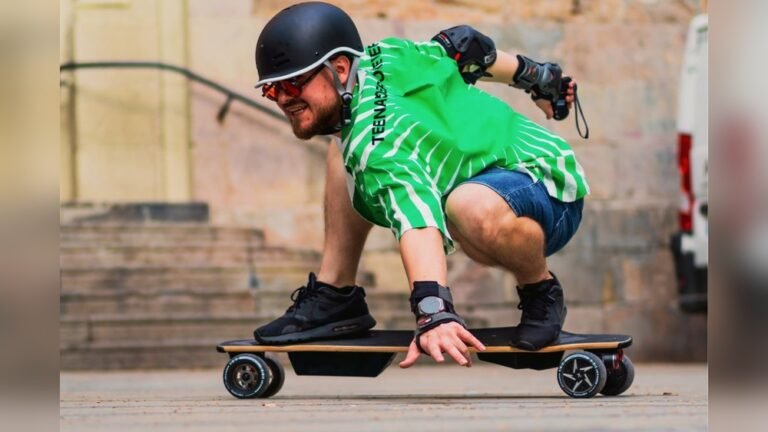
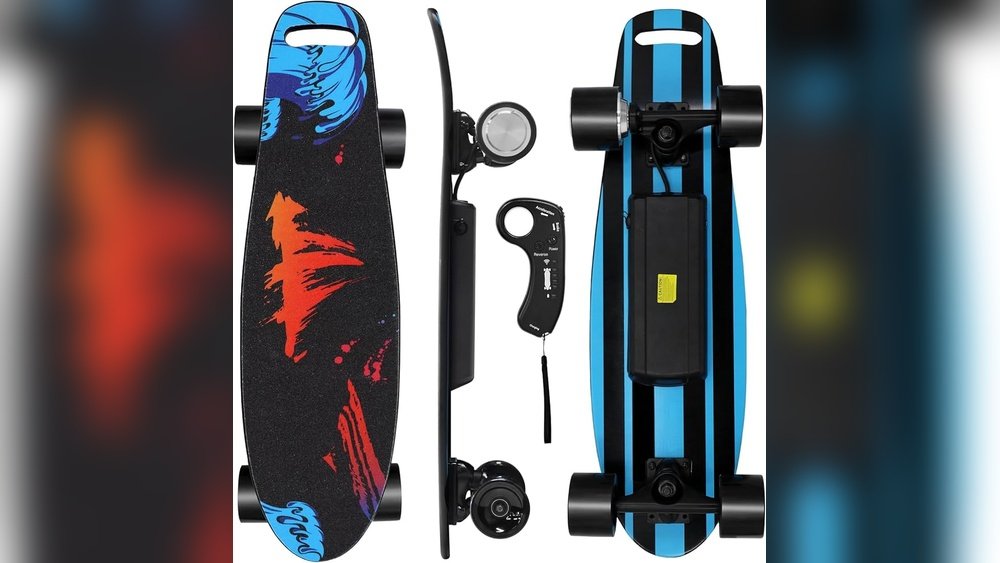
An electric skateboard looks similar to a traditional skateboard, but it has a motor, a battery, and a wireless remote control. You stand on the board and use the remote to control speed and braking. Most boards can go faster than people expect—some can reach 20 mph (32 km/h) or more, but beginner models often have lower top speeds for safety.
Electric skateboards are used for:
- Commuting short distances
- Fun and recreation
- Learning balance and control
They are popular because they’re easy to carry, don’t need fuel, and make getting around more enjoyable.
Key Features Beginners Should Look For
Not all electric skateboards are the same. For new riders, certain features matter more than others. Here’s what you should pay attention to:
1. Speed And Power
Many boards advertise high speeds, but beginners don’t need this. Look for boards with a top speed of 10–15 mph (16–24 km/h). This is fast enough to feel exciting but slow enough to stay in control.
2. Range
Range means how far you can go on one battery charge. For most beginners, a range of 6–10 miles (10–16 km) is enough. Longer range means a heavier and more expensive board, which is not always better for new riders.
3. Weight
Lightweight boards (12–18 lbs or 5–8 kg) are easier to carry and control. Heavier boards can be tough to handle, especially when you have to pick them up or walk up stairs.
4. Deck Material And Flex
- Bamboo or maple decks offer good flexibility and comfort.
- Stiff decks make it easier to learn, but they can feel harsh on bumps.
Most beginners prefer a deck with a little flex for comfort and easier turning.
5. Wheels
- Larger, softer wheels (90–100mm diameter) give a smoother ride and handle small cracks or rocks better.
- Small, hard wheels feel every bump and can be dangerous on rough pavement.
6. Brakes
Electric skateboards use regenerative braking, which charges the battery when you slow down. Make sure the board’s brakes are smooth and reliable—jerky brakes can throw you off balance.
7. Price
Beginner boards usually cost between $300 and $600. Cheaper boards often cut corners on safety and reliability. Don’t buy the absolute cheapest board you find online.
8. Remote Control
A simple, easy-to-hold remote makes a big difference. Look for clear speed modes, a responsive throttle, and a comfortable grip.
Non-obvious insight: Some remotes have a “reverse” mode—accidentally activating this can surprise new riders, so check the remote before riding.
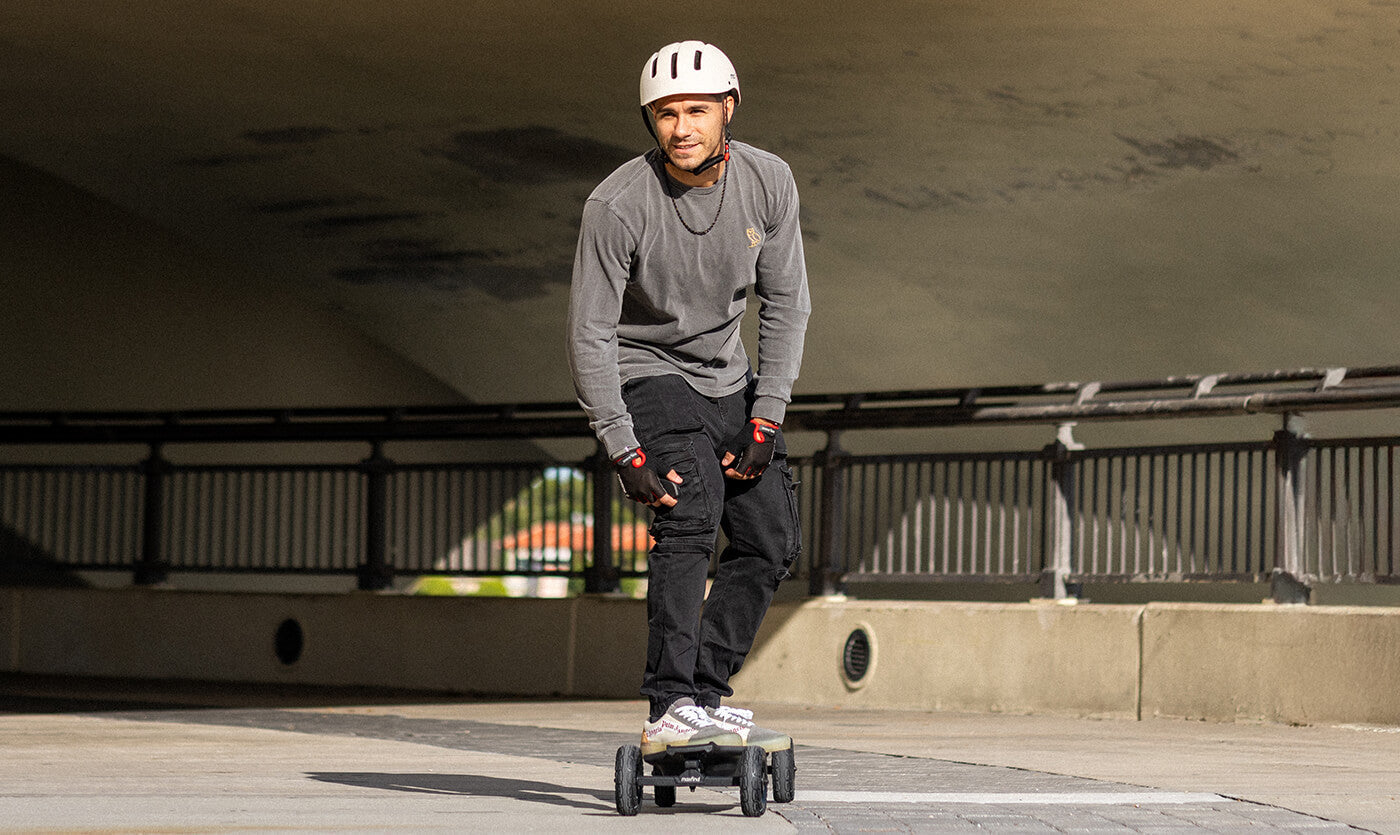
Credit: www.maxfind.com
Top Electric Skateboards For Beginners (2024)
Choosing your first board can feel overwhelming. Here’s a comparison of popular beginner-friendly models that balance safety, price, and ease of use.
| Model | Top Speed (mph) | Range (miles) | Weight (lbs) | Price (USD) |
|---|---|---|---|---|
| Meepo V5 | 15 | 11 | 17 | 399 |
| Backfire G2 Black | 12.5 | 11 | 15.2 | 429 |
| WowGo 2S Max | 15 | 14 | 18 | 499 |
| Teamgee H5 | 11 | 11 | 14.5 | 379 |
| Ownboard W1S | 15.5 | 12.5 | 17.2 | 429 |
Note: Prices can change and may not include shipping or taxes.
How To Choose The Right Electric Skateboard
Before buying, think about where and how you will use the skateboard. Here are some practical steps to help you decide:
1. Consider The Terrain
Smooth city sidewalks? Rough paths? If your area has many cracks or uneven roads, choose a board with bigger, softer wheels and good deck flexibility.
2. Think About Carrying
Will you need to carry your board on buses or into buildings? Lighter boards make daily use much easier.
3. Set A Realistic Budget
Don’t just buy the cheapest board. Spending a little more on safety and reliability can save you money and headaches later.
4. Read Real Reviews
Look for reviews from new riders, not just experts. Many experienced skaters forget what it’s like to be a beginner.
5. Check Warranty And Support
Some companies offer much better customer service and warranties. This can be a lifesaver if something goes wrong.
6. Try Before You Buy (if Possible)
Some skate shops or events let you test boards. Even just standing on a board helps you feel the difference.
Non-obvious insight: Many boards have smartphone apps for adjusting speed modes and checking battery life. This feature is nice, but not essential for beginners.
Safety Tips For New Riders
Riding an electric skateboard is fun, but it comes with risks. Here’s how to stay safe:
Wear Proper Safety Gear
- Helmet: Always wear a certified helmet, not just a bike helmet.
- Wrist guards: Falls often hurt wrists.
- Knee and elbow pads: These protect against scrapes and bruises.
- Gloves: Optional but helpful for hand protection.
Start Slow
Use the lowest speed setting until you feel comfortable. Practice stopping and turning in an open, empty space before riding near people or traffic.
Learn The Controls
Spend time getting used to the remote’s throttle and brake. Some remotes are sensitive and need a gentle touch.
Watch Out For Hazards
- Avoid wet roads—electric skateboards slip easily and water can damage electronics.
- Watch for rocks, sticks, and cracks.
- Don’t ride at night unless your board has strong lights and reflectors.
Ride Defensively
Cars, bikes, and pedestrians may not see or expect electric skateboards. Stay alert and avoid busy streets until you are confident.
Understand Local Laws
Some cities ban electric skateboards on sidewalks or roads. Check local rules before riding. Ignoring these can lead to fines or having your board taken away.
Common Beginner Mistakes (and How To Avoid Them)
Even careful new riders make mistakes. Here are some common problems and how to fix them:
1. Jumping On At High Speed
Always start with the slowest speed mode. Sudden acceleration can make you lose balance.
2. Leaning Too Far Forward Or Back
Keep your knees bent and your weight centered over the board. Sudden movements can cause falls.
3. Ignoring Maintenance
Check screws, wheels, and battery connections often. Loose parts can cause accidents.
4. Not Checking Battery Before Rides
Running out of battery far from home means you must push a heavy board. Always charge fully before leaving.
5. Forgetting To Update Firmware
Some boards improve with software updates. Check the manufacturer’s website or app.
6. Riding In Dangerous Weather
Wet or icy roads are risky—even for experienced riders. Wait until conditions are dry and safe.
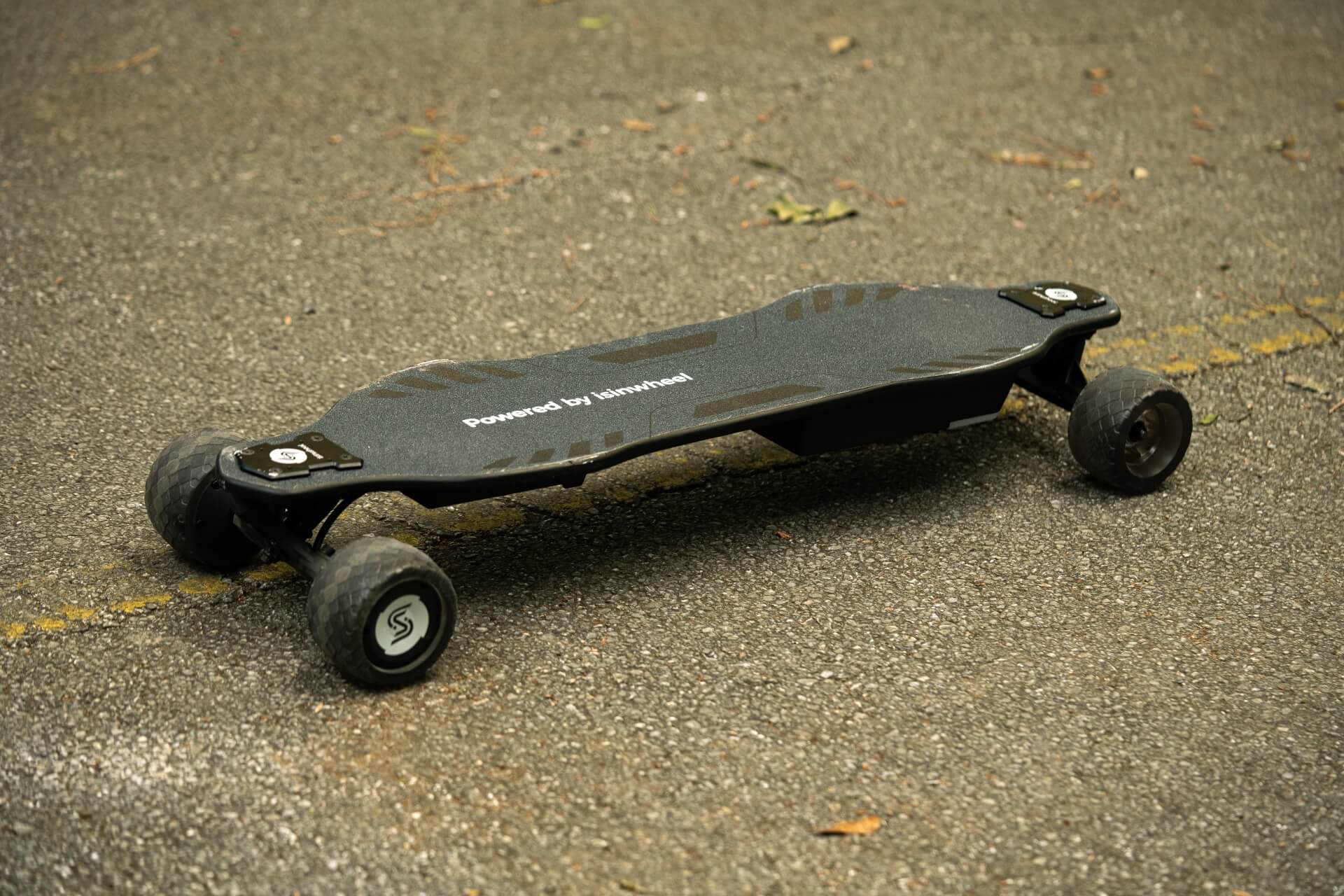
Credit: www.isinwheel.com
How To Practice And Build Confidence
Getting comfortable on an electric skateboard takes time. Here’s a simple plan for beginners:
1. Start On Grass Or Carpet
Stand on the board on a soft surface to practice balance and using the remote.
2. Move To Flat Pavement
Find a large, empty parking lot. Ride slowly and practice accelerating, stopping, and turning.
3. Try Gentle Hills
Once you’re steady, try small inclines to feel how the board handles going up and down.
4. Learn To Bail Safely
Practice jumping off the board and running it out if you lose control. This skill can prevent injuries.
5. Ride With A Friend
If possible, skate with someone experienced. They can give tips and help if you fall.
Practical tip: Always let people around you know if you’re about to pass by. A bell or even a simple “excuse me” helps avoid surprises.
Maintenance Basics
Keeping your electric skateboard in good shape is important for safety and performance. Here are the basics:
- Clean the board regularly with a damp cloth. Avoid soaking the electronics.
- Check the wheels for cracks or flat spots. Replace them if needed.
- Tighten screws and trucks every few rides.
- Store the board in a cool, dry place. Extreme heat or cold can damage the battery.
- Charge only with the original charger to avoid battery problems.
For more detailed maintenance guides, check Wikipedia’s electric skateboard page.
Electric Skateboards Vs. Other Personal Transport
How do electric skateboards compare to bikes, scooters, and traditional skateboards? Here’s a quick overview:
| Transport Type | Speed | Range | Learning Curve | Portability |
|---|---|---|---|---|
| Electric Skateboard | 10–20 mph | 6–15 miles | Medium | High |
| Bicycle | 10–18 mph | 15–40 miles | Low | Medium |
| Electric Scooter | 12–18 mph | 10–20 miles | Low | High |
| Traditional Skateboard | 5–10 mph | N/A | Medium | High |
Electric skateboards are a good mix of speed, fun, and portability. They are harder to learn than scooters but easier than traditional skateboards for many people, thanks to the motor and brakes.
Frequently Asked Questions
Is It Hard To Learn To Ride An Electric Skateboard?
Most beginners need a few hours to get used to the balance and controls. Start slow, practice in a safe area, and use safety gear. People with experience in skateboarding or snowboarding learn faster, but anyone can master it with practice.
Can Electric Skateboards Go Uphill?
Yes, most boards can climb small hills. The ability depends on motor power and your weight. Beginner boards can handle gentle slopes, but very steep hills may be a struggle. Always check the manufacturer’s hill grade rating.
How Long Does The Battery Last?
Most beginner boards last 6–14 miles on a full charge. This can change based on speed, rider weight, and terrain. Batteries lose some power over time, so range may decrease after a year or two.
Are Electric Skateboards Waterproof?
Most boards are not fully waterproof. Some are water-resistant, but you should avoid riding in rain or through puddles. Water can damage the motor or battery and void your warranty.
What Happens If The Battery Dies Mid-ride?
You can still push most boards like a regular skateboard if the battery runs out, but they are heavier and may not roll as smoothly. Always check your battery level before leaving home and plan your route.
Electric skateboards open up a new world of commuting and fun. By starting with the right board, using proper safety gear, and learning at your own pace, you’ll have a safe and enjoyable experience. Remember, every expert started as a beginner—take your time, ride smart, and enjoy the ride.
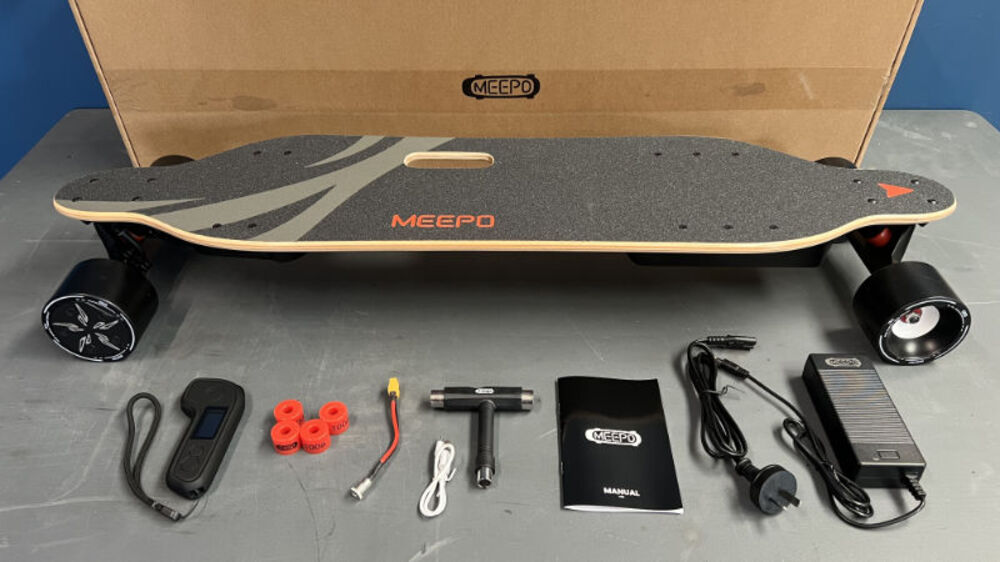
Credit: www.meepoboard.com