Skateboarding in the Olympics: History, Highlights, and Future
Skateboarding has always been more than just a sport. It’s a lifestyle, a creative outlet, and a culture that has grown from city streets and empty pools to global competitions. For decades, many people saw skateboarding as rebellious and underground. But in 2021, something big happened—the world finally saw skateboarding in the Olympics. This step was not just a win for athletes; it showed how skateboarding has evolved, gained respect, and inspired a new generation. Let’s dive into how skateboarding rolled its way onto the world’s biggest athletic stage, how the events work, who the stars are, and what the future might hold.
The Road To The Olympics
The journey to Olympic inclusion was not easy. Skateboarding began in the late 1940s and early 1950s, with surfers in California looking for something to do when the waves were flat. Over time, it developed its own identity, with skate parks, competitions, and even professional teams.
The idea of skateboarding in the Olympics started gaining attention in the 2000s. The International Olympic Committee (IOC) was searching for sports that would attract younger viewers. Skateboarding, with its unique energy and wide appeal, was a perfect choice. However, many skaters were unsure about joining such a traditional event.
They worried it might lose its creative freedom or become too focused on rules.
Despite these concerns, the push continued. The IOC worked with organizations like World Skate to develop fair and exciting competition formats. In 2016, the IOC announced that skateboarding would be part of the Tokyo 2020 Olympics (held in 2021 due to the pandemic). This decision changed how the world viewed skateboarding forever.
Skateboarding Events In The Olympics
Skateboarding made its Olympic debut with two main events: street and park. Both test different skills and styles, and each has men’s and women’s divisions.
Street
Street skateboarding is inspired by real city landscapes. The course has stairs, rails, ledges, and ramps. Skaters choose their own lines and perform tricks on different obstacles. Judges score them based on difficulty, style, originality, and execution.
Park
Park skateboarding takes place in a large, bowl-shaped course with steep sides and curves. It’s about speed, flow, and big aerial tricks. Skaters move quickly, using the curves to gain height and perform spins and flips. Judges look at the variety of tricks, how smoothly they are done, and overall creativity.
Here’s a quick look at the two formats:
| Event | Main Features | Judging Focus |
|---|---|---|
| Street | Stairs, rails, ledges, flat ground | Difficulty, style, creativity |
| Park | Bowl course, curves, transitions | Flow, variety, height |
How Olympic Skateboarding Works
Olympic skateboarding competitions use a scoring system that tries to balance fairness with the sport’s creative side. Here’s how it works:
- Heats: Skaters compete in small groups.
- Runs and Tricks: Each skater gets timed runs (usually 2) and a set number of “best trick” attempts.
- Judging: A panel of judges scores every run and trick from 0.0 to 10.0, focusing on difficulty, originality, style, consistency, and execution.
- Best Scores: The highest scores from the runs and tricks are counted toward the final total.
- Finals: The top scorers from the heats move to the finals, where the medals are decided.
A key difference from other sports is that judges value individual style. Two skaters might do the same trick but perform it differently. The one with more creativity or better form could score higher.
Notable Olympic Skateboarders
The Olympic stage has already created new skateboarding stars. Some athletes became household names overnight, while others used the chance to showcase years of hard work.
- Yuto Horigome (Japan): Won the first-ever Olympic gold in men’s street at Tokyo 2020. His technical tricks and smooth style impressed judges and viewers.
- Momiji Nishiya (Japan): At just 13, she won gold in women’s street, showing that young skaters can compete at the highest level.
- Sky Brown (Great Britain): The youngest British Summer Olympian, she won bronze in women’s park at age 13. Her fearless attitude inspired many.
- Keegan Palmer (Australia): Dominated the men’s park event with high-flying tricks.
- Rayssa Leal (Brazil): Another young star, she took silver in women’s street and became a global icon.
These skaters represent the diversity and future of the sport. Olympic skateboarding allows talent from all backgrounds to shine.
Impact Of Skateboarding’s Olympic Inclusion
Bringing skateboarding into the Olympics changed both the sport and the Games. Here are some ways it made a difference:
- Global Exposure: Millions of people watched Olympic skateboarding for the first time. This brought new fans and more support for local skate scenes.
- Changing Perceptions: Many once saw skateboarding as rebellious or even illegal. Olympic inclusion helped show it as a real sport with discipline and skill.
- Opportunities for Youth: More young people now see skateboarding as a path to international competition. This has encouraged investment in skate parks and training programs.
- Diverse Participation: The sport’s openness to men and women, and its popularity in countries like Japan, Brazil, and the US, has made the competition more global.
Comparing Olympic Skateboarding To Other Major Competitions
Skateboarding has a long history of competitions, like the X Games and Street League Skateboarding (SLS). How does the Olympic format compare?
| Competition | Main Focus | Format Differences |
|---|---|---|
| Olympics | Global, national teams | Country quotas, strict judging |
| X Games | Extreme sports, showcase | Invitational, more creative freedom |
| SLS | Street skating, pros | League-based, higher cash prizes |
One non-obvious insight is that while the Olympics bring huge attention, many top skaters still see events like the X Games as equally important for creativity and community. Another thing beginners often miss: in the Olympics, each country is limited in how many skaters they can send. This means some world-class skaters do not qualify, making the competition unique.

Credit: abcnews.com
Olympic Skateboarding Rules And Equipment
While skateboarding seems freeform, Olympic events have clear rules to keep things fair and safe.
Basic Rules
- Skaters must wear helmets in the park event (required for those under 18 in street).
- Each skater gets the same number of runs and trick attempts.
- Outside help (from coaches or others) is not allowed during a run.
- Only tricks landed cleanly count for high scores.
Equipment
Most skaters use similar gear, but small details can make a big difference:
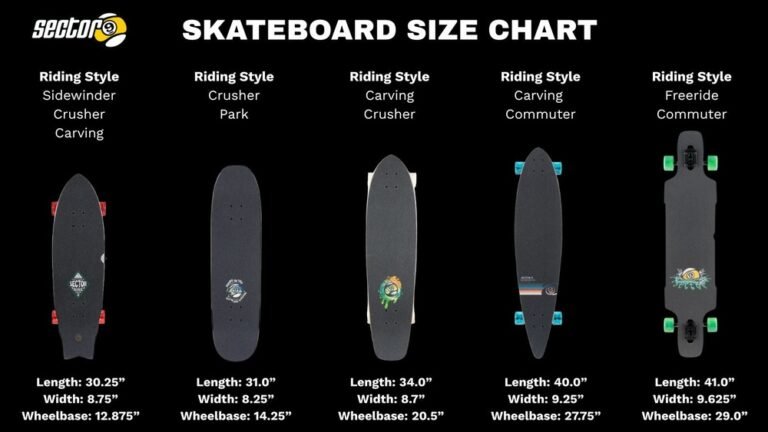
- Deck: Usually 7.5–8.5 inches wide. Choice depends on comfort and trick style.
- Trucks: Connect the wheels to the board. Must be tight enough for control, loose enough for tricks.
- Wheels: Harder wheels slide better for street, softer wheels grip better in park.
- Helmet and Pads: Required, especially for younger skaters. Safety is a priority in the Olympics.
One mistake beginners make is copying a pro’s setup without thinking about their own style or body size. It’s important to try different setups to find what works best.
Qualifying For Olympic Skateboarding
Getting to the Olympics is not easy. Here’s how athletes qualify:
- World Skate Events: Skaters earn points at official competitions like World Championships and Continental Championships.
- Ranking System: The top-ranked skaters in each event (street and park, men and women) are invited.
- Country Quotas: Each country can send a limited number of skaters per event (usually three).
- Host Nation: The host country gets one guaranteed spot in each event.
Here is a summary:
| Qualification Path | Details |
|---|---|
| World Championships | Top finishers earn direct spots |
| Continental Championships | Best in each continent qualify |
| World Skate Rankings | Points from many events decide invitations |
| Host Nation | One automatic spot per event |
A practical tip: skaters should start competing in as many qualifying events as possible. Waiting until the last year usually isn’t enough.

Credit: www.nytimes.com
Skateboarding’s Influence On Olympic Culture
Adding skateboarding didn’t just change the sport—it also changed the Olympics. The energy, fashion, and music of skateboarding brought a fresh vibe to the Games. Skaters often wear their own clothes, listen to music during practice, and celebrate each other’s tricks, even if they are rivals.
This sense of community impressed many viewers. It helped break down the idea that the Olympics are only for serious, traditional athletes. Many fans now see the Games as more welcoming to new ideas and cultures.
Challenges And Criticisms
Skateboarding’s Olympic debut was exciting, but not everyone was happy. Some of the main concerns included:
- Authenticity: Some core skaters worried that Olympic rules would make skateboarding too strict or take away its creative edge.
- Judging: Because style is subjective, some scores were debated. It’s hard to measure creativity with numbers.
- Country Quotas: The rule that limits how many skaters each country can send means some top pros didn’t make it.
- Commercialization: There are worries that big sponsors could push out local scenes and small brands.
However, most agree that the benefits—more support, better facilities, and bigger audiences—outweigh the negatives. Over time, the Olympic format may continue to evolve with input from the skateboarding community.

Credit: www.rollingstone.com
The Future Of Skateboarding In The Olympics
Looking ahead, skateboarding is set to stay in the Olympics for years to come. The Paris 2024 Games and future events will likely see more innovation. Here’s what might change:
- More Events: There is talk of adding new formats, like team events or different types of courses.
- Younger Athletes: With so many teens winning medals, expect to see even younger talent.
- Global Growth: Countries with new skate parks and training programs could start winning medals.
- Technology: Better broadcast technology will help fans see more angles and tricks.
One non-obvious factor: as more countries build skate parks, we may see champions from places that were never considered skateboarding hotspots. This will make the competition even more exciting and diverse.
For more information on Olympic skateboarding formats and history, see the Wikipedia page on Olympic Skateboarding.
Frequently Asked Questions
What Are The Two Main Types Of Olympic Skateboarding Events?
The two main events are street and park. Street uses obstacles like stairs and rails, while park takes place in a bowl-shaped course with curves and transitions.
How Are Olympic Skateboarding Runs Scored?
A panel of judges gives scores from 0.0 to 10.0 based on difficulty, style, consistency, execution, and creativity. The best scores from runs and trick attempts are added together for the final total.
Do Olympic Skateboarders Have To Wear Helmets?
Yes, helmets are required in park events for all ages and in street events for anyone under 18. Safety is important in Olympic competition.
Why Didn’t Some Famous Skaters Compete In The Olympics?
Each country can only send a limited number of skaters per event. Some top skaters didn’t qualify due to these rules or chose not to compete.
Will Skateboarding Stay In Future Olympics?
Yes, skateboarding is planned for Paris 2024 and future Games. The format and events may change as the sport continues to grow.
Skateboarding’s arrival at the Olympics is more than just a new event—it’s proof that sports can change, grow, and welcome new cultures. Whether you skate for fun or dream of a gold medal, the future of skateboarding is bright, creative, and open to everyone.