Skateboard Size Chart: Find Your Perfect Fit for Every Ride
Choosing the right skateboard size is not just about style—it’s about safety, comfort, and how well you can control your board. For beginners, the world of skateboard sizes can feel confusing. There are numbers, widths, and even special shapes. But once you know the basics, picking the right size is much easier.
This guide breaks down skateboard sizing for all skill levels, body types, and riding styles, so you can make the right choice and start skating with confidence.
Why Skateboard Size Matters
Many new skaters overlook skateboard size, thinking any board will do. But the width, length, and wheelbase of your skateboard affect how you ride. A board that’s too wide can make tricks harder, while a board that’s too narrow can feel unstable. Even small differences in size can change how your board turns, flips, or rolls.
A properly sized skateboard helps you learn faster and reduces your risk of injury. It also makes riding more comfortable. Skating is all about balance, so having the right size means you can focus on learning, not fighting your board.
Key Parts Of A Skateboard
Before looking at the size chart, it helps to know what the main parts of a skateboard are:
- Deck: The main board where you stand, usually made of wood.
- Trucks: The metal parts under the deck that hold the wheels and allow turning.
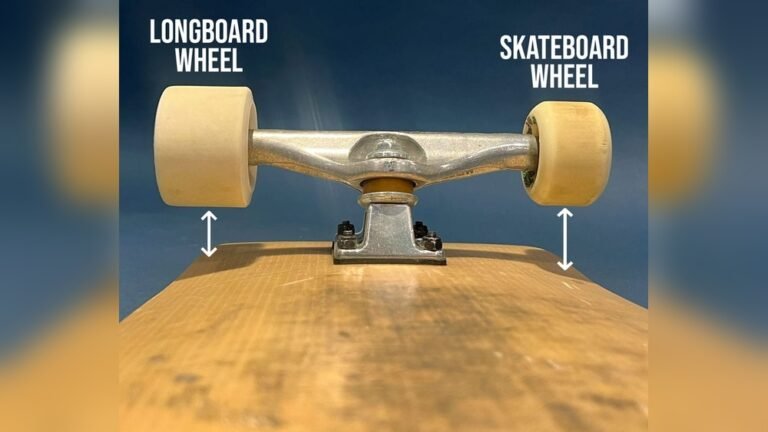
- Wheels: The round parts that roll on the ground.
- Grip Tape: The rough surface on top that keeps your shoes from slipping.
When people talk about skateboard size, they almost always mean the deck width (measured in inches). But length and wheelbase are also important for some riders.

Credit: sector9.com
Understanding Skateboard Size Measurements
Width
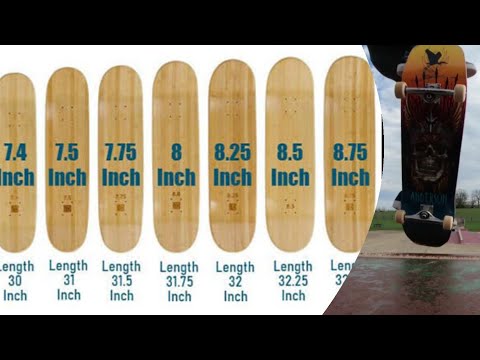
Most skateboards are measured by their width. Standard sizes range from 7.5 to 8.5 inches wide. Narrower boards are lighter and flip more easily. Wider boards are more stable and better for ramps or cruising.
Length
Deck length is usually between 28 and 33 inches. Most street skaters don’t worry much about length, but taller skaters or those who ride ramps might prefer a longer deck.
Wheelbase
The wheelbase is the distance between the two sets of wheels. A longer wheelbase gives a smoother, more stable ride. Shorter wheelbases are better for sharp turns and technical tricks.
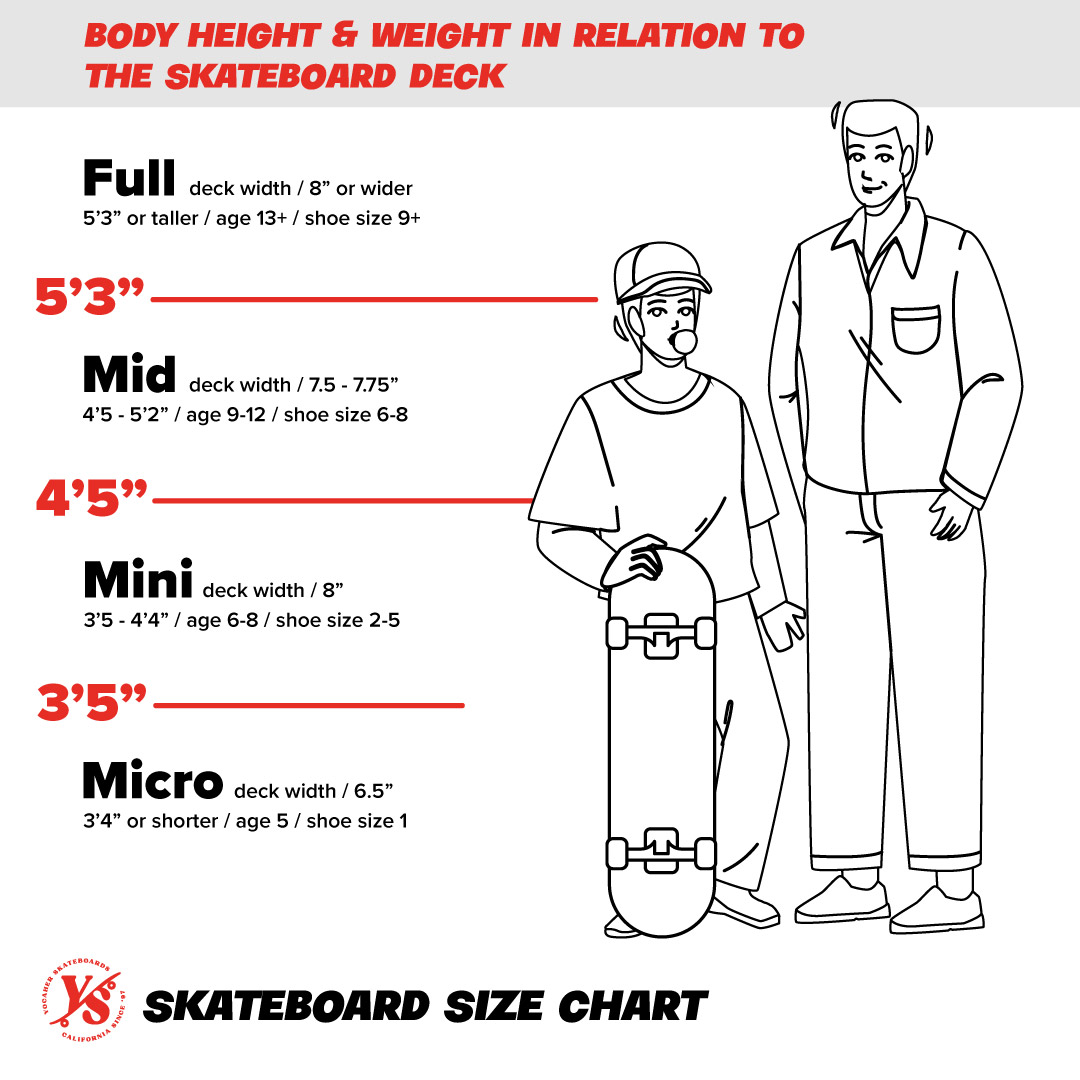
Skateboard Size Chart By Age And Shoe Size
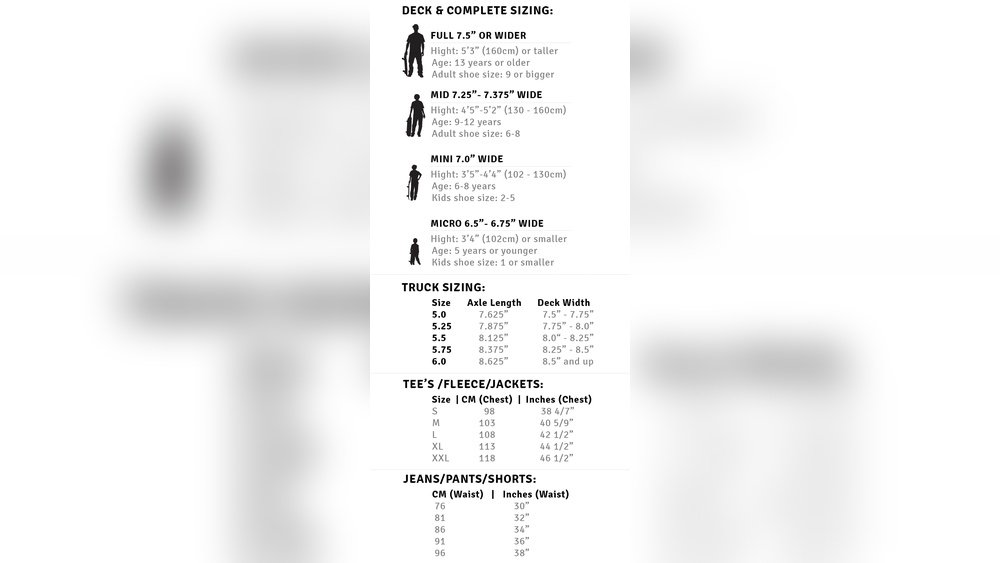
Here’s a quick reference to match skateboard sizes to age, shoe size, and height.
| Rider Age | Shoe Size (US) | Height | Deck Width (inches) |
|---|---|---|---|
| 5 and under | Up to 3 | Under 3’4″ | 6.5″ – 7.0″ |
| 6 – 8 | 3 – 5 | 3’5″ – 4’4″ | 7.0″ – 7.3″ |
| 9 – 12 | 6 – 7 | 4’5″ – 5’2″ | 7.3″ – 7.5″ |
| 13 and up | 8+ | 5’3″ and up | 7.5″ – 8.5″ |
This table covers most beginners. If you’re in between sizes, personal preference matters most.
Choosing The Right Skateboard Width
Street Skating
If you want to do street tricks (like ollies, kickflips, and grinding rails), choose a narrower board (7.5″ to 8.0″). Narrow boards are lighter and easier to flip.
Park And Ramp Skating
For ramps, bowls, or parks, a wider board (8.0″ to 8.5″) is better. These boards are more stable at high speeds and when landing big tricks.
Cruising And Transportation
If you mostly cruise around town, go for a wider board or even a cruiser/longboard (usually 8.5″ and up). The extra width makes the ride smoother.
Skateboard Sizes For Different Body Types
Size is not just about age or shoe size—body weight and height matter, too. Heavier or taller skaters may feel unstable on a narrow board, while lighter or smaller skaters might struggle with a wide deck.
Here’s another comparison for choosing by body weight:
| Body Weight | Recommended Deck Width |
|---|---|
| Under 45 lbs (20 kg) | 6.5″ – 7.0″ |
| 46 – 100 lbs (21 – 45 kg) | 7.0″ – 7.5″ |
| 101 – 150 lbs (46 – 68 kg) | 7.5″ – 8.0″ |
| Over 150 lbs (68 kg+) | 8.0″ – 8.5″ |
If you are between sizes, try a few boards at a skate shop. Stand on them and see which feels most natural.
Credit: shop.yocaher.com
Complete Skateboard Size Comparison
There are many types of skateboards. Here’s a quick comparison of the most common types by their average size:
| Type | Width | Length | Best For |
|---|---|---|---|
| Mini | 6.5″ – 7.0″ | 27″ – 28″ | Young kids |
| Mid-size | 7.0″ – 7.5″ | 28″ – 30″ | Older kids, preteens |
| Full-size | 7.5″ – 8.5″ | 31″ – 33″ | Teens and adults |
| Cruiser | 8.5″ and up | 32″ and up | Commuting, smooth rides |
| Longboard | 9″ and up | 36″ and up | Downhill, long rides |
This overview helps you see the difference between a classic street skateboard and other board styles.
How To Measure Your Skateboard
If you already have a skateboard and want to check the size, use a ruler or tape measure:
- Place the board on a flat surface.
- Measure the width at the widest part of the deck.
- Measure the length from the tip of the nose to the tail.
- For the wheelbase, measure from the center of the front truck holes to the back truck holes.
Measuring your board can help you decide if you need a different size.
Common Mistakes When Choosing Skateboard Size
Even experienced skaters sometimes make mistakes when picking a new deck. Here are some to avoid:
- Ignoring width: Some people focus on graphics instead of size. The art does not matter if the board feels wrong.
- Going too wide or too narrow: A board that’s too wide feels heavy and hard to flip. Too narrow, and you’ll lose balance.
- Not considering shoe size: If your shoes hang off the edge, it’s harder to control the board.
- Copying pro skaters: Pros skate boards that fit their style and body. Their size might not work for you.
A non-obvious tip: skateboard shape can also change the feel. Some boards have a steeper nose or a flatter tail. If you can, try a few before buying.
Skateboard Sizing For Tricks Vs. Cruising
The way you use your skateboard affects the best size for you.
- Trick skaters usually choose boards between 7.5″ and 8.0″ for easier flips and spins.
- Bowl or vert skaters (ramps, pools) often prefer 8.0″ to 8.5″ for more stability.
- Cruisers and longboards are wider for comfort and control at higher speeds.
Remember, there’s no “perfect” size—skating is personal. Many skaters experiment with different sizes as their skills grow.
Matching Trucks And Wheels To Your Skateboard Size
Your trucks (the metal parts holding the wheels) should match the width of your deck. If they’re too wide or too narrow, your board will feel strange.
Here’s a quick guide:
- Deck 7.5″ – 7.75″: Truck axle 7.5″
- Deck 7.75″ – 8.0″: Truck axle 7.75″
- Deck 8.0″ – 8.5″: Truck axle 8.0″
For wheels, most street boards use 52-54mm wheels. Cruisers and longboards use larger wheels (up to 60mm and beyond). Always double-check compatibility before buying.
Practical Tips For Buying Your First Skateboard
- Try before you buy: Visit a skate shop and stand on a few boards.
- Start with a complete: Beginners should buy a complete skateboard (deck, trucks, wheels, grip tape included). It’s easier and cheaper.
- Don’t overspend: Most beginners can get a quality setup for $70–$120.
- Ask for advice: Shop staff or local skaters can help you choose.
A useful insight: Skateboard size is not forever. Many skaters change sizes as they improve or try new styles.
Additional Factors: Concave And Shape
Besides size, the concave (the curve across the deck) and the nose/tail shape affect performance. Steeper concave helps with tricks, while mellow concave is better for cruising. Flat tails are easier for manuals, while steeper tails snap higher ollies.
If you’re a beginner, focus on width and length first. As you progress, you’ll start to notice these subtle details.
Where To Find Reliable Skateboard Size Advice
Not sure where to start? Visit a local skate shop or check trusted online sources like SkateboardersHQ. These resources offer up-to-date charts and expert tips for all levels.
Credit: www.youtube.com
Frequently Asked Questions
What Size Skateboard Should A 10-year-old Use?
A 10-year-old usually fits a 7.0″ to 7.5″ wide board. Shoe size and height also matter—if the child is taller or has bigger feet, a slightly wider deck is better.
Can Adults Ride Kids’ Skateboards?
Adults can stand on kids’ boards, but it’s not recommended. Kids’ boards are smaller and less stable for adult weight. Use a full-size (7.5″ and up) deck for safety and control.
Does Skateboard Length Matter As Much As Width?
Width is the most important factor for most skaters. Length matters more for tall riders or those doing specific tricks (like vert skating or downhill). Focus on width first.
How Do I Know If My Skateboard Is Too Small?
If your feet hang off the edges or you feel unsteady, your board may be too small. Also, if you can’t balance or turn comfortably, try a wider board.
Should Beginners Start With A Wide Or Narrow Skateboard?
Most beginners do best with a medium width (7.75″ to 8.0″). This size offers a good mix of stability and maneuverability for learning basics.
Finding the right skateboard size is a personal process, but with the right information, you can make a choice that keeps you comfortable and confident. The best way to know for sure? Stand on a few boards, test them out, and trust your instincts.
Skating is about having fun—start with the right size, and you’ll enjoy the ride from your first push.