
A deck railing is far more than just an aesthetic addition to your outdoor space; it’s a critical component that significantly impacts safety, functionality, and overall appeal. Whether adorning a sprawling wraparound porch, a cozy balcony, or a multi-level deck, the purpose of deck railings extends well beyond mere decoration.
These essential barriers define outdoor living areas, enhance visual continuity, and contribute to the structural integrity of your elevated platform. Understanding the multifaceted role of deck railings is key to making informed decisions about their design, material, and installation, ensuring your outdoor living areas are both beautiful and secure for years to come.
Key Takeaways
-
- Safety is Paramount: Deck railings provide a crucial safety barrier to prevent falls from elevated surfaces, especially vital for homes with children, pets, or elderly residents.
- Code Compliance: Railings are often mandated by local building codes to ensure a minimum height and strength, directly impacting safety regulations.
- Defined Spaces & Aesthetics: They delineate outdoor living areas, add architectural style, and can significantly enhance the visual appeal and value of a property.
- Structural Support: Railings contribute to the overall stability of the deck when properly attached to the deck framing, helping resist lateral movement and racking.
- Material Variety: A wide range of materials, from wood and vinyl to metal, cable, and glass, allows for customization to match any architectural style and budget.
- Maintenance Considerations: Different materials require varying levels of upkeep, influencing long-term cost and effort.
- Practical Details Matter: Railing height, post spacing, infill spacing, stair handrails, and load resistance all affect real-world safety and compliance.
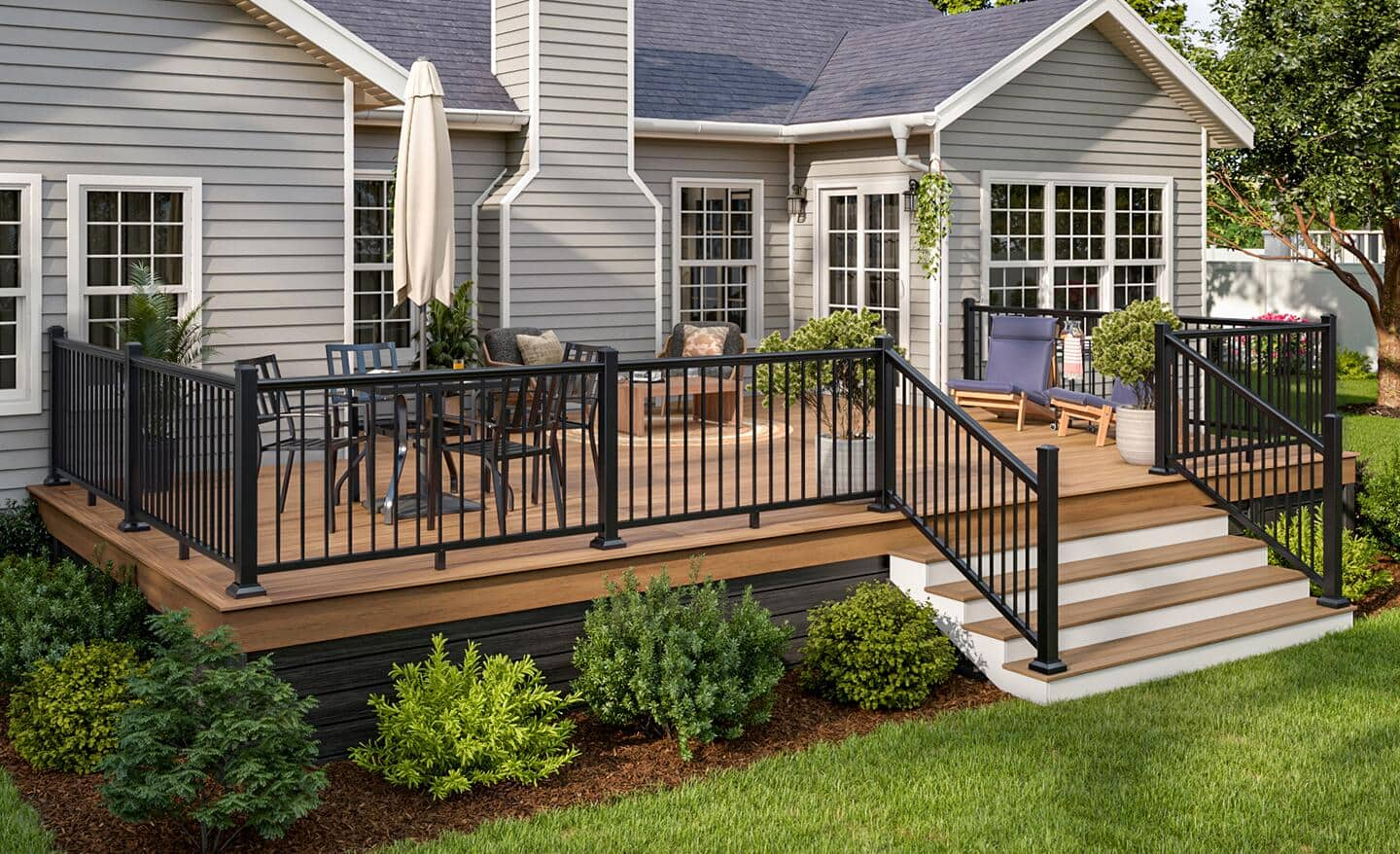
Credit: www.homedepot.com
The Primary Purpose: Ensuring Safety And Preventing Falls
The most fundamental and non-negotiable purpose of deck railings is to ensure safety by acting as a physical barrier. Elevated decks present a risk of falls, which can lead to serious injuries. Railings provide a crucial line of defense against this danger, particularly for:
-
- Homes with Children: Toddlers and young children are naturally curious and mobile, making them susceptible to accidental falls. A sturdy railing with appropriately spaced balusters helps prevent them from slipping through gaps or climbing over.
- Homes with Pets: Dogs, especially larger breeds or those prone to jumping, can also pose a risk to themselves and others if they lean too heavily on the edge of an unprotected deck.
- Elderly Individuals and Those with Mobility Issues: For individuals with balance challenges or reduced mobility, a secure railing offers essential support and a sense of security when navigating the deck.
- High-Elevation Decks: The higher the deck, the greater the potential for severe injury from a fall. In these scenarios, robust and correctly installed railings are absolutely critical.
In the United States, common deck guard requirements are based on the International Residential Code. Many jurisdictions require guards when the walking surface is more than 30 inches above grade, with residential guard height typically set at 36 inches measured from the deck surface to the top of the guard. Some areas, including certain locations in California, may require 42-inch guards for higher decks.[1][2][9]
Furthermore, the spacing between balusters is crucial; openings generally must not allow passage of a 4-inch sphere. This limit also applies to many infill systems like cable or glass when used as guard infill.[1][2][9]
Guard and handrail systems must also resist required loads. Current guidance commonly references a 50 pounds per linear foot load at the top of the guard and a 200-pound concentrated load applied in any direction at the top rail or post. Therefore, hardware, posts, and attachment details matter as much as the visible railing components.[1][11]
Building code compliance is not just about avoiding failed inspections; it’s about creating a genuinely safe environment. When planning a deck, consulting with local building authorities or a qualified contractor is essential to understand specific regulations.
Preventing Accidental Falls
The primary function of a railing is to create a physical barrier that prevents individuals and pets from accidentally stepping or falling off the edge of an elevated structure. This barrier is designed to withstand a certain amount of force, acting as a safeguard against unexpected movements. The height and strength of the railing are critical factors in its effectiveness.
Providing Stability And Support
Beyond preventing falls, railings also offer stability and support for those using the deck. Leaning on a railing for momentary balance or support is common. A well-constructed railing provides this reassurance, making the deck feel more secure and comfortable to use, especially for individuals with balance concerns or those carrying items.
Building Code Compliance And Structural Integrity
Deck railings are not merely an optional feature; in most cases, they are a mandatory requirement dictated by local building codes. These codes ensure a minimum standard of safety for residential structures, and deck railings play a significant role in meeting these standards.
Understanding Local Building Codes
Building codes vary by municipality, but common requirements for deck railings include:
-
- Minimum Height: Residential guards are commonly required to be at least 36 inches high, measured from the deck surface to the top of the guard. Some areas may require 42 inches.
- Baluster Spacing: The gap between individual balusters or other infill components is usually restricted to no more than 4 inches to prevent small children from passing through.
- Structural Strength: Codes specify the load-bearing capacity of railings. They must withstand specific outward and downward forces, ensuring they don’t fail under pressure. This often translates to requirements for how railing posts are attached to the deck’s framing.
- Handrail Requirements: Stair railings and handrails are separate from deck guards. Stair handrails are commonly required to be between 34 and 38 inches high, measured vertically from the stair nosing, and must be graspable and continuous where required.
Failure to comply with these codes can result in significant issues, including:
-
- Failed Inspections: Non-compliant railings will likely lead to failure during deck inspections, requiring costly modifications.
- Insurance Complications: In the event of an accident, an insurance company may deny claims if the deck structure, including railings, does not meet local building codes.
- Property Value Issues: Unpermitted or non-compliant decks can become a major obstacle during a home sale, potentially requiring remediation before the sale can proceed.
Contribution To Deck Stability
While their primary role is safety, deck railings also contribute to the overall structural integrity of the deck itself. The railing posts, when properly secured to the deck’s joists or beams, act as bracing. This bracing helps to resist lateral movement and adds a degree of rigidity to the entire structure, especially for larger or multi-level decks. Without this bracing effect, the deck might be more susceptible to swaying or racking, particularly under stress from wind or heavy use.
A properly installed railing system, anchored securely to the deck framing, reinforces the deck’s ability to withstand various forces, thus enhancing its longevity and safety beyond just the immediate fall-prevention aspect. The connection points between the railing posts and the deck structure are critical for both safety and stability.
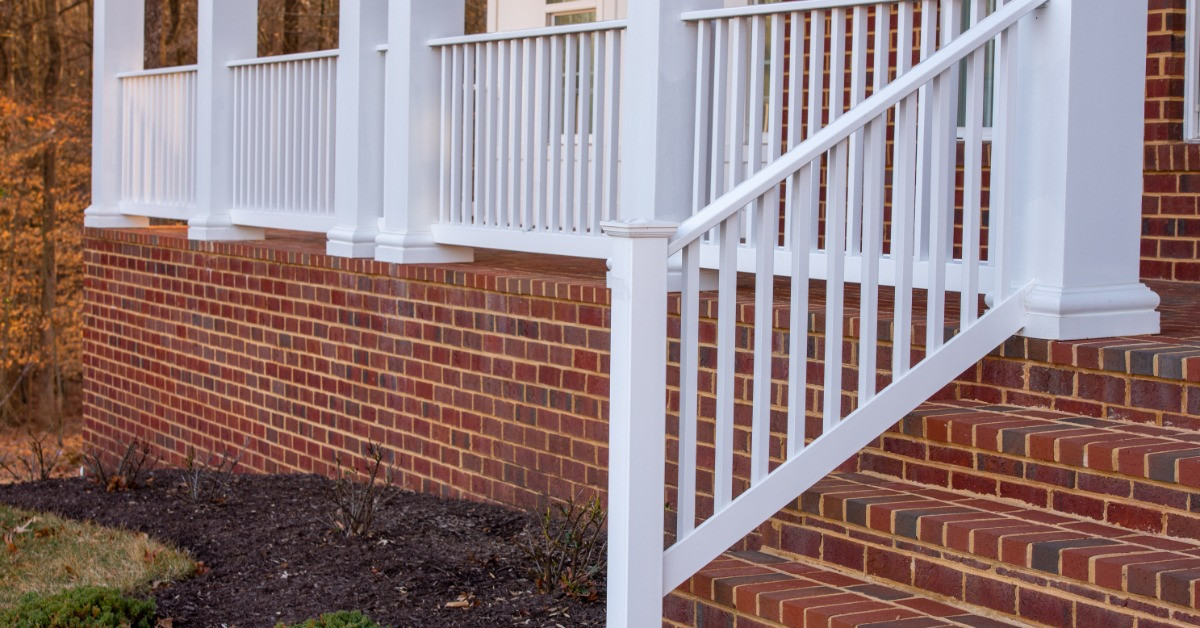
Credit: www.deckexpressions.com
Enhancing Aesthetics And Property Value
Beyond their crucial safety and structural functions, deck railings are powerful design elements that significantly enhance the aesthetics of a home and contribute to its overall curb appeal and market value. The style, material, and finish of your railings can dramatically alter the look and feel of your outdoor living space.
Defining Outdoor Living Spaces
Railings serve to define the boundaries of your deck or patio, visually separating it from the surrounding landscape or lower levels. This creates a sense of a distinct outdoor room, making the space feel more intentional and functional. For multi-level decks, railings clearly demarcate each level and its purpose, organizing the flow of the outdoor area and establishing zones for activities like dining, lounging, or entertaining.
Architectural Style And Visual Appeal
The choice of railing material and design allows homeowners to complement or contrast with their home’s existing architectural style.
-
- Traditional Homes: Often benefit from classic wood railings, perhaps with turned balusters or simple square designs, evoking a timeless charm.
- Modern Homes: Might feature sleek metal railings (like aluminum or stainless steel), minimalist cable railings, or glass panels for an open, contemporary feel.
- Rustic or Farmhouse Styles: Can be enhanced by natural wood finishes, X-bracing patterns, or even repurposed materials.
The visual impact of railings should not be underestimated. They are often one of the first features noticed on a deck, contributing significantly to the first impression of a home. A well-designed and well-maintained railing system can make a plain deck look sophisticated and inviting.
Increasing Property Value
A beautiful and functional deck with attractive railings can be a significant selling point, often leading to an increase in property value. Buyers frequently look for well-maintained outdoor living spaces that are safe and aesthetically pleasing. A deck that looks dated or unsafe, often due to worn or inadequate railings, can detract from a home’s appeal and perceived value. Investing in quality railings is, therefore, an investment in the long-term value of your home.
Material Options And Design Considerations
The purpose of deck railings is further realized through the vast array of material options and design considerations available today. Each material offers a unique combination of durability, maintenance requirements, aesthetic appeal, and cost, allowing homeowners to tailor their railings to their specific needs and preferences.
Wood Railings
-
- Pros: Natural beauty, versatile (can be painted, stained, or left natural), relatively affordable, easy to repair or replace sections. Common wood types include pressure-treated pine, cedar, redwood, and tropical hardwoods like Ipe.
- Cons: Requires regular maintenance (staining, sealing) to prevent rot, warping, and insect damage. Can splinter over time if not properly maintained.
- Best For: Traditional aesthetics, homeowners willing to perform regular upkeep, budget-conscious projects.
Vinyl (PVC) Railings
-
- Pros: Low maintenance, resistant to rot, insects, and weathering, available in various colors and styles, easy to clean.
- Cons: Can be more expensive upfront than basic wood, may become brittle in extreme cold over long periods, limited design flexibility compared to wood or metal.
- Best For: Low-maintenance living, modern or traditional looks, areas with harsh weather.
Aluminum Railings
-
- Pros: Durable, lightweight, corrosion-resistant, low maintenance, available in many styles (e.g., traditional pickets, modern panels, glass inserts). Often powder-coated for color and added protection.
- Cons: Can be more expensive than wood or vinyl, may dent if subjected to significant impact.
- Best For: Modern and contemporary designs, coastal areas (due to corrosion resistance), low-maintenance solutions.
Steel Railings
-
- Pros: Extremely strong and durable, offers a sleek, modern look, can be forged into intricate designs. Wrought iron offers a classic, decorative appeal.
- Cons: Prone to rust if not properly treated and maintained (especially standard steel), heavier and more expensive than aluminum. Stainless steel is a more corrosion-resistant but costlier option.
- Best For: High-end modern designs, security-focused applications, decorative accents.
Cable Railings
-
- Pros: Minimalist and unobtrusive design, maximizes views, modern aesthetic. Stainless steel cables are durable and corrosion-resistant.
- Cons: Higher cost due to specialized hardware and installation, requires regular tensioning of cables, baluster spacing rules still apply (cables act as the infill). Can be difficult to clean between cables.
- Best For: Decks with scenic views, modern and minimalist homes.
Glass Railings
-
- Pros: Creates an unobstructed, panoramic view, offers a luxurious and modern aesthetic, easy to clean. Tempered glass provides safety.
- Cons: Highest cost option, requires professional installation, glass panels can be susceptible to breakage from significant impact, requires frequent cleaning to maintain clarity.
- Best For: High-end properties, maximizing views, achieving a sleek, contemporary look.
Example: A homeowner with a modern home overlooking a lake might opt for glass railings with minimal stainless steel posts to preserve the view. Conversely, a family home in a wooded area might choose cedar railings with a natural stain to blend with the surroundings and provide a classic, warm feel.
Maintenance And Longevity
The long-term effectiveness and appearance of deck railings are heavily influenced by their maintenance requirements and inherent longevity. Different materials demand varying levels of care, impacting both the time and money invested in upkeep over the years.
Wood Railing Maintenance
-
- Cleaning: Regular washing with mild soap and water is essential to remove dirt, mildew, and algae.
- Sealing/Staining: Most wood railings require periodic sealing or staining, often every 1 to 3 years depending on the climate and product used, to protect against UV rays, moisture, and temperature fluctuations. This helps prevent warping, cracking, and rot.
- Inspection: Routinely check for loose balusters, rotten wood, or splinters. Address any issues promptly to maintain safety and structural integrity.
Vinyl Railing Maintenance
-
- Cleaning: Generally requires only occasional washing with soap and water to remove dirt and grime.
- Inspection: While highly durable, check for any signs of cracking or warping, especially in extreme temperature shifts. Ensure connections remain secure.
Metal Railing Maintenance (Aluminum, Steel)
-
- Cleaning: Simple washing with soap and water is usually sufficient.
- Inspection: For aluminum, check for any signs of coating damage and ensure the powder coat remains intact. For steel (especially non-stainless), inspect regularly for rust spots and address them immediately with touch-up paint or rust remover to prevent further spread. Ensure all connections are tight.
Cable And Glass Railing Maintenance
-
- Cable Railings: Require periodic checks to ensure cables are properly tensioned. Cleaning involves wiping down the cables and posts.
- Glass Railings: Need frequent cleaning to maintain visibility and aesthetics. Use appropriate glass cleaners and soft cloths. Inspect seals and mounting hardware regularly.
Data Point: According to common industry guidance, well-maintained wood deck systems often last roughly 10 to 20 years, while composite and vinyl systems can often last 25 years or more depending on conditions and installation quality. Railing longevity varies by material, but aluminum and vinyl systems are widely favored where low maintenance and long service life matter most.
The longevity of a railing system is directly tied to its material and the environment it’s exposed to. Coastal areas with salt spray necessitate highly corrosion-resistant materials like vinyl, aluminum, or stainless steel. Areas with intense sun exposure require materials and finishes that resist fading and degradation from UV rays. Investing in higher-quality materials initially can often lead to lower long-term maintenance costs and a longer service life.
Functional Considerations Beyond Safety
While safety and structural integrity are the bedrock purposes of deck railings, their functional utility extends to several other practical aspects that enhance the usability and enjoyment of outdoor spaces.
Privacy Enhancement
In certain configurations, railings can be designed or augmented to provide a degree of privacy. This can be achieved through:
-
- Solid Panels: Incorporating solid panels or infill sections within the railing structure can block direct sightlines from neighbors or passersby.
- Denser Baluster Spacing: While adhering to code, using more balusters per linear foot can increase visual obstruction compared with widely spaced ones.
- Vegetation: Mounting planters on the railing or using trellises with climbing plants can create a natural privacy screen.
- Screens or Curtains: Attachable privacy screens or outdoor curtains can be used for temporary or selective privacy.
This is particularly valuable for decks situated in close proximity to neighboring properties or in busy urban environments.
Wind Buffering
While not their primary purpose, railings can offer a slight buffering effect against wind. The solid components of the railing can disrupt direct wind flow, making the deck area marginally more comfortable. However, most standard railings are not designed as significant windbreaks. For areas with very strong winds, specialized railing designs or other wind mitigation strategies may be necessary.
Aesthetic Framing And Integration
Railings act as a visual frame for the deck and the views it offers. They help to integrate the deck space with the overall architecture of the house and the surrounding landscape. A well-chosen railing design can tie together different elements of the exterior design, creating a cohesive and harmonious look. They can guide the eye, draw attention to desirable views, or subtly screen less attractive ones.
Mounting Points For Accessories
The top rail of a deck railing often serves as a convenient mounting point for various accessories. This can include:
-
- Planter Boxes: Attachable planters can add greenery and color without taking up floor space.
- Lighting: Small, low-voltage lights can be attached to posts or rails to illuminate the deck safely at night.
- Umbrella Holders: For shaded comfort, specialized holders can be secured to the railing.
- Bird Feeders or Wind Chimes: Adding decorative or functional elements.
These functional additions enhance the utility of the deck space, making it more comfortable, enjoyable, and personalized.
Frequently Asked Questions
What Is The Minimum Height For A Deck Railing?
The minimum height for a deck railing is typically dictated by local building codes. In the United States, the International Residential Code generally specifies a minimum height of 36 inches for residential guards, although some jurisdictions may require 42 inches, especially for taller or higher-risk applications.
It’s crucial to check with your local building department for the exact requirements in your area.
How Far Apart Should Deck Railing Balusters Be?
Building codes usually mandate that the spacing between balusters or other infill components should not exceed 4 inches. This “4-inch sphere rule” is designed to prevent small children from passing through the railing, as it prevents a 4-inch diameter sphere from fitting through any opening.
Can Deck Railings Be Made From Any Material?
While you have many material choices for deck railings, including wood, vinyl, aluminum, steel, cable, and glass, not all materials are suitable or permitted for every application or code requirement. The chosen material must be durable enough to meet structural strength requirements and resist environmental factors.
Furthermore, some materials may have specific installation or maintenance needs to comply with safety standards and ensure longevity.
Do Deck Railings Add To The Structural Support Of The Deck?
Yes, deck railings contribute to the overall structural integrity of the deck. The railing posts, when properly anchored to the deck’s framing, act as bracing. This bracing helps to resist lateral movement and adds stability to the entire structure, making it more rigid and secure, especially against forces like wind or heavy use.
How Often Should Deck Railings Be Inspected And Maintained?
The frequency of inspection and maintenance depends heavily on the material of the railing and the environmental conditions. Wood railings typically require the most frequent maintenance, including cleaning, sealing, and inspection for rot or splinters, often annually. Vinyl and aluminum railings require less frequent maintenance, usually just cleaning, but should still be inspected annually for loose connections or damage.
Metal railings, especially non-stainless steel, need regular checks for rust. Regardless of material, an annual thorough inspection is recommended to ensure safety and structural soundness.
In summary, the purpose of deck railings is a comprehensive blend of safety, regulatory compliance, structural reinforcement, aesthetic enhancement, and functional utility. They transform a simple elevated platform into a secure, inviting, and valuable extension of the living space. By understanding these varied purposes and considering the wealth of material and design options available, homeowners can ensure their deck railings not only meet but exceed expectations for both form and function, creating an outdoor oasis that is both beautiful and safe for everyone to enjoy.