
Skateboarding is more than just a hobby; it’s a dynamic activity that can offer a surprising array of physical and mental benefits. For many, the immediate thought is about mastering tricks or cruising through the streets, but the question often arises: can you lose weight skateboarding? The answer is a resounding yes, and the journey to a healthier you can be as exhilarating as landing a kickflip.
The rhythmic motion, the constant engagement of core muscles, and the sheer fun factor all contribute to skateboarding’s effectiveness as a calorie-burning activity. It’s a full-body workout disguised as recreation, pushing your cardiovascular system, strengthening your muscles, and improving your balance and coordination. Whether you’re a seasoned skater or just beginning to find your footing, incorporating skateboarding into your routine can be a powerful tool for weight management and overall fitness.
Key Takeaways
-
- Skateboarding is an effective calorie-burning activity, engaging multiple muscle groups and providing a cardiovascular workout.
- The intensity of skateboarding workouts can vary, from casual cruising to aggressive street skating, directly impacting calorie expenditure.
- Consistent skateboarding practice can contribute to meaningful weight loss over time when paired with a calorie-controlled diet.
- Beyond weight loss, skateboarding offers numerous health benefits, including improved cardiovascular health, muscle strength, balance, coordination, and mental well-being.
- Proper technique, safety gear, recovery time, and a balanced diet are crucial for maximizing results and reducing injury risk.
- Skateboarding can be a fun and engaging alternative to traditional exercise, making it easier to maintain a consistent fitness routine.

Credit: www.youtube.com
The Calorie-Burning Power Of Skateboarding
Skateboarding is an underestimated powerhouse when it comes to burning calories. Unlike many stationary exercises, skateboarding involves constant movement, balance adjustments, and propulsion, all of which require energy. The exact number of calories burned can vary significantly based on several factors, including the intensity of the skating, the duration of the session, and the individual’s body weight.
Understanding Calorie Expenditure
When you’re on a skateboard, your body is working overtime. Pushing off the ground, maintaining balance, and even just standing on the board engages your leg muscles, core, and even your arms for stabilization. This continuous muscle activation translates directly into calorie expenditure.
For many skaters, a moderate session burns roughly 300 to 450 calories per hour, while harder sessions or longerboard sessions at faster speeds can go higher. In one recent study, 30 minutes of continuous skateboarding on a flat surface was estimated at 8.2 METs and about 308.6 kilocalories, or about 617 kilocalories per hour, showing that skateboarding can qualify as vigorous exercise when performed continuously and with enough intensity.
Compendium-style estimates commonly place general skateboarding around 5 METs, which is roughly 350 calories per hour for a 155-pound person, while more vigorous park, street, or longboarding sessions can burn more depending on speed, terrain, and effort.
This makes it a compelling option for those looking to shed pounds while enjoying themselves.
Factors Influencing Calorie Burn
Several variables play a crucial role in how many calories you torch while skateboarding:
-
- Intensity: This is the most significant factor. Casual cruising will burn fewer calories than sprinting across a skatepark or navigating a challenging urban environment. Pushing harder and faster, performing tricks that require explosive movements, and maintaining a higher speed all increase your heart rate and calorie burn.
- Duration: Simply put, the longer you skate, the more calories you burn. A 30-minute session will yield different results than a two-hour marathon. Consistency is key, and longer, regular sessions will contribute more significantly to weight loss.
- Body Weight: As with any physical activity, a heavier individual will generally burn more calories than a lighter individual performing the same activity for the same duration. This is because a larger body requires more energy to move.
- Terrain: Skating on flat ground is less demanding than skating uphill or on uneven surfaces. While uphill skating significantly increases the effort and calorie burn, navigating rough terrain also requires more balance and muscle engagement.
- Type of Skateboarding: Different disciplines of skateboarding demand different levels of exertion.
- Cruising/Commuting: Lower intensity, focusing on smooth movement and covering distance.
- Street Skating: Involves tricks, ollies, grinds, and navigating obstacles, leading to bursts of high intensity and significant calorie burn.
- Park Skating: Similar to street skating, with ramps, bowls, and jumps requiring continuous movement and power.
- Downhill Longboarding: Can be extremely demanding, especially on longer, steeper descents, engaging muscles for control and balance. Faster longboarding generally increases calorie burn further.
It’s important to remember that these are estimates. To get a more precise understanding, use a heart-rate monitor or fitness tracker, but note that calorie estimates from wearables can still vary widely depending on how often you push, coast, and reset between tricks.
Skateboarding As A Cardiovascular Workout
Beyond its calorie-burning potential, skateboarding is an excellent way to improve your cardiovascular health. Engaging in regular skateboarding sessions strengthens your heart and lungs, leading to better endurance and overall physical well-being. This is particularly beneficial for individuals looking for an alternative to traditional cardio exercises like running or cycling.
Improving Heart Health
When you push yourself on a skateboard, your heart rate increases, pumping blood more efficiently throughout your body. This consistent cardiovascular stimulation helps to:
-
- Strengthen the heart muscle: A stronger heart can pump more blood with each beat, reducing the overall workload on the heart.
- Lower blood pressure: Regular aerobic exercise like skateboarding can help to reduce high blood pressure, a major risk factor for heart disease.
- Improve cholesterol levels: Skateboarding can help to increase HDL (good) cholesterol and decrease LDL (bad) cholesterol.
- Enhance circulation: Better blood flow means more oxygen and nutrients reach your muscles and organs.
The American Heart Association recommends at least 150 minutes of moderate-intensity aerobic activity or 75 minutes of vigorous-intensity aerobic activity per week. Depending on how hard you skate, skateboarding can help you reach those goals. Continuous flat-ground sessions and intense park sessions can move the activity closer to vigorous exercise, while casual cruising is usually more moderate.
Building Stamina And Endurance
As you become more proficient and comfortable on your skateboard, you’ll naturally be able to skate for longer periods and at higher intensities. This gradual improvement in stamina and endurance is a direct result of your cardiovascular system becoming more efficient.
You’ll find that activities outside of skateboarding also become easier as your overall fitness level increases. This improved endurance can translate into being able to walk longer distances without fatigue, climb stairs more easily, and generally feel more energetic throughout the day.
The dynamic nature of skateboarding, which often involves short bursts of intense effort followed by periods of recovery or less intense movement, is excellent for developing both aerobic and anaerobic fitness. This type of interval training is highly effective for improving cardiovascular health and boosting metabolism.

Credit: doseskateboarding.com
Muscle Engagement And Toning
Skateboarding is a surprisingly comprehensive full-body workout that engages numerous muscle groups, contributing not only to calorie burning but also to muscle toning and strengthening. While the legs and core are primary movers, other parts of the body play crucial supporting roles.
Lower Body Strength
Your legs are the engine of skateboarding. The muscles primarily used include:
-
- Quadriceps and Hamstrings: These are heavily engaged when pushing off the ground, absorbing impact from landings, and maintaining balance.
- Calves: Essential for the pushing motion and for making fine adjustments to balance.
- Glutes: Activated to provide power for pushing and to stabilize the hips.
Repeatedly pushing off the ground, bending your knees to absorb shocks, and maintaining an athletic stance all contribute to building strength and endurance in your lower body. This can lead to more toned and defined leg muscles over time.
Core Strength And Stability
Your core, the muscles of your abdomen, back, and hips, is critical for stability and control on a skateboard. Every movement, from pushing to turning to landing a trick, requires your core to engage and stabilize your body. This constant work helps to:
-
- Strengthen abdominal muscles: This can support better posture and trunk stability.
- Develop back muscles: A strong back is essential for maintaining balance and preventing injuries.
- Improve hip stability: This is crucial for executing turns and maintaining control.
A strong core not only enhances your skateboarding performance but also contributes to better posture and functional movement in everyday life.
Upper Body Involvement
While not as primary as the lower body and core, your upper body also plays a role:
-
- Arms and Shoulders: Used for balance, especially during more complex maneuvers or when trying to recover from an unstable position.
- Back and Chest: Engaged to a lesser extent for overall body posture and stabilization.
The effort required to maintain balance and control can lead to subtle but significant engagement of these upper body muscles, contributing to overall muscle tone.
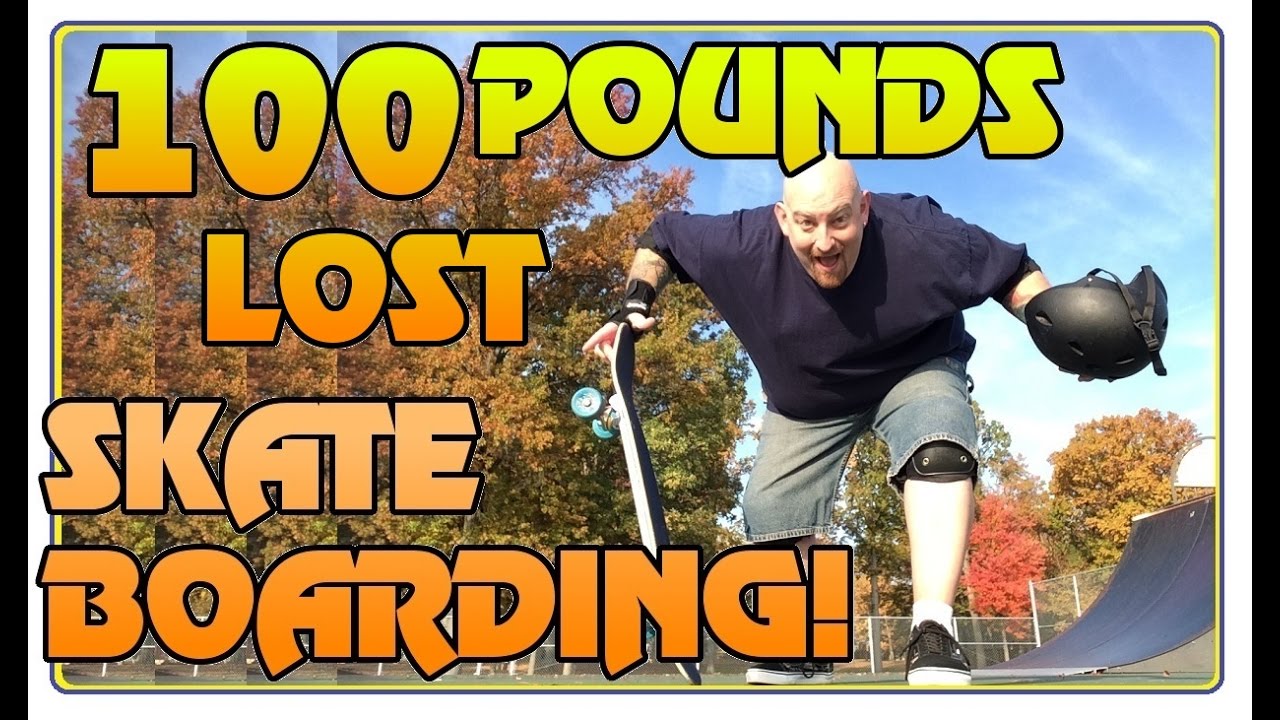
Credit: www.youtube.com
The Role Of Balance And Coordination
Skateboarding is an exceptional activity for enhancing balance and coordination, skills that are transferable to many other aspects of life and can indirectly aid in weight management by improving overall physical control and efficiency.
Developing Proprioception
Proprioception is your body’s ability to sense its position, movement, and actions. Skateboarding constantly challenges and improves your proprioception. You’re continuously making micro-adjustments to your stance, weight distribution, and body position to stay balanced on a moving board. This heightened awareness of your body’s position in space can lead to improved agility and reduced risk of falls or injuries, making it easier to maintain an active lifestyle.
Enhancing Motor Skills
Mastering skateboarding requires a high degree of coordination between your brain and your muscles. The complex sequence of movements involved in pushing, steering, and performing tricks refines your motor skills. This improved coordination can lead to greater efficiency in movement, meaning your body uses less energy for everyday activities, and can also boost confidence in physical endeavors.
The development of these skills is particularly beneficial for children, aiding in their physical development, but adults also see significant improvements. For older adults, maintaining good balance and coordination is crucial for preventing falls and maintaining independence.
Skateboarding For Weight Loss: Practical Considerations
While the potential for weight loss through skateboarding is clear, achieving significant and sustainable results requires a thoughtful approach that combines consistent practice with other healthy lifestyle choices.
Creating A Consistent Routine
The key to weight loss, whether through skateboarding or any other activity, is consistency. Aim to incorporate skateboarding into your routine several times a week. Even short, focused sessions can be beneficial.
-
- Start Gradually: If you’re new to skateboarding, begin with shorter sessions (20-30 minutes) and gradually increase the duration as your stamina improves. Focus on getting comfortable with basic riding and balance.
- Vary Your Intensity: Mix up your sessions. Some days can be focused on longer, moderate cruising, while others can involve more intense pushing, practicing tricks, or skating in varied terrain to maximize calorie burn.
- Listen to Your Body: Pay attention to fatigue and avoid overexertion, especially when starting. Rest days are important for muscle recovery and preventing injury.
Nutrition’s Crucial Role
Exercise alone is rarely enough for substantial weight loss; it must be paired with a healthy, balanced diet. Skateboarding can significantly boost your metabolism and calorie expenditure, but consuming excess calories will negate these efforts.
-
- Focus on Whole Foods: Prioritize fruits, vegetables, lean proteins, and whole grains. These foods provide essential nutrients and sustained energy without excessive calories.
- Hydration: Drink plenty of water throughout the day, especially before, during, and after skateboarding sessions. Water is crucial for metabolic processes and can help you feel fuller.
- Mindful Eating: Be aware of your portion sizes and avoid processed foods, sugary drinks, and excessive unhealthy fats.
For personalized dietary advice, consulting a registered dietitian or nutritionist is highly recommended.
Safety First
Safety should always be paramount when skateboarding, especially when aiming for weight loss through consistent activity. Injuries can derail your progress and lead to frustration.
-
- Wear Protective Gear: Always wear a properly fitted helmet, knee pads, elbow pads, and wrist guards. Helmets should be designed for skateboarding or other wheeled sports and replaced after any significant impact.
- Choose Safe Locations: Start in open, flat areas with smooth surfaces, away from traffic. As you gain confidence, you can explore skateparks or less-trafficked streets.
- Learn to Fall: Part of skateboarding is learning how to fall safely to minimize injury. Practice rolling out of falls rather than stiffening up.
- Know Your Limits: Don’t attempt tricks or maneuvers that are beyond your current skill level. Progress gradually and safely.
Comparing Skateboarding To Other Weight Loss Activities
To better understand skateboarding’s effectiveness for weight loss, it’s useful to compare its calorie-burning potential and benefits to other popular forms of exercise. While many activities can contribute to weight loss, skateboarding offers a unique blend of cardiovascular, strength, and balance training.
Calorie Burn Comparison
The number of calories burned is a key metric for weight loss. Here’s a general comparison, keeping in mind that these are approximate values for a 155-pound (70 kg) individual and can vary greatly based on intensity and individual factors:
| Activity | Calories Burned per Hour (Approximate) | Primary Benefits |
|---|---|---|
| Skateboarding (Moderate) | 300 – 450 | Cardiovascular, Leg Strength, Balance, Core |
| Running (Moderate) | 450 – 600 | Cardiovascular, Leg Strength, Calorie Burn |
| Cycling (Moderate) | 400 – 500 | Cardiovascular, Leg Strength, Lower Impact |
| Swimming (Moderate) | 400 – 500 | Cardiovascular, Full Body Strength, Low Impact |
| Walking (Brisk) | 250 – 350 | Cardiovascular, Lower Body, Low Impact, Accessible |
| Yoga (Vinyasa) | 200 – 350 | Flexibility, Strength, Balance, Stress Reduction |
Note: These figures are estimates. A high-intensity skateboarding session can surpass the calorie burn of moderate running. Conversely, very light cruising may burn fewer calories than brisk walking.
Beyond Calorie Burn: Unique Advantages Of Skateboarding
While calorie burn is important, skateboarding offers several unique advantages that contribute to overall fitness and well-being, which indirectly support weight management:
-
- Engagement and Fun Factor: For many, skateboarding is inherently more enjoyable than traditional exercise. This increased enjoyment can lead to greater adherence to a fitness routine, which is crucial for long-term weight loss success.
- Full-Body Coordination and Balance: Skateboarding significantly improves balance, coordination, and proprioception. These are not typically the primary focus of running or cycling, though they are present in activities like swimming or yoga. Enhanced balance can lead to better posture and reduce the risk of injuries from everyday activities.
- Mental Health Benefits: The focus required for skateboarding, the sense of accomplishment from mastering new skills, and the social aspect of skate culture can provide significant mental health benefits, including stress reduction and improved mood.
- Low Impact (Potentially): While jumps and tricks can be high impact, cruising and smooth riding can be relatively lower impact than running, making it a viable option for some people with joint concerns when technique and surface quality are appropriate.
When Skateboarding Might Be Less Ideal
-
- Beginner Injury Risk: For absolute beginners, the learning curve can involve falls, which might be perceived as high impact. Proper safety gear and gradual progression are essential.
- Weather Dependency: Skateboarding is largely an outdoor activity, making it susceptible to weather conditions.
- Accessibility: Access to suitable skating locations might be a barrier for some.
Ultimately, the “best” exercise for weight loss is the one you enjoy and can stick with consistently. Skateboarding offers a compelling combination of calorie burning, muscle engagement, and skill development that makes it a highly effective and enjoyable option for many.
Real-World Examples And Case Studies
To illustrate the effectiveness of skateboarding for weight loss and fitness, consider these examples:
Case Study 1: The Commuter’s Transformation
Mark, a 35-year-old office worker, found traditional gym workouts monotonous and struggled with weight gain. He decided to try skateboarding as a way to commute to work and get some exercise. He started by using a longboard for a 3-mile commute each way, focusing on smooth riding and pushing.
-
- Initial Routine: 5 days a week, 1-hour commute (including time to get on/off board and navigate).
- Dietary Changes: He also reduced his intake of processed snacks and sugary drinks, focusing on lean meals.
- Results: Within three months, Mark lost 15 pounds. He reported feeling more energetic, his leg muscles became noticeably more toned, and his overall cardiovascular fitness improved significantly. He found the daily commute a highlight of his day rather than a chore.
Case Study 2: The Student’s Fitness Journey
Sarah, a college student, wanted a fun way to stay active and manage stress. She picked up a skateboard and started practicing at a local park and on campus.
-
- Initial Routine: 3-4 times a week, 45-60 minute sessions, incorporating basic tricks like ollies and cruising.
- Dietary Changes: She focused on balanced meals and healthy snacks between classes.
- Results: Over six months, Sarah lost 10 pounds and saw a significant improvement in her balance and coordination. She also found that the focus required for skateboarding helped her de-stress from academic pressures, demonstrating the mental health benefits discussed earlier. She also mentioned feeling more confident in her physical abilities.
Example: The “Skate-Fit” Athlete
Many individuals who engage in skateboarding as a primary form of exercise report significant improvements in body composition. While not a formal case study, observing professional skateboarders or even dedicated amateur skaters reveals lean, muscular physiques. Their training often involves not just technical trick practice but also extensive riding, which inherently burns a large number of calories and builds functional strength.
The agility, power, and endurance required for advanced skateboarding are a testament to its effectiveness as a physical discipline.
These examples highlight that skateboarding, when approached consistently and integrated with healthy lifestyle choices, can be a powerful catalyst for weight loss and improved physical fitness.
Frequently Asked Questions
How Many Calories Can I Expect To Burn Skateboarding Per Hour?
The number of calories burned skateboarding per hour can range significantly, typically between 200 to 500 calories for moderate intensity. Factors such as your body weight, the intensity of your pushing, speed, terrain, and whether you’re performing tricks heavily influence this number.
For a more vigorous session involving tricks or uphill skating, you could burn even more, and continuous sessions may approach the higher end of published estimates.
Is Skateboarding A Good Exercise For Weight Loss If I’m Overweight?
Yes, skateboarding can be an excellent exercise for weight loss, even if you are overweight. It provides a good cardiovascular workout and engages multiple muscle groups, leading to significant calorie expenditure. However, it’s crucial to start slowly, wear appropriate safety gear, and focus on proper technique to minimize the risk of injury.
Choosing a stable board setup, smooth surfaces, and shorter sessions at first can make progression safer and more sustainable.
How Often Should I Skateboard To Lose Weight?
Consistency is key for weight loss. Aim for at least 3-5 skateboarding sessions per week. The duration of each session can vary, but starting with 30-60 minutes and gradually increasing it as your stamina improves is a good approach. Combining skateboarding with a balanced diet will yield the best results.
What Type Of Skateboarding Burns The Most Calories?
Aggressive street skating, park skating with ramps and bowls, and downhill longboarding generally burn the most calories due to their higher intensity, explosive movements, and constant engagement of muscles for control and propulsion. Casual cruising burns fewer calories but is still beneficial for cardiovascular health and can be a sustainable option for beginners or those seeking a lower-impact activity.
Can Skateboarding Help Tone My Muscles?
Absolutely. Skateboarding engages a wide range of muscles, particularly in your legs (quadriceps, hamstrings, calves) and core, which is essential for balance and stability. Regular skateboarding will help to strengthen and tone these muscles, contributing to a more sculpted physique.
While it’s primarily a cardiovascular and lower-body exercise, the constant need for balance also engages your core and stabilizing muscles throughout your body.
Skateboarding offers a dynamic and engaging path to weight loss and improved fitness. By consistently riding, pushing your limits safely, and combining it with a healthy diet, you can effectively shed pounds, build strength, enhance your balance, and boost your overall well-being.
It’s an activity that proves fitness doesn’t have to be a chore; it can be an exhilarating adventure on four wheels.