Learning skateboarding as an adult can feel intimidating. Maybe you worry about falling, or you think it’s too late to start. But skateboarding is not just for kids and teenagers. In fact, more adults than ever are picking up skateboards, finding community, exercise, and a new sense of adventure.
The key is approaching it with realistic expectations, patience, and the right preparation. Whether you want to cruise around your neighborhood or learn tricks at the skatepark, you can start today—no matter your age.
Why Adults Should Try Skateboarding
There are many benefits to learning skateboarding as an adult. First, it’s an excellent way to improve balance and coordination. Skateboarding works core muscles, legs, and even your mind, as you learn to react quickly and control your movements. It’s also a fun way to add cardio exercise to your routine—just 30 minutes of casual skateboarding can burn up to 210 calories for an average adult.
Skateboarding is also great for stress relief. The focus required helps clear your mind. Plus, the skateboarding community is welcoming, often more supportive than you might expect. As an adult, you may even find it easier to learn because you can approach practice with patience and discipline.
Choosing The Right Skateboard And Gear
Starting with the right equipment makes a big difference. The wrong board or missing safety gear can make learning harder and riskier.
Types Of Skateboards
There are several skateboard types, each for different riding styles. Here’s a quick comparison:
| Type | Best For | Deck Length | Notes |
|---|---|---|---|
| Standard Skateboard | Tricks, parks | 28–33” | Classic shape; good for all-around use |
| Cruiser | Commuting, smooth rides | 25–35” | Softer wheels for rough surfaces |
| Longboard | Downhill, long distances | 34”+ | Stable, easy to balance |
For beginners, a standard skateboard or a cruiser is usually best. Longboards are easier for balance but not ideal for tricks or skateparks.
What To Look For In A Beginner Board
- Deck width: 7.75” to 8.25” is comfortable for most adults.
- Deck material: Maple wood is strong and durable.
- Trucks: Choose trucks that match the deck width.
- Wheels: Softer wheels (78A–87A) roll better over cracks and small rocks, making learning easier.
Essential Safety Gear
Never skip safety gear, especially as an adult. Healing takes longer, and you want to avoid serious injury. At a minimum, you need:
- Helmet: Certified for skateboarding (not just bikes).
- Knee pads: Protects against most falls.
- Elbow pads: Often hit the ground during slips.
- Wrist guards: Helps prevent broken wrists, a common beginner injury.
- Proper shoes: Flat, grippy soles made for skateboarding.
Wearing full safety gear also boosts your confidence. You’ll practice more and worry less about falling.

Credit: cloud9griptape.com
Getting Started: First Steps For Adult Beginners
Many adults worry about looking awkward or slow when starting. But everyone was a beginner once. Here’s how to start safely and build your skills step by step.
Finding A Safe Practice Area
Look for a flat, smooth surface with little foot or car traffic. Empty parking lots, unused tennis courts, or quiet park paths are ideal. Avoid busy skateparks at first—they can feel overwhelming and are not always beginner-friendly.
Basic Stance And Balance
Start by standing on your board on grass or carpet. This keeps the wheels from rolling, so you can focus on balance.
- Stance: Place your front foot across the bolts near the front of the board, and your back foot on the tail (end).
- Try both regular (left foot forward) and goofy (right foot forward) to see what feels natural.
Practice shifting your weight and crouching. Try small jumps to get used to the board’s movement. This builds confidence before you start rolling.
Learning To Push And Roll
When you’re ready to ride:
- Place your board on flat pavement.
- Step on with your front foot, then push gently with your back foot.
- Place your back foot on the tail when you start rolling.
- Bend your knees slightly and look ahead, not down.
Don’t rush. Practice pushing slowly, focusing on staying balanced and comfortable. Most adults need a few practice sessions to get used to rolling.
Turning And Stopping
- Turning: Lean gently in the direction you want to go. The trucks will turn with your weight.
- Stopping: The safest beginner stop is the foot brake. Step off your back foot and drag it lightly on the ground.
As you gain confidence, you can learn more advanced stops like the tail drag or powerslide.
Progressing: Building Skills And Confidence
Once you can ride comfortably and stop safely, it’s time to progress. Setting small, achievable goals keeps you motivated.
Practicing Basic Tricks
You don’t have to learn tricks, but even basic ones help you control the board better. Start with:
- Ollie (jump with the board): The foundation of skateboarding tricks, but takes time to master.
- Kickturn: Turning quickly by lifting the front wheels.
- Manual: Balancing on two wheels while moving.
These tricks may take weeks or months. Adults often learn slower than kids, but that’s normal. Celebrate small wins.
Visiting A Skatepark
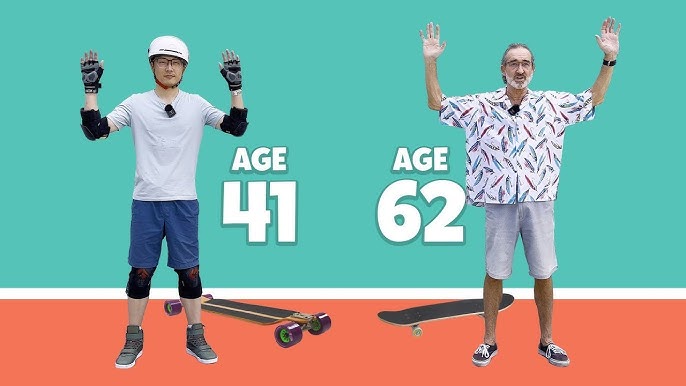
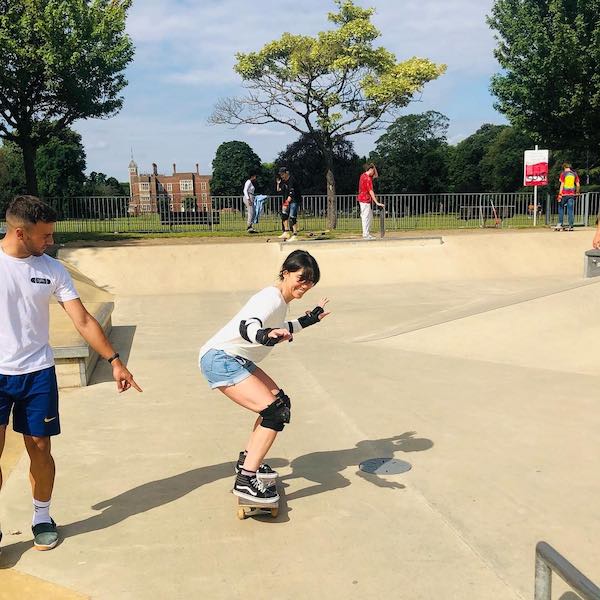
When you feel comfortable on your board, visit a local skatepark during off-peak hours. Many parks have beginner areas or smaller ramps. Watching others can teach you a lot, and most skaters are happy to give advice if you ask politely.
Joining A Community
Skateboarding is more fun with others. Look for adult skate meetups, classes, or online forums. Some cities now offer adult beginner skateboarding lessons. Group learning helps you stay motivated and learn faster.
Credit: www.youtube.com
Common Challenges And How To Overcome Them
Every adult learner faces some unique challenges. Knowing what to expect helps you stay positive and keep progressing.
Fear Of Falling
It’s normal to be afraid of falling, especially as an adult. This fear keeps you careful, but it can also hold you back. Here are ways to manage it:
- Always wear full safety gear.
- Practice falling on grass or with pads to build confidence.
- Learn to roll when you fall, instead of catching yourself with stiff arms.
Physical Fitness And Flexibility
You don’t need to be super fit to start, but stretching helps prevent injuries. Focus on your ankles, knees, and lower back. Many adults find yoga or balance exercises help them progress faster.
Time And Consistency
Adults often have less free time. Short, regular sessions (20–30 minutes, 2–3 times a week) are better than long, infrequent ones. Track your progress and set realistic goals.
Comparing To Younger Skaters
It’s easy to get discouraged when you see teenagers landing tricks you can’t do yet. Remember, your goal is personal growth, not competition. Progress at your own pace.
Injury Prevention And Recovery
Falling is a part of skateboarding, but you can reduce your risk by practicing smart habits.
Most Common Injuries
According to the American Academy of Orthopaedic Surgeons, the most common skateboarding injuries are:
- Sprained wrists
- Fractured arms
- Ankle sprains
- Bruises and scrapes
Most injuries happen from losing balance or falling off the board.
Tips To Stay Safe
- Always warm up before skating.
- Wear all protective gear, even for short sessions.
- Don’t try tricks above your skill level.
- Rest and recover if you feel pain.
If you fall and feel severe pain, swelling, or can’t move a limb, seek medical help immediately.
How Skateboarding Progresses Over Time
Your learning journey will be unique, but here’s a realistic timeline for most adult beginners:
| Time Frame | What to Expect |
|---|---|
| First Month | Balancing, pushing, basic turning, stopping |
| 1–3 Months | Comfort with riding, smoother turns, maybe basic tricks |
| 3–6 Months | Better control, visiting skateparks, learning small ramps |
| 6+ Months | Trying intermediate tricks, gaining confidence, skating with others |
Some adults progress faster, others slower. The most important thing is consistency and enjoying the journey.
Tips For Faster Progress
Want to make the most of your practice time? Here are some practical tips:
- Film your sessions: Watching videos of yourself helps spot mistakes.
- Break tricks into steps: Learn each part separately before putting it together.
- Rest and recover: Muscles need time to repair and grow.
- Ask for feedback: Skating with others or a coach can speed up learning.
- Stay positive: Celebrate each improvement, no matter how small.
Many beginners miss the value of visualization. Before trying a trick or move, close your eyes and picture yourself doing it successfully. This mental practice helps your brain and muscles learn faster.
Another insight: Many adults skip lower body strength training, but exercises like squats, lunges, and calf raises make balancing and pushing much easier.
Credit: www.schoolofskate.co.uk
Frequently Asked Questions
Is It Safe To Learn Skateboarding As An Adult?
Yes, with the right safety gear and smart practice, skateboarding is safe for most healthy adults. Always listen to your body and avoid risky tricks until you have more experience.
How Long Does It Take To Get Good At Skateboarding?
Most adults can ride comfortably within a month, but learning tricks takes longer. With regular practice, you’ll see steady progress over 3–6 months. Everyone’s pace is different, so focus on your own journey.
What Kind Of Skateboard Should I Buy As A Beginner?
A standard skateboard with a deck width between 7. 75” and 8. 25” is a good choice for most adults. Choose soft wheels for a smoother ride. If you plan to use your board mostly for commuting, consider a cruiser.
Can I Learn Skateboarding If I’m Not Very Athletic?
Yes. Skateboarding helps improve your balance, strength, and fitness over time. Starting slow and being consistent is more important than being athletic from the start.
Are There Adult Skateboarding Classes Or Groups?
Yes, many cities now offer adult beginner classes and meetups. Check local skate shops, community centers, or online groups. Connecting with other adult learners makes skating more fun and helps you learn faster.
Learning skateboarding as an adult is challenging, but also deeply rewarding. With patience, the right gear, and steady practice, you’ll discover new skills and confidence. Remember, the journey is as important as the destination. So grab your board, suit up with safety gear, and start rolling—your adventure awaits.
For more data on skateboarding safety and trends, you can check the Wikipedia page on skateboarding.
4 thoughts on “How to Learn Skateboarding As an Adult: Essential Tips for Beginners”