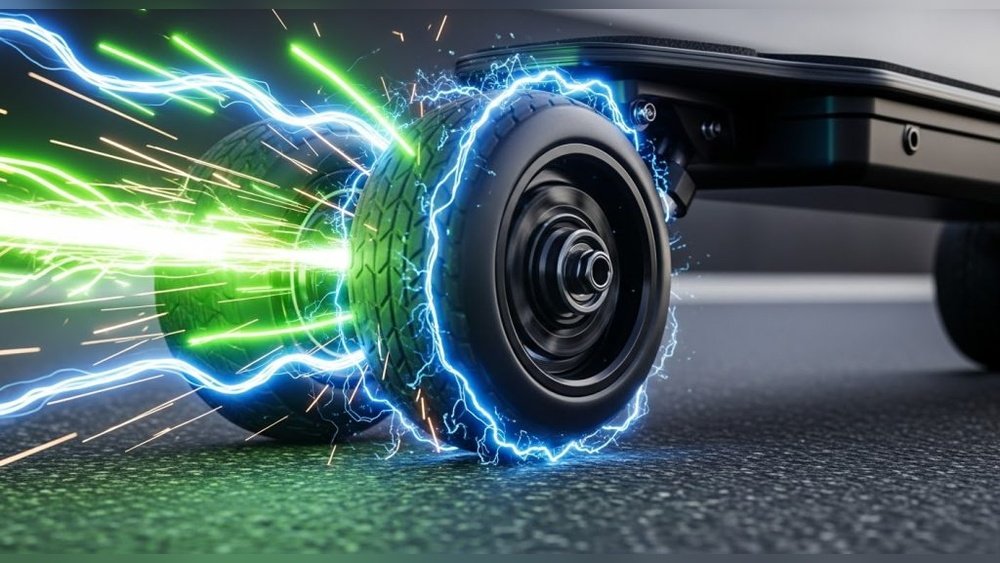
Can Electric Skateboards Go Uphill: Ultimate Guide to Climbing Hills
Are you wondering if your electric skateboard can tackle those steep hills on your route? Whether you’re commuting through a hilly neighborhood or just exploring new terrain, the ability to go uphill is a game-changer for your riding experience.
You might worry about losing speed, draining your battery faster, or even damaging your board. The good news? Electric skateboards are designed to handle inclines, but how well they perform depends on a few key factors you need to know.
Keep reading to discover what makes some electric skateboards better at climbing hills and how you can make the most of your uphill rides.
Electric Skateboard Hill Performance
Electric skateboards perform differently on hills based on several key factors. These elements determine how well the board climbs steep slopes. Understanding them helps riders choose the right board for hill riding.
Hill performance depends mainly on motor power, battery capacity, motor types, and the rider’s weight. Each factor affects the skateboard’s ability to climb effectively and maintain speed.
Motor Power And Torque
Motor power is crucial for uphill rides. Higher power means the board can push harder against gravity. Torque plays a big role too. It is the motor’s twisting force that helps the board climb steep hills without slowing down. A motor with good torque keeps speed steady on inclines.
Battery Capacity And Impact
Battery size affects how long the board can climb hills. Bigger batteries provide more energy for powerful climbs. Hill riding drains batteries faster. A large battery helps keep the board running longer on slopes without losing power.
Motor Types: Single Vs Dual
Single motors are lighter but have less power. They can handle small hills but struggle on steep ones. Dual motors deliver more power and torque. They offer better hill climbing and more control. Dual setups are better for riders facing hilly terrain often.
Weight And Rider Influence
The rider’s weight impacts hill performance strongly. Heavier riders need more motor power to climb easily. The board’s weight also matters. A lighter board climbs faster and uses less battery. Combining light weight with strong motors gives the best hill results.
Hill Climbing Limits
Electric skateboards can climb hills, but they have limits. These limits depend on motor power, battery strength, and the skateboard’s design. Knowing these limits helps riders choose the right board for hilly areas.
Understanding the hill climbing limits ensures better performance and safety. It also helps avoid strain on the skateboard’s parts during uphill rides.
Maximum Gradient Ratings
Every electric skateboard has a maximum gradient rating. This rating shows the steepest hill it can climb. Most boards handle slopes between 15% and 25% grade. Some high-performance models can climb even steeper hills.
Riding above this limit may cause the motor to overheat or the battery to drain quickly. Check the manufacturer’s specs before riding on steep roads.
Effect Of Long Uphill Rides
Long uphill rides put extra stress on the skateboard’s motor and battery. The motor works harder to maintain speed, causing it to heat up. The battery uses more power, reducing its range.
Continuous uphill riding can shorten battery life and motor durability. Taking breaks during long climbs helps keep the board cool and extends its lifespan.
Common Hill Climbing Challenges
Electric skateboards face several challenges on hills. Loss of speed is common on steep slopes. Some boards may struggle to maintain balance or control. Weight of the rider also affects hill climbing ability.
Wet or rough surfaces make hill climbing harder and less safe. Proper maintenance and choosing the right board can reduce these challenges.
Techniques For Uphill Riding
Riding an electric skateboard uphill takes some skill and practice. Using the right techniques helps you climb slopes smoothly and safely. You need to manage your board’s power, balance, and speed carefully. These tips will guide you through uphill riding.
Starting On An Incline
Begin by positioning your board firmly on the slope. Keep your feet steady and balanced. Push off gently to avoid losing grip. Let the motor assist you as you start moving. Avoid sudden acceleration to prevent wheel slip.
Maintaining Speed And Balance
Keep a steady speed to conserve battery and power. Lean slightly forward to stay balanced on the incline. Shift your weight evenly to avoid tipping backward. Use smooth movements to maintain control. Watch your speed to avoid stalling on the hill.
Using Remote Control Settings
Adjust your remote’s throttle for gradual power increase. Choose a mode that matches the hill’s steepness. Use lower speed settings to save battery on long climbs. Some remotes offer cruise control for steady speed. Experiment with settings to find what works best for you.
Board Features For Better Climbing
Electric skateboards that climb hills well have special features. These features help riders maintain speed and balance on slopes. Understanding these features helps choose the right board for uphill rides.
Key parts like the drive system, deck, and tires affect hill climbing. Each contributes to control, power, and safety on inclines.
All-wheel Drive Benefits
Boards with all-wheel drive (AWD) offer better power to each wheel. This improves traction and keeps the board moving up steep hills. AWD prevents slipping by spreading force evenly. It also helps on rough or uneven surfaces. With AWD, riders feel more confident tackling tough climbs.
Deck Design And Stability
The deck shape affects rider balance on slopes. A wider deck provides more foot space for stability. Low decks keep the center of gravity close to the ground. This lowers the risk of tipping backward uphill. Some decks have concave shapes that lock feet in place. Sturdy decks reduce flex, giving better control on climbs.
Tire Types And Traction
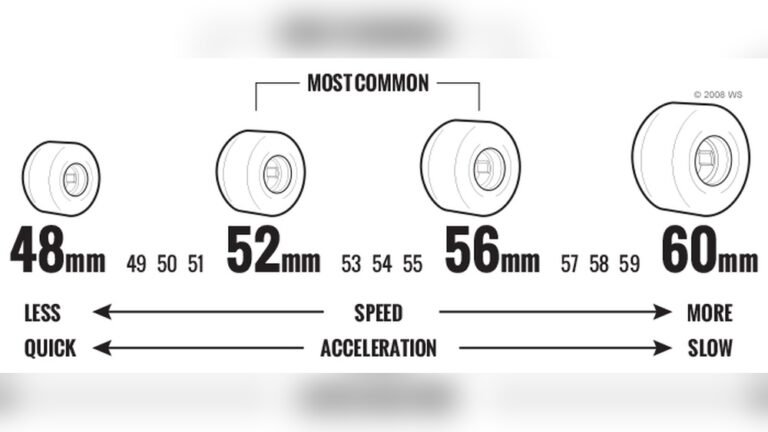
Tires play a big role in hill climbing ability. Soft rubber tires grip the road better than hard ones. Larger tires roll over bumps and cracks with ease. Some boards use knobby tires for off-road traction. Good traction stops wheels from spinning out on steep surfaces. Proper tires ensure smoother and safer uphill rides.
Testing And Comparing Models
Testing and comparing different electric skateboard models reveals how well they perform uphill. Riders want to know which boards handle slopes best. Testing involves checking speed, power, and battery life on various inclines. Comparing results helps buyers choose the right skateboard for hill climbing.
Tests include both controlled benchmarks and real-world riding. This approach shows true capabilities and limitations. Testing also compares affordable boards with premium models to highlight differences in performance and value.
Performance Benchmarks
Performance benchmarks measure power output, top speed, and hill-climbing angle. Each skateboard is tested on the same slope to ensure fair comparison. Motor strength and battery capacity play key roles in uphill ability. Boards with more powerful motors climb steeper hills faster and smoother.
Benchmarks also track battery drain during uphill rides. Some boards lose power quickly on steep inclines. Consistent power delivery means better hill performance and longer rides. These benchmarks provide a clear picture of each model’s strengths.
Real-world Uphill Tests
Real-world tests put skateboards through everyday uphill scenarios. Riders test boards on city streets, park hills, and rough terrain. These tests show how boards handle real slopes and obstacles. Factors like rider weight, road surface, and incline steepness affect results.
Real-world riding highlights differences in acceleration and control uphill. Some boards struggle to maintain speed, while others power through with ease. These tests help riders understand how each board performs outside the lab.
Affordable Boards Vs Premium Models
Affordable electric skateboards usually have less powerful motors and smaller batteries. They handle mild hills well but slow down on steep slopes. Premium models feature stronger motors and advanced battery technology. These boards climb hills faster and maintain speed longer.
Price reflects quality and performance. Budget boards suit casual riders on flat or gentle terrain. Premium boards target serious riders who face challenging hills daily. Comparing these two categories helps buyers find the right balance of cost and capability.
Credit: veymax.com
Maintenance After Uphill Use
Riding an electric skateboard uphill tests both the rider and the board. Uphill journeys demand more power and put extra strain on the board’s components. Maintenance after such rides helps keep your skateboard in top shape. Regular checks and care prevent damage and extend the board’s life.
Battery Care Tips
Uphill rides drain the battery faster. Charge the battery fully after each uphill trip. Avoid letting it drop below 20% to protect battery health. Store the board in a cool, dry place to prevent overheating. Check battery connections for dirt or corrosion regularly. Clean contacts gently with a dry cloth. Use the charger that came with your skateboard to avoid damage.
Motor Wear And Tear
Motors work harder on hills and may wear down quicker. Inspect motors for unusual noises or vibrations after rides. Tighten any loose screws around the motor area. Keep the motors clean from dust and debris. Avoid water exposure to prevent rust and shorts. If you notice reduced power, consider professional servicing to maintain performance.
Brakes And Safety Checks
Brakes face more pressure on uphill slopes. Test brake responsiveness before and after riding uphill. Adjust brakes if they feel weak or too tight. Look for worn brake pads and replace them promptly. Check wheels for cracks or flat spots caused by extra strain. Tighten all bolts and nuts to ensure safety on every ride.
Safety And Legal Considerations
Electric skateboards offer a thrilling way to travel, but safety and legality matter. Riding uphill adds challenges that require extra care. Understanding the rules and practicing caution keeps you safe and legal.
Riding Uphill Responsibly
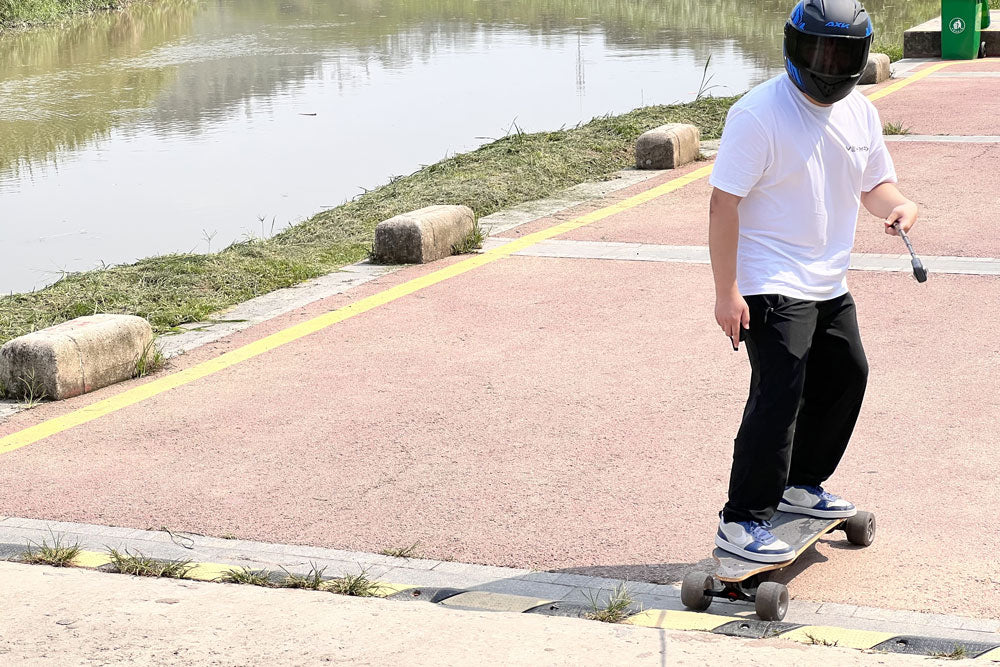
Control your speed to avoid losing balance. Keep both feet firmly on the board. Use smooth, steady movements to prevent sudden jerks. Check your board’s battery and brakes before climbing. Avoid crowded or slippery slopes. Always wear a helmet and protective gear. Stay alert to road conditions and obstacles.
Local Laws And Regulations
Electric skateboard laws vary by location. Some areas ban riding on public roads or sidewalks. Check local rules before riding uphill in your city. Follow speed limits and any age restrictions. Know where electric skateboards are allowed. Respect traffic signals and pedestrian zones. Carry identification and any required permits.
Avoiding Injuries On Slopes
Uphill riding can strain your muscles and joints. Warm up before riding to reduce injury risk. Take breaks if you feel tired. Avoid sharp turns on steep slopes. Use protective gear like wrist guards and knee pads. Practice falling safely to reduce injury. Always ride within your skill level to stay safe.
Credit: www.reddit.com

Credit: uditerboard.com
Frequently Asked Questions
Can You Get A Dui On A Non-motorized Skateboard?
Yes, you can get a DUI on a non-motorized skateboard if law enforcement proves impairment. DUI laws vary by state.
What Not To Do With An Electric Skateboard?
Avoid riding on wet or uneven surfaces to prevent accidents. Do not exceed weight limits or ignore battery care. Avoid sharp turns at high speeds and never ride without proper safety gear. Do not modify electrical components, as it risks damage and voids warranties.
What Electric Skateboard Goes 35 Mph?
The Boosted Stealth and Evolve GTX Pro are electric skateboards that reach speeds up to 35 mph. Both offer powerful motors and long battery life for high-speed rides.
Can You Go Uphill On A Skateboard?
Yes, you can go uphill on a skateboard, but it requires strong leg power or an electric motor. Electric skateboards climb hills easily.
Can Electric Skateboards Climb Steep Hills Easily?
Electric skateboards can climb hills, but steepness affects performance. Strong motors and good battery power improve uphill riding. Very steep hills may slow the board down.
Conclusion
Electric skateboards can climb hills, but performance varies widely. Power, motor type, and battery size matter most. Steeper slopes require stronger motors and better batteries. Riding uphill uses more energy and can drain batteries faster. Choose your skateboard based on hill steepness and ride length.
Regular maintenance keeps your board ready for climbs. Knowing your board’s limits ensures safe and smooth rides uphill. Enjoy the ride, but stay aware of your board’s power. Uphill skateboarding is possible with the right gear and care.