
The world of personal electric transportation is expanding rapidly, offering exciting new ways to commute, explore, and have fun. Among the most popular and innovative options are hoverboards and Onewheels. While both provide a unique, self-balancing ride, they cater to different needs and skill sets.
Understanding their distinctions is crucial for anyone looking to invest in a personal transporter.
A hoverboard, often characterized by its two wheels and footpads, offers an intuitive and accessible riding experience. It’s known for its ease of use, making it a popular choice for beginners and casual riders. Onewheels, on the other hand, stand out with their single, large wheel and more advanced control system, appealing to riders seeking a more dynamic, board-sport-like experience.
This article will explore the nuances of hoverboards versus Onewheels, examining their design, performance, learning curve, intended use, and overall riding experience to help you make an informed decision.
Key Takeaways
- Hoverboards are characterized by two wheels and are generally easier to learn, making them ideal for casual use and short commutes on smooth surfaces.
- Onewheels feature a single, large wheel, offering a more dynamic and agile ride akin to snowboarding or surfing, suitable for varied terrains and longer distances.
- Learning Curve: Hoverboards are typically learned within minutes, while Onewheels require more practice and skill development, often taking hours or days to master.
- Performance: Onewheels generally offer superior off-road capability, speed, and range compared to most hoverboards.
- Intended Use: Hoverboards are best for flat, paved areas and recreational riding, while Onewheels excel in diverse environments, including trails and off-road paths, and can serve as a more capable commuter.
- Cost: Hoverboards are significantly more affordable than Onewheels, which represent a higher investment.
- Safety: Both require protective gear, but the higher speeds and more complex controls of Onewheels necessitate a greater emphasis on rider skill and caution.
Credit: www.cnet.com
Hoverboard: The Accessible Two-wheeled Commuter
Hoverboards, officially known as self-balancing scooters, burst onto the scene as a novel form of personal electric transport. Their design is instantly recognizable: two parallel footpads mounted on either side of a central pivot, with a wheel integrated into each side. This symmetrical setup is key to their operation and ease of learning. Riders stand with one foot on each pad, and the board detects shifts in weight to control forward, backward, and turning movements. Leaning forward propels the hoverboard forward, leaning backward slows it down or reverses it, and subtle shifts of weight allow for turns.
The appeal of the hoverboard lies in its intuitive control system. For many, the initial learning process is remarkably quick, often taking just a few minutes to achieve basic balance and movement. This low barrier to entry has made them incredibly popular for recreational use, especially among younger riders and those looking for a fun way to traverse short distances on flat, paved surfaces. They are particularly well-suited for indoor use or smooth sidewalks and bike paths. The experience is often described as gliding or floating, providing a sense of effortless motion once mastered.
Hoverboard Design And Mechanics
At the core of a hoverboard are gyroscopic sensors and electric motors that work in tandem to maintain balance. When a rider steps on, the sensors detect the pressure and angle of their feet. This data is fed to a control board, which then instructs the motors to adjust the wheel speed and direction accordingly.
This constant feedback loop is what allows the hoverboard to stay upright. The wheels themselves are typically hub motors, meaning the motor is built directly into the wheel assembly. This compact design contributes to the hoverboard’s relatively low profile.
Most hoverboards are powered by rechargeable lithium-ion batteries, offering a range that typically varies from 5 to 15 miles on a single charge, depending on the model, rider weight, and terrain. Top speeds usually hover around 6 to 10 miles per hour.
While some models offer basic shock absorption or slightly larger wheels for smoother rides, they are generally not designed for rough terrain. The construction often involves durable plastic casings to keep them lightweight and affordable.
Riding Experience And Use Cases
The riding experience on a hoverboard is characterized by its smooth, gliding sensation. Because of the two-wheel design and the central pivot, riders maintain a relatively stable stance. Turning is achieved by applying differential pressure to the footpads, pressing harder on one side while easing pressure on the other.
This makes for a fluid, almost dance-like steering motion.
Hoverboards are best suited for recreational riding and short-distance, low-effort commutes on perfectly flat surfaces. Think of cruising through a park on a paved path, navigating a college campus between classes on smooth walkways, or simply enjoying a fun ride around the neighborhood. They are not ideal for hills, uneven ground, gravel, or grass. Their limited ground clearance and wheel size make them susceptible to getting stuck or causing falls on anything but the smoothest terrain. For those seeking a more robust solution for varied environments, other options might be more suitable.

Credit: www.internationalcompetitionnetwork.org
Onewheel: The Single-wheel Thrill Machine
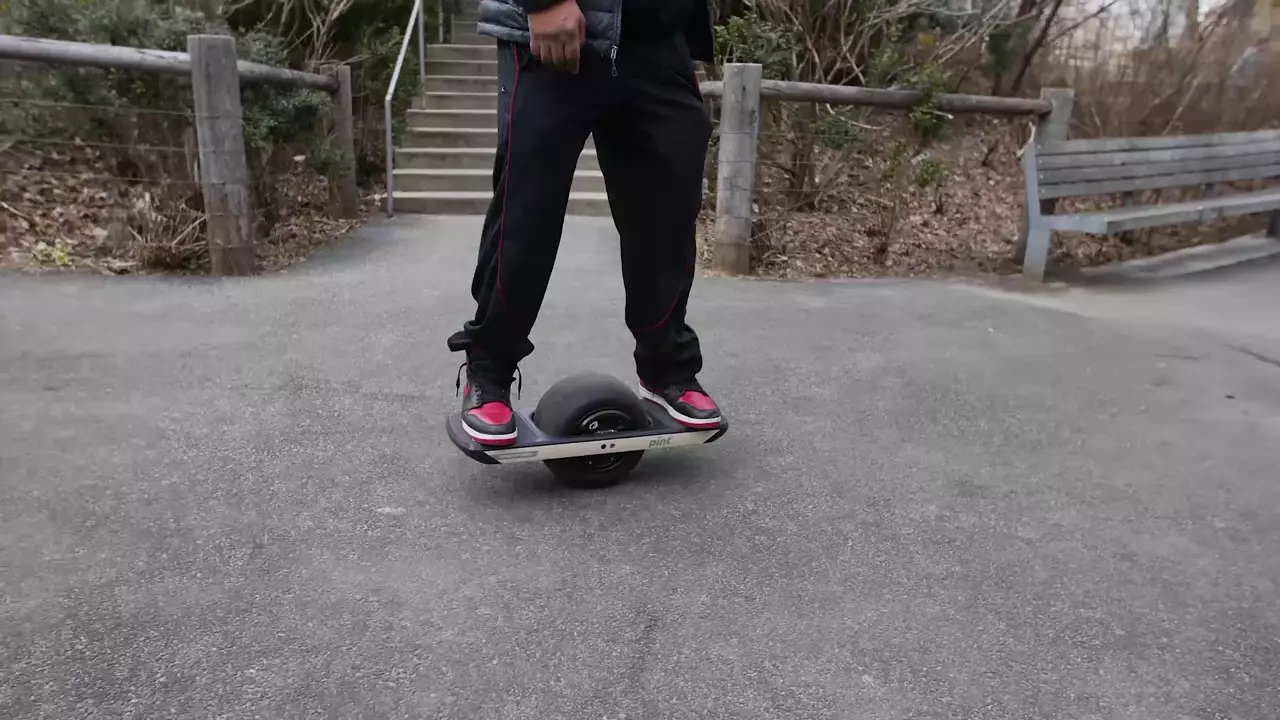
In contrast to the ubiquitous hoverboard, the Onewheel stands out with its singular, large wheel. Developed by Future Motion, Inc. , the Onewheel is designed to mimic the sensation of snowboarding, surfing, or skateboarding, offering a more dynamic and engaging ride.
It features a single, wide tire mounted on a powerful motor, with footpads on either side. The rider’s stance is more akin to a skateboarder or snowboarder, with feet perpendicular to the direction of travel.
The control mechanism of a Onewheel is significantly more nuanced than that of a hoverboard. It relies on advanced gyroscopic sensors and accelerometers to read the rider’s subtle shifts in weight and pressure. Leaning forward initiates acceleration, leaning back slows down, and precise foot pressure is used for steering.
This requires a higher degree of balance, core strength, and rider input, translating into a riding experience that feels more connected to the rider’s body and movements.
Onewheel Design And Technology
The defining feature of a Onewheel is its large, pneumatic tire. This tire is crucial for its ability to handle varied terrain, absorbing shocks and providing traction on surfaces that would easily stop a hoverboard. The motor is integrated into the wheel hub, delivering powerful torque for acceleration and hill climbing. The board itself is typically more robustly built, often featuring a solid deck made from wood or composite materials, designed to withstand more demanding use.
Onewheels are known for their impressive performance metrics. They generally offer higher top speeds, often ranging from 15 to 20 miles per hour, and significantly longer ranges, with many models capable of 10 to 20 miles or even more on a single charge.
This makes them a more viable option for longer commutes or extended recreational rides. The technology behind the Onewheel includes sophisticated electronic stabilization and often smartphone app integration for customizing ride settings, monitoring battery life, and tracking rides.
Riding Experience And Terrain Capability
The Onewheel experience is often described as exhilarating and fluid, providing a sensation of “floating” over the ground. The large tire acts like a suspension system, smoothing out bumps and vibrations that would be jarring on a hoverboard. This allows Onewheels to confidently traverse a much wider range of terrains, including grass, dirt paths, gravel, and even light off-road trails.
Riders can carve into turns, much like on a snowboard, creating a dynamic and engaging ride.
This versatility makes the Onewheel a compelling choice for riders who want more than just a smooth pavement cruiser. It can be used for adventure riding, exploring off the beaten path, or as a capable urban commuter that can handle varied city landscapes. The learning curve is steeper than a hoverboard, requiring dedicated practice to achieve proficiency. However, for those who master it, the Onewheel offers a deeply rewarding and adventurous riding experience.

Credit: www.youtube.com
Hoverboard Vs. Onewheel: A Detailed Comparison
To truly understand the differences, let’s break down the key aspects of hoverboards and Onewheels side-by-side. This comparison will highlight where each excels and where they fall short, helping you identify which device best suits your needs.
Design And Form Factor
Hoverboards are characterized by their two-wheel, symmetrical design. This makes them relatively compact and easy to store. The rider stands with feet parallel to the board’s length, which can feel more natural for some beginners but offers less stability at higher speeds or on uneven surfaces.
Onewheels, with their single, large wheel, have a more elongated and robust profile. The rider stands with feet perpendicular to the board’s length, similar to a skateboard. This stance, combined with the large tire, provides a more stable platform for higher speeds and varied terrain but can feel less intuitive initially for those unfamiliar with board sports.
Learning Curve And Ease Of Use
This is perhaps the most significant difference for new riders.
- Hoverboards: Generally considered very easy to learn. Most people can get a feel for balancing and moving within 5-15 minutes. The dual wheels provide a stable base, and the weight-shifting controls are intuitive. They are accessible to a wide range of ages and skill levels.
- Onewheels: Have a steeper learning curve. Mastering balance, acceleration, and deceleration takes dedicated practice, often hours or days. The single wheel requires constant micro-adjustments and a strong sense of balance. This makes them less accessible for absolute beginners but highly rewarding for those willing to invest the time.
Performance: Speed, Range, And Terrain
When it comes to performance, Onewheels generally outperform hoverboards, especially in demanding conditions.
- Speed: Onewheels typically reach higher top speeds (15-20 mph) than hoverboards (6-10 mph).
- Range: Onewheels offer longer ranges (10-20+ miles) compared to most hoverboards (5-15 miles).
- Terrain: Hoverboards are best on smooth, flat surfaces. Onewheels excel on varied terrain, including grass, dirt, gravel, and uneven paths, thanks to their large pneumatic tire and robust build.
Portability And Storage
Both devices are designed for personal transport, but their portability differs.
- Hoverboards: Are generally lighter and more compact, making them easier to carry when not in use. Many can fit under a desk or in a backpack.
- Onewheels: Are heavier and bulkier due to their larger battery, motor, and more robust construction. Carrying them for extended periods can be more challenging.
Cost And Value
Price is a major differentiating factor.
- Hoverboards: Are significantly more affordable, with prices typically ranging from $200 to $500. They offer great value for casual, recreational use.
- Onewheels: Represent a substantial investment, with prices often starting at $1,000 and going up to $2,000 or more for premium models. This higher cost reflects their advanced technology, performance, and durability.
Safety Considerations
Both devices require caution and protective gear.
- Hoverboards: While easier to learn, falls can still occur, especially if riding on uneven surfaces or at higher speeds than intended. The risk of sudden stops or loss of balance is present.
- Onewheels: The higher speeds and more dynamic riding style mean falls can be more significant. Mastering the controls and understanding the board’s limits are crucial for safety. Wearing a helmet, wrist guards, and knee/elbow pads is highly recommended. It’s important to remember that even experienced riders can experience “disengagements” where the board suddenly stops responding, leading to falls.
Here’s a table summarizing the key differences:
| Feature | Hoverboard | Onewheel |
|---|---|---|
| Number of Wheels | Two | One |
| Learning Curve | Easy (minutes to hours) | Steep (hours to days) |
| Riding Style | Gliding, intuitive weight shift | Carving, dynamic body control |
| Terrain Capability | Smooth, flat surfaces only | Varied terrain (pavement, dirt, grass, light trails) |
| Top Speed | 6-10 mph | 15-20 mph |
| Range | 5-15 miles | 10-20+ miles |
| Portability | High (lighter, more compact) | Moderate (heavier, bulkier) |
| Price Range | $200 – $500 | $1,000 – $2,000+ |
| Best For | Recreation, short commutes on smooth surfaces | Adventure, varied terrain, longer commutes, thrill-seeking |
Choosing The Right Device: Factors To Consider
The decision between a hoverboard and a Onewheel hinges on several personal factors. Consider your intended use, your budget, your comfort with learning new skills, and the environments you plan to ride in.
Intended Use: Commuting Vs. Recreation
- For Recreation and Fun: If your primary goal is to have a fun, easy-to-use device for cruising around on smooth paths, parks, or indoors, a hoverboard is an excellent choice. Its low entry barrier and accessible price make it ideal for casual enjoyment. You might also find yourself using it for short, convenient trips around your neighborhood. For those interested in the foundational aspects of board sports, even hoverboards can offer a stepping stone towards understanding balance and motion.
- For Adventure and Versatile Commuting: If you envision riding on a variety of surfaces, tackling light trails, or need a more capable vehicle for longer commutes that might include varied urban terrain, a Onewheel is the superior option. Its ability to handle bumps, grass, and dirt opens up a world of possibilities beyond smooth pavement. It offers a more engaging and challenging ride for those seeking an adrenaline rush and a deeper connection with their ride.
Skill Level And Learning Preference
- Beginner-Friendly: If you want to be riding within minutes and prefer a device that requires minimal initial learning, a hoverboard is the way to go. It’s forgiving and easy to pick up.
- Willing to Invest Time: If you enjoy a challenge, are motivated by mastering complex skills, and appreciate the reward of advanced control, a Onewheel will be more satisfying. The learning process is part of the Onewheel experience, and the mastery it offers is significant.
Budgetary Constraints
- Budget-Conscious: Hoverboards offer a much lower entry price point, making them accessible to a broader audience. You can get a functional and fun hoverboard for a few hundred dollars.
- Higher Investment: Onewheels are a significant financial commitment. Be prepared to spend upwards of $1,000, and consider the added cost of accessories like protective gear, which is essential.
Terrain And Environment
- Smooth Pavement: If your riding is confined to smooth sidewalks, bike paths, or indoor spaces, a hoverboard will serve you well.
- Varied Surfaces: If you want the freedom to ride on grass, dirt trails, gravel paths, or uneven terrain, the Onewheel’s large pneumatic tire is essential. It offers a level of off-road capability that hoverboards simply cannot match.
Real-world Examples And Scenarios
To illustrate the practical differences, let’s look at a couple of scenarios:
Scenario 1: The College Student
Sarah is a college student looking for a fun way to get around her campus and to nearby coffee shops. The campus has smooth sidewalks and paved paths, but also some grassy areas and occasional gravel sections. She has a limited budget and wants something easy to learn quickly.
- Hoverboard Choice: A hoverboard would be a good fit for Sarah’s need for easy learning and short-distance travel on smooth surfaces. She could quickly master it and use it to get between classes. However, its limitations on grass and gravel might be a drawback if she wants to cut across lawns or navigate less-maintained paths. The lower price point is also a significant advantage for a student budget.
Scenario 2: The Outdoor Enthusiast
Mark lives in a town with scenic trails and parks, and he wants a personal transporter that can keep up with his adventurous spirit. He’s an experienced skateboarder and snowboarder, so he’s comfortable with a steeper learning curve and seeks a more exhilarating ride.
He has a larger budget and prioritizes performance and versatility.
- Onewheel Choice: A Onewheel would be ideal for Mark. Its off-road capabilities allow him to explore trails and varied terrain, providing a riding experience that closely mimics snowboarding. The higher speeds and range are suitable for longer excursions. His existing board sport experience means he can likely pick up the Onewheel’s controls relatively quickly, and he’ll appreciate the dynamic, carving feel. The higher cost is justified by the performance and adventure it offers.
Maintenance And Upkeep
Both hoverboards and Onewheels require some level of maintenance to ensure longevity and safe operation.
- Hoverboards: Generally require minimal maintenance. Keeping them clean, ensuring the battery is charged correctly, and checking for any loose components are the main tasks. Since most hoverboards have solid or semi-pneumatic tires, there’s no risk of flats. However, if the tires are not pneumatic, they can offer a harsher ride over bumps.
- Onewheels: With their pneumatic tires, they require tire pressure checks and inflation, similar to a bicycle. The tire can also be punctured, requiring repair or replacement. Regular cleaning, checking bolts and components, and ensuring the battery is maintained according to the manufacturer’s guidelines are important. Some riders also customize their Onewheels with aftermarket accessories like bumpers or footpad upgrades, which can also require attention.
The Future Of Personal Electric Transport
The innovation in personal electric transport shows no signs of slowing down. Both hoverboards and Onewheels represent different branches of this evolution. Hoverboards have democratized self-balancing technology, making it accessible and fun for a broad audience. They continue to evolve with better battery life, improved stability, and more rugged designs.
Onewheels, on the other hand, are pushing the boundaries of what personal electric transporters can do, offering a blend of performance, agility, and terrain capability that appeals to a more discerning rider. Future iterations will likely see even greater range, faster charging, enhanced smart features, and potentially new forms of stabilization and control.
As technology advances, we can expect both categories to offer more sophisticated, safer, and more versatile riding experiences.
Frequently Asked Questions
What Is The Main Difference Between A Hoverboard And A Onewheel?
The Primary Distinction Lies In Their Design And Intended Use. Hoverboards Have Two Wheels And Are Designed For Easy, Intuitive Riding On Smooth Surfaces, Making Them Ideal For Recreation And Short Commutes. Onewheels Feature A Single, Large Wheel, Offering A More Dynamic And Agile Ride Akin To Snowboarding Or Surfing, Capable Of Handling Varied Terrain And Providing A More Exhilarating Experience.
Which Is Easier To Learn: A Hoverboard Or A Onewheel?
Hoverboards Are Significantly Easier To Learn. Most Individuals Can Achieve Basic Balance And Movement Within Minutes Due To Their Stable Two-wheel Design And Intuitive Weight-shifting Controls. Onewheels Have A Much Steeper Learning Curve, Requiring Hours Of Practice To Master Balance, Acceleration, And Deceleration Due To Their Single-wheel Design And Advanced Control System.
Can I Ride A Hoverboard Or Onewheel Off-road?
Onewheels Are Designed For Varied Terrain And Can Handle Grass, Dirt Paths, Gravel, And Light Trails Thanks To Their Large Pneumatic Tire. Hoverboards Are Generally Limited To Smooth, Flat Surfaces Like Pavement Or Indoor Floors. Riding A Hoverboard On Uneven Terrain Can Be Unstable And Lead To Falls.
What Is The Price Difference Between Hoverboards And Onewheels?
Hoverboards Are Considerably More Affordable, Typically Ranging From $200 To $500. Onewheels Are A Premium Product With A Higher Investment, Usually Costing Between $1,000 And $2,000 Or More For Their Various Models.
Are Hoverboards Or Onewheels Safer?
Both Devices Require Protective Gear, Including Helmets, For Safe Operation. Hoverboards Are Generally Considered Less Risky Due To Their Lower Speeds And Easier Control, But Falls Can Still Occur. Onewheels, With Their Higher Speeds And More Dynamic Riding Style, Can Result In More Severe Falls If The Rider Loses Control Or Experiences A “disengagement” From The Board. Mastery Of The Onewheel Controls Is Crucial For Rider Safety.
The choice between a hoverboard and a Onewheel ultimately depends on your personal priorities. If you seek an accessible, fun, and affordable way to glide on smooth surfaces, a hoverboard is likely your best bet. For those craving a more adventurous, off-road capable, and exhilarating ride with a higher performance ceiling, and who are willing to invest the time and money, a Onewheel offers an unparalleled experience.
Both represent exciting advancements in personal mobility, each carving out its unique niche in the growing world of electric personal transporters.