
What Wheels Do Most Pro Skaters Use
The world of professional skateboarding is a realm of precision, power, and personal preference. While many elements contribute to a skater’s success, from raw talent and rigorous training to the mental fortitude to push boundaries, the equipment plays an undeniably crucial role.
Among the most debated and scrutinized components are the wheels. They are the direct point of contact between the skater and the pavement, dictating speed, grip, and the overall feel of the ride. So, what wheels do most pro skaters use?
The answer isn’t a single brand or model, but rather a nuanced understanding of the factors that influence their choices.
Pro skaters, much like any elite athlete, are meticulous about their gear. Their choices are informed by years of experience, an intimate knowledge of their own skating style, and the specific demands of the terrain they’re conquering. Whether they’re grinding rails in a gritty urban landscape, launching off ramps in a skatepark, or cruising down a smooth street, the wheels must perform flawlessly.
This article will explore the commonalities and diversions in pro skater wheel choices, examining the key characteristics that make certain wheels stand out, and providing insights into why these athletes gravitate towards particular setups. Understanding these preferences offers a window into the technical side of professional skateboarding and can inform your own gear choices, whether you’re a seasoned pro or just starting out.
Key Takeaways
- Durometer (Hardness) is Paramount: Most pros opt for harder wheels (99A-101A) for their speed, responsiveness, and ability to slide on ledges and rails.
- Size Matters for Style: Smaller wheels (50-54mm) are favored for technical street skating due to their lighter weight and quicker acceleration, while larger wheels (55mm+) offer more speed and stability for transition skating.
- Shape Influences Performance: Wider wheels provide more stability and grip, ideal for rougher terrain or transition, while narrower wheels are preferred for speed and precision in street skating.
- Brand Loyalty and Sponsorships: While personal preference is key, many pros are sponsored by specific wheel brands, influencing their choices. However, even sponsored skaters often have input into the specific models they ride.
- Consistency is Crucial: Pros value consistency in their equipment. Once they find a wheel that works, they tend to stick with it, or a very similar model, for extended periods.
- Testing and Personalization: Ultimately, wheel choice is highly personal. Pros constantly test new wheels and refine their setups based on feel, performance, and the specific challenges of their skating discipline.
The Science Behind Skate Wheels: Durometer, Size, And Shape
The seemingly simple skateboard wheel is a complex piece of engineering designed to optimize performance. For professional skaters, every millimeter and every point on the hardness scale can make a significant difference. Understanding the fundamental characteristics of skateboard wheels is the first step in appreciating why pros make the choices they do.
Durometer: The Hardness Factor
Durometer refers to the hardness of a urethane wheel, measured on an A-scale (though some brands use a B-scale, which is generally 10 points lower). The higher the number, the harder the wheel.
- Softer Wheels (78A-90A): These wheels offer more grip and a smoother ride, absorbing vibrations from rough surfaces. They are ideal for longboarding, cruising, or filming in areas with poor pavement. You won’t typically see these on a pro street skater’s board.
- Medium Wheels (90A-97A): A compromise between grip and slide, these can be found on hybrid setups or for skaters who prioritize a slightly smoother ride without sacrificing too much performance.
- Hard Wheels (99A-101A): This is the sweet spot for most professional street and park skaters. Hard wheels are faster, slide easier on ledges and rails, and are more durable. They offer the responsiveness needed for technical tricks and quick adjustments. The slight difference between 99A and 101A can come down to personal preference for grip versus slide.
Wheel Diameter: Finding The Right Roll
The diameter of a wheel, measured in millimeters (mm), directly impacts acceleration, top speed, and how easily the board rolls over obstacles.
- Small Wheels (50-54mm): Favored by technical street skaters, these wheels accelerate quickly and are lighter, making flip tricks easier. They provide less momentum and can get bogged down on rough surfaces, but their agility is prized for precise maneuvers.
- Medium Wheels (55-58mm): A versatile size that works well for both street and park skating. They offer a good balance of acceleration and speed, and can handle slightly rougher terrain better than smaller wheels.
- Large Wheels (59mm+): These wheels maintain speed longer and roll over cracks and debris more easily. They are typically found on transition skates (ramps, bowls) and longboards, where maintaining momentum is key. While not the primary choice for most street pros, some may opt for larger wheels for specific park setups or downhill cruising.
Wheel Shape: Profile And Contact Patch
The shape of a wheel, specifically its profile and width, affects its contact with the ground, influencing grip, stability, and slide characteristics.
- Standard/Classic Shape: A balanced profile that offers a good mix of performance for most types of skating.
- Conical Shape: Features a narrower profile with a beveled edge. This reduces the contact patch, making it easier to slide and less prone to “hanging up” on grinds. Many pros prefer conical shapes for their responsiveness and slide capabilities.
- Cushe Shape/Wide Profile: These wheels have a broader contact patch, offering more stability and grip. They are excellent for rougher surfaces, transition skating, and for skaters who want maximum control. However, the increased surface area can make them slightly slower to accelerate and harder to slide.
A prime example of how these factors come into play is the preference for 99A durometer, 52-54mm diameter, and often a conical shape for many professional street skaters. This combination prioritizes speed, lightness for flip tricks, and the ability to slide seamlessly on ledges and rails.
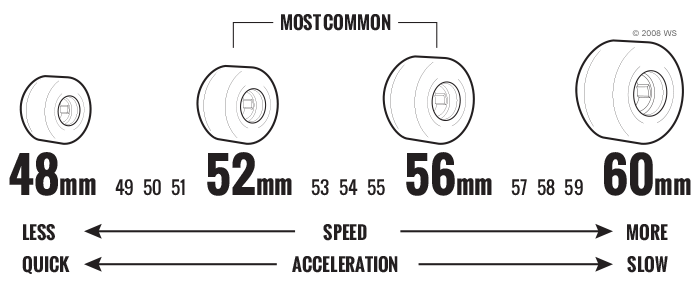
Credit: www.warehouseskateboards.com
The Reigning Brands: What Brands Do Pros Ride?
While personal preference dictates the exact model, certain brands consistently appear under the feet of professional skateboarders. This is often a blend of genuine product quality, historical significance, and, for many, sponsorship agreements. Understanding these brands provides insight into the industry’s leading manufacturers and the wheels they’ve developed to meet the demands of elite skaters.
Leading Wheel Manufacturers In Professional Skateboarding
Several companies have built a strong reputation for producing high-quality skateboard wheels that are favored by pros. These brands invest heavily in research and development, often working directly with their sponsored athletes to refine their products.
- Spitfire Wheels: Arguably the most dominant brand in professional skateboarding, Spitfire is renowned for its consistent quality and a wide range of formulas and shapes. Their Formula Four (F4) urethane is particularly popular, known for its durability, smooth slide, and resistance to flat spots. Pros often choose their radial, conical, or radial slim shapes in various sizes, almost always in the 99A or 101A durometer.
- Bones Wheels: Another industry titan, Bones Wheels is known for its advanced urethane formulas, particularly their STF (Street Tech Formula) and SPF (Skatepark Formula). STF is designed for superior flat-spot resistance and a faster slide on street terrain, while SPF offers more grip and stability for park and transition. Many pros opt for their 52-54mm sizes in 99A or 101A.
- OJ Wheels: With a long history in skateboarding, OJ Wheels offers a diverse range of wheels. They are particularly noted for their Elite Urethane, which is known for being fast and durable. They also offer various shapes and sizes, catering to different skating styles, with many pros gravitating towards their harder, faster formulas.
- Ricta Wheels: Ricta is recognized for its focus on speed and durability, often developing unique urethane compounds. Their Clouds line, while softer, is popular for cruising and rougher spots, but their harder street-specific wheels are also ridden by pros who prioritize a fast, responsive ride.
- DGK (Dirty Ghetto Kids) Wheels: While also a skate brand with apparel, DGK produces its own line of wheels, often collaborating with other manufacturers for their urethane. These wheels are typically geared towards street skating, offering reliable performance.
- Krooked Wheels: Associated with Krooked Skateboards, these wheels often feature unique graphics and are known for their quality and performance, especially for street and park skating.
The Role Of Sponsorships
It’s crucial to acknowledge that sponsorships play a significant role in what wheels pro skaters use publicly. Brands invest heavily in top talent, and in return, skaters promote and ride their products. However, this doesn’t mean pros are forced to ride something they dislike. The best-sponsored skaters often have a genuine affinity for the products or work closely with the brand to develop wheels that meet their specific needs. For instance, a skater might ride a particular Spitfire F4 shape and durometer because it perfectly complements their style, even if they have other wheel options available.
A good example of this is how many pros have gravitated towards Spitfire’s Formula Four urethane. Its reputation for resisting flat spots and providing a consistent slide across various surfaces has made it a go-to choice, even for skaters not exclusively sponsored by Spitfire, though it is a primary offering for many of them.
How Pro Skaters Choose Their Wheels: Style And Discipline
The specific type of skateboarding a pro skater excels at is the most significant factor influencing their wheel choice. Street skating demands a different performance profile than transition skating or cruising.
Street Skating: Agility And Slide
For street skating, which involves tricks performed on urban architecture like stairs, ledges, rails, and flat ground, the priorities are quick acceleration, lightness, and the ability to slide smoothly.
- Durometer: Almost universally 99A to 101A. This hardness is essential for achieving the speed needed to clear obstacles and, crucially, for the wheels to slide (or “crook” and “50-50”) on ledges and rails without catching.
- Size: Smaller wheels, typically 50mm to 54mm, are preferred. Their reduced weight makes flip tricks (like kickflips and heelflips) easier and faster to initiate. They also accelerate rapidly, which is beneficial for setting up tricks.
- Shape: Conical or slim-radial shapes are common. These shapes have a narrower profile and a smaller contact patch, which further facilitates easier sliding and reduces the chance of “hanging up” during grinds. A narrower wheel also feels more responsive for quick foot movements during technical maneuvers.
- Examples: Many top street pros like Shane O’Neill, Nyjah Huston (though he sometimes rides slightly larger for specific contests), and Tiago Lemos are often seen with setups that feature smaller, harder wheels in the 99A-101A range, often from brands like Spitfire or Bones. They prioritize the feel and responsiveness needed for highly technical tricks.
Park And Transition Skating: Speed And Stability
Park skating (skateparks with bowls, ramps, and obstacles) and transition skating (focusing on vert ramps, half-pipes, and bowls) require a different set of characteristics. Here, maintaining speed, stability, and grip are often more important than the absolute ease of sliding.
- Durometer: While still preferring harder wheels, many transition skaters might opt for 97A to 99A. This slightly softer durometer can offer a bit more grip in transitions and absorb some of the impact from landing airs, while still being hard enough for speed. However, 99A is still very common.
- Size: Larger wheels, generally 54mm to 58mm, are favored. These wheels carry momentum better, allowing skaters to maintain speed through lines in a bowl or up a ramp. They also roll over imperfections in the park surface more smoothly.
- Shape: Radial, radial slim, or even slightly wider profiles are common. The increased contact patch can provide more stability and grip, which is beneficial when carving, airing out of transitions, or landing after big jumps.
- Examples: Pros like Chris Cole (though he has a versatile style), Grant Taylor, and Tristan Funkhouser often ride setups that lean towards the larger and slightly more stable end of the spectrum for park and transition. They need wheels that can handle high speeds and big impacts while providing a confident feel.
Cruising And Filming: Comfort And Durability
While not strictly “pro” in the contest sense for most, many pros and highly skilled skaters also engage in cruising or filming for video parts, which might involve skating longer distances or over less-than-ideal terrain.
- Durometer: Softer wheels, in the 78A to 90A range, are common. These absorb vibrations, providing a much smoother and quieter ride.
- Size: Larger wheels (56mm+) are often used to roll over cracks, pebbles, and rough surfaces with ease.
- Shape: Wider profiles are preferred for their stability and ability to handle varied terrain.
- Examples: While not seen on their main street/park setups, pros might use a separate cruiser board with softer, larger wheels from brands like Orangatang or certain OJ Wheels models for warm-ups, cool-downs, or casual skating.
Here’s a table summarizing the typical preferences:
| Skateboarding Discipline | Typical Durometer | Typical Diameter (mm) | Common Shapes | Primary Focus |
|---|---|---|---|---|
| Street Skating | 99A – 101A | 50 – 54 | Conical, Slim-Radial | Speed, Slide, Agility, Lightness |
| Park & Transition | 97A – 99A | 54 – 58 | Radial, Radial Slim, Wider | Speed Maintenance, Stability, Grip |
| Cruising/Filming (Rough Terrain) | 78A – 90A | 56+ | Wider Profiles | Comfort, Smoothness, Obstacle Roll-over |
Beyond The Basics: Factors Influencing Individual Choices
While general trends exist, the specific wheel chosen by a professional skater is a deeply personal decision. Several subtle factors come into play, demonstrating the fine-tuning that goes into elite skateboarding equipment.
Urethane Formulas And Feel
Skateboard wheel urethane isn’t just a single compound. Different brands, and even different lines within the same brand, use proprietary formulas that affect how the wheel feels, wears, and slides.
- “Pop” and Responsiveness: Some formulas are designed to feel “poppier” or more responsive, meaning they rebound more effectively when landing tricks. This can make flip tricks feel crisper.
- Slide Consistency: The way a wheel slides is critical. Some skaters prefer a very quick, “slippery” slide, while others like a slightly more controlled slide that offers a bit of feedback. Spitfire’s Formula Four and Bones’ STF are often praised for their predictable and smooth slide characteristics.
- Durability and Flat Spotting: A major concern for pros is how well a wheel resists flat spotting, where the urethane wears down unevenly, creating a flat patch that hinders rolling. Harder wheels and advanced formulas are engineered to combat this. In my experience, skaters who grind a lot are particularly sensitive to how a wheel wears.
Personal Preferences And Quirks
Every skater has unique preferences honed over years of riding. What feels “right” to one skater might feel completely off to another.
- The “Feel” of the Slide: Some skaters have a very specific feel they look for when sliding. It could be the sound, the amount of resistance, or the predictability. This is often developed through thousands of hours of practice.
- Board Feel and Connection: Some skaters prefer a wheel that provides more “board feel,” allowing them to feel the ground more directly. Others might prefer a slightly more cushioned feel. This can be influenced by the wheel’s core, urethane density, and overall construction.
- Aesthetics: While performance is paramount, graphics and aesthetics can also play a role, especially for skaters who are also style icons. However, performance almost always trumps looks.
Testing And Evolution
The professional skateboarding world is constantly evolving, and so are the wheels. Brands are always experimenting with new formulas, shapes, and sizes.
- Prototype Testing: Many pros are involved in testing prototype wheels for their sponsors. They provide crucial feedback that helps refine the final product. This means that what a pro is riding might not even be commercially available yet.
- Adapting to Trends: As skateboarding progresses and new styles of tricks or skating emerge, wheel technology and preferences adapt. For example, the increased popularity of highly technical flip tricks has driven the demand for lighter, more responsive wheels.
A real-world example is the widespread adoption of Spitfire’s Formula Four urethane. When it was introduced, it quickly gained traction among pros because it offered a significant improvement in durability and slide consistency compared to many previous formulas. This wasn’t just a marketing push; the product genuinely performed better for a wide range of skaters, leading to its current dominance.
The Impact Of Wheel Technology On Pro Performance
The advancements in skateboard wheel technology over the past few decades have been instrumental in pushing the boundaries of what’s possible in professional skateboarding. From the early days of clay wheels to the sophisticated urethane compounds of today, innovation has directly translated into improved performance and new trick possibilities.
Early Innovations And Urethane’s Revolution
Before urethane, skateboard wheels were often made of clay, steel, or wood. These materials were prone to breaking, offered poor grip, and provided an incredibly rough ride. The invention of urethane wheels in the 1970s, pioneered by companies like Frank Nasworthy’s Cadillac Wheels, was a watershed moment. Urethane offered:
- Superior Grip: Allowing for sharper turns and more control.
- Durability: Wheels that could withstand impact and abrasion.
- Smoother Ride: Absorbing vibrations from rough surfaces.
This innovation fundamentally changed skateboarding, making it more accessible and enabling more advanced maneuvers.
Modern Advancements: Formula, Core, And Shape
Today, the innovation continues, focusing on refining the core aspects of wheel design:
- Advanced Urethane Formulas: As mentioned, brands like Spitfire (Formula Four) and Bones (STF/SPF) have developed proprietary urethane compounds. These aren’t just about hardness but also about how the urethane bonds, wears, and slides. Some formulas are designed for maximum speed, others for extreme durability, and some aim for a perfect balance. The Skateboarding.com gear guide often highlights these advancements.
- Wheel Cores: The internal core of a wheel plays a role in its weight, shape retention, and how the urethane is distributed. Some cores are designed to be lighter, others to prevent the urethane from deforming under stress, thus increasing resistance to flat spotting.
- Precision Engineering: Modern manufacturing allows for incredibly precise duplication of wheel shapes and sizes. This consistency is vital for pros who rely on their equipment to perform identically every time.
Case Study: The Rise Of 99a And Formula Four
The widespread adoption of 99A durometer as a standard for street skating is a testament to evolving needs. Initially, 101A was the go-to for maximum slide and speed. However, as skating became more technical and skaters sought a wheel that offered a slightly better grip for landing tricks while still allowing for a good slide, 99A emerged as the preferred compromise.
Spitfire’s Formula Four line is another excellent example. Its success wasn’t just marketing; it was based on a urethane compound that demonstrably resisted flat spotting better, slid more consistently, and felt more durable than many predecessors. This led to a cascade effect, where many pros, regardless of their primary sponsor, began to gravitate towards F4s, influencing wider industry trends. This focus on material science directly impacts how skaters can perform more complex tricks and maintain their equipment for longer.
Maintaining And Replacing Pro Wheels
Even the most durable wheels used by professionals will eventually wear out or get damaged. Understanding when and how to replace them is part of a pro’s routine maintenance.
Signs Your Wheels Need Replacing
Professional skaters are attuned to the subtle changes in their wheels. Key indicators include:
- Flat Spotting: As discussed, this is the most common sign. A significant flat spot will make the board feel bumpy, slow, and can cause unexpected stops or slides.
- Uneven Wear: If wheels are worn down unevenly, it can affect the board’s balance and how it feels during tricks.
- Cracks or Chunks: Impact damage can cause the urethane to crack or chip away. This compromises the wheel’s integrity and can lead to sudden failure.
*






One Comment