
The rumble of urethane wheels on asphalt, the clatter of a dropped board, the exhilaration of landing a new trick—these are the sensory hallmarks of skateboarding. But beneath the surface of this vibrant culture lies a rich history, a lineage of innovation and passion that dates back decades. As the sport evolved from a simple pastime into a global phenomenon, certain companies emerged as pioneers, shaping the very equipment and ethos that define modern skateboarding. For enthusiasts and newcomers alike, understanding this heritage is key to appreciating the sport’s roots.
For many, the question of origins often leads to a fascinating historical inquiry: what is the oldest skateboard company? This isn’t just a trivia question; it’s a gateway to understanding the foundational brands that laid the groundwork for the industry we know today. These early companies were not just manufacturers; they were innovators, surfers looking for a way to ride waves on land, entrepreneurs who saw potential in a wooden plank and four wheels. Their stories are intertwined with the evolution of skateboarding itself, from its humble beginnings in California to its status as an Olympic sport.
Key Takeaways
- Makaha is widely recognized as the oldest continuously operating skateboard company, founded in 1963.
- Early skateboarding was heavily influenced by surfing culture, with companies like Makaha initially focusing on surf-related products.
- The 1960s saw the rise of the first dedicated skateboard companies, driven by technological advancements in wheels and materials.
- Other significant early players like Lanai Skateboards, Val Surf, and Gordon & Smith played crucial roles in establishing the market.
- The first skateboard contests and magazines emerged in the mid-1960s, further solidifying the industry.
- The evolution of skateboard wheel technology, particularly the introduction of polyurethane, was a pivotal moment for the sport and its manufacturers.
- Many early companies eventually ceased operations or were absorbed by larger entities, highlighting the competitive nature of the evolving market.
- Understanding the history of the oldest companies provides context for the modern skateboard industry and its enduring brands.
The Genesis Of Skateboarding: From Surfboards To Sidewalks
The story of skateboarding is inextricably linked to the spirit of innovation and a desire to capture the thrill of surfing on land. In the late 1950s and early 1960s, surfers in California, particularly those in areas like Malibu and the South Bay, sought a way to practice their sport when the waves were flat.
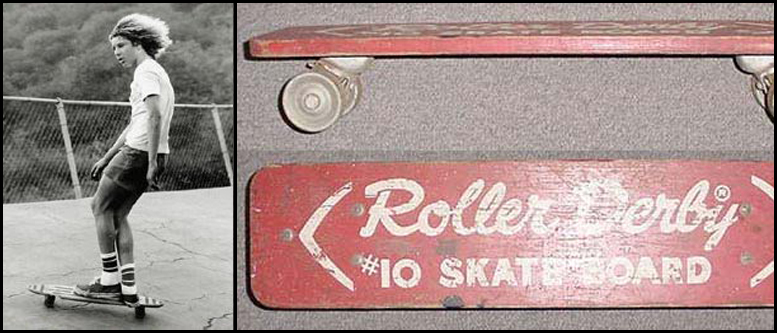
This led to the rudimentary beginnings of what we now recognize as skateboarding. They would attach roller skate wheels to wooden boards, often crafted from simple planks, creating a primitive but functional device for gliding down streets and hills.
This DIY approach quickly caught the attention of entrepreneurs. They saw the potential in this nascent activity and began to formalize the manufacturing process. The initial boards were crude, often made from solid wood with metal or clay roller skate wheels that offered little grip and a jarring ride.
However, these early efforts were crucial in establishing the very concept of a skateboard as a distinct product. The demand, though small, was growing, fueled by a generation eager for new forms of recreation and expression. This era was characterized by a spirit of experimentation, where form followed function out of necessity, laying the groundwork for future specialized designs and materials.
The Influence Of Surfing Culture
The deep connection between surfing and skateboarding cannot be overstated. Many of the early skateboard companies were founded by individuals with strong ties to the surf industry. They understood the dynamics of riding a board on a fluid surface and sought to replicate that feeling on solid ground.
This influence is evident in the early designs, which often resembled miniature surfboards, and in the marketing, which frequently invoked the freedom and exhilaration associated with catching waves. The lifestyle and terminology of surfing also permeated early skate culture, creating a shared identity between the two sports.
This symbiotic relationship was a powerful engine for early growth, allowing skateboarding to tap into an existing passionate community.
Early Innovations And Materials
The evolution of skateboarding was significantly driven by technological advancements, particularly in wheel technology. The earliest boards used steel or clay roller skate wheels. These were prone to locking up, offered poor traction, and delivered a very rough ride. The breakthrough came in the 1970s with the development of polyurethane wheels. Frank Nasworthy’s Cadillac Wheels popularized this innovation, which offered superior grip, durability, and a smoother ride. This innovation transformed skateboarding, making it more controllable and opening the door to more complex tricks and maneuvers. The introduction of lighter, stronger deck materials and improved truck (axle) designs also played a vital role in refining the skateboard into a more specialized piece of equipment.
Credit: www.skatedeluxe.com
The Pioneers: Identifying The Oldest Skateboard Companies
Pinpointing the absolute “oldest” can sometimes be a matter of definition, continuous operation, first to market, or first to incorporate. However, when considering companies that have maintained a significant presence and are still active today, one name consistently emerges at the forefront of skateboarding’s early history.
Makaha: The Enduring Legacy
Makaha is widely credited as the oldest continuously operating skateboard company in the world. Founded in 1963 by Larry Stevenson, Makaha began as a surf brand, but quickly recognized the burgeoning potential of skateboarding. Stevenson, a surfer and inventor, is also closely associated with the kicktail and early professional skateboarding promotion, both of which were major steps forward for the sport. Makaha boards were among the first to be mass-produced and widely distributed, bringing skateboarding to a broader audience. Their early marketing campaigns, featuring images of surfers and emphasizing the “surf the streets” mentality, were highly effective. Makaha’s commitment to quality and innovation in its early years helped establish skateboarding as a legitimate sport and a viable industry. Their enduring presence is a testament to their foundational role in skate culture.
Other Early Contenders And Key Players
While Makaha holds a prominent position, several other companies were instrumental in the formative years of skateboarding, some of which were founded around the same time or slightly earlier, though their continuous operation or market impact might differ.
-
- Lanai Skateboards (1959): Often cited as one of the very first companies to produce skateboards specifically for sale, Lanai was established in California. They produced boards with roller skate wheels, catering to the early demand.
- Val Surf (1960): Another early California-based company with surf roots, Val Surf was among the first to sell skateboards and related equipment. They were a key retailer and distributor in the early days.
- Gordon & Smith (G&S) (1960s): Founded by Larry Gordon and John Smith, G&S became a major force in both surfing and skateboarding. They were known for their high-quality boards and played a significant role in sponsoring early skate talent and events. Their contributions to board design and manufacturing were substantial.
- Popsicle Pete (1960s): While not a company in the traditional sense, “Popsicle Pete” was a popular brand of skateboard that emerged in the early 1960s, known for its distinctive design and widespread availability.
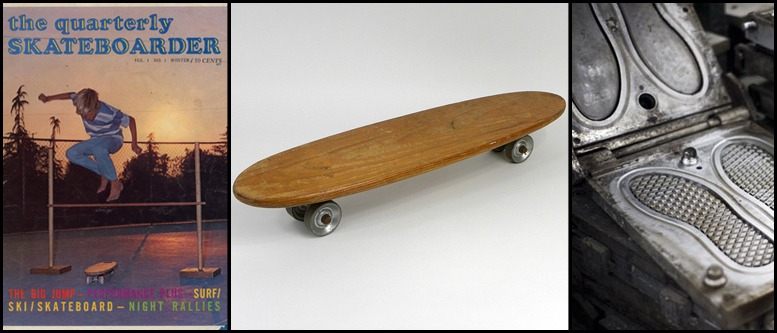
These early companies, along with many others that emerged in the mid-1960s, were crucial in developing the market. They experimented with designs, materials, and marketing, often drawing heavily from the surf industry’s established practices. The fierce competition and rapid innovation of this period laid the foundation for the diverse and dynamic skateboard industry we see today.
Credit: www.skatedeluxe.com
The Golden Age And The First Skateboarding Boom (mid-1960s)
The mid-1960s marked the first significant surge in skateboarding’s popularity, often referred to as the “first boom.” This period saw skateboarding move from a niche activity among surfers to a more mainstream craze, complete with its own stars, competitions, and media.
The companies that were established or gaining traction during this era were pivotal in capitalizing on this burgeoning interest.
Rise Of Competitions And Media
As more people took to skateboarding, the need for organized events became apparent. The first official skateboarding competitions began to appear in the mid-1960s. These events not only showcased the evolving skills of skaters but also provided a platform for companies to demonstrate their products. Brands like Makaha, G&S, and Popsicle Pete were actively involved in sponsoring these early contests.
Simultaneously, skateboarding began to gain visibility in popular media. The Quarterly Skateboarder, launched in 1964 and later renamed Skateboarder Magazine, provided crucial coverage, featuring articles on techniques, profiles of top skaters, and product reviews. These publications were instrumental in disseminating information and fostering a sense of community among skaters across different regions. They also served as vital advertising channels for the burgeoning companies, allowing them to reach a wider audience.
Technological Advancements And Board Design
The rapid growth in popularity also spurred further innovation in board design and manufacturing. Companies began to move away from simple wooden planks and experimented with more sophisticated shapes and materials.
-
- Deck Materials: While wood remained the primary material, manufacturers started exploring different types of wood and construction techniques to create lighter and more durable decks.
- Wheel Evolution: The limitations of metal and clay wheels became increasingly apparent as skaters pushed the boundaries of what was possible. This era set the stage for the later development of polyurethane wheels, which would revolutionize the sport.
- Trucks and Bearings: Improvements were also made to the trucks (axles) that held the wheels, allowing for better turning capabilities. The development of more efficient bearings reduced friction, leading to faster and smoother rides.
This period of intense development, fueled by both technological progress and increasing consumer demand, firmly established skateboarding as a distinct activity with its own specialized equipment, manufactured by a growing number of dedicated companies.
The Drought And The Rebirth: The 1970s Revolution
Following the initial boom, skateboarding experienced a decline in popularity through the late 1960s and early 1970s. This period, often called the “drought,” saw many companies fold, and interest waned significantly. However, this lull was not the end; it was a prelude to a massive resurgence driven by a groundbreaking innovation: polyurethane wheels.
The Polyurethane Wheel Game-changer
The introduction of polyurethane wheels in the early 1970s, pioneered by Frank Nasworthy and Cadillac Wheels, was arguably the single most important development in skateboarding history. Unlike the slippery, hard wheels of the past, polyurethane offered unprecedented grip, durability, and a smoother ride. This single innovation transformed skateboarding from a precarious activity into something far more controllable and versatile.
-
- Improved Traction: Skaters could now carve turns with confidence, lean into banks, and perform maneuvers that were previously impossible or incredibly dangerous.
- Smoother Ride: The shock-absorbing qualities of polyurethane made riding on rougher surfaces more comfortable and less jarring.
- Durability: These wheels lasted significantly longer than their predecessors, making skateboarding more accessible and cost-effective.
This technological leap directly led to the emergence of new styles of skateboarding, such as vert skating and freestyle, and fueled the second, much larger, skateboarding boom.
Emergence Of New Brands And Styles
The polyurethane revolution breathed new life into the industry. Many existing companies adapted, while entirely new brands emerged, eager to capitalize on the renewed interest and the possibilities offered by the new wheels. Companies that embraced this change and focused on producing high-quality equipment tailored to the evolving sport thrived.
-
- New Deck Designs: Decks became wider, shorter, and often featured concave shapes to provide skaters with better control and leverage for tricks. The development of stronger, lighter plywood constructions also became standard.
- Specialized Equipment: The focus shifted towards creating equipment that facilitated specific styles of skating. This led to the development of specialized trucks designed for grinding and a wider variety of wheel shapes and durometers (hardness levels).
- Skateparks: The growing popularity and the ability to perform more complex maneuvers led to the construction of the first dedicated skateparks, further solidifying skateboarding’s infrastructure and appeal.
Companies like Powell-Peralta, Santa Cruz, and Vision rose to prominence during this era, becoming synonymous with the innovation and energy of the 1970s and 80s skateboarding scene. While not the oldest in terms of founding date, their impact on shaping modern skateboarding is undeniable and they represent the rebirth of the industry.
Comparison Of Early Skateboard Companies
To better understand the landscape of early skateboard manufacturing, here’s a look at some of the key companies and their contributions:
| Company Name | Approximate Founding Year | Key Contributions | Current Status |
|---|---|---|---|
| Lanai Skateboards | 1959 | One of the first to produce skateboards specifically for sale. | Defunct |
| Val Surf | 1960 | Early retailer and distributor, sold skateboards. | Still operational as a surf/skate shop. |
| Gordon & Smith (G&S) | Early 1960s | High-quality boards, influential in design and sponsorships. | Still operational, though with a different market focus. |
| Makaha | 1963 | Mass production, kicktail patent, widespread distribution. | Still operational. |
| Cadillac Wheels | Early 1970s | Pioneered polyurethane skateboard wheels. | Brand acquired, but the innovation was foundational. |
This table highlights how quickly the industry evolved, with early pioneers paving the way for later innovators. While some original companies have faded, their impact remains embedded in the DNA of modern skateboarding.
The Enduring Impact Of Early Brands
The companies that pioneered skateboarding did more than just manufacture equipment; they were instrumental in shaping the culture, fostering the community, and driving the evolution of the sport. Their early innovations, from the basic design of the board to the crucial development of wheel technology, laid the essential groundwork for everything that followed.
The legacy of brands like Makaha and Gordon & Smith can be seen in the very DNA of contemporary skateboarding. They proved that skateboarding could be a viable commercial enterprise, encouraging investment and further innovation. The spirit of experimentation that defined these early companies continues to be a driving force in the industry today. Whether it’s through the development of new composite materials, advanced truck geometries, or sustainable manufacturing practices, the pursuit of better performance and rider experience remains paramount.
Furthermore, the early marketing and sponsorship efforts by these pioneers helped to create the first skate heroes and establish skateboarding as a lifestyle. They understood the importance of community and connection, sponsoring local events and supporting riders who embodied the burgeoning skate ethos.
This early focus on culture and identity has remained a cornerstone of skateboarding, distinguishing it from many other sports. Even as the industry has grown and diversified, the foundational principles established by these early pioneers continue to resonate, reminding us of the rich history and enduring spirit of skateboarding.
Frequently Asked Questions
Who Is Considered The Father Of Skateboarding?
Larry Stevenson is often referred to as the “father of skateboarding” due to his significant contributions. He founded Makaha in 1963, one of the earliest and most influential skateboard companies. Stevenson is also associated with the kicktail, a crucial innovation that allowed for many of the tricks skateboarders perform today. His early efforts in mass-producing skateboards and promoting the sport were pivotal in its development.
What Were The First Skateboard Wheels Made Of?
The very first skateboard wheels were often repurposed roller skate wheels, typically made of metal or clay. These early wheels offered very poor grip and a rough ride, significantly limiting the capabilities of early skaters. The major breakthrough came in the early 1970s with the introduction of polyurethane wheels, which revolutionized the sport by providing vastly improved traction and a smoother experience.
When Did Skateboarding Become Popular For The First Time?
Skateboarding experienced its first major surge in popularity in the mid-1960s. This “first boom” was fueled by increased media attention, the emergence of the first skateboarding magazines, and the organization of early competitions. Surfing culture’s influence was strong during this period, with many early companies having surf roots. This era saw skateboarding move from a niche activity to a more mainstream craze before experiencing a decline in the late 1960s.
How Did Surfing Influence Early Skateboarding?
Surfing had a profound influence on early skateboarding. The sport originated with surfers seeking a way to simulate riding waves on land during flat-spell days. This connection is reflected in the early designs of skateboards, which often resembled miniature surfboards.
The lifestyle, terminology, and the very spirit of freedom and experimentation associated with surfing were directly transferred to early skateboarding culture. Many of the first skateboard companies were founded by surfers or surf-related businesses, further cementing this relationship.
Are There Any Original Skateboard Companies Still Operating Today?
Yes, several companies from the early days of skateboarding are still in operation today, though their market focus and product lines may have evolved. Makaha, founded in 1963, is one of the most prominent examples of an original company that has maintained continuous operation. Val Surf, established in 1960, continues to operate as a surf and skate shop. Gordon & Smith (G&S), a key player from the early 1960s, also remains active, carrying on its legacy in the industry. These enduring brands are a testament to the foundational role they played in establishing and sustaining the skateboard market.
The journey from rudimentary wooden planks with roller skate wheels to the sophisticated, high-performance skateboards of today is a testament to decades of innovation, passion, and cultural evolution. While the exact definition of “oldest” can be debated, companies like Makaha stand as undeniable pioneers, having not only been among the first to market but also maintaining a continuous presence that bridges the sport’s nascent stages with its global prominence. Their early efforts, alongside those of other foundational brands, were critical in shaping the equipment, the culture, and the very identity of skateboarding. Understanding this lineage provides a deeper appreciation for the sport and the enduring legacy of its originators.