How to Skateboard for Beginners: Essential Tips to Get Started
Learning to skateboard is like unlocking a new world. You see people riding smoothly, turning fast, and even doing tricks—but it all starts with the basics. If you’re new, skateboarding can feel scary. But with the right steps, gear, and mindset, you’ll progress faster than you expect.
This guide will help you avoid beginner mistakes, understand what really matters, and get rolling safely and confidently.
Choosing Your First Skateboard
Not all skateboards are the same. Picking the right board will make learning much easier.
Types Of Skateboards
Most beginners start with a standard skateboard. These are best for learning basic skills. Longboards and cruisers are good for just riding, but not for tricks.
| Type | Best For | Deck Size |
|---|---|---|
| Standard | Tricks, park, street | 7.5″-8.5″ |
| Longboard | Cruising, downhill | 8.5″-10″ |
| Cruiser | Commuting, casual rides | 7″-9″ |
For most beginners, choose a standard skateboard with a deck width around 8 inches. Smaller feet may prefer 7.5-8 inches, larger feet can go up to 8.5 inches.
What To Look For
- Deck: Made from maple wood, with grip tape on top.
- Trucks: Metal pieces under the board. They should be tight for beginners.
- Wheels: Softer wheels (78A–90A) are easier to control at first.
- Bearings: Rated by ABEC; ABEC 5 or 7 is good for beginners.
Buying a cheap board from a toy store is a common mistake. These boards break easily and feel unstable. Spend around $60–$120 for a starter setup.
Safety Gear And Preparation
Skateboarding has risks, especially for beginners. Protecting yourself is smart, not weak.
Essential Safety Gear
- Helmet: Always wear a certified skate helmet. Head injuries are serious.
- Knee pads: Save your knees from falls.
- Elbow pads: Prevent scrapes and bruises.
- Wrist guards: Most beginner falls lead to wrist injuries.
Experienced skaters sometimes skip pads, but most injuries happen to people just starting. Even Tony Hawk recommends full protection for beginners.
Dress For Success
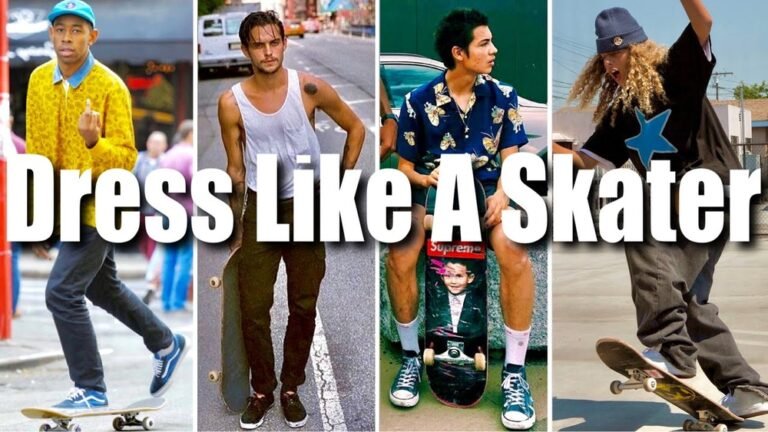
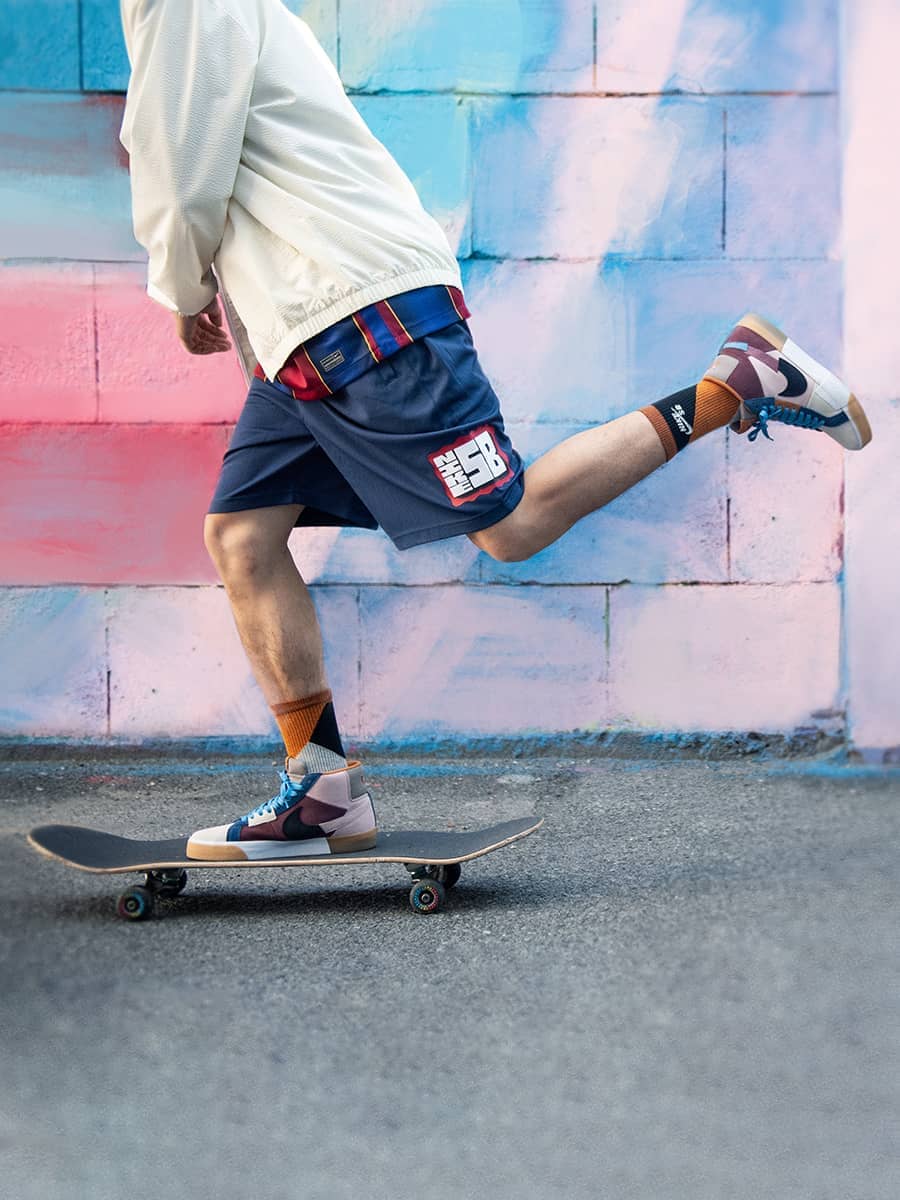
Wear comfortable clothes. Loose jeans or shorts, and a t-shirt. Skate shoes are best because they have flat soles for grip.
Finding The Right Place To Learn
Where you skate matters. Smooth, safe spots help you focus.
- Empty parking lots: Flat and open, fewer cars.
- Driveways: If smooth, these are perfect for practicing balance.
- Skateparks: Great for meeting other skaters, but can be intimidating. Go early when it’s less crowded.
Avoid rough roads, steep hills, and busy streets. Cracks and bumps can throw you off balance.
Basic Stance And Balance
Before rolling, you must find your stance. Are you regular (left foot forward) or goofy (right foot forward)? Stand on the board on grass or carpet to test. Whichever feels natural is your stance.
How To Stand
- Place your front foot just behind the front bolts.
- Back foot on the tail (the raised end).
- Knees slightly bent.
- Shoulders facing forward.
Balance is key. Try rocking side to side without rolling. Practice stepping on and off until it feels comfortable.

Credit: www.wikihow.com
How To Push And Roll
Now you’re ready to move. Pushing is how you get speed.
Steps To Push
- Stand with your front foot on the board.
- Use your back foot to push off the ground.
- Place your back foot on the tail after each push.
- Keep knees bent and head up.
Don’t push with your front foot—this is called “mongo” pushing and makes learning tricks harder later.
Most beginners push too hard and lose balance. Start with gentle pushes and build confidence.
Practice Stopping
Before going fast, learn to stop safely.
- Foot brake: Step your back foot off and drag it on the ground.
- Heel drag: Gently press your heel on the tail to slow down (can wear out your shoes).
- Rolling stop: Lean forward and step off while rolling slowly.
Practice stopping as much as pushing. It prevents falls and builds control.
Turning And Carving
Turning is called carving in skateboarding. You don’t need to lift the board; just shift your weight.
How To Turn
- Lean your body toward the direction you want to go.
- Press your toes down to turn left (for regular stance).
- Press your heels down to turn right.
- Keep your arms out for balance.
Turning feels awkward at first. Start with gentle curves. Practice on smooth surfaces with space.
Kickturns
Kickturns let you turn sharply by lifting the front wheels.
- Put weight on the tail to lift the front.
- Twist your shoulders and hips in the direction you want to turn.
- Set the front wheels down gently.
Kickturns are useful for changing direction on ramps or avoiding obstacles.

Credit: www.youtube.com
Learning To Fall Safely
Falling is part of skateboarding. Learning to fall can prevent injuries.
Tips For Safe Falling
- Try to roll, not land flat. Tuck your arms and shoulders.
- Don’t stick out your hands straight—bend elbows to avoid wrist injuries.
- Wear pads to protect knees and elbows.
- Practice falling on grass to build confidence.
A study from the American Academy of Pediatrics shows 60% of skateboard injuries are from falls. Learning to fall smart reduces risk.
Practicing Basic Tricks
Once you can roll and turn, you can try simple tricks.
The Ollie
The ollie is the foundation for most tricks.
- Place your front foot near the middle, back foot on the tail.
- Push down hard on the tail to pop the board up.
- Slide your front foot up as the board rises.
- Jump and let the board follow your feet.
Most beginners struggle with timing. Practice stationary ollies before rolling.
Other Easy Tricks
- Manual: Balance on the back wheels while rolling.
- Shuvit: Pop the board and spin it 180 degrees under your feet.
- Board slide: Slide the board along a rail (only try in skateparks with supervision).
Don’t rush tricks. Master balance, pushing, and turning first. Tricks are easier when you feel comfortable on the board.
Common Beginner Mistakes
Learning faster means avoiding mistakes that hold most new skaters back.
- Poor gear: Using toy boards or skipping pads leads to accidents.
- Pushing mongo: Push with your back foot, not your front.
- Skipping basics: Don’t try tricks before you can balance and stop.
- Practicing on rough surfaces: Choose smooth ground.
- Ignoring safety: Wear your helmet and pads every session.
Many beginners overlook the importance of stance and pushing technique. Fixing these early makes everything easier later.
Building Confidence And Progress
Improvement comes with practice and patience. Even top skaters struggled at first.
How To Stay Motivated
- Set small goals: Rolling 10 meters, turning smoothly, stopping safely.
- Watch tutorial videos from real skaters.
- Skate with friends or join a local group.
- Record yourself to see progress.
Beginners often think they should be “good” after a few days. In reality, progress is slow but steady. Most people take several weeks to feel comfortable.
How Often Should You Practice?
Skateboarding is a skill sport. Practice 3–4 times a week, even for 20 minutes. Consistency beats long sessions once a month.
Comparing Skateboarding To Other Sports
Skateboarding builds balance, strength, and confidence. It burns about 300–500 calories per hour, depending on activity.
| Sport | Calories Burned (1 hr) | Main Skills |
|---|---|---|
| Skateboarding | 300–500 | Balance, coordination |
| Running | 600–900 | Stamina |
| Cycling | 400–800 | Leg strength |
| Soccer | 350–650 | Agility, teamwork |
Skateboarding is unique because it’s both sport and creative art. You can learn solo or with friends, and you set your own goals.
Real-life Example: Beginner Progress
A 2023 survey from the Skatepark Project found that 60% of new skaters learned to roll and turn within their first month. Most felt more confident after 10–15 practice sessions.
It’s normal to feel frustrated or scared. But every session builds skill. Many beginners notice a big change after just a few weeks.
Useful Resources
If you want to learn more or see pro tips, visit SkateboardersHQ for guides and advice.
Frequently Asked Questions
How Long Does It Take To Learn Skateboarding Basics?
Most beginners can roll, turn, and stop after 2–4 weeks of regular practice. Progress depends on how often you skate and your comfort level.
What Is The Best Age To Start Skateboarding?
There’s no perfect age. Kids as young as 5 can start with supervision and pads. Teens and adults can learn too. Confidence matters more than age.
Can I Learn To Skateboard Alone?
Yes, many people start solo. Watching video tutorials and practicing in safe places works well. Joining a local skate group can help you stay motivated.
Is Skateboarding Dangerous?
Like any sport, there’s risk. Wearing pads and a helmet reduces injuries. Most accidents are minor (scrapes, bruises). Learning to fall safely and practicing in smooth areas lowers risk.
How Do I Choose The Right Skateboard Size?
For most beginners, choose a deck 7. 5–8. 5 inches wide. Match the size to your shoe size and comfort. Try standing on boards in a shop before buying.
Skateboarding is about progress, not perfection. With patience and smart practice, you’ll enjoy every session and see steady improvement. The first steps are the hardest, but each day brings new skills and confidence.
Credit: www.nike.com