Is It Illegal to Skateboard in the Street? Laws You Need to Know
Skateboarding is more than just a sport; for many, it’s a way to travel, relax, or socialize with friends. But whether you’re cruising through city streets or practicing tricks downtown, you may have wondered: Is it illegal to skateboard in the street? This question isn’t as simple as it sounds. Laws can change from one city to another, and what’s allowed in one place might get you a ticket in another. Knowing the rules helps you stay safe—and avoid trouble with the law. This article breaks down where and when you can legally skateboard in the street, how laws differ by location, what risks you face, and what every skater should know before rolling into traffic.
Understanding Street Skateboarding Laws
Local Laws Are King
Skateboarding laws are not the same everywhere. In the United States, local governments—cities, towns, or counties—usually decide where you can skateboard. Some cities welcome street skateboarding, while others ban it on certain roads or downtown areas.
For example, in Los Angeles, skateboarding on sidewalks is allowed, but not on busy streets. In New York City, skateboarding is legal on streets as long as you follow traffic rules, but you can’t skate on sidewalks in business districts. In smaller towns, you might find few or no rules at all.
State And Federal Regulations
There is no federal law in the United States that bans skateboarding in the street. State laws are rare and usually focus on safety or helmet requirements. The real power lies with city or county ordinances.
Common Restrictions
Some of the most common street skateboarding restrictions include:
- No skateboarding on main roads or highways
- Bans in business or shopping districts
- No skating during certain hours (like late at night)
- Required use of helmets or safety gear for minors
If you’re unsure about your local laws, check your city’s official website or ask your local police station.
Why Are There Restrictions On Street Skateboarding?
Safety First
City officials often restrict street skateboarding to protect both skaters and drivers. Skateboards are smaller and quieter than cars or bikes, making them harder for drivers to see. Skating in traffic can lead to accidents, injuries, or worse.
According to the National Highway Traffic Safety Administration (NHTSA), thousands of skateboard-related injuries happen in the US each year. A large number of these occur on roads shared with cars.
Property And Business Concerns
Some businesses worry that skateboarding on sidewalks or near storefronts can scare away customers or damage property. This is why many downtown areas ban skateboarding during business hours or altogether.
Insurance And Liability
Cities also worry about legal liability. If a skater is injured on public property, the city might be held responsible. Limiting where you can skate helps reduce legal risks for local governments.
Credit: veymax.com
How Different Places Treat Skateboarding In The Street
Laws change quickly depending on where you are. Here’s a look at how some major US cities handle street skateboarding:
| City | Street Skateboarding | Sidewalk Skateboarding | Notes |
|---|---|---|---|
| Los Angeles, CA | Not allowed on main roads | Allowed except business districts | Helmets required under 18 |
| New York, NY | Allowed, must follow bike laws | Banned in business zones | Skateparks available citywide |
| San Francisco, CA | Allowed, but restricted on steep streets | Allowed except crowded areas | Curfew after 10 PM |
| Portland, OR | Allowed, must follow bike rules | Allowed, yield to pedestrians | Helmets required under 16 |
You can see how each city has its own approach. Even within the same state, one city might have strict bans while the next city over has no rules at all.
Comparing Skateboarding To Other Street Activities
Skateboarding is often compared to biking, rollerblading, or riding a scooter. But laws are not always the same for each. Here’s a quick comparison of common street activities:
| Activity | Usually Allowed on Streets? | Usually Allowed on Sidewalks? | Typical Restrictions |
|---|---|---|---|
| Skateboarding | Sometimes | Sometimes | Helmet laws, business districts bans |
| Bicycling | Yes | Rarely | Must follow all traffic laws |
| Electric Scooters | Yes (with speed limit) | Rarely | Age limits, speed limits |
| Rollerblading | Sometimes | Yes | Helmet laws, pedestrian priority |
Skateboarders often face more street bans than cyclists, mainly because skateboards are less stable and have no brakes. This makes them riskier in fast traffic.
What Happens If You Skateboard In The Street Illegally?
Possible Penalties
If you skateboard in a place where it’s not allowed, you may face:
- Warnings from police or security
- Fines (from $25 up to $250, depending on the city)
- Confiscation of your skateboard
- Community service (rare, but possible for repeat offenses)
The first time you’re stopped, most officers will give a warning. Repeat violations can lead to bigger penalties.
Real-world Example
In Santa Monica, California, police issue $100 fines for skateboarding on certain busy streets. In Chicago, city officials may take your skateboard if you ignore repeated warnings.
Non-obvious Insight
Many skaters don’t realize that fines can also increase if you resist police or argue. Keeping calm and respectful can save you money—and your board.
Safety Tips For Street Skateboarding
Even in cities where street skateboarding is allowed, safety is a huge concern. Here are some ways to protect yourself:
- Wear a helmet and pads, even if not legally required.
- Use lights or reflective gear at night.
- Obey all traffic laws—stop at red lights, yield to cars, use hand signals.
- Stay alert for doors opening from parked cars (a common hazard).
- Avoid headphones—you need to hear traffic around you.
- Skate with a friend if possible, especially at night.
Many injuries happen because skaters assume cars will see them. But drivers often miss fast-moving skaters, especially in low light or busy areas.
How To Find Legal Places To Skate
If your city restricts street skateboarding, don’t worry—there are still options.
- Public skateparks: Most cities have at least one. These are the safest and most legal places to skate.
- Designated skate zones: Some cities allow skating on certain side streets or in parks.
- Schoolyards or empty parking lots: These can be legal after hours, but always check for “No Skateboarding” signs.
- Bike lanes: In some cities, skateboarders can use bike lanes, but must follow the same rules as cyclists.
Never assume a space is legal just because you see others skating there. Check for posted rules or ask a local skater.
Common Myths About Skateboarding Laws
Skateboarding laws are surrounded by myths. Here are a few to be aware of:
- “If there’s no sign, it’s allowed.” Not true. Many cities ban skateboarding in certain areas even if there’s no posted sign. Police can enforce city laws regardless of signs.
- “Skateboarding is always illegal on the street.” Not true. Many cities allow it under certain conditions.
- “You can’t get fined for skateboarding.” Yes, you can, especially if you’re skating where it’s not allowed.
- “Sidewalks are always legal for skateboarding.” Sidewalk rules change from city to city. In some places, skating on the sidewalk is banned, especially downtown.
Knowing the facts helps you avoid tickets and arguments.
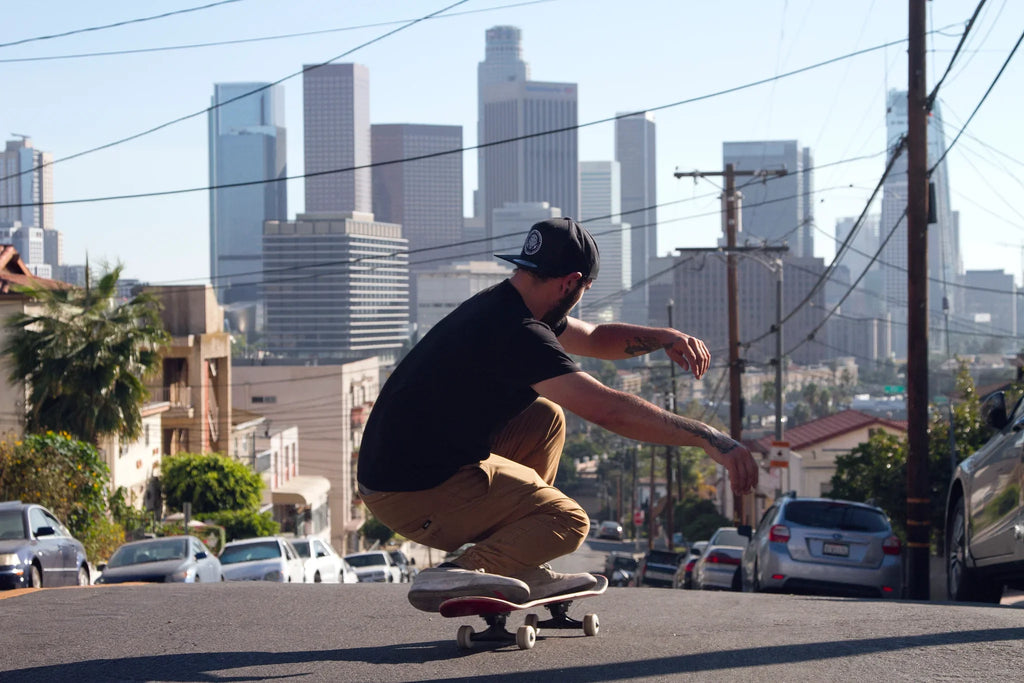
Credit: www.thesupplynetwork.co.uk
International Street Skateboarding Laws
Skateboarding isn’t just popular in the United States. Many other countries have their own laws.
- In Canada, most cities allow skateboarding on streets if you obey traffic laws.
- In the UK, skateboarding is usually banned from busy roads and some public spaces.
- In Australia, street skateboarding is often allowed, but helmet use is required for all ages.
Some European cities are very strict about public skating, while others are relaxed. Always check local rules before traveling with your board.
What To Do If You Get A Ticket
If you get a ticket for illegal skateboarding:
- Stay polite. Arguing never helps.
- Ask for details about the law you broke.
- Check the ticket for mistakes—wrong location or date can help you dispute it.
- Pay the fine or appear in court as required.
- Learn the law so it doesn’t happen again.
In some cities, you can attend safety classes to reduce or dismiss your fine.
Credit: www.sallymorinlaw.com
The Future Of Street Skateboarding Laws
As skateboarding grows in popularity, more cities are updating their laws. Some are building new parks, while others are opening up streets for “shared use” with bikes and skaters. The Olympic debut of skateboarding has also helped change public opinion.
However, accidents and complaints still lead to new bans, so staying informed is important.
For more details on city-specific skateboarding laws, you can check resources like the Wikipedia page on Skateboarding Regulation.
Frequently Asked Questions
Can I Skateboard On The Street In Most Us Cities?
Not always. Many cities allow skateboarding on quieter streets but ban it on busy roads or highways. Always check your local city ordinances before skating in the street.
What Happens If I Get Caught Skateboarding Where It’s Not Allowed?
You may get a warning, a fine, or even have your skateboard taken away. Some cities issue higher fines for repeat offenses.
Are There States Where Skateboarding In The Street Is Always Illegal?
No US state completely bans street skateboarding, but some have helmet laws or restrict skating on certain types of roads. City rules are much more important than state laws.
Is It Safer To Skateboard On The Sidewalk Or Street?
It depends on the area. Sidewalks are safer from cars but can be crowded with pedestrians. Streets are riskier but may be allowed in some places. Always choose the safest legal option.
Where Can I Find Information About My City’s Skateboarding Laws?
The best way is to check your city government’s official website or ask at your local police station. Skateshops and skateparks often have information too.
Skateboarding is fun and gives you freedom, but knowing the law is part of being a smart skater. Whether you’re a beginner or a seasoned pro, stay informed, stay safe, and you can enjoy the ride without worry.