Am I Too Old to Start Skateboarding? Unlock Your Potential Today
Skateboarding is often seen as a young person’s sport. You might picture teens at skate parks, learning new tricks and falling over again and again. But maybe you are wondering, am I too old to start skateboarding? If you are, you’re not alone. Many adults have this question. The truth is, age is not a barrier if you have the right mindset, realistic expectations, and some basic knowledge. In this article, we’ll explore what it’s like to start skateboarding as an adult, what challenges you might face, and how you can enjoy the sport no matter your age.
Skateboarding And Age: The Real Story
Skateboarding began in the 1950s and has grown into a worldwide sport. Today, there are skateboarders of all ages, from kids under 10 to adults over 60. According to a 2022 survey by the International Association of Skateboard Companies, about 23% of skateboarders in the US are over 25 years old.
Most skateboarders start young, but that doesn’t mean you have to. Some famous skaters, like Tony Hawk, are still skating in their 50s. In fact, more adults are picking up skateboards than ever before, especially after skateboarding became an Olympic sport in 2021.
Data Snapshot: Skateboarding Age Groups
Here’s a breakdown of skateboarding participation by age in the US:
| Age Group | % of Skateboarders |
|---|---|
| Under 18 | 54% |
| 18–24 | 23% |
| 25–34 | 14% |
| 35+ | 9% |
While younger people make up the biggest group, there are thousands of adults who skateboard for fun, fitness, or even competition.
Why Adults Start Skateboarding
Many adults begin skateboarding for different reasons:
- Fitness and health: Skateboarding burns calories, builds balance, and strengthens muscles.
- Stress relief: The sport helps clear your mind and reduce anxiety.
- Community: Skate parks and groups welcome people of all ages.
- Personal challenge: Learning a new skill feels rewarding, no matter your age.
Some adults never had the chance to skate as kids. Others return after years away. For many, skateboarding is a way to reconnect with childhood or simply have fun outdoors.

Credit: www.youtube.com
Common Concerns For Older Beginners
If you’re thinking about starting, you might worry about:
- Injury risk
- Physical limitations
- Social stigma (“Will people laugh at me?”)
- Learning curve
Let’s look at each concern more closely.
Injury Risk
It’s true that skateboarding comes with risks. Falls are common. However, studies show that most injuries are minor, like bruises or sprains. Serious injuries are rare, especially if you wear protective gear and avoid risky tricks.
A 2023 report from the National Safety Council found that skateboard injuries among adults have decreased by 12% over the past decade, mostly due to better safety equipment and education.
Physical Limitations
Adults may have less flexibility and slower recovery than teenagers. But skateboarding doesn’t demand extreme athleticism for basic skills. You can progress at your own pace and choose styles that suit your body.
Social Stigma
Some worry about feeling out of place at skate parks. In reality, most skaters respect beginners of any age. Many skate parks have “adult nights” or beginner sessions. As long as you are polite and follow park rules, you’ll be welcomed.
Learning Curve
Learning to skateboard is harder as an adult because you may be more cautious. However, you also have more patience and discipline. Adults often learn safer, smarter, and progress steadily.
Skateboarding Styles For Adults
Skateboarding has many styles, and some are more beginner-friendly for adults:
| Style | Difficulty | Best for Adults? |
|---|---|---|
| Street | High | Sometimes |
| Vert (ramps) | Very High | Rarely |
| Cruising | Low | Yes |
| Longboarding | Low | Yes |
| Flatground tricks | Medium | Maybe |
Cruising and longboarding are easier, less risky, and great for fitness. If you want to learn tricks, start with flatground basics before moving to ramps or rails.

Credit: www.reddit.com
How To Start Skateboarding As An Adult
1. Choose The Right Board
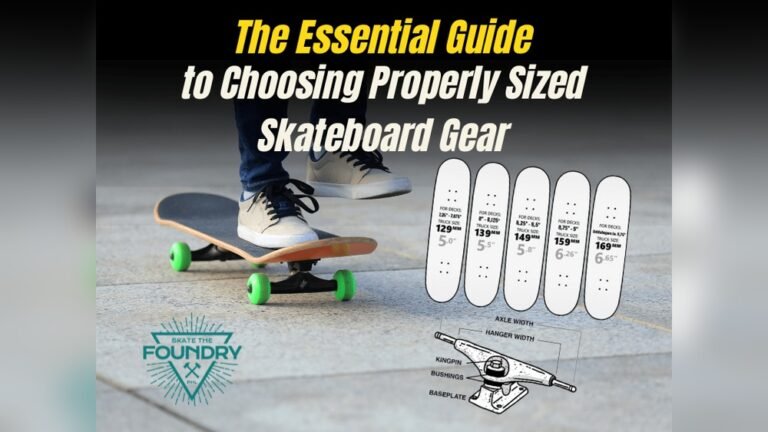
Adult beginners should pick a sturdy skateboard with wider decks for stability. Longboards are good for cruising. Regular skateboards work for tricks.
2. Wear Protective Gear
Always use helmet, elbow pads, knee pads, and wrist guards. Gear reduces injury risk and builds confidence.
3. Start Slow And Practice Basics
Practice balance, pushing, and turning. Don’t rush into tricks. Focus on comfort and control first.
4. Find The Right Location
Look for smooth pavement, empty parking lots, or beginner-friendly skate parks. Avoid crowded or rough areas until you feel comfortable.
5. Take Lessons Or Join Groups
Many cities offer skateboarding classes for adults. Local skate groups can provide support and tips.
6. Listen To Your Body
Warm up, stretch, and rest if you’re tired. Don’t ignore pain. Progress at your own speed.
7. Track Your Progress
Set small goals, like riding a certain distance or mastering a basic turn. Celebrate improvements.
Example: Adult Beginner Story
Sarah, age 39, started skateboarding during the pandemic. She joined a local skate group, wore full protective gear, and practiced basic moves for two months. After six months, she could cruise confidently, ride ramps, and had made new friends. Sarah says, “I wish I’d started earlier, but it’s never too late.
Skateboarding gave me confidence and a sense of freedom. ”
Key Benefits For Older Skateboarders
Skateboarding offers unique benefits for adults:
- Improved balance: Helps prevent falls and injuries in daily life.
- Mental boost: Learning new skills increases motivation and happiness.
- Social connection: Skateboarding communities are welcoming and diverse.
- Fitness: Burns about 300 calories per hour for moderate skating.
These benefits are especially important as you age. Even simple cruising can improve your overall health and mood.
Mistakes Adult Beginners Make (and How To Avoid Them)
1. Skipping Safety Gear
Never skate without a helmet and pads. Many adult injuries happen because people skip gear, thinking it looks “uncool. ”
2. Trying Advanced Tricks Too Soon
Start with basics. Don’t compare yourself to younger skaters or try risky moves before you’re ready.
3. Ignoring Warm-ups
Stretch and warm up before skating. This lowers injury risk and improves performance.
4. Not Asking For Help
If you’re unsure, ask experienced skaters or take lessons. Most people are happy to help.
5. Giving Up Too Quickly
Progress can be slow. Don’t quit after a few falls. Small steps add up.
Skateboard Types: What’s Best For Adults?
Choosing the right skateboard matters. Here’s a quick comparison:
| Type | Length | Main Use | Best For |
|---|---|---|---|
| Standard | 28–32″ | Tricks | Learning tricks |
| Longboard | 35–45″ | Cruising | Easy riding |
| Cruiser | 25–30″ | Commuting | Short trips |
Longboards and cruisers are often better for beginners, especially adults. They offer more stability and smoother rides.
Realistic Expectations And Motivation
Adults often want quick results, but skateboarding takes time. Accept that progress is slow, and don’t compare yourself to others. Celebrate small wins—like learning to balance or ride confidently.
Set goals based on your needs:
- Ride for 20 minutes without stopping
- Learn to turn smoothly
- Cruise through your neighborhood
Motivation can fade after the first few weeks. Try skating with friends, watching skate videos, or joining local events.

Credit: www.reddit.com
Two Insights Beginners Often Miss
- Falling is part of learning. Adults often fear falling more than kids. But safe falls (with gear) help build confidence. Learning to fall correctly—by rolling or sliding—reduces injury risk.
- Flexibility matters more than strength. Older beginners focus on muscle, but flexibility and balance are key for skating. Simple stretches before and after skating can help a lot.
Skateboarding Resources For Adults
There are many resources to help adult beginners:
- Local skate shops offer advice and beginner lessons.
- Online forums and communities share tips for older skaters.
- YouTube channels like Braille Skateboarding provide tutorials for all ages.
- For more data on skateboarding injuries and safety, check National Safety Council.
Frequently Asked Questions
Is There An Age Limit For Skateboarding?
No, there is no age limit. Skateboarding is for anyone willing to learn and stay safe. Some people start in their 40s or even 60s.
How Can I Reduce Injury Risk As An Older Beginner?
Wear proper gear, warm up before skating, and start with easy styles like cruising or longboarding. Avoid crowded parks and don’t rush into tricks.
Will I Feel Uncomfortable At Skate Parks?
Most skate parks welcome all ages. If you’re nervous, visit during less busy hours or join adult skate groups. Respect park rules and others.
What Skateboard Type Is Best For Adult Beginners?
Longboards and cruisers offer stability and easy control. Choose wider decks for balance. If you want to learn tricks, pick a standard skateboard.
How Long Does It Take To Learn Basic Skateboarding?
Most adults can learn to balance and ride comfortably in 2–4 weeks with regular practice. Tricks take longer, but progress depends on effort and mindset.
Skateboarding is a sport for all ages. If you’re asking, “am I too old to start skateboarding,” remember that your age is not a barrier. With patience, safety, and the right attitude, you can enjoy skateboarding at any stage of life.
Whether you’re cruising around your neighborhood or learning new tricks, the most important thing is to have fun and stay safe.