
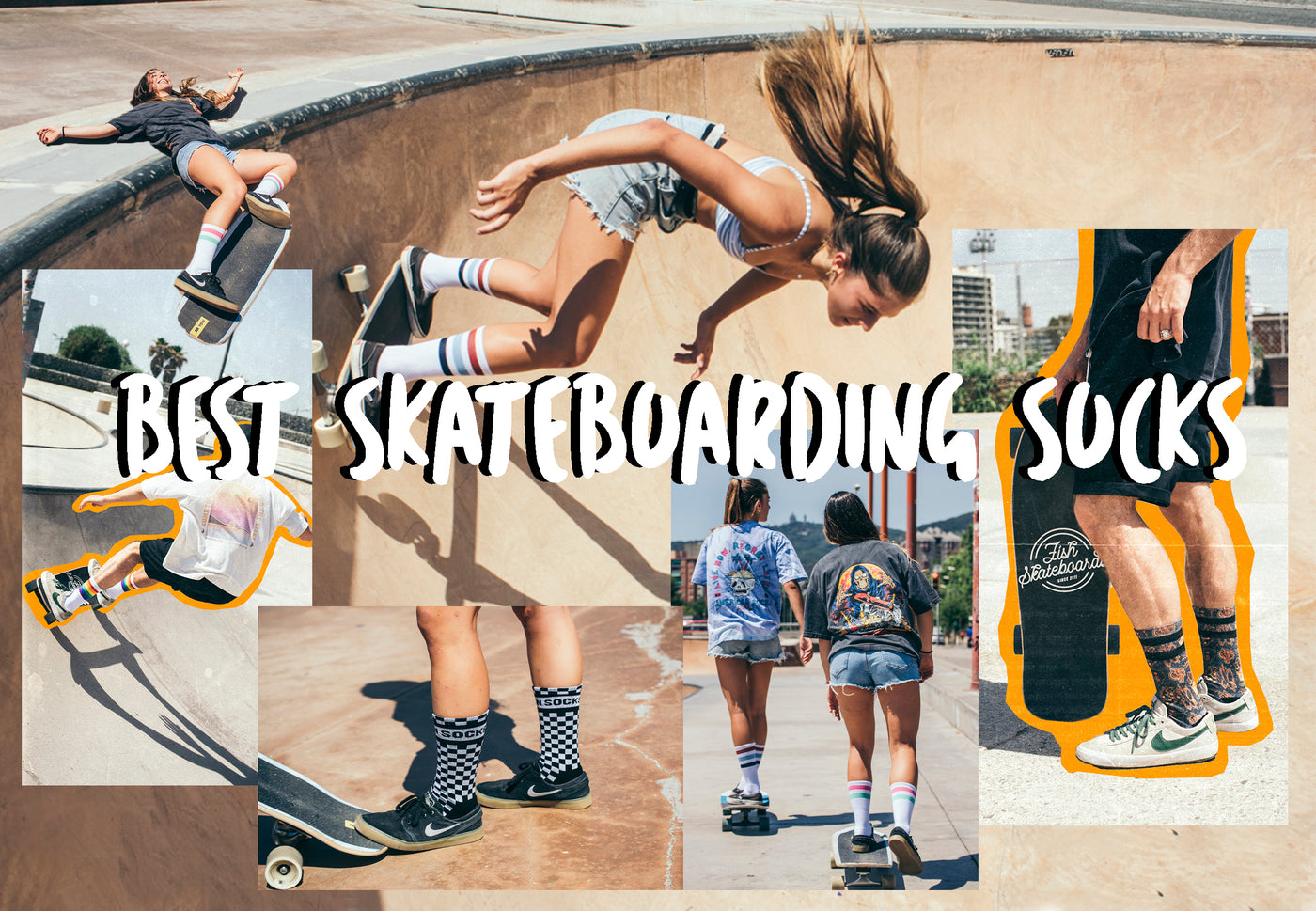
The sight of skateboarders, often with socks pulled high up their calves, is a common one. It’s a visual cue that’s become almost synonymous with skate culture. But beyond the aesthetic, there are practical reasons why this sock choice persists.
From protection and comfort to a nod to tradition, the high sock is more than just a fashion statement; it’s an integral part of the skateboarding experience. Understanding these motivations sheds light on the nuanced relationship between gear, performance, and the very essence of street skating.
Key Takeaways
-
- Protection: High socks offer a helpful layer of defense against abrasions, minor impacts, and cuts from grip tape, deck edges, or rough surfaces.
- Comfort and Fit: They can reduce chafing, cushion the ankle and lower leg, and help manage sweat, which improves comfort during long sessions.
- Style and Identity: High socks are a significant element of skate fashion, contributing to individual and collective identity within the subculture.
- Tradition and Nostalgia: The practice is deeply rooted in skateboarding history, evoking a sense of connection to past generations of skaters.
- Gear Synergy: They work in conjunction with skate shoes to help prevent chafing and improve comfort inside the shoe.
The Protective Embrace: Shielding Against The Grind
Skateboarding is an activity inherently intertwined with the risk of falling. The ground, obstacles, and even the skateboard itself can inflict nicks, scrapes, and deeper cuts. This is where the humble high sock steps in, acting as a useful first line of defense.
The material of the sock, often a blend of cotton, polyester, nylon, and spandex, provides a buffer between the skin and the harsh realities of the skate environment.
Guarding Against Abrasions And Lacerations
When a skateboarder falls, the immediate instinct is often to break the fall with their limbs. This can lead to sliding across rough concrete, asphalt, or abrasive surfaces. Without adequate protection, this can result in painful road rash or severe abrasions. High socks, extending up the calf, cover a significant portion of the lower leg, reducing direct friction on exposed skin. This barrier can lessen the severity of scrapes and make recovery from minor falls less uncomfortable.
Preventing Deck Bite And Impact Bruising
The skateboard deck itself, especially the edges and grip tape, can be a source of injury. During tricks, particularly those involving board manipulation, the deck can inadvertently strike the skater’s legs. This is commonly referred to as “deck bite.” High socks create a padded layer that helps absorb small impacts, reducing the likelihood of bruises and helping keep grip tape from scraping the skin. While not a substitute for proper protective gear like knee pads, they offer a practical benefit for the lower leg, which is frequently exposed.
The Role Of Material And Thickness
The type of material and the thickness of the sock play a role in its protective capabilities. Thicker socks, often made with reinforced weaves in key areas, offer more cushioning and abrasion resistance. Synthetic blends are popular for their durability and moisture-wicking properties, which also contribute to comfort and help reduce skin irritation caused by sweat and friction.
The snug fit of a well-made high sock also helps it stay in place, providing consistent coverage throughout a skating session.
Comfort And Performance: Enhancing The Skating Experience
Beyond raw protection, high socks contribute significantly to a skateboarder’s comfort and overall performance. The right pair of socks can make a noticeable difference in how long a skater can comfortably push their limits, whether they are learning new tricks or simply cruising.
Cushioning And Shock Absorption
Skateboarding involves constant impact from landing tricks, riding over uneven surfaces, and pushing off the ground. While skate shoes offer some cushioning, high socks can add a small extra layer of padding around the ankle and lower leg. This subtle cushioning can make long sessions feel less harsh, but it should be understood as a comfort benefit rather than major impact protection.
Moisture Management And Temperature Regulation
Skateboarding is a physically demanding activity that generates heat and sweat. High socks, particularly those made from moisture-wicking materials like polyester, nylon, or technical blends, are useful for managing sweat. They draw moisture away from the skin, helping prevent dampness, blistering, and chafing. This keeps the feet and lower legs drier and can improve overall comfort and hygiene. Proper temperature regulation also helps prevent the skin from becoming overly sensitive to friction.
Ankle Feel And Stability
While not a substitute for ankle braces or medical support, high socks can provide a lightly compressive, secure feeling around the ankle and lower calf. That close fit can make the foot feel more locked in and reduce the sense of movement inside the shoe, which many skaters experience as added confidence. For those who have had previous ankle injuries, this added feeling of security can be particularly useful.

Credit: flatsocks.com
Style And Subculture: The Fashion Statement Of High Socks
In the world of skateboarding, gear is never just functional; it’s deeply intertwined with style, identity, and cultural expression. High socks are a prime example of this, having evolved from practical necessity to an iconic fashion statement within the skate community.
A Visual Icon Of Skate Culture
The image of a skater with socks pulled up to their knees or just below is instantly recognizable. This look has been a staple for decades, passed down through generations of skaters. The choice of sock color, pattern, and brand often becomes a way for skaters to express their individuality and affiliation with certain styles or eras. Whether it’s classic white crew socks, bold graphic designs, or subtle monochrome options, the socks are a deliberate part of the overall aesthetic.
The Influence Of Pro Skaters And Trends
Like many aspects of skate culture, fashion trends are often influenced by professional skaters. When prominent pros sport high socks, it amplifies their popularity and encourages a wider adoption within the community. Brands that cater to skaters often design their socks with this specific aesthetic in mind, offering a range of styles that resonate with the skate scene.
This creates a self-perpetuating cycle where functionality meets fashion, solidifying the high sock’s place in skate apparel.
Expressing Individuality And Affiliation
For many, wearing high socks is a way to signal their belonging to the skateboarding subculture. It’s a subtle nod to others in the know, a shared visual language. Beyond this general affiliation, the specific way socks are worn, rolled down, pulled up tight, or paired with specific shoe styles, can communicate a skater’s personal style and even their preferred discipline within skateboarding. This visual communication is a powerful aspect of how skate communities form and interact.
Credit: www.americansocks.com
Roots In Tradition: A Nod To Skateboarding History
The prevalence of high socks in skateboarding isn’t a recent phenomenon; it’s a practice deeply embedded in the history and evolution of the sport. Understanding these historical roots adds another layer of appreciation for why this sartorial choice persists.
Early Days And Functional Needs
In the early days of skateboarding, before specialized skate shoes were widely available, skaters often adapted athletic footwear. Socks were a natural part of this athletic gear. As skateboarding developed, the practical benefits of higher socks for protection against abrasions and impacts during falls became apparent.
Skaters began to consciously choose socks that offered this extended coverage, establishing a functional precedent.
The Influence Of Surfing And Bmx
Skateboarding has always borrowed and influenced other action sports. Early surfers and BMX riders also favored higher socks for similar protective and comfort reasons. As skateboarding emerged as a distinct culture, it absorbed some of these established practices. The visual of high socks was already associated with athletic pursuits and a certain rebellious, outdoor spirit, which aligned perfectly with the burgeoning skate scene.
A Generational Connection
For many older skaters, high socks are a nostalgic reminder of their early days on a board. This sentimentality is passed down to younger generations, who see the high sock as an authentic symbol of skateboarding heritage. Wearing them is a way to connect with the legends of the past and to participate in a tradition that has been part of skateboarding for decades. It’s a way of saying, “I understand the history.”
The Synergy With Skate Shoes: A Functional Partnership
The choice of high socks is not made in isolation; it works in tandem with the specific design and function of skate shoes. This partnership is crucial for both comfort and performance on the board.
Preventing Chafing And Blisters
Skate shoes are designed for durability and board feel, often featuring tough materials like suede or canvas. The inside of a skate shoe, particularly around the heel and ankle collar, can be abrasive. High socks act as a critical barrier, preventing the shoe’s material from directly rubbing against the skin. This significantly reduces the risk of chafing and painful blisters, which can quickly end a skating session. The longer the sock, the more surface area is protected from this friction.
Enhancing Fit And Grip
A snug-fitting high sock can contribute to a more secure feel within the skate shoe. It helps to fill any slight gaps, ensuring the foot is held firmly in place. This improved fit can enhance board feel and control indirectly, as the skater’s foot is more directly connected to the shoe, and thus, to the board.
The “Sock Tuck” And Shoe Stability
Some skaters employ a “sock tuck” technique, where they pull their socks up tightly and then tuck the excess material under their shoe’s collar or lace area. This is done to keep the socks from rolling down and to ensure a consistent level of protection and ankle coverage.
It also helps to keep the sock material from interfering with the shoe’s fit or laces, contributing to overall stability and preventing distraction while skating.
Beyond The Basics: Specific Benefits And Considerations
While the primary reasons for wearing high socks are protection, comfort, and style, there are more nuanced benefits and considerations that contribute to their enduring popularity among skateboarders.
Impact Absorption For Landing
When landing tricks, especially those from a height or with significant force, the impact travels up the legs. High socks, particularly thicker ones, can offer a small additional layer of shock absorption for the shin and calf. While not a replacement for proper landing technique or protective gear, this extra padding can help make repeated landings feel less punishing over time.
Protection From Debris
Skate spots, whether they are skate parks or street locations, can often have loose debris like small rocks, gravel, or sand. While riding or during falls, this debris can get into shoes and socks, causing discomfort or even cuts. High socks create a barrier that helps keep out smaller foreign objects, preventing them from reaching the skin or causing irritation within the shoe.
Psychological Comfort And Confidence
For many skaters, wearing high socks is simply what feels “right.” It’s part of their pre-skate ritual and contributes to a sense of readiness and confidence. This psychological aspect is as important as the physical benefits. When a skater feels comfortable and “properly geared up,” they are often more willing to push their limits and attempt more challenging tricks. This is a subtle but powerful contributor to performance.
Material Choices And Performance
The choice of sock material can significantly impact performance:
| Material | Pros | Cons | Best For |
|---|---|---|---|
| Cotton | Soft, breathable, affordable | Holds moisture, can increase blister risk, less durable | Casual skating, beginners |
| Polyester/Nylon Blends | Durable, moisture-wicking, quick-drying | Can be less breathable than cotton, some find it less soft | Intense skating, hot weather |
| Merino Wool | Excellent moisture-wicking, temperature regulating, odor-resistant | More expensive, can be less durable than synthetics | All-weather skating, long sessions |
| Spandex/Elastane | Provides stretch and a snug fit | Can reduce breathability if used in high percentages | Improving fit and retention in blends |
The “Right” Height: Personal Preference And Function
The ideal height of the sock is largely a matter of personal preference and the specific demands of the skating style. Some skaters prefer socks that come up just above the ankle bone for minimal coverage and a cleaner look.
Others opt for crew-length socks, which cover the lower calf, offering more substantial protection and a more traditional skate aesthetic. The “tall” or “tube” sock style, reaching mid-calf or higher, provides maximum coverage and is often chosen for its retro appeal and added protection.
Frequently Asked Questions
Why Are High Socks So Popular In Skateboarding?
High socks are popular in skateboarding due to a combination of practical benefits and cultural significance. They offer protection against abrasions from falls and impacts from the skateboard deck, provide cushioning and moisture-wicking for comfort during long sessions, and are a significant element of skate fashion, representing tradition and identity within the subculture.
Do High Socks Actually Help Prevent Injuries?
Yes, high socks can help prevent certain types of injuries. They act as a barrier against abrasions and cuts from rough surfaces and the skateboard’s grip tape or edges. They also provide a layer of cushioning that can reduce the severity of bruises from impacts. However, they are not a substitute for helmets, pads, or proper technique, which are crucial for preventing more serious injuries like fractures or head trauma.
What’s The Difference Between Skate Socks And Regular Athletic Socks?
Skate socks are typically designed with specific features for skateboarding. They often feature reinforced cushioning in the heel and toe, enhanced durability in high-wear areas, and materials optimized for moisture-wicking and breathability to combat sweat during intense activity. Their length is also often intentionally longer to provide more coverage and protection against scrapes and deck bite. Regular athletic socks may not offer the same level of targeted reinforcement or the specific length considerations important for skaters.
Can Wearing High Socks Improve My Skateboarding Performance?
While high socks don’t directly improve your ability to perform tricks, they can indirectly enhance performance by increasing comfort and confidence. By reducing the risk of chafing, blisters, and minor abrasions, they allow skaters to focus more on their riding and practice for longer periods. The psychological comfort of feeling properly equipped can also contribute to a skater’s overall stability and willingness to try new things.
Are There Any Downsides To Wearing High Socks For Skateboarding?
The primary potential downside is that in very hot weather, thicker high socks might contribute to overheating if not made from breathable, moisture-wicking materials. Additionally, if socks are ill-fitting or made from materials that don’t manage moisture well, they could potentially increase the risk of blisters.
However, for most skaters, the benefits far outweigh these minor potential drawbacks, especially when choosing socks made from appropriate performance fabrics.
The enduring popularity of high socks in skateboarding is a testament to their multifaceted role. They are far more than just an accessory; they are a functional piece of gear that provides essential protection, enhances comfort, and serves as a powerful symbol of skate culture and its rich history.
From shielding against the harshness of the concrete to making a distinct style statement, the high sock continues to be an indispensable part of the skateboarder’s ensemble, connecting the present generation to the roots of the sport and empowering them to push their limits with confidence and flair.