
Skateboarding, often perceived as a solo pursuit of adrenaline and self-expression, harbors a powerful capacity for collective good. Beyond the ollies and kickflips, a vibrant movement is growing: Grind for Life Skateboarding for a Cause. This initiative harnesses the passion and community spirit of skateboarders to support various charitable endeavors, transforming a beloved sport into a force for positive change. From raising funds for medical research to providing resources for underserved youth, skateboarding for a cause is proving that the simple act of rolling can make a profound difference in the world.
The essence of “Grind for Life” lies in its dual nature: the physical act of skateboarding and the metaphorical “grind” of working towards a greater purpose. It’s about pushing boundaries on the board and pushing for progress in society. This movement isn’t just about events or donations; it’s about fostering a culture where the skateboarding community actively contributes to causes they believe in, demonstrating that the values of perseverance, creativity, and mutual support inherent in skateboarding can be translated into tangible social impact.
Key Takeaways
-
-
-
Grind for Life: Skateboarding for a Cause: Grind for Life Skateboarding for a Cause is a movement uniting skateboarders for charitable purposes.
-
Using Skateboarding to Raise Funds and Awareness: It leverages the community and passion of skateboarding to raise funds and awareness for various causes.
-
Charitable Initiatives and Fundraising Activities: Initiatives range from fundraising events and competitions to direct support for social programs.
-
Promoting Skateboarding Values Through Charity: The movement emphasizes skateboarding’s inherent values like perseverance, creativity, and community support.
-
Social Impact Through Skateboarding Initiatives: It provides tangible social impact by addressing issues such as health, education, and social welfare.
-
Benefits of Participating in Skateboarding Charity Events: Participation offers dual benefits: Supporting a cause and enjoying the sport of skateboarding.
-
-
The Rise Of Skateboarding For A Cause
The intersection of skateboarding and philanthropy is not a new phenomenon, but in recent years, it has gained significant momentum. What began as grassroots efforts by local skate shops and crews has evolved into organized movements with broad reach. This growth can be attributed to several factors, including the increasing mainstream acceptance of skateboarding, the accessibility of social media for organizing and promotion, and a growing desire within the skateboarding community to give back.
The core philosophy behind Grind for Life is simple yet powerful: use what you love to do good. Skateboarders are known for their dedication, their ability to overcome falls and try again, and their strong sense of camaraderie. These very qualities are invaluable when applied to charitable work. Whether it’s a local skate jam to raise money for a sick rider or a global campaign to support environmental causes, the spirit of “skateboarding for a cause” is about collective action and shared responsibility.
Origins And Evolution
Early forms of charitable engagement in skateboarding were often informal. Skaters might organize a benefit jam to help a fellow skater facing medical bills or a community member in need. These events, while small in scale, laid the groundwork for more structured initiatives.
As the internet and social media became more prevalent, these efforts became easier to coordinate and publicize. Platforms like Instagram and Facebook allowed for wider dissemination of information, enabling organizers to reach more potential participants and donors.
The evolution has also seen a diversification of causes supported. While medical aid and community support remain prominent, skateboarding for a cause now extends to:
-
- Environmental activism: Promoting sustainable practices within the skate industry and supporting conservation efforts.
- Social justice: Advocating for inclusivity and equality within skateboarding and broader society.
- Youth empowerment: Providing skateboards, equipment, and safe spaces for underprivileged children.
- Mental health awareness: Utilizing skateboarding as a tool for wellbeing and destigmatizing mental health issues.
This expansion reflects a maturing of the skateboarding culture, which is increasingly recognizing its potential to address a wide range of societal challenges.
The Power Of Community
Skateboarding is inherently a social activity. While individual skill is paramount, the shared experience of skating, at the local park, on the street, or at events, builds strong bonds. Grind for Life taps into this existing community infrastructure. Skate shops often serve as hubs, skate parks become gathering points, and online forums foster connections. When a cause is introduced, these networks can mobilize quickly and effectively.
The sense of belonging and shared identity within the skateboarding community makes people more receptive to collective action. When a fellow skater is in need, or when a cause resonates with the values held dear by skaters, the community tends to rally.
This intrinsic support system is a significant asset for any “skateboarding for a cause” initiative.
Credit: www.youtube.com
What Grind For Life Actually Is
Grind for Life, Inc. is a cancer-assistance nonprofit founded in 2003 by lifelong skateboarder Mike Rogers after his second battle with sarcoma cancer. The organization’s mission is to provide financial assistance to cancer patients and their families when they must travel long distances for treatment.
Qualifying patients may request help with travel and lodging expenses, meals, and personal needs. The organization also shares Mike Rogers’s story to educate and inspire patients and families facing cancer treatment and recovery.
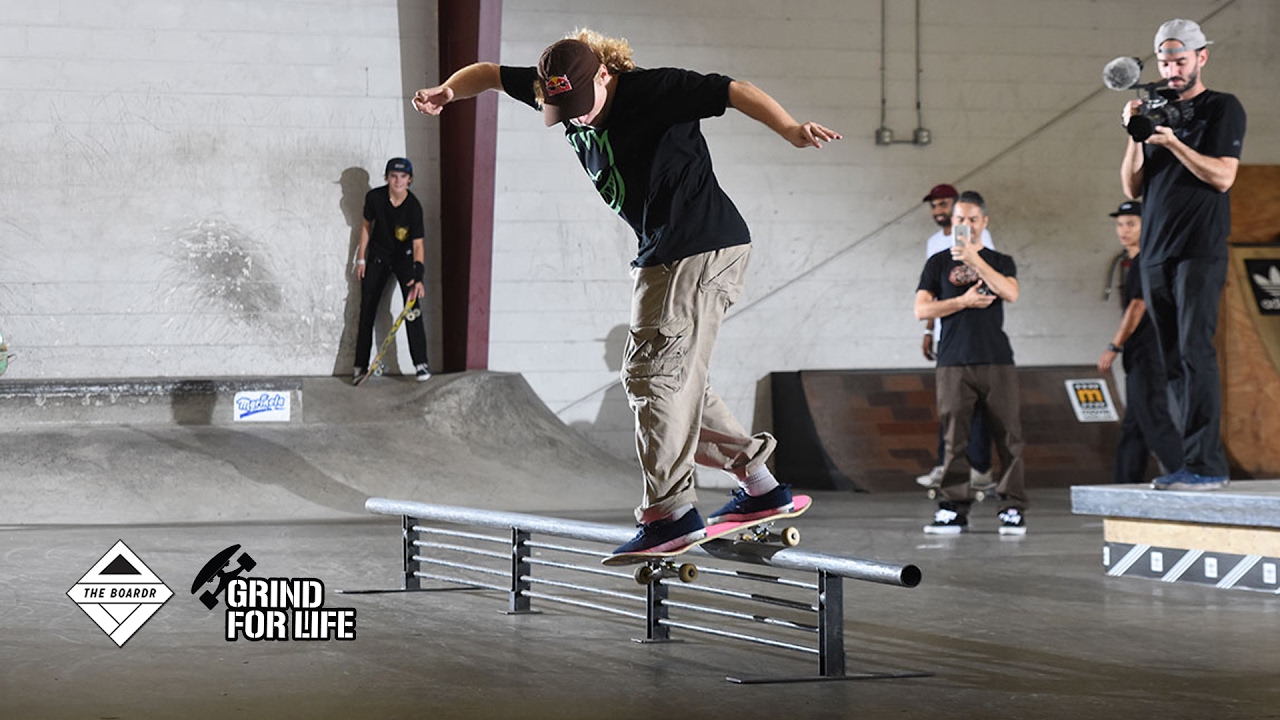
One of its best-known programs is the GFL Series, a national all-ages, all-skills skate contest series in both street and bowl that benefits the nonprofit. Those events help fund the mission while giving skaters a competitive platform and a way to give back.
Core Initiatives And Event Formats
The “Grind for Life” movement manifests in a variety of ways, each designed to engage the skateboarding community and achieve specific charitable goals. These initiatives often blend the excitement of skateboarding with the impact of philanthropy, creating memorable and effective fundraising opportunities.
Skate Jams And Competitions For Charity
One of the most popular formats is the charity skate jam or competition. These events bring skaters together for a day of riding, often featuring friendly competitions with divisions for different skill levels. Entry fees, merchandise sales, and sponsorships directly contribute to the chosen cause. Beyond fundraising, these events serve as vital community gatherings, fostering a sense of unity and shared purpose.
-
- Example: A local skate park might host an annual “Skate for Hope” jam, with proceeds going to a children’s hospital. Participants of all ages can showcase their skills, enjoy music, and connect with fellow skaters, all while supporting a meaningful cause. Many skateboard manufacturers, such as Element Skateboards, have historically supported community initiatives, demonstrating a long-standing connection between brands and charitable efforts.
Important planning note: Top-ranking event coverage typically emphasizes permits, insurance, waivers, emergency response, and age-appropriate divisions because charity skate events still involve real injury risk. Any organizer should budget for first aid coverage, liability protection, and clear park rules.
Benefit Tours And Demo Days
Skaters and professional riders sometimes embark on benefit tours or demo days. These tours combine exhibition-style skateboarding performances with opportunities for fans to meet the riders, get autographs, and learn about the supported cause. These events often have a broader reach, attracting media attention and engaging a wider audience beyond the core skateboarding community.
Online Campaigns And Social Media Drives
The digital realm offers powerful avenues for “Grind for Life” initiatives. Online fundraising campaigns, often amplified through social media, allow for global participation. Challenges, donation drives, and awareness campaigns can be launched with relative ease, reaching individuals who may not be able to attend physical events. Hashtags like #GrindForLife or #SkateForACause can help aggregate content and build momentum.
-
- Pro Tip: Leveraging user-generated content through social media challenges can significantly increase engagement and reach for online fundraising campaigns. Encourage participants to share videos of themselves skating for the cause, tagging friends to join in.
Direct Support And Skill-building Programs
Beyond fundraising events, “Grind for Life” can also involve direct support for specific programs. This might include donating skateboards and equipment to youth centers, funding skateboarding mentorship programs, or supporting organizations that use skateboarding to promote positive youth development. These initiatives focus on providing resources and opportunities, making a lasting impact on individuals and communities.
-
- Example: A non-profit might partner with skate shops to collect used skateboards, refurbish them, and distribute them to children in low-income areas, along with lessons on how to skate safely. This directly addresses the benefits of skateboarding for physical and mental health while making the sport more accessible.
Credit: www.grindforlife.org
Causes Supported By The Skateboarding Community
The versatility of skateboarding as a platform for good means that the causes championed by “Grind for Life” are as diverse as the skateboarding community itself. These initiatives reflect the values and concerns of skaters, often focusing on areas where they can make a direct and meaningful impact.
Health And Medical Research
A significant portion of “Grind for Life” efforts are directed towards health-related causes. This includes raising funds for cancer research, supporting individuals undergoing medical treatments, and promoting awareness for various diseases. The inherent risks associated with skateboarding can foster a deep empathy for those facing health challenges, making these causes particularly resonant.
-
- Data Point: According to the National Cancer Institute, continued research funding is crucial for developing new treatments and improving patient outcomes. Initiatives like “Grind for Life” play a vital role in supplementing these funds.
Youth Development And Education
Many “Grind for Life” programs focus on empowering young people. This can involve providing access to skateboarding, which has been shown to boost confidence, discipline, and creativity in children and adolescents. These programs often aim to create safe and supportive environments where youth can learn new skills, build positive relationships, and avoid negative influences. Teaching a kid to skateboard, for instance, offers more than just a physical activity; it imparts life lessons.
Social Justice And Inclusivity
The skateboarding world is increasingly embracing diversity and advocating for social justice. “Grind for Life” initiatives may support organizations working to promote equality, combat discrimination, and ensure that skateboarding is an inclusive space for everyone, regardless of background, gender, or ability. This can involve funding programs that specifically support marginalized groups within the skateboarding community.
Environmental Sustainability
As awareness of environmental issues grows, so does the commitment within the skateboarding community to sustainability. “Grind for Life” efforts in this area might focus on promoting eco-friendly manufacturing processes within the skate industry, supporting conservation efforts, or encouraging responsible disposal of skate gear. Some initiatives even focus on cleaning up skate spots and urban environments.
Making A Difference: Real-world Impact And Examples
The true measure of any charitable movement lies in its tangible impact. “Grind for Life” initiatives, through dedicated efforts and community support, have demonstrably made a difference in the lives of many and contributed to important causes.
Case Study: The Tony Hawk Foundation (now The Skatepark Project)
While not exclusively a “Grind for Life” initiative, the Tony Hawk Foundation, now known as The Skatepark Project, serves as a prime example of large-scale impact driven by skateboarding. Founded by legendary skater Tony Hawk, the foundation has provided millions of dollars in grants to build hundreds of public skateparks across the United States, particularly in low-income areas. These skateparks offer safe, positive recreational spaces for youth, fostering community and promoting healthy lifestyles. This initiative directly addresses the need for accessible skateboarding facilities and highlights how prominent figures can leverage their influence for good.
Local Heroes And Grassroots Successes
Beyond major foundations, countless local heroes and grassroots organizations embody the “Grind for Life” spirit. Consider a scenario where a small skate shop in a town organizes a monthly skate session where all proceeds go to the local animal shelter. Or a group of friends who decide to skateboard across the country to raise money for a specific disease research fund. These smaller, yet equally impactful, initiatives demonstrate the widespread nature of this philanthropic movement.
-
- Example: In my experience, I’ve seen small community skate events raise thousands of dollars for local families facing hardship. The personal connection and immediate impact often make these events incredibly powerful for participants and beneficiaries alike.
The Impact Of Skateboarding On Mental Health
The benefits of skateboarding for mental health are increasingly recognized, and this understanding often fuels “Grind for Life” initiatives. Skateboarding can serve as a powerful outlet for stress, anxiety, and depression. The focus required, the physical exertion, and the sense of accomplishment all contribute to improved mental wellbeing. Initiatives that promote skateboarding as a therapeutic tool or raise awareness for mental health issues are becoming more common. For those looking to explore this, understanding why skateboarding is good for mental health is a key starting point.
Planning And Executing A “Grind For Life” Event
Organizing a successful skateboarding charity event requires careful planning and execution. Whether it’s a small local jam or a larger-scale competition, the principles remain similar. The goal is to maximize fundraising and awareness while ensuring a positive and engaging experience for all involved.
Defining The Cause And Goals
The first step is to clearly define the cause the event will support and set specific, measurable goals. This includes:
-
- Target fundraising amount: How much money do you aim to raise?
- Awareness objectives: What message do you want to convey?
- Community engagement targets: How many participants and spectators do you hope to attract?
Having clear objectives will guide all subsequent planning decisions.
Venue And Logistics
Choosing the right venue is crucial. A local skate park, community center, or even a rented space can work, depending on the event’s scale. Key logistical considerations include:
-
- Permits and insurance: Ensure all necessary legal requirements are met.
- Safety measures: First aid station, trained personnel, and clear rules.
- Equipment: Sound system, signage, tables for registration and merchandise.
- Volunteers: Recruit enough helpers for setup, registration, and managing activities.
Promotion And Outreach
Effective promotion is vital to attract participants and spectators. Utilize a multi-channel approach:
-
- Social media: Create event pages, share engaging content, and use relevant hashtags.
- Local skate shops: Distribute flyers and posters.
- Community boards: Post information in public spaces.
- Local media: Reach out to newspapers, radio stations, and blogs.
Highlighting the cause and the fun aspects of the event will encourage participation.
Fundraising Mechanisms
Integrate various fundraising mechanisms into the event:
-
- Entry fees: Charge a reasonable fee for participation.
- Donation boxes: Place them strategically throughout the venue.
- Merchandise sales: Sell t-shirts, stickers, or other branded items.
- Sponsorships: Approach local businesses for financial or in-kind support.
- Raffles or auctions: Offer donated items for a chance to win.
Post-event Follow-up
After the event, follow up is essential to maintain momentum and show appreciation:
-
- Announce results: Share the total amount raised and how it will be used.
- Thank participants and sponsors: Send out thank-you notes or social media shout-outs.
- Share photos and videos: Keep the community engaged and create content for future events.
- Provide a report to the beneficiary: Ensure transparency and accountability.
The Future Of Skateboarding For A Cause
The “Grind for Life” movement is poised for continued growth and impact. As skateboarding solidifies its place in mainstream culture, its potential as a vehicle for social change will only expand. The increasing interconnectedness of global communities, facilitated by technology, means that initiatives can gain traction and support on an unprecedented scale.
Expanding Reach And Diversity Of Causes
Future “Grind for Life” efforts will likely see an expansion in the diversity of causes supported. As the skateboarding community matures, so too will its understanding and engagement with complex social and environmental issues. We can anticipate more initiatives focusing on areas like mental health advocacy, climate action, and support for refugees and marginalized communities. The accessibility of skateboarding also makes it a prime candidate for programs aimed at youth development and rehabilitation, offering a constructive outlet for individuals facing challenges.
Technological Integration And Innovation
Technology will play an increasingly significant role. Virtual reality (VR) and augmented reality (AR) could offer new ways to experience skate events remotely, broadening participation. Blockchain technology might be explored for transparent donation tracking. Furthermore, advancements in sustainable materials for skateboards and apparel, driven by environmentally conscious skaters, will continue to shape the industry’s ethical landscape. Learning about different skateboard manufacturers and their commitment to sustainability can be part of this evolution.
Strengthening The Global Community
The global nature of skateboarding means that “Grind for Life” initiatives have the potential to connect skaters worldwide for common causes. International collaborations, online fundraising platforms, and shared awareness campaigns can foster a global skateboarding community united for good. This interconnectedness can amplify the impact of individual efforts and create a powerful collective voice for positive change.
Collaboration With Brands And Organizations
We can expect to see more strategic partnerships between skateboarding brands, non-profit organizations, and even governmental bodies. These collaborations can provide crucial resources, expertise, and reach, enabling “Grind for Life” initiatives to achieve greater scale and impact. Brands that authentically engage with these causes will not only benefit their public image but also contribute meaningfully to society.
The enduring appeal of skateboarding lies in its blend of individual expression and communal spirit. “Grind for Life” embodies this duality, transforming the simple act of riding a skateboard into a powerful engine for positive change. By continuing to support and expand these initiatives, the skateboarding community can further solidify its role as a force for good, proving that the grind truly can be for life, and for a better life for all.
Frequently Asked Questions
What Exactly Is “grind For Life Skateboarding For A Cause”?
“Grind for Life Skateboarding for a Cause” is a broad term referring to the movement within the skateboarding community dedicated to using the sport as a platform to support charitable causes. It encompasses a wide range of activities, from local fundraising events and competitions to global awareness campaigns and direct support for social programs.
The core idea is to harness the passion, community, and unique culture of skateboarding to make a positive impact on society.
How Can I Get Involved In Skateboarding For A Cause?
There are many ways to get involved. You can participate in local charity skate jams or competitions, volunteer your time for organizing events, donate to skateboarding-related charities, or start your own initiative. Following skateboarding advocacy groups and brands on social media can help you discover upcoming events and campaigns. If you’re new to skateboarding, learning some easy skateboard tricks for beginners can be a first step towards engaging with the community.
What Types Of Causes Are Typically Supported By Skateboarding Initiatives?
Skateboarding initiatives support a diverse range of causes. Common areas include health and medical research (e. g. , cancer, disease-specific funds), youth development and education (e. g. , providing skate equipment, mentorship programs), social justice and inclusivity (e. g. , advocating for diverse representation), and environmental sustainability (e. g. , promoting eco-friendly practices, conservation efforts). The specific causes often reflect the values and concerns of the local or global skateboarding community involved.
Are There Any Risks Associated With Participating In Charity Skateboarding Events?
Like any skateboarding activity, there are inherent risks of injury. However, charity events typically prioritize safety. They often take place in controlled environments like skate parks, have designated first aid stations, and may enforce safety guidelines. It’s always advisable to wear appropriate protective gear, such as helmets and pads, regardless of the event’s nature. Understanding what to wear for skateboarding is essential for safety. For certain health-related causes, it’s also wise to consult a healthcare professional before engaging in strenuous physical activity.
How Can Skateboarding Brands And Shops Support “grind For Life” Initiatives?
Skateboarding brands and shops can play a pivotal role by sponsoring events, donating products for raffles or auctions, organizing their own charity drives, and using their platforms to raise awareness. They can also contribute by adopting more sustainable manufacturing practices and supporting social causes through their corporate social responsibility programs. Collaborating with existing non-profits or establishing their own charitable foundations are also effective strategies. For example, a shop might feature information about Santa Cruz Skateboards or Element Skateboards and their community involvement.
The spirit of “Grind for Life” is a powerful testament to the positive potential that lies within the skateboarding community. By channeling passion for the sport into meaningful action, skateboarders are not only building skateparks and supporting vital research but also fostering a culture of empathy, resilience, and collective responsibility.
Whether through large-scale events or small, local efforts, the act of skateboarding for a cause demonstrates that every roll, every trick, and every connection can contribute to a better world.