How Long Does It Take to Learn Skateboarding: A Realistic Timeline
Learning to skateboard is exciting, but it can also be challenging. Many beginners wonder: How long does it take to learn skateboarding? The answer depends on your goals, dedication, age, and even where you practice. Some people learn the basics in weeks, while others take months or longer to master tricks. In this article, you’ll discover what affects your learning speed, realistic timelines, tips for progress, and the most common beginner mistakes. You’ll also find helpful tables, practical examples, and answers to top questions about skateboarding.
What Does “learning Skateboarding” Mean?
Before talking about time, it’s important to define “learning.” Skateboarding skills range from basic balance to advanced tricks. Most people start by learning to:
- Stand comfortably on the board
- Push and ride forward
- Turn left and right
- Stop safely
Once you can ride smoothly, you may want to learn tricks like ollies, kickflips, or grinds. For some, “learning” means being comfortable cruising. For others, it means mastering advanced moves. Your goal shapes your learning journey.
Factors That Affect How Fast You Learn
Many things influence how quickly you pick up skateboarding. Here are the main factors:
Age And Physical Condition
Younger people often learn faster because they have good balance and recover quickly from falls. However, adults can also learn well if they stay patient and practice regularly. Physical fitness helps, but you don’t need to be an athlete.
Practice Frequency
How often you practice matters more than age. Practicing 2-3 times a week usually leads to faster progress than once a week. Short, focused sessions are better than long, tiring ones.
Previous Board Sports Experience
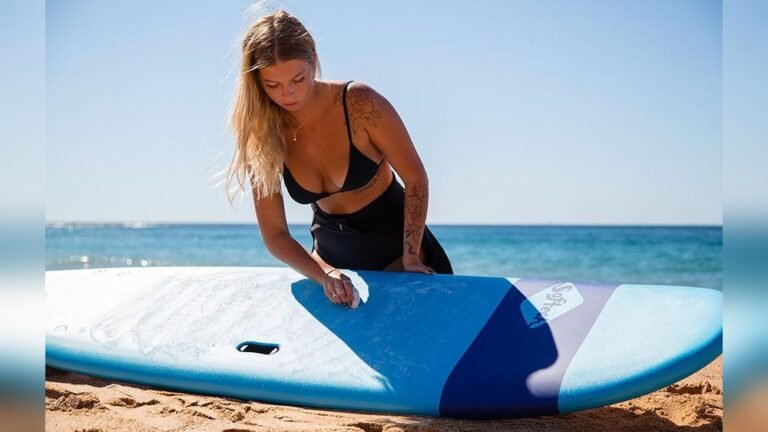
If you’ve tried surfing or snowboarding, you may learn skateboarding faster. Balance, foot placement, and board control are similar.
Quality Of Equipment
A good skateboard makes learning easier. Cheap boards can wobble or break. Investing in a quality board and protective gear can speed up your progress.
Learning Environment
Smooth surfaces like skateparks or quiet streets are ideal. Rough ground or crowded places make learning harder and riskier.
Access To Guidance
Learning from experienced skaters or watching tutorials helps avoid mistakes. Some skateparks offer beginner lessons, which can cut learning time.
How Long Does It Take To Learn Basic Skateboarding Skills?
Most beginners ask how long it takes to feel comfortable riding a skateboard. Here’s a typical timeline for basic skills:
| Skill | Average Time (Hours) | Notes |
|---|---|---|
| Standing & Balancing | 1-2 | Can be learned in one session |
| Pushing & Rolling | 3-6 | Multiple sessions recommended |
| Turning | 4-8 | Practice on flat ground |
| Stopping | 2-5 | Foot brake and safety stops |
Total: About 10–20 hours of focused practice to ride comfortably and safely. If you practice two hours per week, most people reach this level in 1-2 months.
How Long To Learn Intermediate Skateboarding Skills?
Intermediate skills include tricks like the ollie, riding ramps, and basic manuals. These take longer because they require timing, strength, and confidence.
| Skill | Average Time (Hours) | Notes |
|---|---|---|
| Ollie (Jump) | 20-40 | Most common first trick |
| Manual (Wheelie) | 10-20 | Balance is key |
| Riding Ramps | 15-25 | Skatepark practice required |
| Kickturns | 8-15 | Turning sharply on ramps |
Total: 50–100 hours of practice for most people. With regular practice, you may reach this level in 6–12 months.
How Long To Master Advanced Tricks?
Advanced tricks like kickflip, heelflip, and grinds require much more skill. These moves may take years to learn well. Here’s an overview:
| Trick | Average Time (Hours) | Notes |
|---|---|---|
| Kickflip | 50-100 | High frustration for beginners |
| Heelflip | 60-120 | Similar to kickflip |
| 50-50 Grind | 80-150 | Requires skatepark access |
| Varial Flip | 90-180 | Very advanced trick |
Total: 200–600 hours for advanced tricks. For most learners, this means 1–3 years of steady practice.
Real-life Examples
Let’s look at a few real stories:
- Miguel, age 25: Practiced skateboarding for 30 minutes, three times a week. He learned to ride comfortably in one month, and to ollie after four months.
- Sara, age 14: Had some snowboarding experience. She learned basic riding in two weeks, ollies in three months, and kickflips in one year.
- Tom, age 40: Practiced once a week for fun. Riding took two months, ollies took nearly a year, and he’s still working on kickflips.
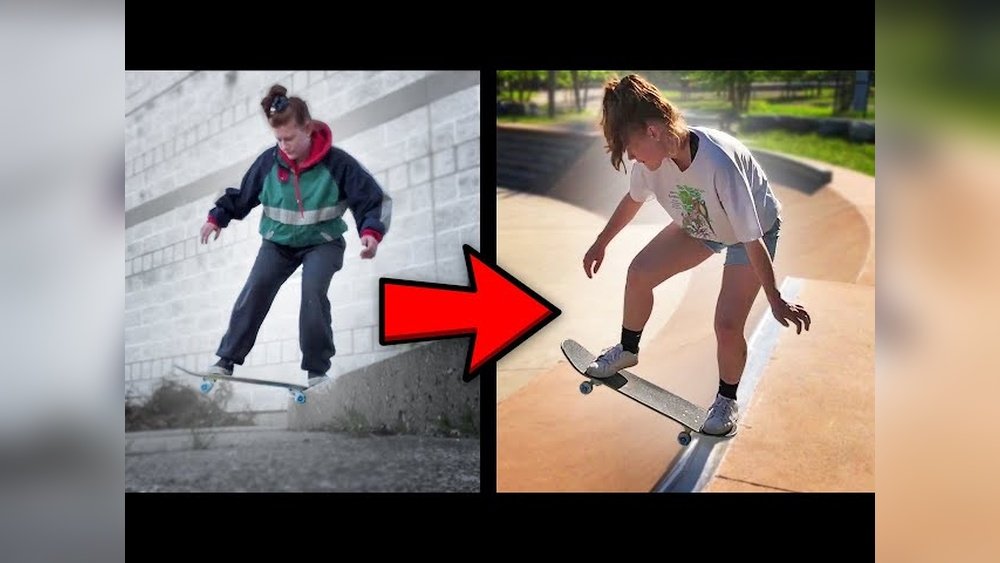
These examples show that progress depends on practice, experience, and motivation—not just age.

Credit: www.skateboardershq.com
Tips For Learning Skateboarding Faster
If you want to speed up your progress, these tips can help:
- Practice regularly. Short sessions, several times a week, work best.
- Focus on one skill at a time. Don’t try to learn many tricks at once.
- Watch videos and tutorials. Visual guidance makes a big difference.
- Record yourself. Seeing your mistakes helps correct them.
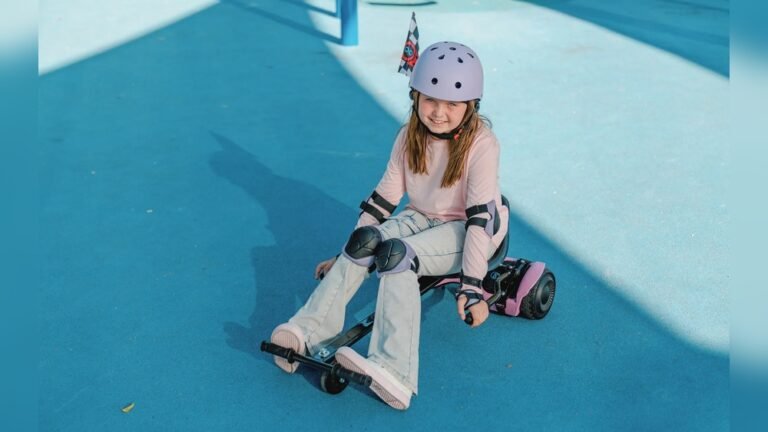
- Wear safety gear. Helmets, knee pads, and wrist guards build confidence.
- Join a skate group. Learning with others can motivate you and help you improve.
- Stay patient. Everyone falls and fails at first. Progress is slow but steady.
Common Mistakes That Slow Progress
Many beginners repeat mistakes that make learning longer and less enjoyable:
- Skipping safety gear. Injuries can end your practice for weeks.
- Practicing only tricks. Master basic riding before trying advanced moves.
- Using poor equipment. Low-quality boards or wheels make learning harder.
- Practicing on rough ground. Smooth surfaces are safer and easier.
- Ignoring warm-up. Stiff muscles can lead to injuries.
Avoiding these mistakes can save you weeks or even months.

Credit: www.youtube.com
Skateboarding Progress Comparison
Different learning goals mean different timelines. Here’s a comparison:
| Goal | Average Time | Practice Needed |
|---|---|---|
| Comfortable Riding | 1-2 months | 2-3 times/week |
| Basic Tricks (Ollie) | 4-6 months | 2-3 times/week |
| Intermediate Tricks | 6-12 months | 3-4 times/week |
| Advanced Tricks | 1-3 years | 4-5 times/week |
How To Track Your Progress
Keeping a progress log helps you see improvement and stay motivated. Write down:
- Skills practiced each session
- Successes and failures
- New tricks tried
- Areas needing improvement
Many skaters use video apps to track their moves. Comparing your progress every month shows how far you’ve come.
Is It Ever Too Late To Learn Skateboarding?
Some adults worry they’re too old to start skateboarding. The truth is, people of all ages can learn. Older learners should take more time warming up, wear extra safety gear, and avoid risky tricks at first. Learning may be slower, but it is still possible.
Learning Skateboarding Vs Other Board Sports
If you already know another board sport, you may wonder how skateboarding compares. Here’s a quick breakdown:
| Sport | Average Time to Basic Skills | Key Differences |
|---|---|---|
| Skateboarding | 1-2 months | Hard surface, fast falls |
| Snowboarding | 2-4 days | Soft surface, easier balance |
| Surfing | 2-3 weeks | Changing waves, water balance |
Skateboarding is unique because you control the board on a hard surface. Falls can be more painful, but progress is steady with practice.
Non-obvious Insights For Beginners
Many beginners miss these important points:
- Progress isn’t always visible. You may feel stuck, but small improvements add up. Recording yourself helps spot progress.
- Rest days matter. Over-practicing can lead to fatigue and injuries. Rest helps your body recover and your skills sink in.
- Learning with friends speeds up progress. Sharing tips and cheering each other helps you learn faster and stay motivated.
Where To Find Reliable Skateboarding Resources
Quality guidance makes learning easier. Look for:
- Skateparks with beginner classes
- YouTube channels by experienced skaters
- Local skate shops with friendly staff
- Online forums and groups
For trustworthy information, check out Wikipedia.

Credit: www.skateboardershq.com
Frequently Asked Questions
How Long Does It Take To Learn To Ride A Skateboard?
Most beginners learn to ride comfortably in 1–2 months with regular practice. Standing, pushing, turning, and stopping are the first skills to master.
Can I Learn Skateboarding As An Adult?
Yes, adults can learn skateboarding. Progress may be slower, but with patience and safety gear, adults can enjoy and improve just like younger skaters.
How Often Should I Practice To Get Better?
Practicing 2–3 times per week is ideal for steady progress. Short, focused sessions are more effective than long, exhausting ones.
What Safety Gear Should Beginners Use?
Beginners should always wear a helmet, knee pads, elbow pads, and wrist guards. This gear prevents serious injuries and builds confidence.
What Is The Hardest Trick For Beginners?
The kickflip is often the hardest trick for beginners. It requires precise timing and foot movement. Most skaters need many months to land their first kickflip.
Skateboarding is a journey. The time it takes to learn depends on your goals, practice habits, and attitude. Whether you want to cruise or master advanced tricks, regular practice and patience will get you there. Enjoy the ride, stay safe, and celebrate every improvement.