Skateboard Trucks Buying Guide: Choose the Best for Your Ride
Buying the right skateboard trucks can change how your board feels, turns, and even how long it lasts. Many beginners focus on decks and wheels, but trucks are just as important. They hold your wheels, help you steer, and take a lot of hits from jumps and grinds. If you want to skate better, safer, and more comfortably, you need to know how to pick the right trucks. This guide walks you through everything — from sizing to materials, shapes, and even common mistakes. Whether you ride street, park, or just cruise, you’ll find clear advice here.
What Are Skateboard Trucks?
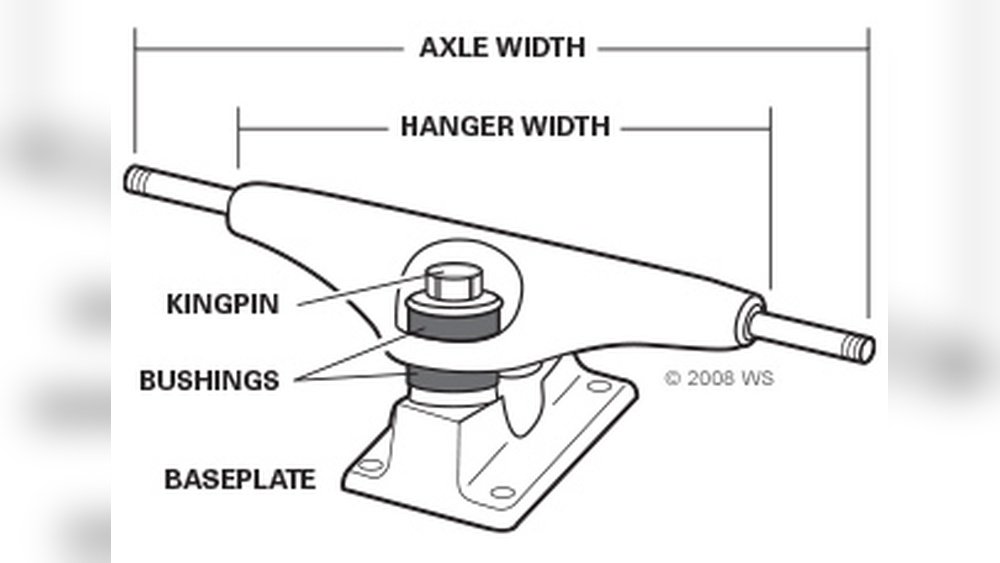
Skateboard trucks are the T-shaped metal parts mounted under your board. They connect your wheels to your deck. Each board uses two trucks, and they do three main jobs:
- Letting you turn by tilting (carving)
- Holding the wheels securely
- Absorbing impact from tricks and landings
A typical truck has several parts:
- Baseplate (bolts to the deck)
- Hanger (the T-shaped part that grinds)
- Axle (the rod holding your wheels)
- Kingpin (the main bolt for bushings)
- Bushings (rubber rings for turning)
- Pivot cup (holds the hanger’s end)
Every part affects your ride a little differently. Knowing how trucks work helps you choose better.
Finding The Right Truck Size
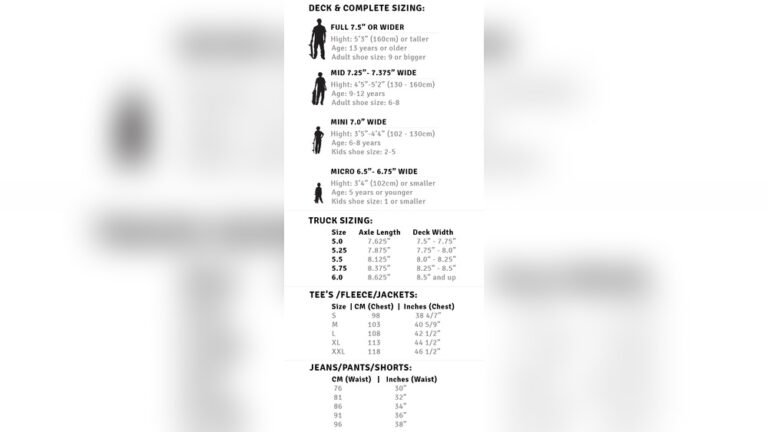
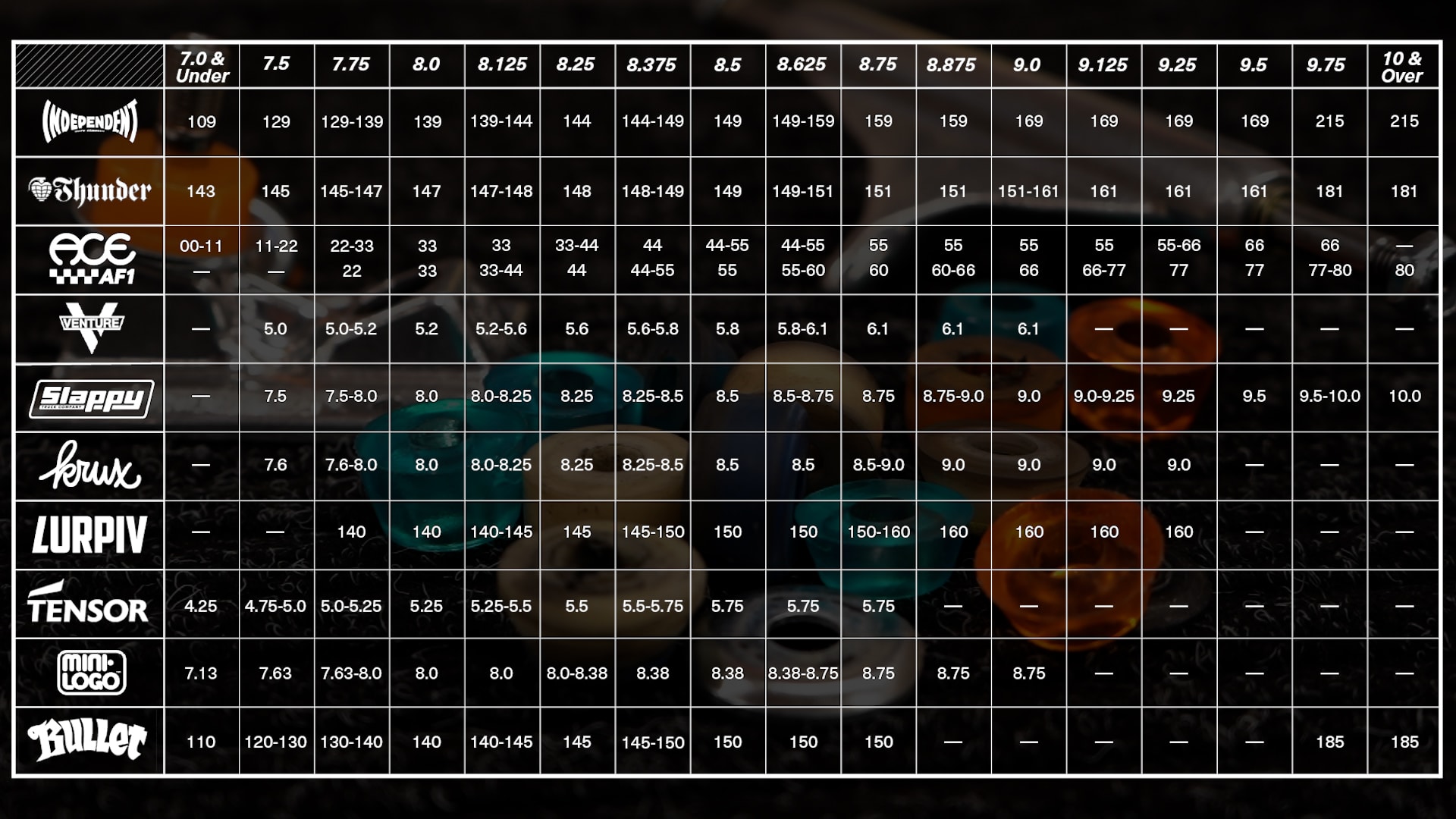
Choosing the right truck size is the first step. The most important thing is axle width — the distance from one wheel to the other. Ideally, the axle should match your board’s width.
Matching Trucks To Deck Width
Here’s a quick guide for common deck sizes:
| Deck Width (inches) | Recommended Axle Width (inches) | Truck Hanger (mm) |
|---|---|---|
| 7.5″ – 7.75″ | 7.5″ – 7.75″ | 127-132mm |
| 7.75″ – 8.0″ | 7.75″ – 8.0″ | 132-137mm |
| 8.0″ – 8.25″ | 8.0″ – 8.25″ | 137-144mm |
| 8.25″ – 8.5″ | 8.25″ – 8.5″ | 144-149mm |
| 8.5″ and up | 8.5″ and up | 149mm and up |
If your trucks are too wide, your wheels may stick out and catch on things. Too narrow, and your board feels unstable. For beginners, matching the axle to your deck width is the best choice.
Truck Height: Low, Mid, Or High?
Truck height affects how your skateboard turns and what size wheels fit. The three main heights are:
- Low: More stable, good for small wheels (50-53mm), easier to flip tricks.
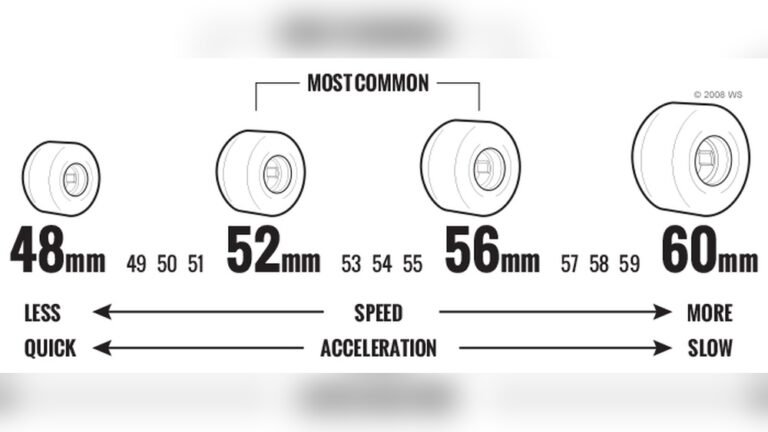
- Mid/Standard: All-around use, fits wheels 52-56mm, best for most skaters.
- High: Looser turns, fits larger wheels (54mm+), good for cruising and vert.
A non-obvious insight: High trucks with small wheels can feel unstable, and low trucks with big wheels may cause “wheelbite” (wheels hitting the deck).
Credit: www.tactics.com
Materials And Construction
Trucks need to be tough but not too heavy. Most are made from aluminum alloys. Some have extra features for strength or weight savings.
Common Materials
- Aluminum: Most popular. Strong, light, affordable.
- Steel: Used for axles and kingpins. Very strong but heavier.
- Titanium: Ultra-light, strong, but expensive. Rare except in high-end trucks.
- Magnesium: Lighter than aluminum, but less durable for heavy grinding.
Some trucks use hollow axles or kingpins to save weight. For most skaters, standard aluminum trucks work well. If you skate a lot of stairs or rails, look for reinforced models.
Durability Vs. Weight
A lighter truck helps with flips and carrying your board. But if you weigh more than 180 lbs, or skate big drops, choose a stronger truck (even if it’s heavier). Many beginners buy the lightest trucks, but they can break faster under hard use.
Truck Geometry And Turning
How a truck turns depends on its geometry — the angles and shapes of the parts. Two main factors matter most:
Hanger Angle
The angle between the baseplate and the hanger affects turning. Most standard trucks are around 50° (degrees). A higher angle means sharper turns, while a lower angle is more stable at speed. For street and park skating, standard geometry is best.
For downhill or carving, special “reverse kingpin” trucks with higher angles are popular.
Bushings And Kingpins
Bushings are small rubber rings around the kingpin. Softer bushings make turning easier, while harder ones make trucks stiffer. Heavier riders may need harder bushings. Some trucks use “inverted” or “hollow” kingpins for less weight or more grind clearance.
Credit: www.surf-skateboards.com
Types Of Skateboard Trucks
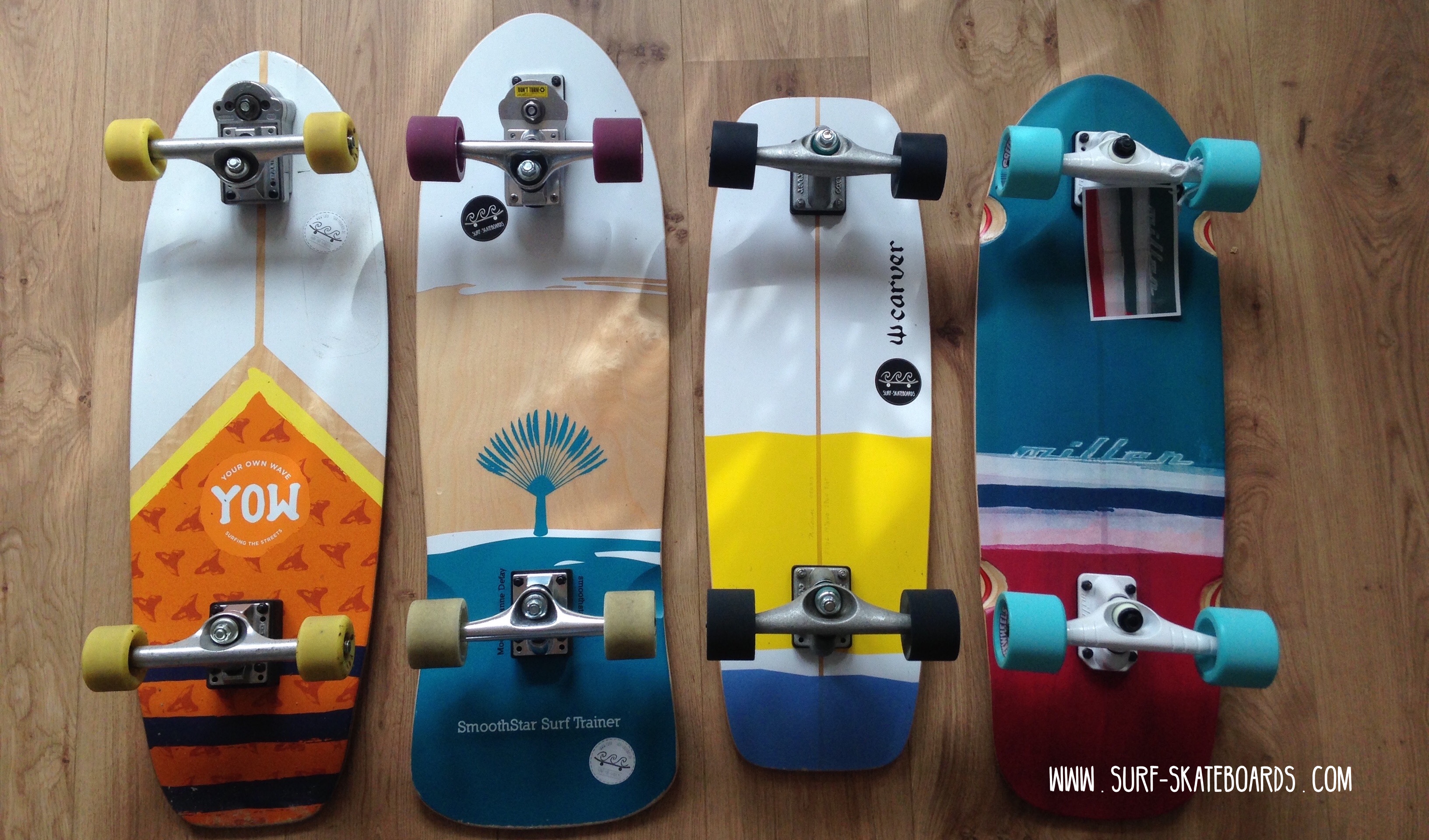
Not all trucks are the same. Here are the most common types:
1. Standard Kingpin Trucks
Used for most skateboards. Good for street and park skating.
2. Reverse Kingpin Trucks
Used for longboards, cruising, and downhill. Easier turns, more stable at high speeds.
3. Hollow Trucks
Lighter weight, often with hollow axles or kingpins. Good for technical tricks.
4. High-strength/heavy Duty
Made for big drops or heavy riders. Stronger materials or reinforced designs.
5. Custom/pro Model Trucks
Designed with special features or graphics. Often more expensive, but not always better for beginners.
A detail many miss: Some specialty trucks only fit certain decks, especially on longboards or old-school shapes. Always check compatibility.
Popular Skateboard Truck Brands
Some brands have a strong reputation for quality and performance. Here’s a quick comparison of top choices:
| Brand | Known For | Price Range (USD) |
|---|---|---|
| Independent | Durability, all-around performance | $50-$70 |
| Thunder | Lightweight, quick turning | $45-$65 |
| Tensor | Very light, technical tricks | $40-$60 |
| Venture | Stability, good for beginners | $45-$65 |
| ACE | Carving, smooth turning | $50-$70 |
Well-known brands usually offer better quality control and replacement parts. But some cheaper brands work fine for learning.
Choosing Trucks For Your Skating Style
The best trucks depend on how and where you skate.
Street Skating
For street tricks, like flips and grinds:
- Choose lightweight trucks (hollow options are good)
- Low to mid height for better board control
- Strong axles for grinding
Park And Vert Skating
For ramps, bowls, or skateparks:
- Mid to high trucks for better carving and big wheels
- Durable materials to handle heavy landings
Cruising And Commuting
For cruising the city or riding long distances:
- High trucks with larger wheels (55mm+)
- Softer bushings for easy turning
- Consider reverse kingpin trucks for extra stability
Downhill And Freeride
For speed and sliding:
- Reverse kingpin trucks with wide axles
- Stiffer bushings for stability at high speeds
Key Features To Compare Before Buying
When shopping, focus on these points:
- Axle Width — Must match your deck width for balance.
- Truck Height — Pick based on your wheel size and style.
- Weight — Lighter for tricks, stronger for durability.
- Bushing Hardness — Softer for easy turning, harder for stability.
- Baseplate Angle — Higher for carving, standard for street.
- Brand and Quality — Trusted brands have better reliability.
- Price — Quality trucks start around $40, but pro models go higher.
A hidden tip: Sometimes, “pro” or signature trucks only differ by color or graphics. The performance is often the same as standard models.

Credit: shop.ccs.com
Common Mistakes To Avoid
Many beginners make simple mistakes when buying skateboard trucks:
- Picking trucks too wide or too narrow for the deck
- Choosing the lightest trucks without thinking about strength
- Not checking if the hardware (bolts) fits the baseplate holes
- Overlooking bushing hardness for their weight
- Mixing different brands front and back (can feel strange)
Always double-check size charts and ask for advice if unsure.
Maintenance And Longevity
Good trucks can last years with care. Still, they take a lot of impact, so check them regularly:
- Tighten loose bolts and nuts
- Replace worn bushings for smoother turning
- Watch for bent axles after heavy landings
- Clean and re-grease pivot cups if turning feels stiff
If your hanger wears down from grinding, replace the trucks before it breaks. Quality trucks are a good investment because they outlast decks and wheels.
Real-world Examples And Data
Some stats help show what skaters really use:
- According to a 2023 survey, about 65% of street skaters use 8.0″ trucks on 8.0″ decks.
- Independent and Thunder trucks are the two most popular brands among professional street skaters.
- Skaters over 200 lbs often report longer truck life with reinforced or titanium models.
Pro skater Jamie Foy, known for big handrails, uses high-strength trucks to avoid breaking gear mid-session. Meanwhile, technical skaters like Daewon Song choose ultra-light trucks for easier flip tricks.
For more on truck design, see the Wikipedia skateboard truck page.
Frequently Asked Questions
What Size Skateboard Trucks Should I Get For An 8.0″ Deck?
You should get trucks with an axle width of 8.0 inches (about 137-144mm hanger). This ensures your wheels line up with the deck edges for the best balance and control.
Can I Mix Different Brands Of Trucks On My Skateboard?
It’s not recommended. Mixing truck brands can change how your board turns and feels, because each brand has slightly different geometry. For a smooth ride, use the same brand and model for both trucks.
What Are Hollow Trucks, And Should Beginners Use Them?
Hollow trucks have hollow axles and/or kingpins to save weight. They are good for tricks, but may be less durable under heavy impact. Beginners can use them, but heavier skaters or those jumping stairs may want standard solid trucks first.
How Often Should I Replace My Skateboard Trucks?
Replace trucks if they are bent, cracked, or the hanger is worn thin from grinding. With normal street skating, trucks can last 1-3 years. If you skate every day or do big tricks, check them every few months.
Are Expensive Trucks Worth The Price?
For most skaters, mid-range trucks ($40-$70) from a top brand are best. More expensive trucks might be lighter or have special features, but the difference is small for beginners. Quality matters more than price.
—
Picking the right skateboard trucks is more than just matching a number. It’s about understanding your style, your board, and what you want to do. Take time to measure your deck, think about your skating goals, and compare features. Quality trucks last longer, feel better, and can boost your confidence on the board.
With the right choice, every session feels smoother and more fun.