Skateboard Bushings Guide: Maximize Your Ride Performance
Skateboarding is not just about the deck, wheels, or tricks. It’s also about the small parts that shape your ride. One of the most underestimated components is the skateboard bushings. These tiny pieces of urethane sit inside your trucks and control how your board turns, feels, and responds. If you want smoother carves, sharper turns, or more stability, understanding bushings is key. Whether you’re a beginner or a seasoned skater, learning about bushings can transform your skateboarding experience.
What Are Skateboard Bushings?
Bushings are small rubber or urethane rings placed between the hanger and baseplate of your skateboard trucks. They act like cushions, allowing your trucks to pivot when you turn. Most skateboards have two bushings per truck: the top (closest to the kingpin nut) and the bottom (closest to the baseplate). Together, they manage how your board reacts to weight, pressure, and movement.
The material, shape, and hardness of bushings change your board’s feel. Softer bushings give you more turning ability, while harder ones offer stability. Many new skaters don’t realize that bushings wear out and lose their performance over time. Replacing them can revive your board without spending much.
Types Of Skateboard Bushings
Bushings come in several shapes and hardness levels. Each type suits different riding styles, weights, and preferences.
Shapes
1. Cone Bushings
Cone bushings are shaped like a cone and are usually softer. They allow for quick turns and deep carves. Most cruisers and longboards use cone bushings for easy maneuvering.
2. Barrel Bushings
Barrel bushings are cylindrical. They provide more resistance and stability, ideal for downhill skating or tricks that need a firm board.
3. Double Barrel
Both bushings are barrel-shaped. This setup is common for speed and downhill, where stability is crucial.
4. Double Cone
Both bushings are cone-shaped, giving maximum turn and flexibility. This is rare and mainly used for freestyle or dancing.
5. Step Bushings
Step bushings have a unique shape with extra “steps. ” They balance stability and turning, often found in premium setups.
Hardness (durometer)
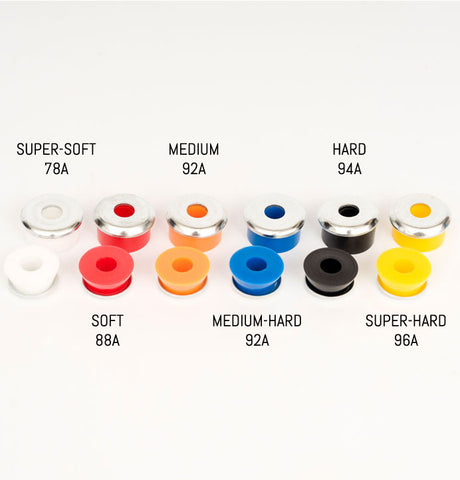
Bushings are rated by durometer (usually on the “A” scale). The durometer tells you how hard or soft the bushing is.
- Soft (78A–90A): Easy turning, good for light riders or cruising.
- Medium (91A–95A): Balanced, popular among all-around skaters.
- Hard (96A–100A): Stable, best for heavy riders, tricks, and downhill.
Here’s a quick overview:
| Durometer | Best For | Typical Weight Range |
|---|---|---|
| 78A–85A | Carving, Cruising | Under 110 lbs |
| 86A–90A | Light Tricks, All-Around | 110–140 lbs |
| 91A–95A | Street, Park | 140–170 lbs |
| 96A–100A | Downhill, Heavy Riders | Over 170 lbs |

Credit: www.motionboardshop.com
How Bushings Affect Performance
Changing bushings is one of the easiest ways to tweak your board. Here’s how they impact the ride:
- Turning: Softer bushings let your trucks turn more. Harder bushings resist turning, making your board feel stiff.
- Stability: Hard bushings keep your board stable, especially at high speeds. Soft bushings can make your board wobble if you’re going fast.
- Responsiveness: The right bushing setup makes your board respond better to your movement. If your board feels slow or too loose, bushings might be the problem.
- Comfort: Softer bushings absorb vibration, making rough roads feel smoother.
Many beginners miss that bushings can be customized for each truck. If your board feels weird, try changing only the front or rear bushings. This trick can balance turning and stability.
Choosing The Right Bushings
Picking bushings is not “one size fits all.” You must consider your weight, riding style, and board type.
Factors To Consider
1. Your Weight
Heavier skaters need harder bushings for control. Lighter skaters should use softer bushings for easy turning.
- Riding Style
- Cruising: Softer, cone bushings for easy carving.
- Street/Tricks: Medium to hard, barrel bushings for stability.
- Downhill: Hard, double barrel bushings for speed.
- Freestyle/Dance: Softer, double cone bushings for flexibility.
- Truck Compatibility
Not all bushings fit every truck. Check the size and shape recommended by your truck manufacturer.
4. Personal Feel
Some skaters prefer a loose board; others want it tight. Try different setups until you find what feels best.
Common Mistakes When Choosing Bushings
- Ignoring Weight: Using bushings that are too soft for your weight can cause wobbles and unsafe rides.
- Buying Cheap Bushings: Low-quality bushings wear out fast and don’t perform well.
- Wrong Shape: Using the wrong shape for your style can make your board feel awkward.
How To Install Skateboard Bushings
Changing bushings is simple, but there are tricks to get it right.
- Remove the Kingpin Nut: Use a skate tool or wrench to loosen the kingpin nut.
- Take Out Old Bushings: Slide off the old bushings and washers.
- Place New Bushings: Put the new bushings on, starting with the bottom bushing.
- Add Washers: Some setups need washers. They help keep bushings from deforming.
- Tighten the Kingpin Nut: Tighten until you feel resistance but don’t over-tighten. Over-tightening can crush bushings and ruin their function.
Tip: After installing new bushings, ride your board for a few days. Bushings need time to “break in” and reach their true feel.
Comparing Popular Bushing Brands
Several brands offer high-quality bushings. Each has its own features and price points. Here’s a comparison of three popular brands:
| Brand | Main Features | Price Range | Best For |
|---|---|---|---|
| Bones | High rebound, long-lasting | $10–$15 | All-Around, Street |
| Riptide | Many shapes, custom options | $12–$18 | Downhill, Custom setups |
| Independent | Classic feel, easy fit | $8–$12 | Park, Beginner |
Insight: Some brands use special urethane formulas that resist “memory loss.” That means bushings keep their shape longer, even after hard sessions.
Credit: fulkit-skateboards.com
Tuning Your Bushings For Different Styles
Bushings can be tuned for different types of skating. Adjusting the setup makes a big difference.
For Street And Park
- Use medium to hard barrel bushings.
- Tighten the kingpin nut for stability.
- Add washers for extra support.
For Cruising And Carving
- Use soft, cone bushings.
- Leave the kingpin nut slightly loose.
- Try double cone setups for deep turns.
For Downhill
- Use hard, double barrel bushings.
- Tighten kingpin for maximum control.
- Choose high-quality washers to prevent deformation.
For Freestyle And Dancing
- Use soft bushings for flexibility.
- Try mixing cone and barrel shapes.
- Experiment with different durometers in front and rear trucks.
Pro Tip: If your board turns too much in one direction, swap only the bushings in the front truck. This trick is rarely known but can help balance your ride.
How Often Should You Replace Bushings?
Bushings wear out over time. Signs of worn bushings include cracks, flattening, or loss of rebound. Most skaters replace bushings every 6–12 months, depending on riding style and conditions.
Signs Your Bushings Need Replacing
- Board feels stiff or unresponsive
- Turns feel uneven or “sticky”
- Visible cracks or splits
- Bushings look flattened or deformed
Here’s a simple comparison:
| Condition | Performance | Recommended Action |
|---|---|---|
| New | Responsive, smooth | Ride and break in |
| Worn | Stiff, slow turns | Replace soon |
| Damaged | Unsafe, unpredictable | Replace immediately |
Non-obvious Insight: Many riders don’t realize that weather affects bushings. Cold temperatures can make them harder, while heat softens them. If you skate in different climates, keep extra bushings for tuning.
Credit: vandemlongboardshop.co.uk
Advanced Bushing Setups
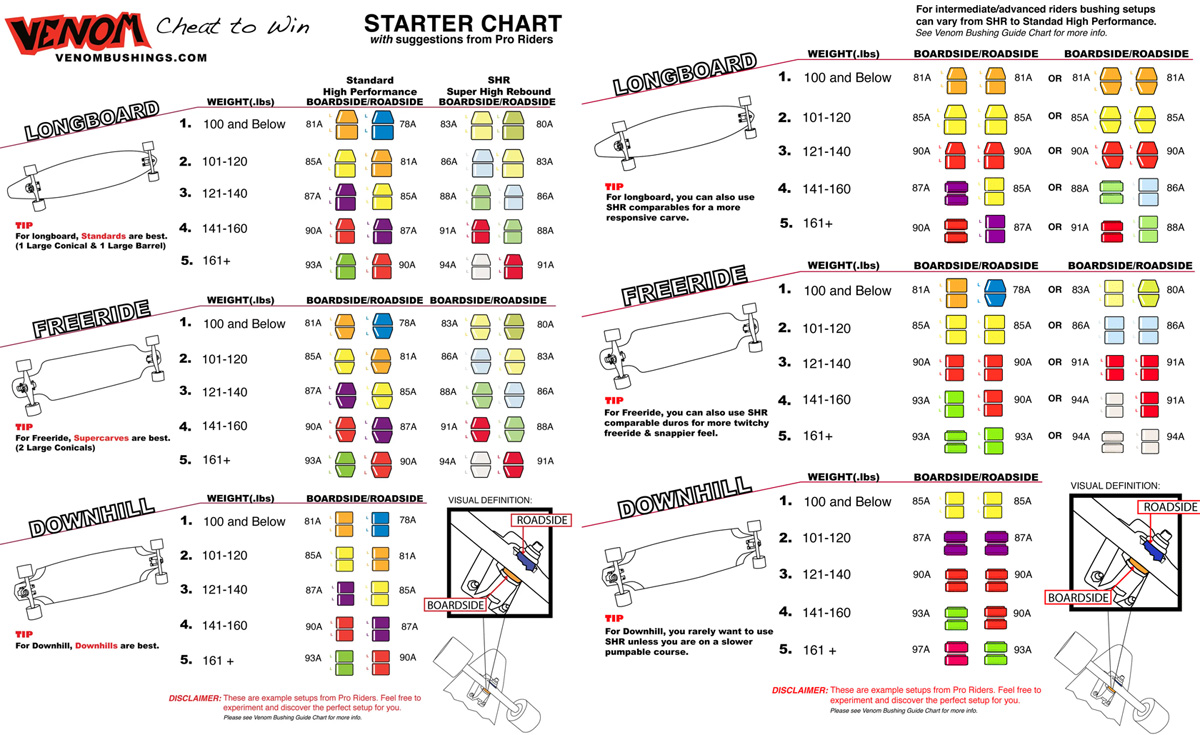
Some skaters like to “mix and match” bushings for a custom ride. For example, using a softer bushing up front and a harder one in the rear truck can combine smooth turning with stable control. This setup is popular in longboarding and downhill.
Another advanced trick is using washers of different thicknesses. Thicker washers reduce flex and improve stability, while thinner washers allow more movement. Experimenting with washer types can unlock new performance levels.
Where To Learn More
Bushings are a deep topic. If you want to explore advanced setups or learn about materials, check out Wikipedia’s Skateboard page for extra details and history.
Frequently Asked Questions
What Do Bushings Do On A Skateboard?
Bushings help your trucks turn and pivot. They act as cushions, letting your board flex when you carve, turn, or land tricks. Without bushings, your skateboard would feel rigid and hard to control.
How Do I Know Which Bushing Hardness To Choose?
Start with your weight and riding style. Light riders should pick softer bushings (under 90A). Heavy riders or those skating fast should use harder bushings (over 95A). Test different durometers to find your best match.
Can I Use Any Bushings On Any Skateboard Truck?
Most bushings fit standard skateboard trucks, but some brands have unique sizes or shapes. Always check compatibility with your truck manufacturer before buying new bushings.
How Tight Should I Make My Bushings?
Tighten your kingpin nut until the bushings compress slightly, but don’t squash them flat. Overtightening can ruin the bushings and make your board hard to turn. If you hear squeaks or feel resistance, loosen a bit.
Do Bushings Make A Difference For Tricks?
Yes! Bushings affect stability and turning. Hard bushings give you a stable platform for tricks, while softer bushings help with carving and smooth landings. The right setup can make tricks easier and safer.
Skateboard bushings are small, but they have a big impact. Understanding how they work, what types to choose, and how to tune them gives you control over your board. Whether you’re carving, tricking, or cruising, the right bushings help you skate with confidence and comfort.
Experiment with different setups, pay attention to your board’s feel, and don’t overlook bushings—they might be your next big upgrade.