Common Skateboard Problems And Fixes: Expert Solutions Revealed
Skateboarding is more than just a sport or a way to get around. For many people, it’s a passion and a lifestyle. But whether you’re a beginner or a seasoned skater, skateboard problems can pop up at any time. Knowing how to fix them quickly keeps you safe and helps you enjoy smoother rides.
This guide will show you the most common skateboard problems, how to spot them, and practical fixes you can do yourself. With clear explanations, examples, and a focus on what really matters, you’ll learn how to keep your board rolling without frustration.
Deck Problems And Solutions
The deck is the main part of your skateboard. It’s where you stand and do tricks. Because it takes a lot of impact, problems with the deck are common.
Cracks And Chips
Small cracks and chips often appear on the tail or nose. These usually happen when the board hits the ground hard, or from normal use over time.
Fix:
If the crack is small, use strong wood glue. Squeeze glue into the crack and clamp the area until it dries. For chips, you can sand the area to smooth it out. If the crack is deep or runs across the deck, it’s safer to replace the board.
Riding on a weak deck can cause sudden breaks and injuries.
Tip: Always check for cracks before trying big tricks. A deck that seems fine can snap under pressure.
Razor Tail
Razor tail happens when the tail of your deck wears down and becomes thin and sharp. This comes from dragging the tail on the ground during tricks or stopping.
Fix:
You can sand the edge to make it smoother, but if the tail is very thin, the board loses pop and control. At this point, it’s better to get a new deck.
Non-obvious insight: Some skaters use tail guards to slow down razor tail, but these can change board feel. Decide if protection or performance matters more for you.
Water Damage
Skateboards made from wood are weak against water. If your board gets wet, it can warp, become soft, or even split.
Fix:
Dry your board as soon as possible. Use a towel and let it air dry indoors. If the deck feels spongy or looks warped, it’s time for a replacement.
Example: Riding through puddles after rain often ruins decks faster than normal use.
Truck Issues And How To Fix Them
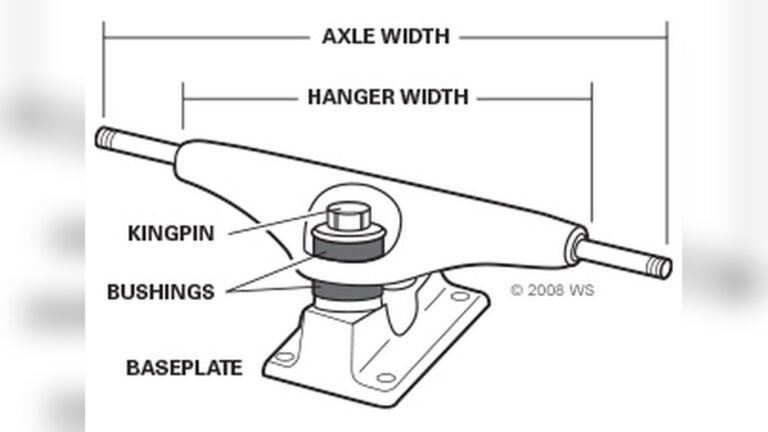
The trucks are the metal parts that connect the wheels to the deck. Good trucks help you turn and balance. Problems here can make your board feel unstable or cause strange noises.
Loose Or Tight Trucks
If your board turns too much or not enough, the trucks might be too loose or too tight.
Fix:
Use a skate tool or wrench to adjust the kingpin nut in the center of the truck. Turn it clockwise to tighten and counterclockwise to loosen.
Tip:
Start small. A quarter-turn can make a big difference. Test your board after each adjustment.
Squeaky Trucks
A common annoyance is squeaky trucks. This usually comes from the bushings (the rubber rings inside the trucks) rubbing against metal.
Fix:
Take the trucks apart and apply a small amount of soap or wax to the bushings. Reassemble the trucks and the squeak should go away.
Pro insight:
Never use oil or grease on bushings—it can make them break down faster.
Bent Or Broken Trucks
Landing hard, especially on uneven ground, can bend or crack trucks. This makes the board hard to control.
Fix:
Check for bends by looking at your board from the side. If a truck is visibly bent or cracked, replace it immediately. Riding on damaged trucks is dangerous.
Common mistake:
Some riders try to bend trucks back into shape. This weakens the metal and can cause sudden failure.
Wheel And Bearing Problems
Wheels and bearings keep your skateboard rolling. Problems here make riding rough, slow, or even impossible.
Flat Spots On Wheels
Sliding or powersliding can create flat spots—areas where the wheel is worn flat instead of round.
Fix:
Small flat spots might smooth out with time. For deep flat spots, replace the wheels. Riding on flat spots feels bumpy and noisy.
Worn Or Cracked Wheels
Wheels wear down naturally. If you see cracks, or if the wheel diameter is much smaller than when new, it’s time to change them.
Data Table: Average Skateboard Wheel Lifespan
| Wheel Type | Average Lifespan | Signs of Wear |
|---|---|---|
| Street Wheels | 3-6 months | Flat spots, cracks, reduced diameter |
| Cruiser Wheels | 6-12 months | Chunking, uneven wear |
| Downhill Wheels | 4-8 months | Coning, surface cracks |
Bearing Problems
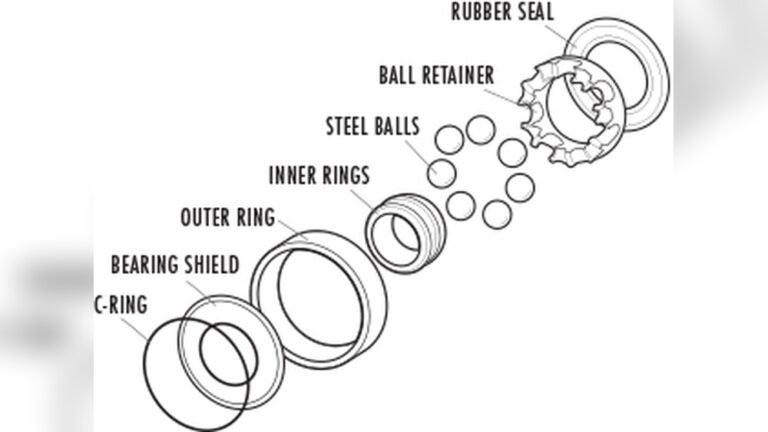
Bearings let your wheels spin. Dirt, water, or hard impacts can damage them. Signs of bad bearings include slow spinning, noise, or the wheel not turning at all.
Fix:
Remove the bearings and clean them with a bearing cleaner or rubbing alcohol. Dry completely, then add a drop of skate-specific lubricant. If the bearing feels rough or won’t spin freely after cleaning, replace it.
Non-obvious insight:
Never use WD-40 or household oils—they attract dirt and can ruin bearings over time.
Grip Tape And Hardware Issues
Worn Grip Tape
The grip tape on your board keeps your feet from slipping. Over time, it can lose its roughness or peel at the edges.
Fix:
For light dirt, use a grip tape cleaner or a hard brush. For smooth or peeling areas, replace the grip tape. Peeling can make tricks harder and increases the risk of slipping.
Loose Or Stripped Hardware
The bolts and nuts that hold your trucks to the deck can loosen or strip with use.
Fix:
Check hardware regularly. Tighten loose bolts with a skate tool. If a nut keeps spinning or won’t tighten, replace it.
Example:
Using the wrong size screwdriver or wrench can strip the bolt heads, making removal difficult.

Credit: www.ifixit.com
Noise And Rattling Problems
Sometimes a skateboard starts making strange noises. These can signal a problem or just be annoying.
Rattling Sounds
A rattling noise often comes from loose hardware, bearings, or truck parts.
Fix:
Check all bolts and nuts. Shake the board gently and listen. Tighten anything that moves. If the noise continues, check the bearings and bushings.
Clicking Wheels
Clicking noises can mean a bearing is not seated properly or a spacer is missing.
Fix:
Remove the wheels and re-seat the bearings. Use spacers between bearings if needed. If the noise continues, inspect for cracks or dirt.
Comparing Skateboard Parts: When To Replace?
Knowing when to fix or replace parts helps you avoid bigger problems and save money. Here’s a comparison of common parts and when replacement is needed.
| Part | Common Problems | Repairable? | When to Replace |
|---|---|---|---|
| Deck | Cracks, chips, razor tail | Small cracks/chips | Deep cracks, water damage |
| Trucks | Bent, squeaky, loose | Squeaky, loose | Bent, cracked |
| Wheels | Flat spots, cracks | Minor flat spots | Deep flat spots, cracks |
| Bearings | Dirty, slow, noisy | Dirty | Rough after cleaning |
| Grip Tape | Worn, peeling | Minor dirt | Peeled, smooth |
Maintenance Tips To Avoid Problems
Regular care keeps your skateboard in good shape and helps you spot small issues before they become big ones.
- Check hardware every week. Tighten loose bolts.
- Clean bearings monthly if you skate often.
- Keep your board dry. Avoid puddles and wet ground.
- Sand rough edges on the deck to stop chips from growing.
- Store indoors. Heat, cold, and humidity can damage parts.
Pro advice:
Don’t ignore small problems—fix them early. A loose nut or tiny crack today can become a broken board tomorrow.
Skater Mistakes That Make Problems Worse
Knowing what not to do is as important as knowing how to fix things. Here are some common mistakes skaters make with board care:
- Using household oil on bearings. It attracts dirt and ruins bearings.
- Ignoring small cracks on the deck. These grow quickly with use.
- Tightening trucks or hardware too much. Over-tightening can crush bushings or strip bolts.
- Storing the board in the car or outside. Extreme temperatures and moisture damage every part.
Credit: shop.tmotor.com
Choosing The Right Parts For Fewer Problems
Not all skateboard parts are equal. Choosing the right quality and type for your riding style helps reduce issues.
Skateboard Deck Materials
- Maple wood is the most common and durable.
- Bamboo is flexible but less common for tricks.
- Plastic decks (like penny boards) are waterproof but not great for tricks.
Wheel Hardness And Size
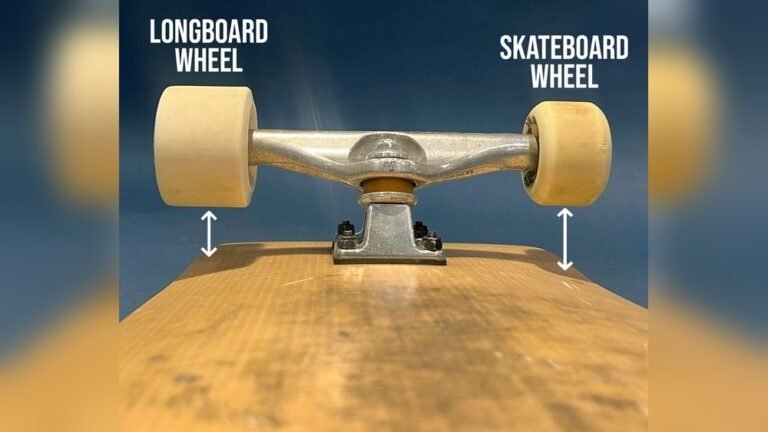
Wheels are measured in durometer (hardness) and diameter.
| Wheel Hardness | Best For | Common Problems |
|---|---|---|
| 78A-87A (soft) | Cruising, rough surfaces | Chunking, wear on rough roads |
| 88A-95A (medium) | All-around use | Some flat spots if sliding |
| 96A-101A (hard) | Street tricks, smooth parks | Flat spots, cracks on rough ground |
Non-obvious insight:
Soft wheels are quieter and smoother, but wear out faster on rough ground. Hard wheels are better for tricks but can chip easily.
When To Ask For Professional Help
Most skateboard fixes are simple, but sometimes you need expert help. For example:
- Deep deck cracks or splits
- Bent trucks after a hard slam
- Bearings that won’t come out of wheels
- Hardware stuck or rusted
A local skate shop can help with these problems. They have tools and experience you might not.
Helpful resource: To learn more about skateboard maintenance and safety, visit the Skateboarders HQ.

Credit: gyroorboard.com
Frequently Asked Questions
What’s The Most Common Skateboard Problem?
The most common problem is loose hardware. Bolts and nuts can loosen after a few rides. Check and tighten them every week to avoid accidents.
How Do I Know If My Deck Is Too Damaged To Use?
If you see a deep crack, feel the board is soft, or notice it flexes more than before, it’s time for a new deck. Small chips are okay, but deep or long cracks are dangerous.
Can I Fix Worn Grip Tape, Or Do I Need To Replace It?
If the grip tape is just dirty, clean it with a hard brush or grip tape cleaner. If it’s smooth or peeling, replacement is the best choice for safety.
How Can I Make My Skateboard Wheels Last Longer?
Avoid sliding on rough surfaces and ride on smooth ground when possible. Rotate your wheels every few weeks to help them wear evenly.
Is It Safe To Skate If My Bearings Make Noise?
No. Noisy bearings usually mean dirt or damage. Clean them or replace them before skating again to avoid wheel lock-ups and accidents.
Taking care of your skateboard is key for safe, fun rides. By learning to spot and fix problems early, you’ll avoid crashes and enjoy more time skating. Every skater faces these issues, but with the right knowledge and a bit of practice, you’ll handle them like a pro.