How To Select Pro Skateboards For Your Kids: Expert Tips
Selecting the right pro skateboard for your child is not just about picking a cool design or the latest trend. It’s about safety, skill development, and making sure your child enjoys skateboarding to the fullest. With so many choices in the market, parents often feel lost. This guide will help you understand what matters when choosing pro skateboards for kids, how to avoid common mistakes, and what features make a skateboard truly suitable for young riders. Whether your child is a beginner or already practicing tricks, you’ll find all the information you need to make a confident decision.
Understanding Pro Skateboards For Kids
Pro skateboards are different from regular toy skateboards. They are built for durability, performance, and safety. Brands design them for tricks, jumps, and higher speeds. For kids, choosing a pro skateboard means investing in quality that lasts and supports real skateboarding skills.
What Makes A Skateboard “pro”?
A pro skateboard usually has these features:
- Solid deck material (often maple wood)
- High-quality trucks (the metal parts connecting wheels to board)
- Responsive wheels and bearings
- Grip tape for foot control
Kids’ pro skateboards are smaller and lighter than adult boards, but still use these pro-level features. This allows children to learn skills safely and progress faster.
Key Factors When Choosing A Pro Skateboard
Every child is different. The right skateboard depends on age, size, skill level, and style. Let’s break down the most important factors.
Deck Size And Shape
The deck is the main board part. Deck size affects balance and control.
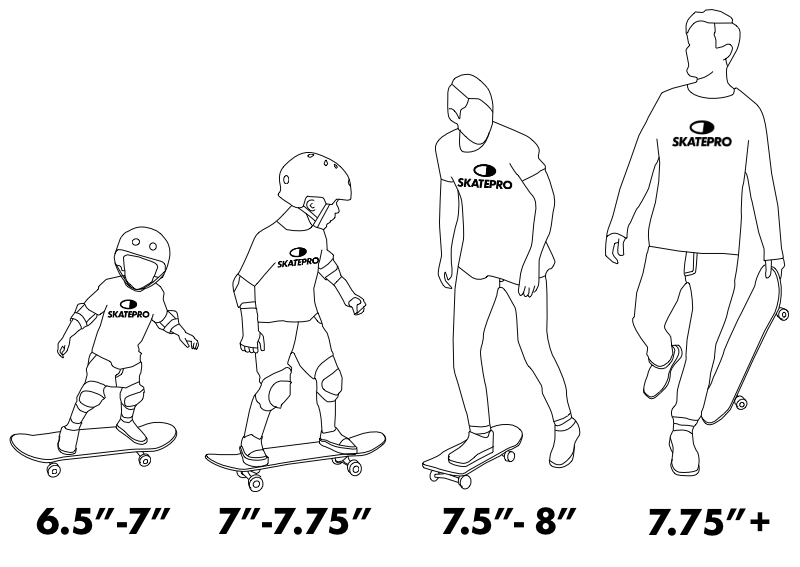
| Age | Deck Width | Deck Length | Recommended Type |
|---|---|---|---|
| 5-8 years | 6.5″–7.0″ | 27″–29″ | Mini |
| 9-12 years | 7.0″–7.5″ | 28″–31″ | Mid-size |
| 13+ years | 7.5″–8.0″ | 31″–32″ | Full-size |
A deck that’s too big makes it hard for kids to balance. Too small, and it limits tricks. Always match the deck size to your child’s age and shoe size.
Deck Material
Most pro skateboards use 7-ply maple wood. This gives strength and flexibility. Avoid boards made of plastic or cheap wood—they break easily and don’t perform well.
Trucks And Wheels
Trucks control turning and stability. For kids:
- Low trucks help balance and are good for beginners.
- Mid/high trucks are better for tricks and ramps.
Wheel size matters, too. Smaller wheels (48–52mm) are easier for young riders to control. Softer wheels (78A–90A) grip the ground, while harder wheels (95A–101A) slide more easily for tricks.
Bearings
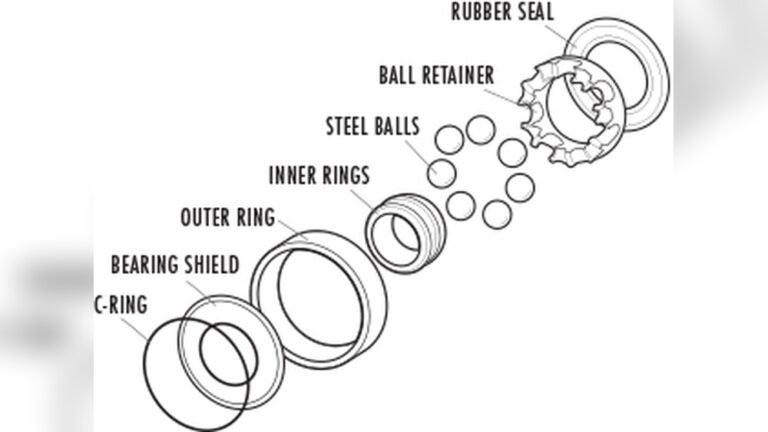
Bearings make the wheels spin. Look for ABEC-5 or ABEC-7 bearings for smooth rides. Cheap bearings slow the board and make pushing harder.
Weight And Build Quality
Kids should be able to lift the board easily. Pro skateboards weigh around 4–5 pounds. Heavier boards are difficult to maneuver.
Test the build quality by checking for:
- Even grip tape (no bubbles or peeling)
- Solid, smooth deck edges
- No cracks or weak spots
Safety Considerations
Safety is the top priority. Pro skateboards are safer because they’re stronger and more reliable. However, you must still check for certain features.
Protective Gear
Never let your child ride without helmet, knee pads, elbow pads, and wrist guards. Even pro boards can’t protect from falls.
Board Design
Look for rounded edges and a smooth finish. Sharp corners increase injury risk. Grip tape should cover the whole deck for better foot security.
Quality Control
Buy from trusted brands. Quality skateboards pass strict safety tests. Cheap boards often have weak trucks or poor grip, leading to accidents.
Comparing Pro Skateboard Brands For Kids
Not all brands are equal. Some focus on youth boards, others make adult boards in smaller sizes. Here’s a comparison of popular pro skateboard brands for kids:
| Brand | Deck Material | Price Range | Age Suitability | Unique Feature |
|---|---|---|---|---|
| Element | 7-ply maple | $65–$90 | 6–12 yrs | Eco-friendly decks |
| Powell Peralta | Hard maple | $80–$120 | 8–14 yrs | Classic graphics |
| Almost | 7-ply maple | $70–$100 | 7–13 yrs | Lightweight builds |
| Santa Cruz | Hard maple | $85–$130 | 9–15 yrs | Bold designs |
| Mini Logo | 7-ply maple | $60–$80 | 6–12 yrs | Affordable pro quality |
Don’t just pick the most famous brand. Check which ones specialize in youth boards and offer real pro features.

Credit: www.skatexs.com
Skill Level: Matching The Board To Your Child
A skateboard for a beginner is not the same as one for a young pro. Think about your child’s ability before buying.
Beginner
Kids just learning need boards with:
- Wider decks for stability
- Softer wheels for grip
- Low trucks for easy balance
Avoid boards built for advanced tricks—they are less forgiving and can discourage new learners.
Intermediate
As kids progress, they need:
- Medium-width decks for more control
- Harder wheels for learning slides and tricks
- Strong trucks for jumps
Advanced
For kids already doing ollies, flips, and ramps:
- Full-size pro boards (7.5″–8.0″ wide)
- High-performance bearings
- Custom grip tape
Don’t rush upgrades. A board that’s too advanced can lead to frustration and injury.
Buying Complete Skateboards Vs Custom Builds
Parents often wonder if they should buy a complete skateboard or build one from parts. Let’s look at the differences.
Complete Skateboards
A complete skateboard is ready to ride out of the box. It includes deck, trucks, wheels, bearings, and grip tape. For most kids, this is the best choice.
Advantages:
- Simpler to buy
- Lower cost (often $60–$120)
- Balanced parts
Custom Builds
Building a custom skateboard means choosing each part separately. This is usually best for advanced riders with specific preferences.
Advantages:
- Total control over features
- Can match child’s exact needs
Disadvantages:
- More expensive
- Harder to assemble
For young beginners or intermediate riders, stick with complete pro boards. Save custom builds for teenagers or kids who know exactly what they want.
Common Mistakes Parents Make
When buying a skateboard, many parents make errors that lead to wasted money or unhappy kids.
- Choosing by looks only – Cool graphics are nice, but function matters more.
- Buying oversized boards – Too big makes learning difficult.
- Ignoring weight and build quality – Heavy boards are hard to control.
- Skipping safety gear – Injuries are more common with poor protection.
- Buying cheap, non-pro boards – They break easily and frustrate young riders.
A less obvious mistake: ignoring the skate park rules. Many parks require specific board types for safety. Ask about local rules before buying.
Where To Buy Pro Skateboards For Kids
You can find skateboards in toy stores, sports shops, and online. But not every shop sells real pro boards.
Specialty Skate Shops
Local skate shops often carry quality pro boards. Staff can help you choose the right size and style for your child. You can also check board weight and feel in person.
Online Stores
Websites like CCS, Skate Warehouse, and Zumiez offer detailed specs and reviews. Be sure to read customer feedback. Look for return policies in case the board isn’t right.
Avoid General Toy Stores
Most toy stores sell cheap, non-pro boards. These are fine for very young kids, but not for real skateboarding.
Credit: www.skatexs.com
Skateboard Maintenance Tips For Parents
A pro skateboard needs care to last. Teach your child these simple maintenance steps:
- Check for cracks in the deck weekly
- Clean grip tape with a soft brush
- Tighten trucks if they feel loose
- Lubricate bearings every few months
- Replace wheels if they get flat spots
Regular care keeps the board safe and smooth. It also teaches responsibility.
Skateboarding Styles And Their Impact
Kids use skateboards in different ways. The style your child wants affects which pro board is best.
Street Skateboarding
- Needs smaller, lighter boards for tricks and jumps
- Hard wheels for sliding
Park/ramp Skateboarding
- Medium boards with stronger trucks
- Slightly wider decks for stability
Cruiser/longboarding
- Not recommended for young kids or beginners
- Boards are longer and heavier
If your child is not sure, start with a street/park board. These are versatile and good for learning.
Skateboard Costs: What To Expect
Pro skateboards cost more than basic boards. Here’s a breakdown:
| Type | Price Range | What You Get |
|---|---|---|
| Pro Complete | $60–$120 | Full setup, ready to ride |
| Custom Build | $120–$200 | High-end parts, custom assembly |
| Non-Pro Board | $30–$60 | Basic setup, limited features |
Investing in a pro skateboard often saves money long-term. Cheap boards break faster, leading to more replacements.
Non-obvious Insights Most Parents Miss
- Board stiffness affects learning – Boards that are too stiff or too flexible make tricks harder. Choose medium flex for beginners.
- Wheel hardness changes grip – Softer wheels (lower number) stick to the ground, ideal for young riders. Harder wheels (higher number) slide more, which is risky for new skaters.
Many parents think “pro” means only for experts. In reality, a pro board just means higher quality and better safety—even for beginners.
How To Test A Skateboard Before Buying
If you can, let your child try the board:
- Stand on the deck: Feet should fit comfortably with toes and heels near the edges.
- Try rolling: Wheels should spin smoothly and not wobble.
- Lift the board: Your child should be able to carry it without effort.
Watch for signs of discomfort or poor balance. If the board feels awkward, try a different size.
Environmental Impact: Eco-friendly Choices
Some brands use eco-friendly materials and processes. Element, for example, uses sustainable wood and water-based glues. If you care about the environment, ask about these options. Boards made responsibly also tend to last longer.
Credit: www.skatepro.com
Practical Buying Tips For Parents
- Ask your child’s opinion, but guide them on features.
- Check reviews from other parents and young skaters.
- Look for warranties—some brands offer free part replacement.
- If buying online, measure your child’s shoe size and height for accurate deck sizing.
A good skateboard shop will answer your questions and let your child test boards. Don’t rush the decision.
Skateboarding And Child Development
Skateboarding helps kids develop:
- Balance and coordination
- Confidence
- Social skills (at skate parks)
- Discipline (practicing tricks)
A quality pro skateboard makes learning easier and safer. Studies show that children who start with proper equipment are more likely to stick with the sport.
For more insights on skateboarding’s impact, see this article from Wikipedia.
Frequently Asked Questions
What Size Skateboard Should My Child Use?
Choose the deck size based on your child’s age and shoe size. For most kids 5–8 years old, a mini deck (6.5″–7.0″ wide) is best. Kids 9–12 years can use a mid-size deck (7.0″–7.5″ wide). Teens usually need a full-size deck (7.5″–8.0″ wide).
Are Pro Skateboards Safer Than Regular Boards?
Yes. Pro skateboards use stronger materials and better construction. They are less likely to break and provide more control. However, safety gear is always needed, no matter the board quality.
Should I Buy A Complete Skateboard Or Build One?
For most kids, a complete skateboard is easier and cheaper. It includes all matched parts and is ready to ride. Custom builds are good for advanced riders with specific needs.
How Much Should I Spend On A Pro Skateboard For My Child?
Expect to spend $60–$120 for a reliable pro skateboard. Cheaper boards may not last and can be unsafe. Investing in quality saves money in the long run.
How Often Should I Check My Child’s Skateboard For Damage?
Check the board once a week for cracks, loose trucks, worn wheels, and grip tape issues. Regular checks prevent accidents and keep the board in good shape.
Choosing a pro skateboard for your child is a mix of research, testing, and understanding your child’s needs. The right board supports skill growth, safety, and fun. Take your time, ask questions, and use this guide to make a smart, confident choice.
Skateboarding can be a lifelong passion—starting with the right equipment makes all the difference.