
Inline skating, a dynamic and exhilarating sport, has captivated audiences with its blend of athleticism, creativity, and daring. From street cruising to gravity-defying stunts, inline skaters showcase incredible skill and passion. This has naturally led many to wonder about its place in the world of extreme sports and, more specifically, its presence at one of the most prominent stages: the X Games.
The X Games, renowned for pushing the boundaries of what’s possible in action sports, have a rich history of showcasing diverse disciplines. Understanding whether inline skating has been a part of this iconic event requires a look back at the X Games’ evolution and the trajectory of inline skating itself. This article explores the intricate relationship between inline skating and the X Games, examining its past appearances, the reasons for its inclusion or exclusion, and the ongoing discussions surrounding its potential return. We’ll dive into the specific disciplines within inline skating that have been featured, the athletes who have made their mark, and the broader impact of the X Games on the sport’s visibility and growth. By understanding this connection, we can gain a deeper appreciation for the evolution of extreme sports and the ever-changing landscape of competitive athletic showcases.
Key Takeaways
- Inline skating, particularly aggressive inline skating, was included in the X Games from the event’s early years and was part of the program for about a decade before being dropped from the main U.S. X Games in 2005.
- Featured disciplines included not only park and vert, but also street, downhill, best trick/big air, and vert triples in various years.
- The sport’s peak X Games presence came in the late 1990s, when it had more event slots than many other action sports and drew major attention.
- ESPN removed aggressive inline skating from the full X Games competition lineup in 2005, replacing it with other events as the program evolved.
- Inline skating remains active in other major competitions and has continued to maintain a strong core community even after its X Games exit.
- The legacy of inline skating in the X Games includes landmark performances by athletes such as Fabiola da Silva and Taïg Khris.
The Golden Era: Inline Skating At The X Games
The late 1990s and early 2000s marked a significant period for inline skating, and this burgeoning popularity directly translated into its inclusion in the X Games. During this time, the X Games were in their own formative years, actively seeking out and incorporating new, exciting action sports that resonated with a younger demographic. Aggressive inline skating, with its emphasis on street and park-style tricks, became a natural fit for the X Games’ adventurous spirit.
Inline skating first appeared at the X Games in the mid-1990s, and its footprint grew quickly as the event expanded. By the late 1990s, it had become one of the sport’s most visible competitive platforms, with multiple disciplines featured in the same year. The sport’s presence was strongest in the era before action sports programming became more tightly curated around a smaller number of marquee events.
Aggressive In-line: Park, Vert, And More
The primary format of inline skating featured at the X Games was Aggressive In-line. This discipline is characterized by skaters performing tricks on specialized skates with flat frames designed for grinding and on obstacles like ramps, rails, and stairs. Over the years, the X Games featured several inline formats, including:
-
- Park: Competitions were held in specially designed skate park courses featuring a variety of obstacles. Skaters performed a series of tricks, with judges scoring them based on difficulty, execution, style, and creativity. This mirrored the format seen in skateboarding and BMX park events.
- Vert: This discipline took place on large, U-shaped ramps (vert ramps) where skaters would gain speed and launch into the air to perform aerial tricks. The height of the air, the complexity of the rotations and grabs, and the landing were all crucial scoring components.
- Street: In some years, skaters competed on courses designed to resemble urban terrain, using rails, ledges, stairs, and other obstacles to link technical grinds and airs.
- Best Trick / Big Air / Vert Triples: The X Games also experimented with showcase-style inline events that highlighted spectacular single tricks, huge airs, and team-based vert formats.
The inclusion of these disciplines provided a significant platform for inline skaters to showcase their skills to a global audience. The fast-paced action, innovative tricks, and the inherent risk involved made for compelling viewing, aligning perfectly with the X Games’ brand.
Notable Athletes And Iconic Moments
The X Games stage saw many talented aggressive inline skaters rise to prominence. Athletes like Arlo Eisenberg, Joe Richardson, and Taig Khris became household names among action sports fans. They pushed the boundaries of what was thought possible on inline skates, landing groundbreaking tricks and inspiring a generation of skaters.
Another standout name was Fabiola da Silva, who became one of the most decorated female inline competitors in X Games history and helped define the sport’s elite level during its peak years. Taïg Khris also made history with landmark vert performances, including a breakthrough double backflip milestone that became one of the sport’s signature moments.
One of the most memorable aspects of inline skating’s X Games history includes incredible performances on the vert ramp, with skaters achieving astonishing airtime and executing complex aerial maneuvers. In the park events, the creativity in linking grinds, stalls, and aerials across the diverse obstacle courses was a testament to the sport’s technical depth.
These moments, broadcast to millions, solidified aggressive inline skating’s place within the extreme sports pantheon for a period.
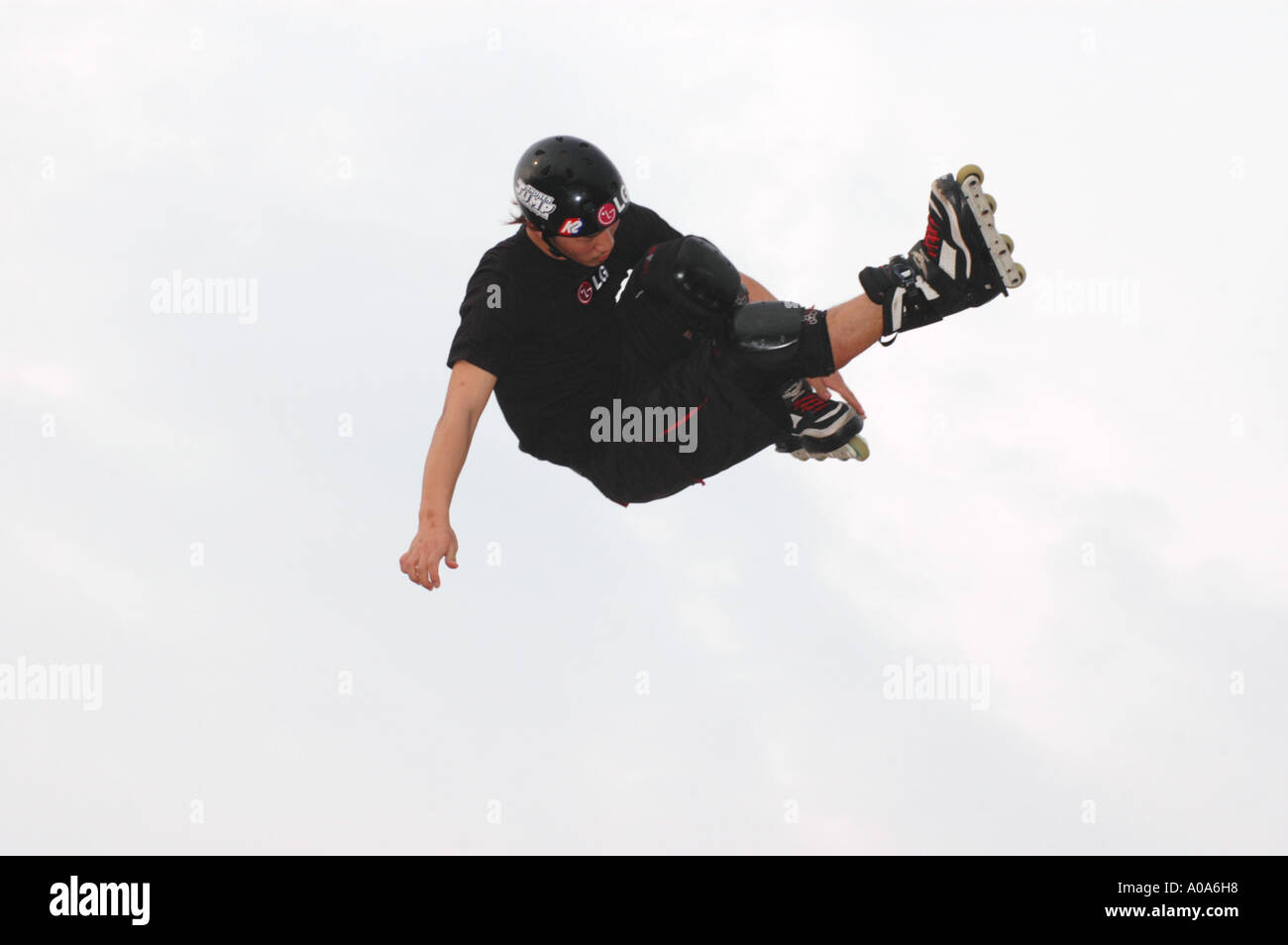
Credit: www.alamy.com
The Evolution Of The X Games And Inline Skating’s Decline
While inline skating enjoyed a significant run at the X Games, its eventual removal from the program was a complex process influenced by several converging factors. The X Games, like any major sporting event, are subject to evolving trends, audience preferences, and the financial viability of different disciplines.
Shifting X Games Focus
Over time, the X Games have demonstrated a dynamic approach to their sport lineup. While initially embracing a wide array of emerging action sports, the organizers have also strategically refined their offerings to focus on disciplines with the strongest viewership and commercial appeal.
In 2005, ESPN announced that aggressive inline skating would no longer be featured as a full competition in the main X Games. That decision marked the end of the sport’s long run in the flagship U.S. event, even though inline skating continued to appear in some international X events where the sport still had stronger regional support.
The late 2000s and early 2010s saw a significant push in sports like Skateboarding (which has seen a resurgence with its Olympic inclusion), BMX, and Motocross, which consistently drew large audiences and attracted major sponsors. As these sports solidified their positions, the resources and broadcast time available for other disciplines, including aggressive inline, became more limited.
Declining Popularity And Participation
A key factor in the phasing out of aggressive inline skating from the X Games was a perceived decline in its mainstream popularity and participation rates compared to its peak in the late 1990s and early 2000s. While dedicated communities continued to thrive, the widespread “fad” appeal that propelled the sport into the X Games spotlight began to wane.
Several reasons are cited for this decline:
-
- Competition from other sports: Skateboarding, BMX, and even new forms of scootering gained significant traction and offered similar or alternative forms of expression and competition. Many skaters also transitioned to skateboarding, which offered a more established competitive circuit and cultural presence.
- Equipment evolution: While inline skates evolved, the development and accessibility of skateboarding and BMX equipment may have outpaced or offered more diverse options for street and park riding.
- Perception and accessibility: In some regions, the cultural perception of inline skating shifted, and the availability of dedicated skate parks that catered to aggressive inline skating might have become less prevalent compared to general-purpose skate parks that often favor skateboarding.
This shift in public interest and participation directly impacted the X Games’ decision-making process, as event organizers prioritize sports with robust athlete pools and engaged fan bases.
The Rise Of New Disciplines
The X Games have always been about showcasing the cutting edge of action sports. As aggressive inline skating’s presence diminished, other disciplines either emerged or gained more prominence. This included the continued growth of Skateboarding and BMX in various formats, the inclusion of FMX (Freestyle Motocross), and later, sports that leveraged technological advancements. The constant evolution of the X Games means that the lineup is always being evaluated, and sports that don’t maintain a strong competitive presence or audience engagement risk being replaced.

Credit: www.youtube.com
The Case For Inline Skating’s Return
Despite its absence from the main X Games program for many years, the conversation around aggressive inline skating’s potential return remains a topic of discussion among fans and athletes. The sport has a passionate core following, and many believe it possesses the skill, spectacle, and athletic prowess to once again earn a spot on the X Games stage.
Enduring Athlete Talent And Innovation
The argument for inline skating’s return often hinges on the continued talent and innovation within the sport. Dedicated inline skaters around the world are still pushing boundaries, developing new tricks, and competing in various independent events and leagues. Organizations like the FISE (Festival International des Sports Extrêmes), which is a significant international action sports event, regularly feature aggressive inline competitions, showcasing a high level of skill and creativity. These events demonstrate that the talent pool and the progression of the sport have not stagnated.
Athletes continue to invent and refine complex aerial maneuvers, technical grinds, and stylish combinations that would undoubtedly captivate an X Games audience. The unique capabilities of inline skates, particularly in their ability to grind and slide on rails and ledges, offer a distinct flavor of technicality that differs from skateboarding or BMX.
Audience Appeal And Spectacle
Inline skating, at its best, is incredibly spectacular. The combination of speed, height, technicality, and daring tricks offers a high-octane viewing experience. Aggressive inline skating, in particular, provides a visual feast of flips, spins, grinds, and stalls that are both impressive and entertaining. The sport’s aesthetic, often rooted in urban culture and a DIY ethos, also resonates with the core demographic that the X Games aims to attract.
Proponents argue that reintroducing aggressive inline skating would not only satisfy a segment of the existing action sports fanbase but also potentially attract new viewers who appreciate the raw athleticism and creativity on display. The unique challenges and solutions presented by inline skates on specific obstacles can offer a fresh perspective compared to other wheeled sports.
What A Return Might Look Like
If aggressive inline skating were to return to the X Games, it would likely focus on the disciplines that previously garnered the most attention:
-
- Aggressive In-line Park: This format, with its emphasis on creative lines and trick combinations across a variety of obstacles, is a strong contender. It allows for individual expression and a showcase of technical prowess.
- Aggressive In-line Vert: The thrill of high-flying aerials on a vert ramp is undeniable. This discipline offers dramatic moments and clear scoring metrics based on air height and trick execution.
There’s also the possibility of exploring newer formats or hybrid events that could potentially incorporate elements of street skating or showcase the unique aspects of modern inline skating, such as advanced grinding techniques or innovative aerial maneuvers. The key would be to present the sport in a way that highlights its current progression and appeals to a broad audience.

Credit: jumpstreetpodcast.com
Comparing Inline Skating To Other X Games Sports
To understand the context of inline skating’s presence and potential return at the X Games, it’s helpful to compare it to other established wheeled action sports that are staples of the event. Each sport offers a unique blend of athleticism, culture, and appeal.
Skateboarding Vs. Aggressive In-line
Skateboarding has been a cornerstone of the X Games since its inception and has seen a significant resurgence, even becoming an Olympic sport.
| Feature | Skateboarding | Aggressive In-line Skating |
|---|---|---|
| Equipment | Four wheels, deck, trucks, bearings | Four wheels (often in a flat setup), boots, frames |
| Primary Focus | Ollies, flips, grinds, slides, transitions | Grinds, slides, aerials, spins, unique boot tricks |
| Obstacles | Stairs, rails, ledges, bowls, ramps, street | Similar to skateboarding, with a focus on grinds |
| X Games Status | Core sport, consistently featured | Previously featured, currently absent from the main U.S. lineup |
| Audience Appeal | Broad, diverse styles, strong cultural roots | Niche, but passionate, visually spectacular |
| Progression | Highly visible, Olympic inclusion, continuous innovation | Strong core community, less mainstream visibility |
While both sports involve riding a board with wheels and performing tricks, the mechanics and aesthetics differ significantly. Skateboarding often emphasizes complex flip tricks and flow through park elements, whereas aggressive inline skating is renowned for its intricate grinding and sliding capabilities on rails and ledges, alongside impressive aerials.
Bmx Vs. Aggressive In-line
BMX (Bicycle Motocross) is another established X Games sport that shares some similarities with aggressive inline skating in terms of the types of tricks performed in park and vert disciplines.
| Feature | BMX | Aggressive In-line Skating |
|---|---|---|
| Equipment | Small bicycle with 20-inch wheels | Inline skates with specialized frames |
| Primary Focus | Aerials, spins, grinds, whips, technical bike control | Grinds, slides, aerials, spins, unique boot tricks |
| Obstacles | Ramps, jumps, rails, bowls, dirt courses | Ramps, rails, ledges, boxes |
| X Games Status | Core sport, consistently featured | Previously featured, currently absent from the main U.S. lineup |
| Audience Appeal | High energy, dynamic, diverse disciplines | Niche, but passionate, visually spectacular |
| Progression | Strong competitive scene, ongoing innovation | Strong core community, less mainstream visibility |
BMX riders utilize the leverage and maneuverability of their bikes to achieve incredible airtime and perform intricate bike manipulations. Aggressive inline skaters, on the other hand, rely on their body’s proximity to the ground and the unique properties of their skates for grinds and stylistic maneuvers that are distinct from BMX.
The Future Of Inline Skating In Competitive Arenas
While the X Games might not currently feature aggressive inline skating, the sport continues to thrive in other competitive environments and holds potential for future inclusion. The landscape of action sports is constantly evolving, and what’s popular today might be different tomorrow.
Independent Events And Leagues
The backbone of aggressive inline skating’s competitive scene lies in a robust network of independent events and leagues. FISE World Series is a prime example, attracting top international talent and providing a high-level platform for aggressive inline competitions. These events often foster a strong sense of community and allow athletes to showcase their skills without the constraints of a larger, more commercially driven event. Other regional and national competitions also play a crucial role in nurturing talent and keeping the competitive spirit alive.
The existence of these thriving independent circuits is often seen as a testament to the sport’s enduring appeal and the dedication of its participants. It demonstrates that even without X Games inclusion, the sport has a viable competitive ecosystem.
Potential For Revival And Broader Appeal
The possibility of aggressive inline skating making a comeback in major events like the X Games or similar showcases is not out of the question. Factors that could contribute to such a revival include:
-
- A surge in mainstream interest: If inline skating were to experience another wave of widespread popularity, driven by social media trends, popular culture, or innovative new skating styles, major events would likely take notice.
- Organized advocacy from the inline community: A concerted effort by athletes, brands, and fans to promote the sport and its X Games potential could influence decision-makers.
- The X Games’ continued exploration of diverse sports: The X Games have a history of revisiting or introducing new disciplines. If organizers see a compelling case for inline skating’s inclusion based on athlete talent and audience engagement, it could be reconsidered.
The development of new inline skate technologies or unique skating styles could also create fresh appeal. For instance, advancements in boot design, frame technology, or wheel configurations might enable previously impossible tricks, generating renewed excitement.
Lessons From Other Sports
The trajectory of skateboarding and BMX at the Olympics offers a potential blueprint. Both sports faced periods of being considered niche or “extreme” but, through consistent effort, community building, and demonstrating their athletic merit, they earned spots on the world’s biggest sporting stage.
Aggressive inline skating could potentially follow a similar path, focusing on building its competitive infrastructure and showcasing its unique value proposition.
Frequently Asked Questions
What Are The Main Disciplines Of Inline Skating That Were Featured In The X Games?
The primary disciplines featured were Aggressive In-line Park and Aggressive In-line Vert, but the X Games also featured other inline formats over the years, including street, downhill, best trick/big air, and vert triples. Park competitions involved skating in specially designed courses with obstacles, while Vert competitions took place on large U-shaped ramps.
Why Was Aggressive Inline Skating Removed From The X Games?
Several factors contributed to its removal, including a perceived decline in mainstream popularity and participation, shifting X Games priorities towards other sports with stronger viewership and commercial appeal, and competition from other action sports like skateboarding and BMX. ESPN formally ended aggressive inline skating as a full competition in the main X Games in 2005.
Are There Still Professional Aggressive Inline Skaters?
Yes, absolutely. Despite not being featured in the X Games, there is a dedicated global community of professional and amateur aggressive inline skaters who continue to innovate, compete in independent events, and push the sport forward.
Could Aggressive Inline Skating Return To The X Games In The Future?
It is possible. The X Games lineup is dynamic, and if aggressive inline skating experiences a resurgence in popularity, demonstrates a strong competitive field, and garners significant audience interest, organizers could reconsider its inclusion. Any revival would likely depend on proving both competitive depth and market demand.
How Does Aggressive Inline Skating Differ From Skateboarding?
While both involve wheeled sports and performing tricks, aggressive inline skating is characterized by its specialized skates designed for grinding and sliding, allowing for unique rail and ledge tricks. It also often features distinct aerial maneuvers and a different body-to-ground proximity compared to skateboarding, which focuses more on flip tricks and board control.
Inline skating, particularly in its aggressive form, has left an indelible mark on the history of action sports. Its time at the X Games, though no longer current, was a significant chapter that showcased the sport’s dynamism and the incredible talent of its athletes to a global audience.
The technical prowess, daring maneuvers, and unique style of aggressive inline skating continue to captivate a dedicated community. While its presence on the X Games stage has faded, the spirit of progression and innovation within the sport remains strong, fueled by independent events and passionate skaters.
The ongoing discussions about its potential return highlight the enduring appeal and spectacle of inline skating, suggesting that its story in the world of competitive extreme sports may not yet be fully written.