Is Skateboarding Hard? Tips to Make Learning Easier
Skateboarding looks exciting, fast, and creative. When you watch someone glide down the street or flip their board in the air, it can seem effortless. But is skateboarding hard? Many beginners wonder if they can learn it quickly, or if they will struggle and fall often.
The truth is, skateboarding is challenging for most people at first, but the difficulty depends on several factors. In this article, you’ll find out what makes skateboarding hard, what skills you need, how long it usually takes to get comfortable, and why some people progress faster than others.
What Makes Skateboarding Difficult?
Learning skateboarding is not just about stepping on a board and rolling. It requires balance, coordination, and confidence. Here are the main reasons skateboarding feels hard for beginners:
1. Balance And Stability
Most people are not used to standing on a moving platform. The skateboard wobbles easily, and your body must adjust quickly. If you don’t have good balance, you will fall often or feel shaky.
2. Fear Of Falling
Falling is a big part of skateboarding. Even skilled skaters fall sometimes. The fear of injury can make you tense, which actually increases the chance of losing balance. Learning how to fall safely is a skill itself.
3. Coordination
Skateboarding uses many muscles at the same time. You need to move your feet, shift your weight, and sometimes use your arms for balance. Beginners often struggle to coordinate these movements.
4. Learning Curve
The first few sessions can feel frustrating. Progress is slow, and it’s easy to feel stuck. Mastering basic moves takes patience and practice.
5. Surface And Environment
Skateboarding is harder on rough or uneven surfaces. Beginners should start on smooth, flat ground. Busy streets, cracks, or ramps add extra difficulty.
Basic Skills Required For Skateboarding
Before you try tricks, you must master these foundational skills:
- Standing on the board: Get comfortable with your feet on the board, finding your balance.
- Pushing: Use your back foot to push and move forward while keeping your front foot on the board.
- Turning: Shift your weight to turn the board left or right.
- Stopping: Use the tail of the board or your foot to slow down and stop.
These skills are simple in theory, but can take days or weeks to learn. For example, pushing smoothly without wobbling is a big milestone for new skaters.
How Long Does It Take To Learn?
Most beginners take about 2–4 weeks to feel comfortable riding and turning. Tricks like the ollie (jumping with the board) can take 1–3 months of practice. However, everyone learns at a different speed. Age, fitness, and how often you practice all make a difference.

Credit: www.vice.com
Comparing Skateboarding To Other Sports
Some people ask if skateboarding is harder than riding a bike, rollerblading, or snowboarding. Here is a simple comparison:
| Sport | Balance Required | Learning Time (beginner) | Risk of Falling |
|---|---|---|---|
| Skateboarding | High | 2–4 weeks | High |
| Biking | Medium | 1–2 weeks | Medium |
| Rollerblading | Medium | 2–3 weeks | Medium-High |
| Snowboarding | High | 1–2 weeks | High |
As you can see, skateboarding requires more balance and usually has a steeper learning curve than biking. Falling is also more common, especially at the start.
Factors That Affect How Hard Skateboarding Feels
Not everyone finds skateboarding equally difficult. Here are some things that make it easier or harder:
Age And Physical Ability
Younger people often learn faster, but skateboarding is not just for kids. Adults can learn too, though it may take longer to build confidence and balance. Good leg strength and flexibility help a lot.
Equipment Quality
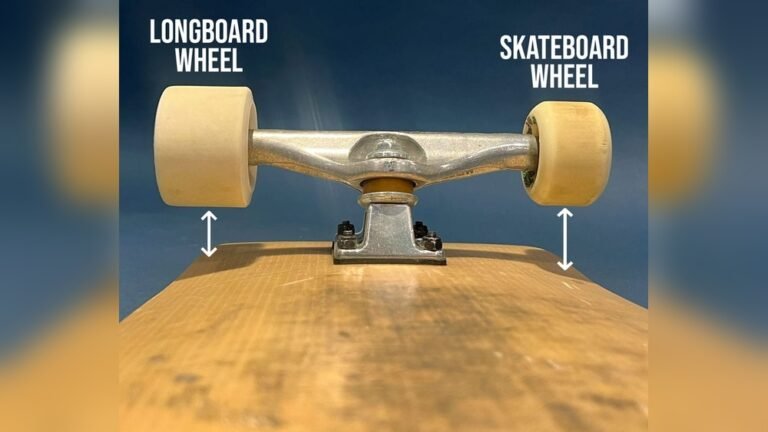
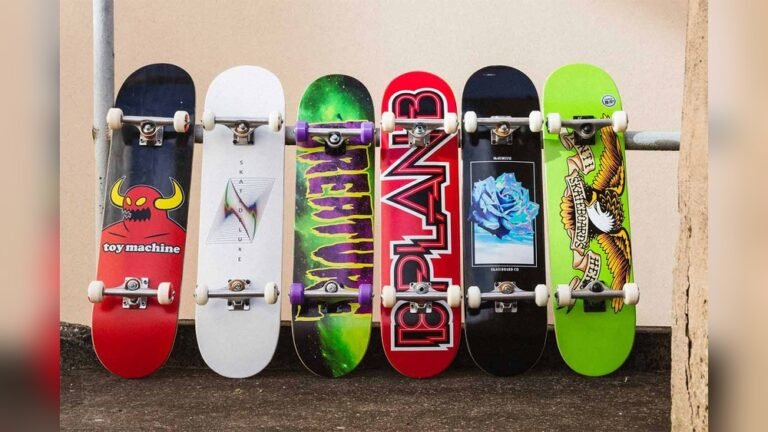
A cheap, low-quality skateboard can make learning harder. Boards from toy stores are often unstable. Investing in a solid skateboard improves your experience. Wheels, trucks, and deck shape all affect stability.
Practice Frequency
If you practice daily or several times a week, you’ll improve much faster than if you skate once a month. Consistency matters more than talent.
Environment
Smooth, flat surfaces are best for learning. Skateparks can be intimidating, but many have beginner areas. Avoid busy roads or rough ground until you feel confident.
Support And Instruction
Learning with friends or getting tips from experienced skaters can speed up progress. Many cities offer skateboarding classes for beginners.

Credit: skatefresh.com
Common Beginner Mistakes
Many new skaters make similar mistakes. Avoiding these will help you learn faster and stay safe:
1. Standing Too Stiff
Relax your knees and keep your body loose. Stiff legs make it harder to absorb bumps or balance.
2. Looking Down At The Board
Look ahead, not at your feet. This helps with balance and awareness.
3. Using Poor Equipment
Avoid boards that feel cheap or unstable. Quality gear is safer and easier to control.
4. Practicing On Rough Ground
Start on smooth pavement or indoor surfaces. Uneven ground increases falls.
5. Skipping Protective Gear
Always wear a helmet, knee pads, and elbow pads. Even professionals use safety gear.
6. Trying Tricks Too Soon
Focus on basic skills first. Tricks like ollies or kickflips are advanced and require good control.
The Mental Side Of Skateboarding
Skateboarding is as much a mental challenge as a physical one. Fear, frustration, and confidence play huge roles.
- Fear of injury can hold you back. Learning to fall safely, and starting slow, helps.
- Frustration is common when progress is slow. Celebrate small wins, like pushing smoothly or turning without wobbling.
- Confidence grows with each session. The more comfortable you feel, the easier it becomes.
Many skaters say the hardest part is not the physical skill, but staying motivated after setbacks.
How To Make Skateboarding Easier
There are ways to reduce the difficulty and enjoy skateboarding more. Here’s what works:
1. Practice Regularly
Short, frequent sessions are better than long, rare ones.
2. Use Proper Gear
A good skateboard and safety equipment make a big difference.
3. Start With Basics
Don’t rush into tricks. Master riding, turning, and stopping first.
4. Find A Safe Environment
Begin in places with smooth surfaces and few obstacles.
5. Get Help
Watch tutorials, ask experienced skaters, or join a class.
6. Set Small Goals
Aim for simple achievements, like riding 20 meters without stopping.
Progression: What To Expect Over Time
Most beginners improve quickly in the first month. Here’s a general timeline:
| Time Spent | Skills Learned | Common Feelings |
|---|---|---|
| Week 1 | Standing, pushing, basic turns | Excitement, nervousness |
| Week 2–3 | Stopping, smoother riding | Frustration, small wins |
| Month 1 | Comfortable riding, ready for basic tricks | Confidence, motivation |
| Month 2–3 | First tricks (ollie, kickturn) | Pride, challenge |
Many skaters hit plateaus where progress slows. This is normal. Changing your routine or focusing on new skills can help break through.
Credit: www.youtube.com
Real-life Examples And Insights
Some famous skateboarders, like Tony Hawk, started young but spent years mastering tricks. Not all skaters become professionals, but anyone can improve with practice. For example, a 30-year-old beginner might need more time than a teenager, but with regular practice, both can learn to ride confidently.
One non-obvious insight: learning to fall safely is just as important as learning to ride. Practice rolling on grass or soft surfaces to build confidence. Another tip: skating with friends can reduce fear and increase motivation, even if everyone is a beginner.
Is Skateboarding Worth The Challenge?
Skateboarding is hard, but many people find it rewarding. It builds confidence, strength, and creativity. Once you get past the difficult first stage, it becomes fun and addictive. The freedom to move, the satisfaction of learning new tricks, and the community feeling are strong rewards.
For those who are patient and willing to practice, skateboarding opens up a world of possibilities. It’s not just a sport — it’s a lifestyle.
Frequently Asked Questions
Is Skateboarding Hard For Adults?
Skateboarding can be challenging for adults, especially if you haven’t practiced balance sports before. Adults may take longer to build confidence and recover from falls, but with patience and regular practice, it’s possible to learn. Starting with proper gear and safe environments helps.
How Long Does It Take To Learn Skateboarding Basics?
Most beginners learn to ride and turn within 2–4 weeks of regular practice. Advanced tricks like ollies may take 1–3 months or more. The key is consistency and focusing on basics before moving to tricks.
What Safety Gear Is Necessary For Beginners?
Beginners should always use a helmet, knee pads, elbow pads, and wrist guards. This gear protects against common injuries and builds confidence. Even professional skaters use protective equipment when learning new tricks.
Is Skateboarding Harder Than Biking Or Rollerblading?
Yes, skateboarding usually requires more balance and has a steeper learning curve than biking or rollerblading. The risk of falling is higher, especially in the first few weeks. However, with proper practice, the skills become easier over time.
Where Can I Find Good Skateboarding Tutorials?
Many cities offer skateboarding classes, and there are plenty of high-quality tutorials online. For example, you can find detailed guides and videos at Wikipedia and other skateboarding websites.
Skateboarding is hard at first, but not impossible. With determination, the right equipment, and safe practice, you can enjoy the thrill and creativity of this unique sport. If you stick with it, the rewards are worth the challenge.