Skateboarding is more than just a sport; it’s a vibrant culture, a form of self-expression, and a powerful tool for positive change. Beyond the exhilarating tricks and the rebellious spirit, a growing number of nonprofit skateboard organizations are harnessing the power of skateboarding to uplift communities, empower youth, and foster personal development. These organizations leverage the unique appeal of skateboarding to create safe spaces, build confidence, and provide valuable life skills to individuals who might otherwise lack access to such opportunities.
From inner-city outreach programs to global initiatives, these non-profits are proving that a simple plank of wood with wheels can be a catalyst for profound social impact. They address issues ranging from at-risk youth engagement and mental health support to environmental sustainability and community building.
By providing equipment, safe skating environments, mentorship, and educational programs, these organizations are transforming lives, one push at a time.
Key Takeaways
- Community Building: Nonprofit skateboarding organizations create inclusive spaces that foster a sense of belonging and mutual support among participants.
- Youth Empowerment: Many organizations focus on at-risk youth, using skateboarding as a tool to build confidence, discipline, and essential life skills.
- Skill Development: Beyond physical skateboarding skills, participants learn problem-solving, perseverance, creativity, and resilience.
- Positive Outlet: Skateboarding offers a healthy and constructive activity, diverting individuals from negative influences and promoting physical and mental well-being.
- Social Impact: These organizations contribute to broader social goals, including community development, environmental awareness, and promoting diversity within skateboarding.
- Global Reach: The influence of nonprofit skateboarding organizations extends worldwide, adapting their models to diverse cultural and economic contexts.

Credit: www.sactownmag.com
The Transformative Power Of Skateboarding For Social Good
Skateboarding possesses an inherent ability to connect with individuals on a deep level, transcending age, background, and socioeconomic status. This unique appeal is precisely what nonprofit skateboard organizations harness to drive social change. These groups understand that the act of learning to skate, falling, getting back up, and trying again, instills invaluable lessons in perseverance and resilience. For many young people, especially those in underserved communities, skateboarding offers an alternative path, a constructive outlet that can steer them away from detrimental influences and towards personal growth.
These organizations often serve as vital community hubs, providing safe, supervised environments where individuals can learn, practice, and connect. They create a sense of belonging, a crucial element for youth development, by fostering a supportive peer network. This environment is particularly impactful for individuals who may feel marginalized or disconnected in other aspects of their lives. The shared passion for skateboarding breaks down barriers, encouraging mentorship and positive role modeling among participants. The benefits of skateboarding extend far beyond the physical, profoundly impacting mental health and overall well-being.
Creating Safe Havens And Inclusive Spaces
A core mission for many nonprofit skateboarding organizations is the establishment and maintenance of safe spaces. Skateparks and community centers managed by these groups offer a secure alternative to street skating, which can often lead to conflict with authorities or public property damage.
These dedicated areas are designed not only for skating but also for community interaction, providing a sanctuary where individuals feel welcomed and respected.
The emphasis on inclusivity is paramount. These organizations actively work to dismantle traditional barriers within skateboarding, which has historically been perceived as male-dominated or exclusive. By offering programs that are accessible to all genders, ages, and skill levels, they cultivate a more diverse and welcoming skateboarding community. This commitment to inclusivity ensures that everyone has the opportunity to experience the positive aspects of skateboarding.
Youth Development And Mentorship
A significant focus for most nonprofit skateboarding organizations is youth development. They recognize that skateboarding can be a powerful tool for teaching discipline, focus, and goal-setting. The process of mastering a new trick requires patience, practice, and the ability to learn from mistakes, skills that are transferable to academic pursuits, future careers, and life in general.
Many programs incorporate educational components, such as tutoring, life skills workshops, and career readiness training, alongside skateboarding instruction.
Mentorship plays a critical role in these initiatives. Experienced skaters and dedicated staff provide guidance, encouragement, and positive role models for young participants. This one-on-one support helps build self-esteem and provides a trusted adult figure who can offer advice and support. This can be particularly beneficial for young people navigating challenging personal circumstances. The structured environment of these programs helps young individuals develop a stronger sense of self and a clearer vision for their future.
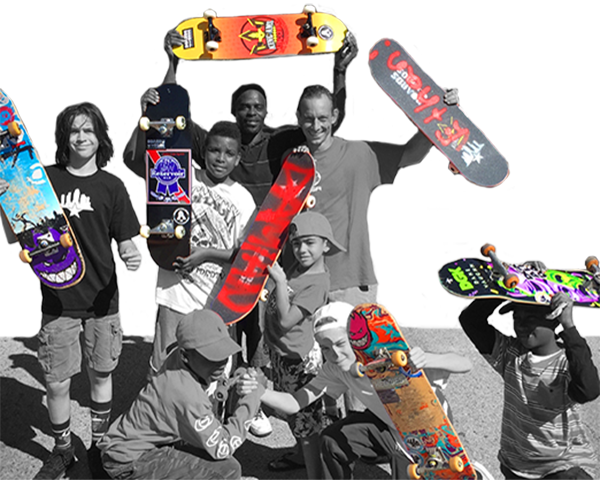
Credit: www.propergnar.com
Leading Nonprofit Skateboarding Organizations And Their Impact
The landscape of nonprofit skateboarding organizations is diverse, with initiatives operating at local, national, and international levels. Each organization carves out its unique niche, addressing specific community needs while united by a shared passion for skateboarding’s positive potential. Examining some prominent examples reveals the breadth of their work and the tangible impact they achieve.
Skateistan: Global Education Through Skateboarding
Perhaps one of the most globally recognized organizations is Skateistan. Founded in Kabul, Afghanistan, in 2007, Skateistan uses skateboarding as a tool to empower children and youth, particularly girls, in low-income urban areas. They operate educational programs that combine skateboarding with art and literacy classes. Their model is built on the principle that providing a safe, fun, and engaging environment can encourage children to attend school and learn.
Skateistan has since expanded its reach to Cambodia and South Africa, establishing skate schools that serve thousands of children annually. Their programs focus on building confidence, critical thinking, and self-expression. The organization has received numerous awards and accolades for its innovative approach to education and youth development, demonstrating the profound impact that a simple skatepark can have on a community. Their work highlights how skateboarding can be a vehicle for social change on a global scale.
Concrete Jungle: Urban Rejuvenation And Youth Engagement
In cities like London, organizations such as Concrete Jungle focus on urban regeneration and providing positive activities for young people. Concrete Jungle transforms underutilized urban spaces into vibrant skateparks and community areas, often engaging local youth in the design and construction process. This hands-on involvement fosters a sense of ownership and pride within the community.
Beyond building skate infrastructure, Concrete Jungle runs workshops, skate clinics, and youth programs aimed at developing life skills, promoting healthy lifestyles, and fostering community cohesion. They work with local authorities and community groups to ensure their projects meet the needs of the residents, turning neglected spaces into hubs of positive activity and creativity.
Action Factory: Building Community In Rural Settings
Not all impactful organizations operate in large urban centers. Action Factory in rural Maine, for example, uses skateboarding to connect isolated youth and provide them with opportunities for recreation and social interaction. In areas where access to organized sports or cultural activities might be limited, a mobile skate ramp and a dedicated group of mentors can make a significant difference.
Action’s approach often involves outreach to remote communities, bringing skateboarding equipment and instruction directly to young people. This initiative helps combat feelings of isolation and provides a constructive outlet for energy and creativity. Their success demonstrates that the principles of community building and youth empowerment through skateboarding are applicable across diverse geographical and socioeconomic landscapes.
Other Notable Initiatives
Numerous other organizations are making waves:
- Skate-Aid: A German-based international organization that supports the construction of skateparks and runs youth sports programs in developing countries, focusing on humanitarian aid and intercultural understanding.
- The Skatepark Project (formerly Tony Hawk Foundation): While not solely a direct service provider, this foundation has been instrumental in helping fund the development of hundreds of public skateparks across the United States, many of which serve as community focal points and safe spaces for youth.
- Pioneers for Change: This organization focuses on using skateboarding and surf culture as a platform for positive social change, environmental activism, and personal development, often working with marginalized groups.
These examples illustrate the varied but equally vital roles that nonprofit skateboard organizations play in fostering personal growth, building stronger communities, and creating positive social impact worldwide.

Credit: www.toledoblade.com
The Multifaceted Benefits Of Skateboarding Programs
The impact of these organizations extends far beyond simply teaching someone to ride a skateboard. The structured environment, mentorship, and inherent challenges of skateboarding contribute to a wide array of developmental benefits for participants. These advantages touch upon physical health, mental well-being, social skills, and personal character development.
Physical Health And Well-being
Skateboarding is a physically demanding activity that offers numerous health benefits. It improves balance, coordination, and proprioception (the body’s ability to sense its position in space). Regular skating strengthens core muscles, legs, and improves cardiovascular health. For youth who may not be drawn to traditional team sports, skateboarding provides an engaging and accessible way to stay active and maintain a healthy lifestyle.
Mental Health And Emotional Resilience
The link between skateboarding and mental health is increasingly recognized. The focus required to learn and execute tricks can be meditative, helping to reduce stress and anxiety. The inherent nature of skateboarding, falling and getting back up, teaches resilience and grit. Participants learn to cope with frustration, overcome fear, and develop a problem-solving mindset. This ability to persevere through challenges translates into greater confidence and a more positive outlook on life. As explored in Why Skateboarding is Good for Mental Health, the sport offers a powerful outlet for emotional expression and stress relief.
Social Skills And Community Building
Skateparks and skateboarding programs naturally foster social interaction and community. Participants learn to share spaces, respect each other’s abilities, and offer encouragement. The culture of skateboarding often emphasizes mutual respect and support, regardless of skill level. This collaborative environment helps individuals develop crucial social skills, learn teamwork, and build lasting friendships. These organizations actively cultivate this sense of camaraderie, making them vital social hubs for many.
Creativity And Self-expression
Skateboarding is an art form as much as a sport. It encourages creativity and self-expression, allowing individuals to develop their own style and approach to skating. The design of skateboards themselves, from the graphics to the shapes, is a canvas for artistic expression. Organizations often incorporate art and design elements into their programs, further nurturing this creative aspect. This freedom to express oneself uniquely is a powerful aspect of the skateboarding experience.
Life Skills Development
Beyond the physical and emotional, participants in these programs gain practical life skills. These can include:
- Problem-solving: Figuring out how to land a trick or overcome an obstacle.
- Discipline and Focus: Committing to practice and improving skills.
- Goal Setting: Working towards mastering specific tricks or achieving personal milestones.
- Risk Assessment: Learning to evaluate and manage risks in a controlled environment.
- Responsibility: Caring for equipment and respecting shared spaces.
These skills are foundational for success in school, work, and personal life.
How Nonprofit Skateboarding Organizations Operate
The operational models of nonprofit skateboarding organizations are as varied as the communities they serve. However, they generally share common strategies for fundraising, program delivery, and community engagement. Understanding these operational aspects provides insight into how these organizations sustain their impactful work.
Fundraising And Financial Sustainability
As non-profits, these organizations rely heavily on a mix of funding sources to operate. This often includes:
- Grants: Securing funding from foundations, government agencies, and corporate social responsibility programs.
- Donations: Receiving contributions from individual donors, community members, and corporate sponsors.
- Fundraising Events: Organizing events like skate competitions, art auctions, or community gatherings to raise funds and awareness.
- Merchandise Sales: Selling branded clothing, accessories, or skate gear to generate revenue.
- Program Fees (Sliding Scale): Offering programs with fees that are accessible, often on a sliding scale based on income, to ensure broad participation.
Building a diverse and stable funding base is crucial for long-term sustainability. Many organizations also partner with skateboard manufacturers and retailers for equipment donations or discounts, as detailed in guides like Skateboard Manufacturers Guide: Top Tips for Quality Boards.
Program Design And Delivery
The core of any nonprofit’s work lies in its programming. Skateboarding organizations typically offer a range of services tailored to their target audience:
- Skate Clinics and Lessons: Structured sessions teaching fundamental and advanced skateboarding techniques.
- Open Skate Sessions: Supervised times for participants to skate freely and practice.
- Mentorship Programs: Pairing experienced skaters or staff with younger participants for guidance and support.
- Educational Workshops: Sessions focusing on life skills, art, environmental awareness, or academic support.
- Community Projects: Initiatives like building or maintaining skateparks, organizing community clean-ups, or public art installations.
- Outreach Programs: Bringing skateboarding activities and resources to underserved or remote areas.
The design of these programs emphasizes safety, inclusivity, and positive engagement.
Partnerships And Community Engagement
Successful nonprofit skateboarding organizations understand the power of collaboration. They forge strong relationships with:
- Local Schools: Partnering to offer after-school programs or integrate skateboarding into physical education.
- Community Centers: Utilizing existing facilities or collaborating on joint programming.
- Local Government: Working with city councils and parks departments to secure permits, funding, and land for skateparks.
- Other Nonprofits: Collaborating on broader social initiatives or sharing resources.
- Businesses: Engaging local businesses for sponsorships, donations, or volunteer support.
Active community engagement ensures that programs are relevant, accessible, and well-supported by the people they aim to serve.
Challenges And Future Outlook
Despite their significant contributions, nonprofit skateboarding organizations face ongoing challenges. Securing consistent funding, navigating bureaucratic hurdles for land use and permits, and ensuring the safety of participants in a high-risk activity are persistent concerns. Furthermore, the perception of skateboarding as solely a counter-culture activity can sometimes hinder broader acceptance and support.
However, the future outlook remains bright. The increasing recognition of skateboarding’s positive impact on youth development, mental health, and community building is driving greater interest and support. The inclusion of skateboarding in the Olympic Games has also brought increased mainstream attention, potentially opening new avenues for funding and partnerships.
Organizations are continuously innovating, developing new program models, and leveraging technology to expand their reach and impact. The trend towards urban regeneration and the creation of vibrant public spaces also bodes well for the development of more skate-friendly environments.
Here’s a look at how different organizations might approach program focus:
| Organization Type | Primary Focus | Key Activities | Target Audience |
|---|---|---|---|
| Global Education Focused | Education & Empowerment | Skateboarding + Literacy/Art, Girls’ Programs | Children in developing nations |
| Urban Regeneration Focused | Community Development & Youth Engagement | Skatepark Construction, Youth Employment | Urban youth, community residents |
| Rural Outreach Focused | Social Inclusion & Recreation | Mobile Skate Ramps, Mentorship | Isolated/underserved rural youth |
| Advocacy & Infrastructure Focused | Skatepark Access & Policy | Grant Funding for Skateparks, Research | Skateboarding community, municipalities |
The ongoing evolution of these organizations, coupled with a growing appreciation for skateboarding’s multifaceted benefits, suggests a promising future where these non-profits will continue to play a crucial role in shaping healthier, more connected, and more empowered communities.
Frequently Asked Questions
What Is The Primary Goal Of Most Nonprofit Skateboarding Organizations?
The primary goal is to leverage the positive aspects of skateboarding, such as building confidence, discipline, and community, to create opportunities for personal growth and social development, particularly for youth and underserved populations. They aim to provide safe, inclusive environments where individuals can learn valuable life skills and experience the benefits of an active lifestyle.
How Do These Organizations Typically Fund Their Operations?
Funding typically comes from a combination of sources including grants from foundations and government bodies, individual donations, corporate sponsorships, fundraising events, and sometimes modest program fees on a sliding scale. Some also generate revenue through merchandise sales.
Are These Organizations Only For Experienced Skaters?
No, most nonprofit skateboarding organizations are designed to be inclusive and cater to all skill levels, from absolute beginners to experienced skaters. They often offer beginner clinics and mentorship to ensure that newcomers feel welcome and supported.
What Kind Of Impact Do These Organizations Have On Communities?
They foster a sense of community and belonging, provide constructive outlets for youth, improve physical and mental health, teach valuable life skills like resilience and problem-solving, and can contribute to urban revitalization by transforming underutilized spaces into vibrant recreational areas.
Can Individuals Get Involved With These Organizations?
Yes, individuals can often get involved by volunteering their time and skills, donating equipment or funds, or participating in their events and programs. Many organizations actively seek community support to sustain and expand their work.
Nonprofit skateboarding organizations are a powerful force for good, demonstrating how a simple, yet profound, activity can build character, foster community, and create lasting positive change. By providing safe spaces, mentorship, and opportunities for growth, they empower individuals and strengthen communities, proving that the spirit of skateboarding extends far beyond the board itself.