Choosing the right name for your skateboard company is a foundational step that can significantly impact your brand’s identity, market appeal, and long-term success. It’s more than just a label; it’s the first impression, a hook for your audience, and a reflection of the culture and values you aim to embody.
A compelling name can evoke the thrill of a perfect ollie, the camaraderie of a skate park session, or the rebellious spirit that often defines skateboarding. Conversely, a weak or uninspired name can get lost in the noise, failing to connect with skaters or stand out from a crowded marketplace. This guide will walk you through the essential elements of crafting a powerful skateboard company name, offering insights and practical advice to help you find that perfect moniker.
Key Takeaways
-
- Brand Identity: Your skateboard company name is central to your brand’s identity, communicating your values, style, and target audience.
- Memorability & Pronunciation: A good name is easy to remember, pronounce, and spell, facilitating word-of-mouth marketing and brand recognition.
- Target Audience Resonance: The name should appeal to your intended skaters, whether they’re street, park, vert, or cruiser enthusiasts.
- Uniqueness & Availability: Ensure your chosen name is unique and that the corresponding domain name and social media handles are available.
- Evocative Language: Names that suggest action, freedom, rebellion, community, or the physical aspects of skateboarding often perform well.
- Testing & Feedback: Always test potential names with your target audience to gauge their reception and identify any unintended negative connotations.
- SEO & Searchability: A name that is easy to search, spell, and type can improve discoverability and reduce confusion online.
- Legal Safety: Trademark conflicts are common in skateboarding, so check before committing to packaging, decks, or merch.

Credit: www.domainedesjougla.com
The Power Of A Name In The Skateboarding World
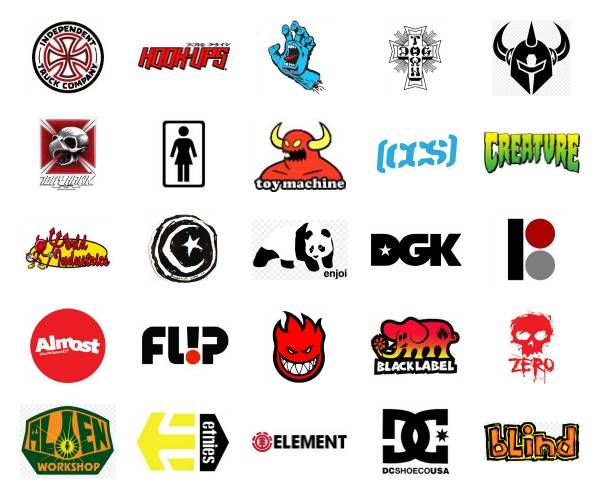
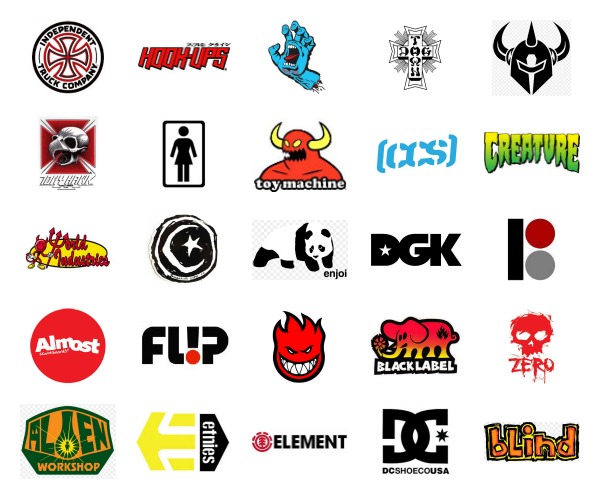
The skateboarding industry is deeply rooted in culture, community, and a distinct ethos. Names of established brands often carry significant weight, evoking a sense of history, authenticity, or innovation. Think of Santa Cruz Skateboards, a name that immediately conjures images of surf-inspired, classic skate graphics and a legacy spanning decades. Or consider Element Skateboards, a name that suggests a connection to nature and a focus on fundamental, elemental aspects of skating. These names aren’t arbitrary; they are carefully crafted to align with the brand’s story and resonate with skaters who value these attributes.
A strong brand name can also differentiate you in a market filled with established players. While major brands like Element and Santa Cruz have built their reputation over time, new companies can carve out their niche with a name that speaks to a specific sub-segment of the market or a fresh perspective. For instance, a name that highlights a commitment to sustainable materials might attract environmentally conscious skaters, while a name emphasizing cutting-edge technology could appeal to those seeking performance-driven equipment. The right name acts as a powerful marketing tool, attracting attention and building an initial connection before a customer even sees your product. It’s the first step in building trust and fostering brand loyalty.
Understanding Your Brand’s Core Identity
Before you brainstorm any names, it’s crucial to define the essence of your skateboard company. What is your mission? What values do you stand for? Who is your ideal customer? Answering these questions will provide a strong foundation for generating relevant and impactful names.
Defining Your Mission And Values
Your company’s mission statement should encapsulate its purpose. Are you aiming to produce high-performance boards for competitive skaters? Do you want to create affordable, durable boards for beginners? Perhaps your focus is on artistic designs and collaborations, or maybe you’re dedicated to eco-friendly manufacturing processes?
Your values, whether they are innovation, community, sustainability, authenticity, or rebellion, should be reflected in your brand’s narrative. For example, a company focused on sustainability might use names that evoke nature, growth, or responsibility. A brand emphasizing technical innovation might lean towards names suggesting precision, speed, or advanced engineering.
Identifying Your Target Audience
The skateboarding community is diverse. There are street skaters, vert riders, longboarders, cruisers, and beginners. Each group may have different preferences and respond to different types of names. A name that appeals to a seasoned street skater might not resonate with someone looking for a comfortable cruiser for city commutes.
Consider the age group, skill level, and general aesthetic preferences of your target market. Are they drawn to edgy, aggressive names, or do they prefer something more laid-back and artistic? Understanding your audience is key to selecting a name that will connect with them. For example, a street-focused brand may benefit from harder, punchier language, while a cruiser or longboard brand may fit softer, freer, or more lifestyle-driven wording.
Establishing Your Brand’s Style And Aesthetic
Skateboarding is as much about style as it is about skill. Your brand’s aesthetic, from logo design and graphics to marketing materials and product presentation, should be consistent with your name. Does your brand lean towards minimalist design, bold graphics, vintage influences, or futuristic concepts?
A name like “Apex Shred” might suggest aggressive performance, while “Willow Creek Cruisers” evokes a more relaxed, natural vibe. Ensure your chosen name aligns with the visual identity you plan to build. This synergy is vital for creating a cohesive and memorable brand experience.
Credit: www.skateboardhere.com
Brainstorming Techniques For Skateboard Company Names
With a clear understanding of your brand’s identity, you can begin the creative process of brainstorming names. Various techniques can help spark ideas and uncover unique possibilities.
Keyword Association And Concept Mapping
Start by listing keywords related to skateboarding, your brand’s values, and your target audience. Think about:
-
- Action words: Grind, carve, ollie, flip, shred, launch, soar, ride, cruise, flow, push.
- Skateboarding terms: Deck, trucks, wheels, bearings, park, street, ramp, bowl, grip tape, pop.
- Abstract concepts: Freedom, rebellion, art, culture, community, grit, soul, spirit, edge, apex, zenith, velocity, momentum.
- Nature/Elements: Stone, wood, earth, wind, fire, water, mountain, river, forest, coast, horizon.
- Location/Environment: Urban, concrete, asphalt, city, coast, trail, district, zone.
- Adjectives: Bold, raw, agile, swift, sturdy, classic, radical, mystic, kinetic, vital.
Once you have a comprehensive list, try mapping out related concepts. For example, “velocity” could connect to “speed,” “momentum,” “wind,” and “swift.” This can lead to compound names or more abstract associations.
To make the name feel more authentic to skate culture, prioritize real skate terms, local spot language, and hardware references over generic hype words. Names built from concrete details often feel more credible than names built from broad action adjectives alone.
Wordplay And Puns
Clever wordplay can make a name memorable and engaging. Consider puns related to skateboarding or words that have double meanings. For instance, a company could be named “Decked Out” or “Wheelie Good.” While puns can be catchy, ensure they don’t sound too juvenile or detract from the seriousness of your product quality if that’s a focus.
Evoking Emotion And Experience
Skateboarding is an experience, one of freedom, challenge, and self-expression. Names that evoke these feelings can be very powerful. Think about names that suggest:
-
- Thrill and Adrenaline: Velocity Boards, Apex Riders, Radical Motion.
- Freedom and Escape: Horizon Skate, Open Road Decks, Freefall Skate Co.
- Grit and Resilience: Concrete Soul, Ironwood Skate, Grit & Grind.
- Art and Creativity: Canvas Decks, Visual Flow Skate, Spectrum Boards.
Using Mythology, History, Or Pop Culture
Drawing inspiration from mythology, historical figures, or even niche pop culture references can give a brand a unique edge. However, be cautious with pop culture as trends change rapidly, and you want a name with lasting appeal. For example, a name referencing a mythological god of speed or travel might work.
Geographical References
Sometimes, a name tied to a specific location can resonate, especially if it has a strong skateboarding scene or a particular vibe. This could be a city, a neighborhood, a famous skate spot, or a natural landmark. For instance, “Venice Beach Decks” or “Brooklyn Board Co.”
Credit: www.skateboardhere.com
Evaluating Potential Names
Once you have a list of potential names, it’s time to evaluate them critically. Not every idea will be a winner, and a rigorous selection process is essential.
Memorability And Pronunciation
A great name is easy to recall and say. If customers struggle to pronounce or remember your brand name, it will hinder word-of-mouth marketing and brand recognition. Test your names out loud. Are they catchy? Do they roll off the tongue?
Avoid overly complex spellings or obscure words unless they are directly tied to a very specific, niche audience.
Uniqueness And Availability
In today’s digital age, securing your brand’s online presence is paramount. Before falling in love with a name, check for:
-
- Trademark Availability: Conduct a thorough search to ensure the name isn’t already trademarked by another company, especially within the sporting goods or apparel industries.
- Domain Name Availability: Is the
.comdomain name (or a relevant country-code domain) available? Aim for a domain that closely matches your brand name. - Social Media Handle Availability: Check if your desired username is available on major platforms like Instagram, TikTok, Facebook, and X (formerly Twitter).
It’s also wise to search the exact name together with skate terms and to review existing companies in the same niche before you commit. In skateboarding, many useful-sounding names are already in use or close to existing marks.
Target Audience Appeal
Does the name genuinely resonate with your intended skaters? A name that sounds cool to you might fall flat with your target demographic. Consider the connotations of the words you’re using. Does it sound authentic to skateboarding culture? Does it align with the image you want to project?
Longevity And Scalability
Will the name still be relevant in five or ten years? Avoid trendy words or phrases that might quickly become dated. Also, consider if the name allows for future growth. If you plan to expand beyond skateboards into apparel or accessories, ensure your name isn’t so specific that it limits future branding.
For instance, a name focused solely on “decks” might be less ideal if you plan to sell complete setups or clothing.
Legal Considerations
Beyond trademark checks, ensure the name doesn’t have unintended negative meanings in other languages or cultures, especially if you plan to sell internationally. A quick search for the name’s meaning or common associations can save you from potential embarrassment or legal issues.
Examples Of Effective Skateboard Company Names
Looking at successful skateboard companies can provide valuable insights into what makes a name work. These brands have often found a balance between evocative language, cultural relevance, and market appeal.
Classic And Enduring Names
Many long-standing brands have names that are simple yet powerful, often referencing their origins or core philosophy.
-
- Powell-Peralta: A classic example of co-founder names creating a memorable and respected brand. It signifies heritage and a deep connection to skateboarding’s roots.
- Zero Skateboards: The name “Zero” suggests a rebellious, anti-establishment attitude, appealing to skaters who embrace a darker, more aggressive aesthetic.
- Girl Skateboards: Simple, direct, and intentionally provocative, challenging norms and fostering a sense of inclusivity and empowerment within the sport.
Modern And Evocative Names
Newer companies often opt for names that are more abstract, artistic, or suggestive of specific lifestyles or performance aspects.
-
- Landyachtz: While originally focused on longboards, this name evokes a sense of spaciousness and freedom, fitting for cruising and downhill skating.
- Baker Skateboards: Short, punchy, and associated with a strong crew and a no-nonsense attitude, embodying a raw street skating ethos.
- Almost Skateboards: Suggests continuous improvement and a journey, resonating with skaters who are always learning and pushing their limits.
Names Emphasizing Specific Niches
Some brands succeed by having names that clearly communicate their specialization.
-
- Sector 9: Often associated with longboarding, the name sounds technical and performance-oriented, appealing to riders focused on speed and downhill.
- Loaded Boards: Implies a focus on the ride experience and the “loaded” potential of the board and rider, particularly popular in the longboard scene.
Strategies For Generating Unique Names
To stand out, your name needs to be distinctive. Employing specific strategies can help you uncover truly original ideas.
Combining Unrelated Concepts
Take two seemingly unrelated words and combine them to create something new and intriguing. For example, “Kinetic Bloom” suggests motion and growth, or “Iron Compass” implies direction and durability. These unexpected pairings can spark curiosity.
Creating Portmanteaus
Blend two words together to form a new one. For instance, “Skate” + “Velocity” could become “Skalocity,” or “Board” + “Art” could lead to “Boardart.” This can create unique, catchy terms.
Using Foreign Language Words
Words from other languages can lend an exotic or sophisticated feel, provided they are relevant and easily understood or learned. For example, words related to speed, movement, or freedom in languages like Spanish, French, or Japanese might be suitable. Always verify the meaning and cultural context.
Abstract And Invented Words
Sometimes, creating entirely new words can lead to a highly unique brand name. These words should still sound good and be relatively easy to pronounce. Think of names like “Xenon” or “Verve,” which are real words but have an abstract, energetic quality.
Invented words require more effort to build brand recognition but offer maximum distinctiveness.
The Naming Process: A Step-by-step Approach
Here’s a structured approach to guide you through the naming process:
-
- Define Your Brand DNA: As discussed earlier, thoroughly understand your mission, values, target audience, and aesthetic.
- Brainstorm Broadly: Use keyword association, mind mapping, and other techniques to generate a long list of potential names. Don’t filter too much at this stage.
- Categorize Your Ideas: Group names by theme (e.g., action-oriented, nature-inspired, abstract, historical). This helps identify patterns and strengths.
- Shortlist the Best: Review your long list against criteria like memorability, pronunciation, and initial resonance. Aim for a shortlist of 10-20 names.
- Check Availability: For each name on your shortlist, perform thorough checks for domain names, social media handles, and trademarks. This is a critical filtering step. Eliminate any names that are unavailable or pose legal risks.
- Gather Feedback: Present your remaining names to trusted friends, mentors, and, most importantly, members of your target audience. Use surveys or informal discussions to gauge reactions. Ask specific questions: “What does this name make you think of?” “Is it easy to remember?” “Would you trust a brand with this name?”
- Refine and Select: Based on feedback and availability, narrow down your choices to a final few. Consider how each name pairs with potential logo designs and brand messaging.
- Make the Final Decision: Choose the name that best represents your brand, appeals to your audience, is legally and digitally available, and has the potential for long-term success.
Common Pitfalls To Avoid
Navigating the naming process can be tricky. Being aware of common mistakes can help you steer clear of them.
-
- Choosing A Name That’s Too Generic: Names like “Skate Co.” or “Pro Skateboards” are so broad they fail to capture attention or convey a unique identity. They blend in rather than stand out.
- Overly Trendy Or Niche Names: Using slang or references that are popular now but might fade quickly can date your brand. Similarly, a name that’s too obscure or specific to a tiny subculture might limit your growth.
- Difficult Pronunciation Or Spelling: If customers can’t easily say or spell your name, they’ll have trouble finding you online or recommending you to others.
- Ignoring Availability Checks: Falling in love with a name only to find out the
.comdomain is taken or it’s already trademarked is a common and costly mistake. Always check availability early and often. - Negative Connotations: Some words or phrases might have unintended negative meanings in different contexts or languages. Research is key. For example, a name that sounds aggressive might alienate beginners, while a name that sounds too playful might deter serious skaters.
- Lack Of Brand Alignment: Choosing a name that doesn’t align with your company’s mission, values, or aesthetic can create confusion and undermine your brand identity.
- Copying Competitor Style Too Closely: A name that feels too similar to an existing skate brand can create confusion and legal risk, even if it is not identical.
Case Study: Building A Brand Around A Name
Consider The Fictional Company, “Kinetic Flow Skateboards.”
-
- Brand DNA: Kinetic Flow aims to create high-quality, durable skateboards for intermediate riders who appreciate smooth rides and fluid transitions in their skating. Their values are performance, flow, and a connection to the urban environment where skating thrives. Their target audience is 16-30 year olds who skate street and transition parks. Their aesthetic is modern, clean, with subtle graphic designs.
- Name Origin: “Kinetic” relates to motion and energy, directly applicable to skateboarding. “Flow” speaks to the smooth, continuous movement and style that many skaters strive for, as well as the feeling of being “in the zone.” The combination suggests dynamic movement and a seamless skating experience.
- Availability: The domain
kineticflowskate.comand relevant social media handles were secured. Trademark searches revealed no direct conflicts in the skate industry. - Marketing: Their marketing materials emphasize the “flow state” of skateboarding, showcasing riders executing smooth lines and transitions. Product descriptions highlight the board’s responsiveness and ability to facilitate fluid movement. Graphics often incorporate wave-like patterns or abstract representations of energy.
- Success: The name resonates with their target audience, clearly communicating the brand’s focus on performance and smooth riding. It’s memorable, easy to pronounce, and offers a distinct identity in the market. This allows them to build a loyal following among skaters who value that specific aspect of the sport.
The Legal And Digital Landscape Of Naming
Beyond the creative aspects, the legal and digital realities of naming a company are critical for long-term viability.
Trademarking Your Brand Name
Securing a trademark is essential to protect your brand identity and prevent others from using a similar name. A trademark gives you exclusive rights to use your name in connection with your goods and services. The process typically involves:
-
- Conducting a Comprehensive Search: This includes searching the United States Patent and Trademark Office (USPTO) database and common law usage.
- Filing an Application: This involves submitting detailed information about your brand, its goods/services, and the mark itself.
- Examination: A USPTO examiner reviews your application for compliance and potential conflicts.
- Registration: If approved, your mark is registered, providing nationwide protection.
It’s often advisable to consult with an intellectual property attorney to navigate this process effectively. This is particularly important for YMYL (Your Money Your Life) related businesses, though a skateboard company name itself isn’t directly YMYL, the business operations are.
Securing Your Online Presence
Your brand name needs to be accessible online. This means securing:
-
- Domain Names: Aim for the
.comextension if possible, as it’s the most recognized. Consider registering variations (e.g.,.net,.org, or country-specific domains like.co.uk) to prevent cybersquatting. - Social Media Handles: Consistency across platforms is key for brand recognition. Secure your brand name on all relevant social media channels, even if you don’t plan to use them immediately.
- App Store Names: If you plan to develop a mobile app related to your brand, ensure the name is available in app stores.
- Domain Names: Aim for the
If the exact brand name is unavailable, avoid forcing awkward spellings or extra punctuation just to make it fit. That can make the brand harder to remember and weaker in search.
Final Thoughts On Naming Your Skateboard Company
The journey to finding the perfect name for your skateboard company is both an art and a science. It requires deep introspection about your brand’s core, creative exploration, and diligent research into availability and market reception. A name that is memorable, meaningful, and legally sound will serve as a powerful asset, attracting the right audience and building a lasting brand presence in the vibrant world of skateboarding.
Don’t rush the process; invest the time and effort needed to find a name that truly represents the spirit and quality of your brand.
Frequently Asked Questions
What Makes A Skateboard Company Name “Good”?
A good skateboard company name should be memorable, unique, easy to pronounce, and relevant to the brand’s identity. It should also appeal to the target audience and reflect skateboarding culture.
How Important Is It To Check For Trademark Availability?
Checking trademark availability is essential to avoid legal disputes and potential rebranding costs. It also helps protect the company’s identity and prevent other businesses from using the same registered name.
Should I Use My Own Name For My Skateboard Company?
Using your own name can give the brand a personal identity and reflect your passion for skateboarding. However, it may limit future branding opportunities if the name is difficult to remember or pronounce.
How Can I Make My Skateboard Company Name Unique?
Choose a creative name that reflects your brand’s personality, skateboarding style, and target audience. Avoid common or overly complicated names, and check existing businesses to ensure your name stands out.
Should I Check Domain Names And Social Media Handles Before Choosing A Name?
Yes, checking domain name and social media availability is important for building a consistent online identity. Having the same or similar name across different platforms makes your brand easier to recognize and find.