
Skateboarding after the sun goes down offers a unique and often exhilarating experience, transforming familiar spots into new playgrounds. The shift in lighting, the cooler air, and the general quiet of the night can create a different atmosphere for riders.
However, this nocturnal activity comes with its own set of challenges and considerations, from safety to legality. Understanding these aspects is crucial for anyone looking to enjoy skateboarding when the world is asleep.
Key Takeaways
-
- Safety is paramount: Night skateboarding significantly increases risks due to reduced visibility. Essential gear includes reflective clothing, good lighting (board lights, headlamps), and protective equipment.
- Location scouting is vital: Choose well-lit, safe, and legal spots. Avoid areas with heavy traffic, poor surfaces, or potential hazards.
- Legality and etiquette matter: Be aware of local ordinances regarding skateboarding in public spaces at night. Respect private property and any existing skate park rules.
- Gear considerations: Beyond safety, specialized gear like LED wheels or illuminated decks can enhance visibility and the overall experience.
- Psychological and physical benefits: Night skateboarding can offer a sense of calm and focus, contributing to mental well-being, similar to daytime sessions.
- Community and exploration: It can be a way to connect with a different side of the skate scene or explore urban environments in a new light.
The Allure Of Night Skateboarding
There’s an undeniable mystique that surrounds skateboarding after dark. The world takes on a different character when bathed in moonlight or the glow of streetlights. Familiar skate spots can feel entirely new, imbued with a sense of mystery and adventure.
The usual daytime crowds dissipate, leaving a sense of solitude and freedom that many riders find incredibly appealing. This quiet can foster a deeper connection with the act of skateboarding, allowing for more focused practice and a heightened sensory experience.
The cooler temperatures of the night are also a significant draw, especially in warmer climates where daytime skating can be uncomfortably hot. This allows for longer, more comfortable sessions without the risk of overheating. The ambient sounds of the city change too, often becoming a more subdued hum that can serve as a backdrop to the rhythmic clatter of wheels on pavement.
For some, night skateboarding is an escape, a way to decompress from the day’s stresses and engage in a mindful, physical activity under the cloak of darkness. It’s a way to reclaim public spaces in a unique, often artistic, fashion.
Credit: veymax.com
Essential Safety Gear For Nocturnal Riders
When you venture out to skate after sunset, visibility and protection become your most critical allies. The reduced natural light significantly increases the risk of accidents, making it imperative to equip yourself properly. Investing in the right gear isn’t just about comfort; it’s about reducing risk and ensuring you can continue to enjoy your passion without unnecessary injury.
Illuminating Your Ride: Lights And Reflectivity
The most crucial aspect of night skating safety is making yourself visible to others and ensuring you can see your surroundings. Relying solely on existing streetlights is often insufficient.
-
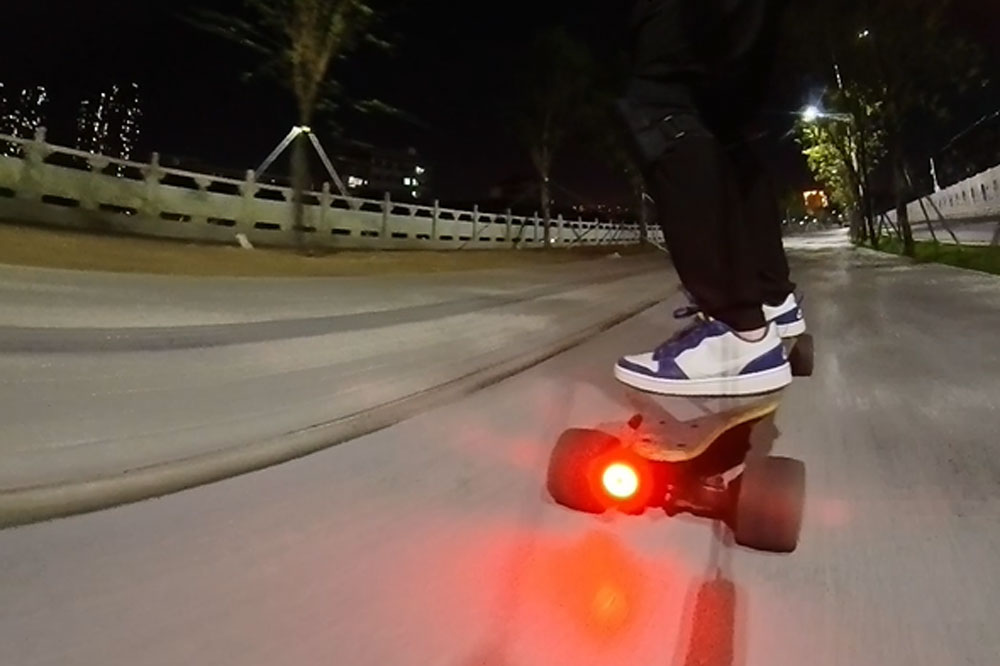
- Board Lighting: Consider attaching lights directly to your skateboard. Options range from LED strips that adhere to the deck or trucks to specialized LED wheels that light up as they spin. These not only make you visible but can also add a striking visual element to your skating.
- Front and Rear Lights: Use a bright white light in front and a red light in back so drivers and pedestrians can quickly identify your direction of travel. This setup is especially useful on roads, paths, and shared spaces where side visibility alone is not enough.
- Personal Lighting: A good headlamp is invaluable. It provides a focused beam of light to see obstacles, cracks, or uneven surfaces directly in front of you, and it keeps your hands free. Many headlamps offer different brightness settings and flashing modes.
- Reflective Gear: Wearing reflective clothing is non-negotiable. This includes jackets, pants, shoes, or even simple reflective bands worn on your arms and legs. These items bounce back light from car headlights or other sources, making you significantly more noticeable to drivers and pedestrians. Look for gear with high-visibility (Hi-Vis) elements.
- Backup Lights: It’s wise to carry a small, portable flashlight or a spare set of batteries for your lights. A sudden light failure in a dark area can be a dangerous situation.
Buying advice: Look for lights that are bright enough for your route, rechargeable if you skate often, securely mounted, and resistant to rain or road spray. If a product description does not clearly mention battery life, charging method, or weather resistance, treat it as a weaker option for regular night riding.
Protective Equipment: The Unsung Heroes
While protective gear is essential for any level of skateboarding, its importance is amplified at night when reaction times can be compromised by poor visibility.
-
- Helmet: A certified skate helmet is paramount to protect against head injuries. Ensure it fits snugly and meets recognized safety standards.
- Pads: Knee pads, elbow pads, and wrist guards are vital for cushioning falls. Night skating often involves skating on less predictable surfaces, increasing the likelihood of unexpected trips or slips.
- Shoes: Sturdy skate shoes with good grip are important for control, but at night, consider shoes with reflective accents or those that are brightly colored to enhance visibility.
Pro Tip: Before you head out, always test your lights and ensure they are fully charged or have fresh batteries. Nothing is worse than your primary light source failing when you’re miles from home.

Credit: www.ridingboards.com
Choosing The Right Locations For Night Skateboarding
The success and safety of your night skateboarding session heavily depend on where you choose to ride. Not all spots that are great during the day are suitable for after dark. Careful selection is key to avoiding trouble and ensuring a smooth experience.
Ideal Spots And Their Characteristics
The best locations for night skating share several common traits that mitigate the risks associated with darkness.
-
- Well-Lit Public Areas: Parks, plazas, or skate parks that are well-lit by municipal lighting are ideal. These areas offer a good balance of visibility and freedom to skate. However, always check whether skateboarding is permitted after dark in these locations.
- Smooth, Predictable Surfaces: Areas with well-maintained, smooth pavement are preferable. Avoid spots with numerous cracks, potholes, loose gravel, or other debris that can be difficult to spot and navigate in the dark.
- Low Traffic Zones: Areas with minimal vehicle and pedestrian traffic are safer. This reduces the chance of unexpected collisions. Industrial parks or quiet commercial areas on weekend nights can sometimes fit this description, but always exercise extreme caution.
- Familiar Territory: Skating in areas you know well from daytime sessions can be advantageous. You’ll have a better mental map of the terrain, potential hazards, and the layout of the area.
Areas To Avoid
Conversely, certain locations pose significant risks and should generally be avoided for night skateboarding.
-
- Busy Streets and Intersections: The risk of being hit by a vehicle is extremely high. Reduced visibility for both skaters and drivers makes these areas exceptionally dangerous.
- Steep Inclines or Downhills: Without excellent lighting and familiarity, controlling your speed on descents can be challenging and lead to severe accidents.
- Construction Sites or Unfinished Areas: These locations are rife with unseen hazards, uneven surfaces, and potential structural dangers.
- Private Property Without Permission: Skating on private property at night can lead to accusations of trespassing and potential confrontations. Always respect property rights.
- Areas with Poor or No Lighting: Relying solely on board lights or headlamps in completely dark areas is extremely risky.
Example: A downtown plaza that is well-lit by street lamps and has smooth concrete surfaces is a prime candidate for night skating. In contrast, a dimly lit, cracked asphalt basketball court next to a busy road would be a poor choice.

Credit: veymax.com
Navigating Legalities And Skateboarding Etiquette At Night
Skateboarding in public spaces, especially after dark, often involves navigating a complex web of local ordinances and unspoken social rules. Understanding and respecting these can prevent unwanted interactions with authorities or the public and ensure a more positive experience for everyone.
Understanding Local Laws And Ordinances
Laws regarding skateboarding vary significantly by city and even by specific park or area. Nighttime often brings additional restrictions.
-
- Curfew Laws: Many public parks and recreational areas have curfews. Skateboarding during these restricted hours can result in fines or being asked to leave. Research your local park rules and city ordinances beforehand.
- Skateboarding Prohibitions: Some areas explicitly prohibit skateboarding, regardless of the time of day. This is particularly common in commercial districts, historical sites, or areas with sensitive infrastructure.
- Noise Ordinances: The sound of a skateboard can be amplified at night when the ambient noise level is lower. Be mindful of noise levels, especially in residential areas, to avoid disturbing residents.
Skateboarding Etiquette After Dark
Beyond legalities, practicing good etiquette ensures you are seen as a respectful member of the community, not a nuisance.
-
- Respect Private Property: Never skate on private property without explicit permission. This includes businesses after hours, residential areas, or any private facility.
- Be Mindful of Others: Even if a spot seems empty, you might encounter late-night walkers, security guards, or other individuals. Be courteous, yield to pedestrians, and be prepared to explain yourself politely if questioned.
- Clean Up: Always pack out everything you pack in. Leave your chosen spot cleaner than you found it. This includes trash and any personal belongings.
- Avoid Damaging Property: Skateboarding can sometimes cause wear and tear on public or private property. Be mindful of this and avoid excessive grinds or impacts on surfaces not designed for it, especially in areas where it might be frowned upon.
- Group Size: Consider the impact of large groups. Smaller, more discreet groups are generally less likely to attract negative attention than large, boisterous gatherings.
Pro Tip: If you plan on skating in a specific area regularly, it can be beneficial to introduce yourself to local business owners or security personnel during the day. This can foster goodwill and potentially prevent misunderstandings later.
Specialized Gear And Modifications For Night Skating
While standard safety gear is essential, a few specialized items and modifications can significantly enhance your night skateboarding experience, blending functionality with a touch of flair. These additions focus on improving visibility, adding aesthetic appeal, and sometimes even improving performance in low-light conditions.
Illuminating Decks And Wheels
The most visually striking modifications involve making your board itself a source of light.
-
- LED Wheels: These are a popular choice, embedding LEDs within the skateboard wheels. As the wheels spin, the motion powers the LEDs, creating a vibrant glow. They come in various colors and can significantly increase your side visibility. While they don’t illuminate the path ahead, they make your board’s presence undeniable. You can find these from various retailers, often marketed as light-up skateboard wheels.
- LED Strips and Decks: Some skaters opt for adhesive LED strips that can be applied along the edges of the deck or trucks. There are also decks designed with integrated LED lighting systems, though these are less common and can be more expensive. These offer customizable lighting patterns and colors, adding a unique visual signature to your ride.
High-visibility Clothing And Accessories
Beyond basic reflective gear, consider clothing and accessories designed with night visibility in mind.
-
- Fluorescent Colors: While not strictly necessary for visibility in darkness, fluorescent colors (like neon green, pink, or orange) are highly visible in low-light conditions and during twilight hours, complementing reflective elements.
- Reflective Tapes and Decals: You can add reflective tape or decals to your helmet, backpack, or even directly onto your skateboard deck for added visibility. These are relatively inexpensive and easy to apply.
- Gloves with Reflective Panels: Padded gloves with reflective accents on the back can protect your hands and increase your visibility when you put them out to break a fall.
Board Maintenance For Optimal Performance
At night, even minor issues with your skateboard can become significant hazards.
-
- Bearing Maintenance: Clean and well-lubricated bearings ensure smooth rolling. Gritty or slow bearings can make skating feel sluggish and increase the effort required, which can be more taxing when visibility is limited. Ensure your bearings are in top condition for consistent speed.
- Truck Tightness: Properly adjusted trucks are crucial for stability. At night, you might encounter unexpected changes in surface texture. Trucks that are too loose can lead to wobbling, while overly tight trucks can reduce maneuverability. Find a balance that suits your riding style and the terrain.
- Wheel Condition: Ensure your wheels are free from significant chunking or flat spots. Damaged wheels can cause unpredictable rolling and increase the risk of losing balance.
Comparison: Standard vs. Night-Optimized Gear
| Feature | Standard Skateboard Gear | Night Skateboarding Gear | Benefits for Night Skating |
|---|---|---|---|
| Visibility | Relies on ambient light, standard clothing | High-visibility clothing, reflective elements, board lights, headlamp | Significantly increases awareness by drivers and pedestrians; allows skater to see obstacles |
| Safety | Basic protective gear (helmet, pads) | Comprehensive protective gear, well-maintained board, lights | Mitigates increased risks from reduced visibility and unpredictable terrain |
| Board Lighting | None | LED wheels, LED strips, illuminated decks | Enhances board presence, adds aesthetic appeal, improves visibility from the sides |
| Location Choice | Open to most locations | Favors well-lit, smooth, low-traffic areas | Minimizes hazards and potential conflicts |
| Maintenance | Standard upkeep | Enhanced focus on bearing smoothness, wheel condition | Ensures reliable performance and reduces risk of unexpected issues in the dark |
The Psychological And Physical Benefits Of Night Skating
Beyond the practical aspects of safety and gear, skateboarding at night offers a unique set of psychological and physical benefits that can be deeply rewarding. The altered environment can foster different kinds of focus, creativity, and stress relief compared to daytime sessions.
Enhanced Focus And Mindfulness
The relative quiet and reduced distractions of night skateboarding can cultivate a profound sense of mindfulness. With fewer people around and the world seemingly slowing down, skaters can become more attuned to their surroundings and the physical sensations of riding. This focused state can lead to a meditative experience, where the rider is fully present in the moment, concentrating solely on the board beneath their feet and the path ahead. This can be incredibly effective for stress reduction and mental clarity.
Creative Exploration And Urban Artistry
Night transforms the urban landscape, revealing new perspectives and possibilities. Familiar skate spots can take on an entirely different character under the glow of streetlights, inspiring new lines and approaches. For some skaters, this nocturnal exploration is a form of urban artistry, using the city as their canvas after the crowds have dispersed.
The interplay of light and shadow can create dynamic visual effects that influence how a skater perceives and interacts with obstacles and terrain.
A Sense Of Freedom And Solitude
The absence of daytime crowds can offer a powerful sense of personal freedom. Whether skating alone or with a small group of trusted friends, the feeling of having a public space largely to yourself can be liberating. This solitude allows for uninterrupted practice, experimentation with new tricks, or simply enjoying the flow of cruising without pressure. This quiet time can be particularly beneficial for those learning to skateboard as an adult, allowing them to build confidence at their own pace.
Physical Benefits
The physical benefits of skateboarding remain consistent, whether day or night. It’s an excellent cardiovascular workout, improving balance, coordination, and leg strength. The controlled risks involved also help build resilience and problem-solving skills. The cooler night air can sometimes allow for longer physical exertion without fatigue setting in as quickly, potentially leading to a more robust workout. The overall benefits of skateboarding extend to physical fitness, confidence, and agility, all of which are accessible during night sessions.
Example: A skater practicing ollies in an empty, well-lit parking garage late at night might find they can focus more intensely on the technique without the usual distractions of passersby, leading to quicker improvements and a greater sense of accomplishment.
Common Challenges And How To Overcome Them
Despite its appeal, skateboarding at night presents unique challenges that require specific strategies to overcome. Being prepared for these hurdles is key to a safe and enjoyable experience.
Reduced Visibility And Navigation
This is the most significant challenge. Even with lights, your field of vision is limited compared to daylight.
-
- Solution: Employ a multi-pronged lighting strategy: a bright headlamp for forward vision, reflective gear for 360-degree visibility, and board-mounted lights for presence. Scout locations during the day first to familiarize yourself with the terrain and identify potential hazards you can then anticipate at night. Skate slower than you would during the day, especially when exploring new areas.
Unforeseen Obstacles And Hazards
Cracks, debris, uneven surfaces, and even unexpected obstacles like discarded items are harder to spot.
-
- Solution: Maintain a constant awareness of your surroundings. Keep your head up and scan the path ahead. Listen for unusual sounds that might indicate a change in surface or an obstacle. If skating with others, communicate any hazards you spot immediately. Ensure your skateboard is in good condition, as a sudden wheel lock-up on an unseen bump can lead to a fall. Regularly check for pressure cracks on skateboard decks and ensure trucks are properly tightened for stability.
Legal And Social Issues
Being out after dark can sometimes attract unwanted attention from law enforcement or concerned citizens.
-
- Solution: Adhere strictly to local laws and park curfews. Choose locations wisely; well-lit, public areas that are generally accepted for recreational use are less likely to cause issues than secluded or obviously private spots. Be polite and cooperative if approached by authorities. Skateboarding with a small, respectful group can sometimes be perceived better than a lone individual or a large, disruptive crowd.
Equipment Malfunctions
Lights can fail, batteries can die, or mechanical issues can arise when you’re far from home.
-
- Solution: Always check your equipment before leaving. Carry spare batteries for your lights and any other essential electronic gear. Ensure your skateboard is well-maintained, with clean bearings and properly tightened hardware. Knowing basic skateboard maintenance can help you address minor issues on the spot.
Weather Changes
Nighttime weather can shift unexpectedly, bringing colder temperatures, increased humidity, or even precipitation.
-
- Solution: Check the weather forecast before you go and dress in layers. A light windbreaker can make a significant difference. If rain is a possibility, it’s best to postpone your session, as wet surfaces drastically reduce traction and increase risk.
Example: A skater encounters a large, unseen pothole in a dimly lit park. Because they had previously scouted the park during the day, they were aware of the general area where potholes existed and were able to react more quickly, or their board lights illuminated it just in time.
Frequently Asked Questions
What Are The Biggest Risks Of Skateboarding At Night?
The primary risks are reduced visibility, leading to an increased chance of accidents from unseen obstacles, collisions with pedestrians or vehicles, and falls. There’s also a higher potential for encountering legal issues related to curfews or trespassing, and a greater likelihood of equipment failure when you are further from safety.
How Can I Make Sure My Skateboard Is Visible At Night?
You can make your skateboard visible by using LED wheels, attaching LED light strips to the deck or trucks, or using skateboards with integrated illuminated decks. Reflective tape or stickers applied to the board can also help catch light from external sources.
Are There Specific Types Of Skateboards Better Suited For Night Skating?
While any skateboard can be used, boards with wider decks can offer slightly more stability, which is beneficial when navigating in low visibility. However, the most critical factor isn’t the type of skateboard itself, but rather the lighting and reflective modifications you add to it and the protective gear you wear. Many skaters modify their existing boards rather than buying a specialized ‘night board’.
Can I Still Learn To Skateboard At Night If I’m A Beginner?
It is generally not recommended for absolute beginners to start skateboarding at night. The increased risks associated with low visibility can be overwhelming and dangerous for someone still developing basic balance, control, and falling techniques. It’s best to master the fundamentals during daylight hours first. Once you gain confidence and proficiency, you can gradually incorporate night skating, always prioritizing safety.
What Should I Do If I Encounter Law Enforcement While Skateboarding At Night?
If you encounter law enforcement, remain calm and respectful. Turn off your board lights if they are excessively bright or distracting. Be prepared to provide identification if requested and politely inquire about any specific ordinances being enforced. If asked to leave, comply without argument. Understanding local laws beforehand can help you avoid such encounters.
Skateboarding at night offers a unique dimension to the sport, blending the thrill of riding with the quiet mystique of the darkened world. It provides an opportunity for focused practice, creative exploration, and a sense of freedom often unavailable during the day.
However, this nocturnal pursuit demands a heightened commitment to safety, requiring careful consideration of lighting, protective gear, location choice, and adherence to legal and social norms. By equipping yourself properly, choosing your spots wisely, and maintaining awareness, you can safely unlock the distinct pleasures and benefits that skateboarding under the stars has to offer.