
Skateboard wheels are the unsung heroes of the skateboarding experience. While the deck, trucks, and bearings often steal the spotlight, the wheels are the direct interface between the rider and the ground, dictating speed, grip, and how smoothly you can roll over cracks and pebbles.
Their seemingly simple form belies a complex engineering and material science that directly impacts performance and durability. Understanding what skateboard wheels are made of is crucial for any skater looking to optimize their ride, whether for cruising through the city, executing technical tricks at the skatepark, or bombing down a hill.
The material composition of skateboard wheels has evolved significantly since the early days of skateboarding. Initially, skaters resorted to using clay or metal wheels, which offered little in terms of shock absorption and grip, leading to a jarring and often dangerous ride.
The advent of polyurethane revolutionized the sport, providing a durable, flexible, and grippy material that transformed how skateboards could be ridden. Today, while polyurethane remains the dominant material, variations in its formulation, combined with different shapes, sizes, and durometers (hardness), allow for a wide spectrum of wheel characteristics tailored to specific skateboarding disciplines.
This deep dive will explore the primary materials used in skateboard wheels, the manufacturing process, and how these elements contribute to the overall performance and feel of your ride.
Key Takeaways
- Polyurethane is the dominant material: Nearly all modern skateboard wheels are made from polyurethane, a versatile plastic known for its durability, elasticity, and grip.
- Durometer measures hardness: Wheel hardness, measured on an A-scale (typically 78A to 104A), significantly impacts grip, speed, and how well a wheel handles rough surfaces.
- Core materials influence performance: Some wheels feature a central core made from harder plastics or even metal to reduce weight, increase speed, and improve bearing seating.
- Additives affect properties: Manufacturers add various chemicals to polyurethane to fine-tune characteristics like rebound, abrasion resistance, and color.
- Manufacturing involves precision: The process of molding polyurethane requires careful control of temperature, pressure, and mixing to ensure consistent quality and performance.
- Wheel shape and size matter: Beyond material, the diameter and width of a wheel play a significant role in its suitability for different types of skateboarding.
Credit: www.skatedeluxe.com
The Core Material: Polyurethane’s Reign
The overwhelming majority of skateboard wheels manufactured today are crafted from polyurethane (PU). This synthetic polymer is a marvel of material science, offering a unique combination of properties that make it ideal for the demands of skateboarding. Its development in the mid-20th century marked a pivotal moment, moving skateboarding away from the harshness of earlier materials like clay and metal.
What Is Polyurethane?
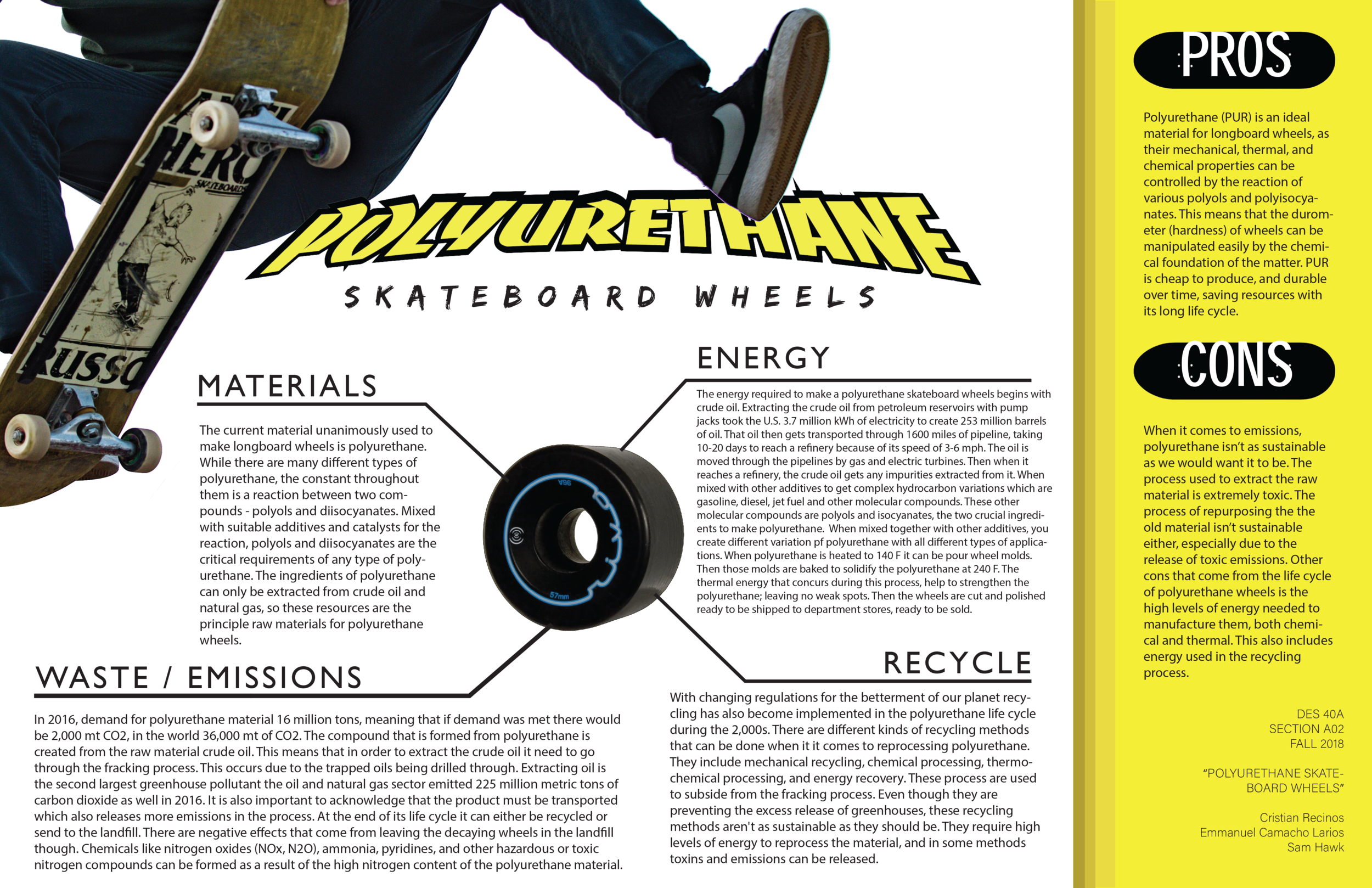
Polyurethane is a polymer consisting of organic units joined by carbamate (urethane) links. It is created through the reaction of a diisocyanate with a polyol. The specific types of diisocyanate and polyol used, along with the addition of various catalysts and additives, allow manufacturers to create a vast range of polyurethane materials with vastly different properties, from rigid foams to flexible elastomers. For skateboard wheels, the focus is on the latter: elastomeric polyurethanes.
These elastomers possess excellent resilience (the ability to return to their original shape after deformation), abrasion resistance (withstanding wear and tear), and tensile strength (resistance to breaking under tension). These qualities are precisely what skaters need for wheels that can withstand impacts, slide without excessive wear, and maintain their shape during hard landings.
Why Polyurethane Is Superior
Before polyurethane, skateboard wheels were often made from materials like steel, roller skate wheels, or even hard rubber. These materials offered little shock absorption, leading to a rough and jarring ride. They also provided minimal grip, making it difficult to control the board, especially on smoother surfaces.
Polyurethane changed the game by offering:
- Grip: PU provides a sticky surface that adheres to the pavement, allowing skaters to turn, carve, and maintain control. The level of grip can be finely tuned by adjusting the hardness and additives.
- Durability: Skateboard wheels endure constant friction, impact, and exposure to various surfaces. Polyurethane’s inherent toughness allows wheels to last for a considerable amount of skating, resisting chunking (breaking off pieces) and excessive wear.
- Rebound: This refers to how much energy a wheel returns after being compressed. High rebound means the wheel will spring back quickly, contributing to speed and a lively feel. This is crucial for maintaining momentum and popping over obstacles.
- Smoothness: Compared to older materials, PU offers a much smoother ride, absorbing some of the vibrations from rough surfaces.
The ability to customize PU’s properties through chemical formulation means that manufacturers can create wheels for virtually any skateboarding application, from the softest cruiser wheels to the hardest street wheels.
Credit: www.youtube.com
The Role Of Durometer: Measuring Wheel Hardness
One of the most critical factors determining a skateboard wheel’s performance is its durometer, a measure of its hardness. This is typically measured on the Shore A scale, which ranges from 0 to 100. For skateboard wheels, the scale usually runs from around 78A to 104A. Understanding durometer is key to choosing the right wheels for your skating style and the terrain you’ll be riding on.
Understanding The Shore A Scale
The Shore A scale is a standardized method for measuring the indentation hardness of materials like plastics and soft rubbers. A higher durometer number indicates a harder material.
- Softer Wheels (78A – 87A): These wheels are very soft and offer maximum grip and shock absorption. They are ideal for cruising, longboarding, and riding on rough surfaces like cracked pavement or skateparks with rough transitions. They absorb vibrations well, providing a smooth and comfortable ride. However, their softness means they have less rebound, making them slower on smooth surfaces and more prone to flat spots if used for heavy sliding.
- Medium Wheels (88A – 95A): This range offers a balance between grip and speed. They provide decent shock absorption for general street skating and are still relatively quiet. They can handle some rougher terrain better than very hard wheels but are not as forgiving as the softest options.
- Hard Wheels (96A – 104A): These wheels are very hard, offering the least grip but the highest speed and rebound. They are favored by street and park skaters who prioritize quick acceleration, slideability, and responsiveness. Their hardness allows them to roll over imperfections with less resistance. However, they transmit more vibration, leading to a rougher ride, and offer less grip, making them more prone to slipping out during turns if not handled with skill.
Durometer And Performance Characteristics
The durometer directly influences several key aspects of wheel performance:
- Grip: Softer wheels have more surface contact and a stickier feel, providing superior grip for carving and sharp turns. Harder wheels offer less grip, making them easier to slide but less secure for aggressive turning.
- Speed: Harder wheels generally roll faster on smooth surfaces because they deform less under pressure, resulting in less energy loss. Softer wheels can be faster on rough terrain as they absorb impacts and maintain momentum better.
- Durability: While all PU wheels are durable, harder wheels tend to resist abrasion and chunking slightly better under extreme conditions, especially during slides. Softer wheels can wear down faster if subjected to constant sliding.
- Ride Comfort: Softer wheels provide a significantly smoother and quieter ride by absorbing vibrations. Harder wheels transmit more of the terrain’s texture to the rider.
Examples Of Durometer Use
- Cruising/Longboarding: Often use wheels in the 78A-87A range for a smooth, grippy ride. Brands like Orangatang (now Loaded Boards) are famous for their soft, grippy wheels.
- Street Skating: Typically opt for wheels between 99A and 101A for a good balance of speed, slideability, and durability on concrete and asphalt.
- Park Skating: Skaters at wooden skateparks or those performing technical tricks might prefer wheels in the 97A-100A range for responsiveness and control.
- Ramp Skating: Similar to park skating, but some might opt for slightly softer wheels (97A-99A) for added grip on larger wooden ramps.
Pro Tip: When choosing wheels, consider where you’ll be skating most often. If you’re primarily cruising on uneven sidewalks, opt for softer wheels. If you’re hitting smooth skateparks and want to slide, go for harder wheels.
Credit: www.designlife-cycle.com
Beyond The Basics: Wheel Cores And Additives
While polyurethane is the primary material, skateboard wheels often incorporate additional components and chemical additives to enhance their performance and characteristics. These elements, though less prominent than the PU itself, play a crucial role in a wheel’s overall quality, speed, and durability.
The Function Of Wheel Cores
Many modern skateboard wheels, especially those designed for speed and performance, feature a central core. This core is typically made from a harder plastic (like nylon or ABS) or sometimes even a metal alloy. The purpose of the core is multi-faceted:
- Weight Reduction: By replacing some of the polyurethane with a lighter core, the overall weight of the wheel is reduced. This can lead to a more responsive feel and easier ollies.
- Increased Speed: A rigid core provides a more stable platform for the bearings. This means bearings can spin more freely with less friction or wobble, translating to higher top speeds.
- Bearing Seating: The core ensures that the bearings are seated perfectly and remain in place, preventing them from becoming loose or misaligned.
- Durability: In some cases, a robust core can add structural integrity to the wheel, preventing it from deforming excessively under heavy loads.
Example: Some high-performance downhill longboard wheels, like those from Orangatang, feature a reinforced urethane core or even a specialized polymer core designed for maximum speed and minimal flex.
How Additives Fine-tune Performance
Manufacturers don’t just use raw polyurethane. They meticulously blend it with various chemical additives to achieve specific performance traits. These additives can influence:
- Rebound: Chemicals are added to increase the resilience of the PU, making the wheel “pop” more and retain energy for higher speeds.
- Abrasion Resistance: Additives can be incorporated to make the PU more resistant to wear and tear, extending the life of the wheel, especially when sliding.
- Color and UV Stability: Pigments are added for color, and UV stabilizers can be included to prevent the color from fading or the material from degrading when exposed to sunlight.
- Grip Enhancers: In some softer compounds, specific additives might be used to enhance the “stickiness” of the surface.
- Fillers: Sometimes, inert fillers are added to reduce cost or modify properties, though high-quality wheels typically use minimal fillers.
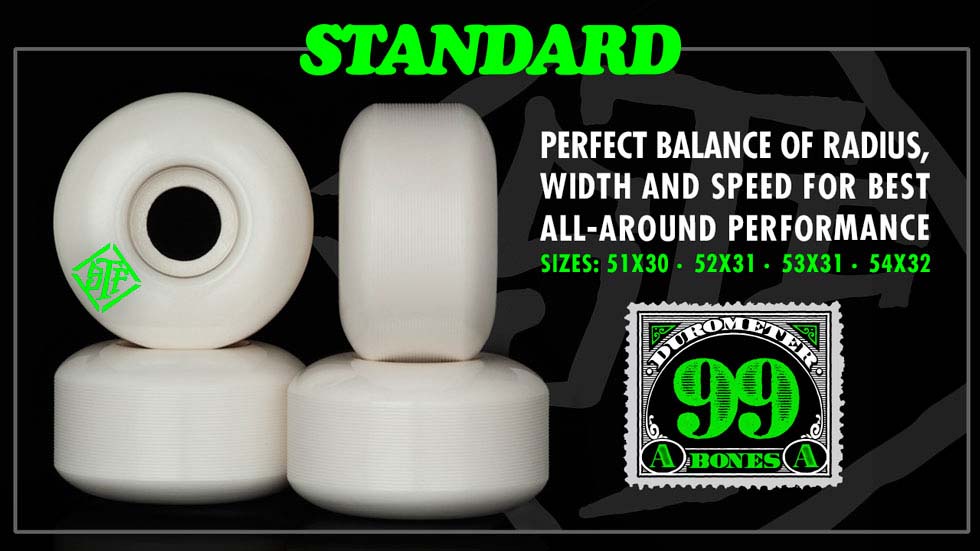
The precise formulation is often proprietary to each brand. This is why two wheels of the same durometer from different manufacturers can feel and perform quite differently. Brands like Bones Wheels are renowned for their proprietary “Street Tech Formula” (STF) and “Rough Skatepark Formula” (RPS) which are specifically engineered PU blends.
Comparison Of Core Vs. Coreless Wheels
| Feature | Coreless Wheels | Wheels with Cores |
|---|---|---|
| **Weight** | Generally heavier | Generally lighter |
| **Speed** | Can be slower due to less rigid bearing seat | Often faster due to stable bearing seat and reduced weight |
| **Durability** | Can be prone to deforming under heavy impact | More structurally sound, less prone to deformation |
| **Cost** | Typically less expensive | Can be more expensive due to added core material/process |
| **Feel** | Can feel “softer” or more “mushy” | Often feels “snappier” and more responsive |
| **Best For** | Beginners, casual cruising, budget-conscious skaters | Performance street, park, downhill, and longboarding |
The Manufacturing Process: From Liquid To Rolling
The creation of skateboard wheels is a precise industrial process that transforms liquid polyurethane into the durable, functional components skaters rely on. While the exact methods can vary between manufacturers, the general process involves mixing, pouring, and curing the polyurethane under controlled conditions.
Mixing The Polyurethane
The process begins with precisely measuring and mixing the two main components of polyurethane: the isocyanate and the polyol. These are liquid chemicals that, when combined, undergo a chemical reaction to form the solid polymer. Various catalysts, additives, and pigments are also added at this stage, according to the specific formula for the desired wheel properties (hardness, rebound, color, etc.).
Accurate measurement is critical. Even slight variations in the ratio of ingredients can significantly alter the final characteristics of the wheel. This stage is often automated in large manufacturing facilities to ensure consistency.
Pouring And Molding
Once the liquid PU mixture is prepared, it is poured into molds. These molds are typically made of metal and are shaped to form the desired wheel profile (shape and size). There are two primary methods for molding PU wheels:
- Cast Polyurethane: This is the most common method. The liquid PU is poured into a mold, and then the mold is often spun at high speeds. This centrifugal force pushes the material outwards, creating a dense, uniform wheel and ensuring the material fills the mold completely. After pouring, the mold is heated to facilitate the curing process.
- Compression Molding: In this method, a pre-measured amount of PU is placed into a heated mold, and then pressure is applied to force the material into the desired shape. This method can also produce high-quality wheels.
Many manufacturers also have specialized processes for creating wheels with cores. This might involve inserting a pre-made core into the mold before pouring the polyurethane, or using a multi-stage molding process to bond the core and the outer urethane layers.
Curing And Finishing
After molding, the wheels need to cure. This is a chemical process where the polyurethane solidifies and reaches its final properties. Curing can take anywhere from a few hours to several days, depending on the specific PU formulation and manufacturing process. Temperature and humidity control are crucial during this phase to ensure optimal material properties.
Once cured, the wheels are removed from the molds. They then undergo finishing processes, which may include:
- Trimming: Excess material (flash) around the edges is trimmed off.
- Machining: Some high-end wheels might have their surfaces machined for precise shape and smoothness.
- Quality Control: Wheels are inspected for defects, such as air bubbles, inconsistencies in color, or structural flaws.
- Printing: Graphics are applied to the wheels using screen printing or heat transfers.
The entire process requires a high degree of precision to ensure that each wheel meets the manufacturer’s specifications for hardness, shape, and performance. The quality of the mold, the accuracy of the mixing, and the control over the curing process all contribute to the final product’s quality.
Factors Beyond Material: Shape, Size, And Profile
While the material composition is paramount, the shape, size (diameter), and profile (width and contact patch) of a skateboard wheel significantly influence its performance and suitability for different types of skateboarding. These physical characteristics work in tandem with the material properties to define how a wheel interacts with the ground.
Diameter (size)
Skateboard wheel diameter is measured in millimeters (mm). The size of the wheel affects speed, acceleration, weight, and how well it handles obstacles.
- Small Wheels (50-53mm): These are lightweight and accelerate quickly, making them ideal for technical street skating and flip tricks. They have a lower top speed and are more prone to getting stuck on cracks or pebbles.
- Medium Wheels (54-56mm): This is a versatile range, suitable for both street and park skating. They offer a good balance of acceleration and top speed. Many skaters find this size to be a good all-around choice.
- Large Wheels (57mm+): These wheels have a higher top speed and roll over rough surfaces more easily due to their momentum. They are common for transition skating (ramps, bowls), cruising, and downhill longboarding. However, they are heavier and can slow down acceleration, making them less ideal for flip tricks.
Example: A skater performing intricate flip tricks on flat ground will likely choose smaller wheels (e.g., 52mm) for quicker rotation and easier control. A skater bombing a hill will opt for larger wheels (e.g., 70mm+) for maximum speed and stability.
Width And Contact Patch
The width of a wheel refers to its overall dimension from side to side. The contact patch is the specific area of the wheel that touches the ground. These dimensions impact grip and slideability.
- Narrow Wheels: Have a smaller contact patch. They are lighter and have less friction, making them easier to slide and more responsive for flip tricks. However, they offer less grip.
- Wide Wheels: Have a larger contact patch, providing more grip and stability. They are better for cruising, carving, and rough terrain, as they distribute weight over a larger area and are less likely to get stuck. They are also more resistant to flat spots during slides.
The profile of a wheel describes the shape of its sides and the width of its contact patch. Common profiles include:
- Standard/Classic: A rounded profile with a moderate contact patch. A good all-around choice.
- Conical: Features a tapered, cone-like shape on the sides, leading to a narrower contact patch. This is excellent for flip tricks and lock-ins on ledges but offers less grip.
- Street/Slim: A variation of conical, often with straighter sides and a very narrow contact patch. Prioritizes slideability and lightness.
- Fiesta/Offset: Has a rounded outer edge and an “offset” core, meaning the contact patch is not perfectly centered. This can offer a balance of grip and slideability.
- Wide/Cruiser: Features a broad contact patch for maximum grip and stability, ideal for cruising and rough surfaces.
How Shape And Size Affect Performance
- Acceleration: Smaller, lighter wheels accelerate faster.
- Top Speed: Larger, harder wheels tend to achieve higher top speeds on smooth surfaces.
- Grip: Wider wheels with larger contact patches offer more grip.
- Slideability: Narrower wheels with smaller contact patches are easier to slide.
- Obstacle Handling: Larger wheels roll over cracks and pebbles more easily.
- Weight: Smaller wheels are lighter, aiding in flip tricks.
Choosing the right combination of diameter, width, and profile is as important as selecting the correct durometer and material. For instance, a street skater might choose a 52mm wheel with a narrow, conical profile and a durometer of 99A, prioritizing flip trick capability and slide.
A downhill skater might choose a 75mm wheel with a wide profile and a medium durometer (around 80A-85A) for maximum speed and stability. Understanding these physical attributes allows skaters to fine-tune their setup for optimal performance.
Choosing The Right Skateboard Wheels For Your Needs
With a deep understanding of what skateboard wheels are made of and how their properties are influenced by material, durometer, cores, additives, and physical dimensions, the next logical step is applying this knowledge to make an informed purchasing decision. The “best” wheel is not universal; it’s entirely dependent on your individual skating style, the terrain you frequent, and your personal preferences.
Matching Wheels To Your Skating Discipline
- Street Skating: Focuses on tricks performed on urban obstacles like stairs, ledges, rails, and flat ground.
- Recommended: Wheels in the 50-54mm diameter range.
- Durometer: 99A – 101A for a balance of speed, slideability, and durability on concrete.
- Profile: Often conical or slim for easier flip tricks and slides.
- Examples: Bones STF (Street Tech Formula), Spitfire Formula Four (Conical Full, Tablet shapes).
Matching Wheels To Your Skating Discipline (Continued)
Park and Vert Skating
Transition skating in bowls, halfpipes, and concrete skateparks demands predictability, high speed, and reliable grip when carving, combined with the ability to slide cleanly when coping tricks demand it.
- Recommended Size: 54-60mm. Larger sizes maintain momentum through transitions and over coping.
- Durometer: 99A – 103A (or hard urban urethane). You want speed and slide control on smooth ramps without losing energy to cushion.
- Profile: Standard or wide conical to maximize stability on steep vertical walls and provide a solid surface for grinds and stalls.
- Popular Formulations: Bones V5/V6 shapes or Spitfire Classics in higher durometers.
Cruising and Commuting
If your board is a mode of transportation rather than a tool for tricks, your priorities shift entirely toward comfort, speed over rough asphalt, and the ability to roll over debris without getting thrown off the board.
- Recommended Size: 56-70mm+. Larger diameters absorb shocks and maintain roll speed.
- Durometer: 78A – 87A (soft urethane). This softer shore hardness cushions vibrations from cracks, pebbles, and rough sidewalks.
- Profile: Wide cruiser profiles or offset cores with massive contact patches for maximum traction.
- Popular Formulations: Ricta Clouds, OJ Hot Formula, or Orangatang wheels.
Longboarding and Freeride
Longboard setups vary wildly depending on whether the goal is downhill racing, technical sliding, or long-distance pushing. However, they almost universally rely on specialized urethane blends.
- Recommended Size: 65-75mm+.
- Durometer: 78A – 83A for grip and cruising; 80A – 86A with specially formulated slide additives for freeride.
- Profile: Square-lipped for maximum grip and carving; rounded or heavily chamfered lips for predictable, buttery slides.
- Popular Formulations: Hawgs, Orangatang, or Cult Wheels.
Maintenance and Wheel Longevity
Skateboard wheels endure immense friction, heat, and physical stress. Proper maintenance extends their lifespan, keeps them rolling smoothly, and prevents frustrating performance issues like flat spots or coning.
Rotating Your Wheels
Because skaters typically push with the same foot, weight distribution is uneven. Front wheels wear differently than back wheels, and the wheels on your heels usually wear faster than your toes. Rotating your wheels every few weeks ensures even wear across all four surfaces.
- Move your front wheels to the back, and back wheels to the front.
- Flip the wheels so the inside-facing edge now faces outward. This counteracts the natural angle of wear caused by turning and carving.
Preventing and Handling Flat Spots
A flat spot occurs when a wheel stops rotating mid-slide and skids across the pavement, grinding down one specific patch of urethane. Once a flat spot forms, the wheel makes an irritating thumping sound and ruins the smooth roll of the board.
- Commit fully to your slides; under-rotating during a powerslide or blunt slide is the primary cause of flat spots.
- Choose higher quality, flat-spot-resistant urethane formulas (such as Bones Formula Four or Spitfire’s high-grade compounds) if you practice slides frequently.
- To fix minor flat spots, skate heavily on rough, abrasive asphalt or wooden ramps. Over time, the natural friction can grind the surrounding urethane back down into a round shape, though severely damaged wheels must be replaced.
Frequently Asked Questions
1. Do softer skateboard wheels make you go slower?
On smooth surfaces like indoor skateparks or polished concrete, softer wheels (under 90A) actually generate more rolling resistance because the urethane deforms under weight, absorbing energy that would otherwise go toward forward momentum. However, on rough asphalt or cracked sidewalks, soft wheels are significantly faster because they roll smoothly over obstacles instead of stopping abruptly.
2. Why do skateboard wheels turn yellow over time?
Most standard polyurethane formulas contain chemical plasticizers and additives that react to ultraviolet (UV) radiation from sunlight. Exposure to sunlight causes photo-oxidation, turning clear or white urethane into a yellowish or amber tint. This discoloration is purely cosmetic and rarely affects the performance, hardness, or structural integrity of the wheel.
3. Can I use longboard wheels on a regular skateboard?
Yes, but you will almost certainly experience wheel bite—where the wheel rubs against the bottom of the skateboard deck during a turn or landing, causing the board to stop abruptly. Longboard wheels are much larger (typically 65mm to 75mm) than standard street wheels (50mm to 54mm). To use them safely on a regular skateboard, you must install riser pads to increase the distance between the deck and the wheels, and potentially use smaller or harder wheels if the deck design lacks wheel wells.
4. How do I know when it is time to replace my skateboard wheels?
You should replace your wheels when they have worn down significantly in diameter, usually dropping below 48mm for street skating. At this size, your deck sits too close to the ground, increasing the risk of scraping your board or catching on cracks. Additionally, if your wheels develop severe, unfixable flat spots that cause heavy thumping, or if chunks of urethane tear out near the bearing seat, they are no longer safe or reliable for skating.
5. What is the difference between ABEC ratings and wheel durometer?
ABEC ratings measure the manufacturing precision tolerances of the steel bearings inside the wheels, not the wheels themselves. They dictate how smoothly and efficiently the bearing spins. Wheel durometer, measured on the Shore A or B scale, refers strictly to the hardness of the polyurethane wheel material. Skaters often confuse the two, but they measure two entirely distinct components of a skateboard setup.
Final Thoughts
Choosing the right skateboard wheels requires balancing chemistry, physics, and personal skating style. While the vast majority of skateboard wheels are made from polyurethane, the subtle variations in chemical additives, core designs, durometer ratings, and physical dimensions completely transform how a setup performs on concrete, wood, or asphalt.
By understanding what goes into your wheels—from the raw polymer formulation to the finished profile—you can curate a setup that enhances your speed, improves your trick consistency, and keeps you rolling smoothly through any terrain.