
The rhythmic clatter of wheels on pavement, the exhilarating rush of air, and the sheer creative expression, skateboarding has long been celebrated for its unique blend of athleticism, artistry, and rebellious spirit. Yet, a quick glance at any skate park or competition roster often reveals a stark demographic imbalance. For decades, skateboarding has been overwhelmingly male-dominated, a reality that sparks conversations about access, culture, and historical influences. Understanding the roots and ongoing dynamics of this disparity is crucial for fostering a more inclusive and diverse skateboarding community for everyone.
This introduction sets the stage for exploring the multifaceted reasons behind skateboarding’s historical male dominance. It acknowledges the sport’s appeal while highlighting the demographic reality and the importance of understanding its origins to foster future inclusivity.
Key Takeaways
-
- Historical Roots: Skateboarding emerged from predominantly male subcultures, influencing early access and media representation.
- Societal Expectations: Traditional gender roles and stereotypes have discouraged female participation in activities perceived as masculine.
- Media Representation: A lack of visible female role models and limited media portrayal reinforced skateboarding as a male activity.
- Perceived Barriers: Safety concerns, the aggressive nature of some skate culture, and the physical demands have been deterrents.
- Promotional Efforts: Dedicated camps, women’s events, mentorship, and increased media representation are actively working to increase female participation.
- Cultural Shift: While many women, girls, and gender-diverse skaters are actively changing the culture, participation and visibility still lag behind male skaters in many settings.
Historical Roots And Early Influences
The origins of skateboarding are intertwined with the surf culture of the 1950s and 60s, a period and scene that was largely male-dominated. As surfers sought ways to practice their sport on land during flat spells, they adapted roller skate wheels to wooden boards.
This nascent activity quickly developed its own identity, fueled by a spirit of innovation and a desire for freedom that resonated strongly within the prevailing youth culture of the time. The early pioneers, the first professional skaters, and the media that began to document the sport were overwhelmingly male.
This established an initial framework where skateboarding was implicitly or explicitly seen as a pursuit for boys and young men.
The imagery and marketing of early skateboarding, from magazines to advertisements, consistently featured male skaters performing daring feats. This created a powerful visual narrative that, whether intentional or not, framed skateboarding as a masculine endeavor. The associated culture, with its emphasis on rebellion, risk-taking, and a certain anti-establishment ethos, also tended to be presented through a male lens. This early cultural framing is a foundational reason why skateboarding became so deeply associated with masculinity, setting a precedent that would take generations to challenge. The very language used to describe skateboarding, terms like “shredding,” “ripping,” and “gnarly”, often carried connotations that were more readily adopted by or marketed towards a male audience.
The Rise Of Skateboarding Culture
As skateboarding evolved from a casual pastime to a more organized sport and cultural phenomenon, its subcultures solidified. These subcultures, often centered around skate parks, street spots, and local skate shops, developed their own norms, hierarchies, and aesthetics. In many of these early communities, women were either absent or present in very small numbers, often relegated to supporting roles or being seen as outsiders. This lack of integration meant that the developing norms and unspoken rules of skate culture were largely shaped by male experiences and perspectives.
The emphasis on progression, pushing limits, and mastering difficult tricks, while central to skateboarding’s appeal, could also inadvertently create barriers. The inherent risks involved in skateboarding, such as falls and injuries, might have been perceived differently or been more readily accepted within a male peer group that was socialized to embrace physical challenges and minimize pain.
Furthermore, the competitive aspect, which gained traction with the advent of organized contests, often mirrored existing sports where male participation was the default and more heavily funded.

Credit: dailytrojan.com
Societal Expectations And Gender Stereotypes
Beyond the inherent characteristics of skateboarding, broader societal influences have significantly contributed to its male-dominated status. Traditional gender roles have historically steered girls and women towards activities perceived as more feminine, often emphasizing grace, teamwork, or aesthetic appeal over risk-taking, physical prowess, or individualistic expression.
Skateboarding, with its raw energy, perceived danger, and counter-cultural roots, often fell outside these prescribed boundaries.
From a young age, many girls received different messages about acceptable forms of recreation and physical activity. While boys might be encouraged to “be tough” and engage in rough-and-tumble play, girls might be steered towards activities deemed safer or more socially appropriate. This early socialization can profoundly impact a child’s interests and confidence in pursuing activities like skateboarding. The toys children play with, the media they consume, and the encouragement they receive from family and peers all contribute to shaping their perceptions of what is “for them.”
The “tomboy” Trope And Its Limitations
For girls who did gravitate towards skateboarding, they often found themselves navigating the “tomboy” stereotype. While this label could sometimes grant a degree of acceptance, it also reinforced the idea that such interests were an exception to the norm for females, rather than a valid pursuit in its own right. This could lead to a feeling of not fully belonging, either in traditionally feminine social circles or within the male-dominated skate scene. The pressure to conform to gendered expectations can be a powerful deterrent, making the path of least resistance for many girls to opt for activities that align more closely with societal norms. This phenomenon is not unique to skateboarding; many other sports and activities have historically faced similar challenges in achieving gender parity due to these deeply ingrained societal expectations.
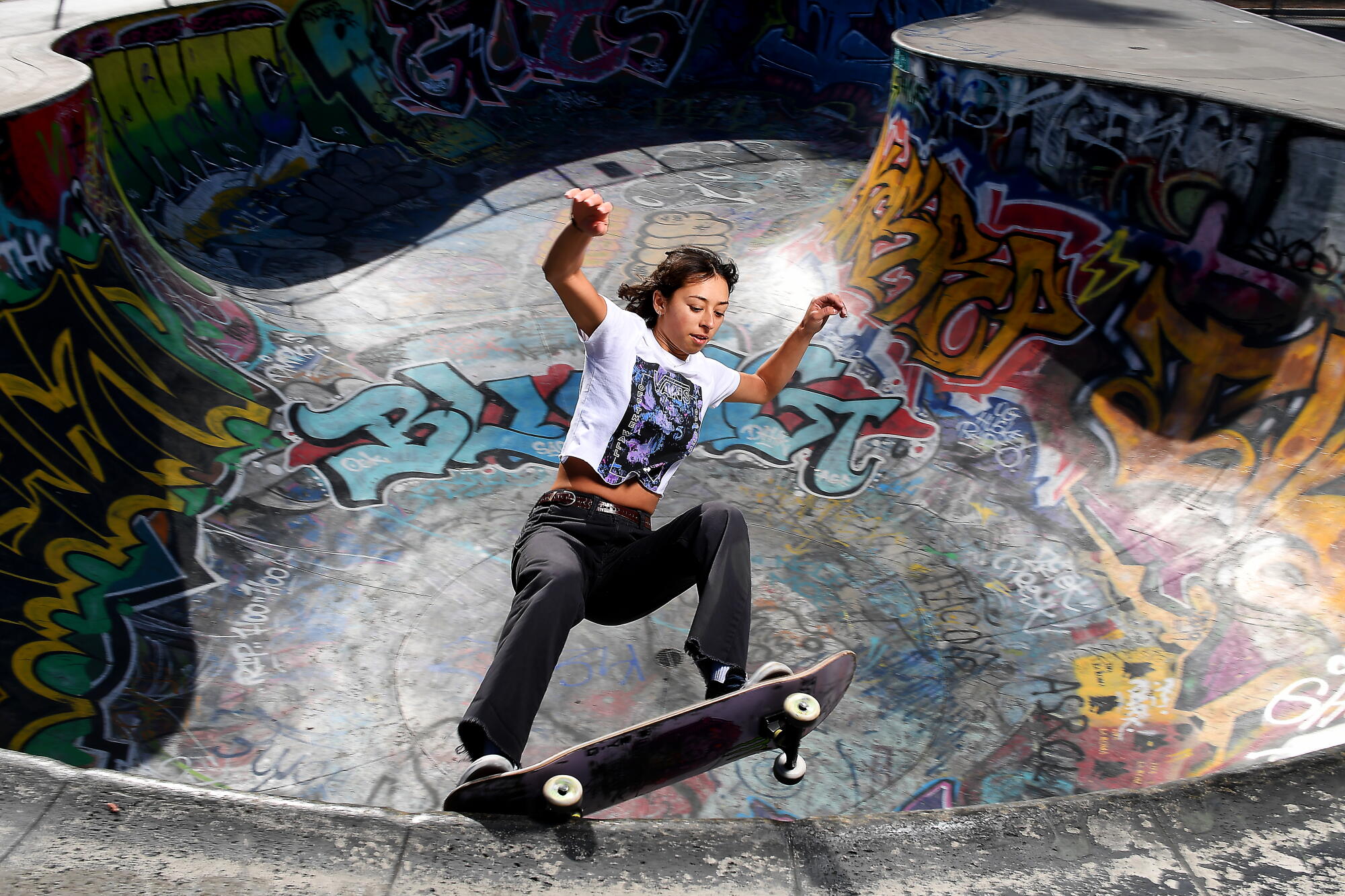
Credit: www.latimes.com
The Impact Of Media And Representation
Media plays a pivotal role in shaping perceptions and influencing participation in any activity, and skateboarding is no exception. For a long time, the portrayal of skateboarding in films, television, magazines, and advertisements overwhelmingly featured male skaters. This created a feedback loop: the media reflected the existing demographic, which in turn reinforced the idea that skateboarding was a male domain, thus influencing who felt welcome or encouraged to try it.
The lack of visible female role models in mainstream skateboarding media has been a significant barrier. When young girls don’t see people who look like them succeeding, having fun, or being celebrated in a sport, it can be difficult to envision themselves participating. This absence extends to professional sponsorships, professional competitions, and even casual depictions of skate culture. While there have always been talented female skaters, their stories and achievements were often marginalized or ignored by the broader media landscape, making them less accessible to a wider audience.
In recent years, social media and independent skate channels have helped close that gap by giving women and girls more direct visibility, but mainstream coverage and commercial sponsorship still remain uneven.
Evolution Of Skateboarding Media
In recent years, there has been a notable shift, albeit slow, in how skateboarding is represented. An increasing number of media outlets, brands, and filmmakers are actively seeking to showcase female skaters. Documentaries, social media campaigns, and dedicated publications are beginning to highlight the talent and experiences of women in skateboarding, providing much-needed visibility. For example, brands are increasingly signing female pros and featuring them in their marketing campaigns. This increased representation is crucial for inspiring the next generation and normalizing female participation. However, the legacy of decades of male-centric media means that the industry still has a long way to go to achieve true parity in representation. The challenge now is to ensure this progress is sustained and that female voices and achievements are not just acknowledged but celebrated with the same fervor as their male counterparts.

Credit: tucson.com
Perceived Barriers To Entry And Participation
Beyond historical and media influences, several practical and perceptual barriers can deter women from taking up or continuing skateboarding. These can range from safety concerns to the general atmosphere of skate parks. The inherent risks of skateboarding, falls, sprains, broken bones, are real for everyone, but social conditioning can sometimes lead to a heightened perception of danger for girls and women, or a greater fear of injury being seen as a sign of weakness.
Safety And Physicality Concerns
The physical nature of skateboarding, which involves balance, coordination, and the potential for impact, can be intimidating. While many women are perfectly capable of meeting these physical demands, the initial learning curve can be steep, and the fear of falling or not progressing quickly can be amplified by a lack of supportive instruction or a sense of being judged. This is particularly true in environments where women are a minority.
Wearing a helmet and properly fitted wrist guards, knee pads, and elbow pads can make the learning process less intimidating and reduce injury risk, especially for beginners.
Skate Park Culture And Environment
The atmosphere at many skate parks can also be a deterrent. Some parks, especially those established during the peak of skateboarding’s male-dominated era, can feel unwelcoming to newcomers, particularly women. This can be due to a perceived sense of territoriality, an environment that feels overly aggressive, or a lack of female-friendly facilities. The social dynamics within a skate park are crucial. If women feel that their presence is met with scrutiny, unwanted attention, harassment, or a lack of encouragement from male skaters, they are less likely to return. This is why initiatives that create dedicated women’s skate sessions or foster more inclusive park etiquette are so important.
Equipment And Accessibility
While not exclusively a female issue, the availability and marketing of skate gear can sometimes be oriented towards male preferences. Finding skateboards, shoes, and protective gear that fit well and appeal aesthetically can be a challenge. While many skateboard manufacturers offer a wide range of products, the initial perception might be that the “standard” offerings are designed for male anatomy or aesthetic tastes. This is slowly changing, with more brands recognizing the diverse needs of their customer base. Access to instruction is another factor; while there are many resources for learning, finding instructors who are experienced in teaching women or who can create a comfortable learning environment can make a significant difference.
Initiatives Promoting Female Participation
Recognizing the need for greater inclusivity, a growing number of individuals, organizations, and brands are actively working to break down the barriers and encourage more women and girls to embrace skateboarding. These efforts encompass a wide range of strategies, from grassroots community building to professional-level support.
Dedicated Camps, Clinics, And Events
One of the most effective ways to foster female participation is through dedicated skateboarding camps and clinics designed specifically for women and girls. These events provide a safe, supportive, and empowering environment where participants can learn fundamental skills, build confidence, and connect with other female skaters. Organizations like Skate Like A Girl and various local skate schools offer programs that cater to different skill levels, from absolute beginners to intermediate skaters. These initiatives often focus not just on the technical aspects of skating but also on building community and fostering a positive self-image.
Role Models And Mentorship Programs
The power of seeing oneself reflected in the activity is immense. Therefore, showcasing and supporting female skateboarders as role models is a critical strategy. This includes sponsoring more women, featuring them prominently in media, and creating mentorship opportunities. When established female skaters can guide and inspire younger generations, it creates a tangible pathway for aspiring skaters. Programs that pair experienced female skaters with beginners can offer invaluable advice, encouragement, and practical tips, helping to demystify the sport and build confidence.
Media And Brand Support
Brands and media outlets are increasingly recognizing the market and cultural importance of female skaters. This has led to more inclusive marketing campaigns, the sponsorship of women’s skateboarding events, and the creation of content that celebrates female talent. Companies are investing in women’s professional teams and producing videos and photo shoots that highlight their skills and stories. This shift in media representation is vital for changing perceptions and making skateboarding feel more accessible and aspirational for girls and women. The growth of platforms like The Berrics, which increasingly features female skaters, and dedicated online communities further amplifies these efforts.
Creating Inclusive Spaces
Beyond specific programs, fostering a more inclusive skate park culture is paramount. This involves educating existing skaters about creating welcoming environments, promoting respectful behavior, and ensuring that skate parks are accessible and enjoyable for everyone. Some parks are implementing “women and girls only” sessions, which can be a valuable stepping stone for those who feel intimidated in mixed-gender environments. Ultimately, the goal is to integrate these efforts so that inclusive spaces become the norm, not the exception.
The Future Of Skateboarding: Towards Greater Inclusivity
The landscape of skateboarding is continually evolving, and the trend towards greater inclusivity is undeniable. While the sport has historically been male-dominated, the concerted efforts of individuals, organizations, and the industry itself are paving the way for a more diverse and equitable future.
The increasing visibility of talented female skaters at all levels, from local parks to global competitions like the Olympics, is a testament to this progress.
The inclusion of skateboarding in the Olympic Games has undeniably brought a new level of mainstream attention and legitimacy to the sport. For female athletes, this platform has provided unprecedented opportunities for recognition, sponsorship, and inspiration. Seeing athletes like Momiji Nishiya and Sky Brown win medals has a profound impact on young girls around the world, showing them that skateboarding is a viable and celebrated pursuit. This global stage helps to dismantle the notion that skateboarding is solely a male activity and opens doors for future generations.
Overcoming Persistent Challenges
Despite this positive momentum, challenges remain. Deep-seated cultural norms and stereotypes can be slow to change. Ensuring equitable prize money in competitions, consistent media coverage, and accessible pathways to professional careers for women are ongoing battles. The industry must continue to invest in grassroots programs that nurture talent from a young age and support female skaters throughout their careers. Furthermore, addressing issues of harassment and discrimination within skate communities is crucial for creating truly safe and welcoming spaces for everyone.
The journey towards a truly gender-balanced skateboarding community is a marathon, not a sprint. It requires continuous effort, advocacy, and a commitment from all stakeholders, skaters, brands, media, and governing bodies. As more women find their voice and carve their own paths in skateboarding, the sport will undoubtedly become richer, more dynamic, and more representative of the diverse world we live in. The benefits of skateboarding, from physical health to mental well-being and fostering a sense of community, are universal, and ensuring equitable access to these benefits is the ultimate goal.
Frequently Asked Questions
Why Is Skateboarding Seen As A Dangerous Sport?
Skateboarding inherently involves risks due to the nature of the activity, which includes balancing on a moving board, performing tricks, and navigating various surfaces. Falls are common, and injuries can range from minor scrapes and bruises to more serious sprains, fractures, or head injuries.
This perception of danger is amplified by the stunts often showcased in media. However, with proper safety gear, progressive learning, and an understanding of one’s limits, the risks can be mitigated. Many skaters find that the perceived danger is part of the allure, pushing them to overcome challenges and build resilience.
How Can I Find A Supportive Skateboarding Community As A Beginner Woman?
Finding a supportive community is key to enjoying and progressing in skateboarding. Look for local skate shops, as they are often hubs of information and can connect you with local skaters or groups. Many cities have women’s skateboarding meetups or dedicated sessions at skate parks. Online forums and social media groups focused on women in skateboarding can also be valuable resources for finding like-minded individuals and learning about local events or initiatives. Participating in beginner clinics or beginner-friendly skate lessons can also introduce you to a welcoming environment and instructors who understand the needs of new skaters.
Are There Specific Types Of Skateboards Better For Women?
There isn’t a specific type of skateboard that is exclusively “for women.” The best skateboard for anyone, regardless of gender, depends on their intended use, skill level, and personal preference. However, women may find certain board dimensions more comfortable. For instance, slightly narrower decks might feel more manageable for those with smaller feet or a lower center of gravity. Cruiser boards or longboards can be excellent for beginners or those interested in commuting and cruising, offering more stability. Ultimately, consulting a skateboard buying guide or speaking with knowledgeable staff at a skate shop can help you find a deck that fits your needs, such as those offered by brands like Element or Santa Cruz.
How Has The Rise Of Street Skateboarding Influenced Gender Dynamics?
Street skateboarding, which emphasizes tricks and creativity on urban obstacles like stairs, rails, and ledges, has historically been a very male-dominated discipline. The culture surrounding street skating often involved a high degree of risk-taking and a certain aggressive aesthetic that was more readily associated with male subcultures. However, as street skateboarding has become more globally recognized, including in the Olympics, more women have entered this discipline, showcasing incredible skill and pushing boundaries. This has challenged traditional perceptions and demonstrated that beginner street skills can evolve into complex maneuvers for any gender. The increasing presence of women in street skating is slowly reshaping its image and making it more inclusive.
What Are The Mental Health Benefits Of Skateboarding, And Are They Different For Men And Women?
Skateboarding offers significant mental health benefits for everyone, including stress relief, improved focus, enhanced problem-solving skills, and a boost in confidence and self-esteem. The benefits of skateboarding are well-documented, and research suggests that the sense of accomplishment from landing a new trick or overcoming a fear can be particularly powerful. While the core benefits are universal, the experience of achieving these benefits might be amplified for women in skateboarding due to the act of overcoming societal barriers and proving oneself in a male-dominated space. The mental health value of skateboarding is about self-mastery, perseverance, and finding joy in movement, which are valuable for all individuals.
The rhythmic push of a skateboard along the pavement, the exhilarating feeling of mastering a new trick, and the vibrant community that surrounds the sport have captivated enthusiasts for decades. While skateboarding has always been a powerful outlet for creativity and physical expression, its historical trajectory has been marked by a significant gender imbalance. Understanding the complex interplay of cultural influences, societal expectations, media representation, and lived experience is crucial to appreciating why skateboarding has been male-dominated for so long. Yet, as the sport continues to evolve, so too does its inclusivity, with a growing number of women and gender-diverse skaters carving out their own space and reshaping the future of skateboarding for generations to come.