
The 1990s was a transformative decade for skateboarding. As the sport shed some of its rebellious, underground image and began to gain mainstream traction, a new wave of brands emerged, shaping not just the equipment but also the culture and fashion associated with skating.
This era saw innovation in board construction, the rise of influential pro-skaters who became synonymous with their sponsors, and the development of distinct brand identities that resonated deeply with a generation of skaters. From the gritty street skating that defined the early ’90s to the more technical and diverse styles that followed, these brands were at the forefront, providing the decks, trucks, wheels, and apparel that allowed skaters to push their limits and express themselves.
This period was characterized by a blend of raw, DIY ethos and burgeoning commercial success. Brands that understood the evolving needs and aesthetics of skaters thrived, often by fostering authentic connections with their riders and the wider skate community. They sponsored contests, produced influential video parts, and designed gear that was both functional and stylish.
The legacy of these ’90s skateboarding brands continues to influence the industry today, with many still active and revered for their contributions to skate history.
Key Takeaways
- The 1990s was a pivotal decade for skateboarding, marked by the rise of new, influential brands that shaped equipment, culture, and fashion.
- Brands like World Industries, Plan B, and Girl Skateboards emerged as significant players, introducing innovative graphics and sponsoring top-tier talent.
- The decade saw a diversification of skate styles, from street skating to vert, influencing the types of boards and gear produced.
- Many ’90s brands fostered strong connections with their pro riders, whose video parts and signature models became highly sought after.
- The influence of these brands extended beyond skate parks, impacting streetwear and youth culture globally.
- The enduring appeal of many ’90s brands is evident in their continued presence and the nostalgic value they hold for skaters.
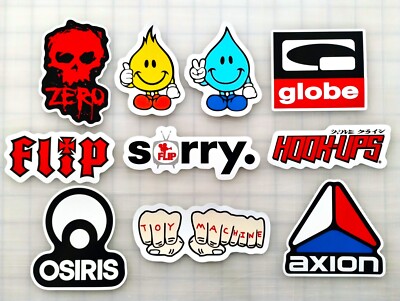
Credit: www.ebay.com
The Rise Of The New School: Brands That Defined The ’90s
The ’90s marked a significant shift in the skateboarding landscape. While some established brands continued their reign, a new generation of companies rose to prominence, often driven by visionary founders and a deep understanding of emerging skate trends. This era was characterized by a move towards more graphic-heavy decks, innovative board shapes, and a strong emphasis on sponsoring professional skateboarders who became the faces of the sport.
The internet was still in its infancy, meaning brand recognition and rider influence were largely built through skate videos, magazines, and word-of-mouth.
World Industries: Pushing Boundaries With Graphics And Talent
Founded by Steve Rocco in 1989, World Industries quickly became one of the most influential and controversial brands of the ’90s. Rocco’s business acumen and willingness to push the envelope, both graphically and commercially, set World Industries apart. The brand was known for its provocative and often humorous graphics, featuring characters like “Flameboy” and “Wet Willy,” which resonated with a generation of skaters looking for something edgier than what was previously available.
World Industries fostered an incredible stable of pro riders who defined street skating during the decade. Skaters like Guy Mariano, Kareem Campbell, Rudy Johnson, and Brandon Cole (later known as Bam Margera) were instrumental in the brand’s success. Their groundbreaking video parts, particularly in World Industries’ own video productions, showcased a new level of technical street skating that inspired countless others. The brand’s innovative board shapes, like the “8-ball” and “pinstripe” decks, also contributed to its distinct identity. In my experience, the sheer audacity of their graphics and the raw talent they showcased made World Industries a brand that was impossible to ignore.
Plan B Skateboards: The Pinnacle Of Technical Street Skating
Launched in 1991 by Mike Ternasky, Plan B Skateboards quickly established itself as the epitome of technical street skating. Ternasky’s vision was to create a brand that was solely focused on pushing the progression of skateboarding, assembling a team of the most talented and innovative skaters of the era. The original Plan B team read like a who’s who of ’90s legends, including Danny Way, Colin McKay, Rick Howard, Mike Carroll, and Rodney Mullen.
Plan B’s impact was monumental, largely due to its seminal video, “Questionable” (1992). This video is widely regarded as one of the most important skate videos ever made, showcasing a level of technicality and creativity that redefined what was possible on a skateboard. The footage of Danny Way’s massive ollies and Rodney Mullen’s continued innovation in flatground tricks set a new standard. Plan B’s commitment to quality and its focus on pure skateboarding excellence made it a brand revered by serious skaters. After Ternasky’s tragic death in 1994, the brand continued under the stewardship of its riders, evolving but always maintaining its core identity rooted in progression.
Girl Skateboards And Chocolate Skateboards: A New Era Of Style And Unity
Founded in 1993 by Rick Howard, Mike Carroll, Spike Jonze, and Megan Baltimore, Girl Skateboards emerged with a fresh aesthetic and a strong emphasis on team unity and artistic expression. The brand quickly distinguished itself with its clean graphics, often featuring playful collaborations and a sophisticated design sensibility that contrasted with the more aggressive imagery of some of its contemporaries. Girl’s early team included riders like Eric Koston, Guy Mariano (who later left World Industries), and Jerome Powell, all of whom were at the forefront of street skating innovation.
Following shortly after, in 1994, came Chocolate Skateboards, founded by Rick Howard and Mike Carroll alongside Sal Masekela and other partners associated with the Crailtap circle. Chocolate was envisioned as a slightly more raw and energetic counterpart to Girl, featuring a diverse team that included Kenny Anderson, Kareem Campbell, and Justin Eldridge. Both Girl and Chocolate fostered a sense of family among their riders and embraced a creative output that extended beyond just skate videos, influencing art, music, and fashion. The “Crailtap” collective, encompassing both brands, became a powerhouse of ’90s skate culture, known for its influential video projects like “Goldfish” (1994) and “Las Vegas” (1997).
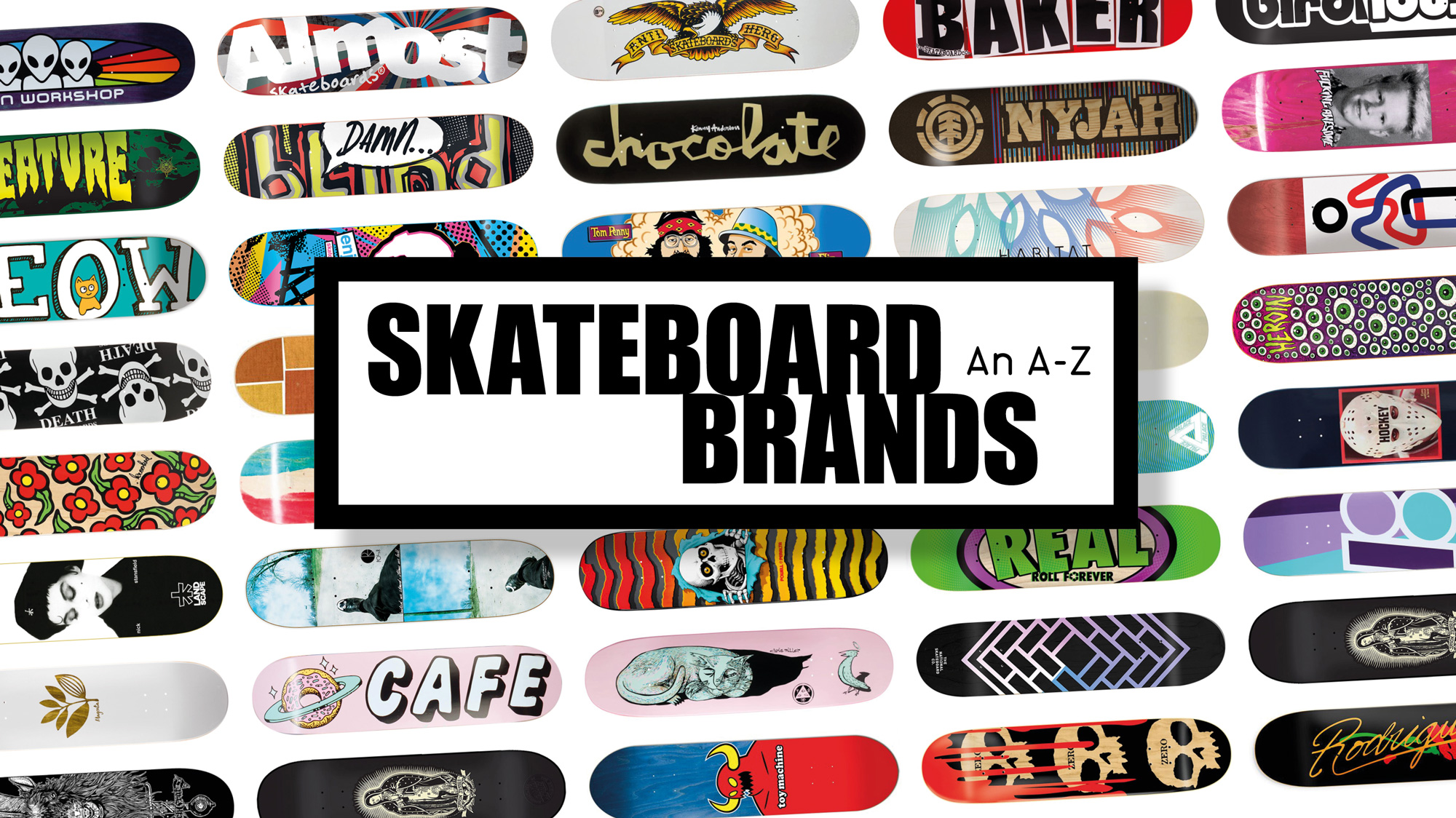
Credit: sidewalkmag.com
The Evolution Of Equipment: Decks, Trucks, And Wheels
The ’90s was a period of significant evolution in skateboard design and technology. As skating styles diversified, so did the equipment. Street skating demanded different features than vert skating, leading to innovations in board shapes, truck stability, and wheel hardness.
Brands that could adapt and cater to these changing needs found success. For skaters shopping today, the practical basics still matter: deck width should match shoe size and intended style, truck width should match the deck, and wheel choice should reflect whether the board is for street, park, or transition skating.
Deck Innovations: Shape, Concave, And Graphics
The early ’90s saw a transition away from the popsicle-stick shape that would later dominate. Many boards were still wider, with more pronounced noses and tails, reflecting the influence of vert skating and the desire for stability during tricks. However, as street skating gained momentum, decks began to narrow slightly, becoming more symmetrical and easier to flip. The introduction of more aggressive concaves, such as “W” concaves, provided skaters with better board feel and control for technical tricks.
Graphics also underwent a revolution. While hand-drawn art and abstract designs remained popular, the ’90s saw the rise of more complex, illustrated graphics, often featuring pop culture references, cartoon characters, and bold typography. Brands like Hook-Ups, founded by Jérôme Fourestier, became known for their anime-inspired graphics, while Zero Skateboards, founded by Jamie Thomas, embraced a darker, more aggressive aesthetic. The ability to print intricate designs directly onto the wood became more sophisticated, allowing for a greater range of artistic expression. Understanding how these deck shapes and graphics evolved is key to appreciating the era. For more on choosing the right deck, check out this expert guide on choosing a skateboard deck.
Trucks And Wheels: Stability Meets Speed
Truck technology also saw advancements. While the fundamental design of skateboard trucks remained consistent, manufacturers focused on improving durability, reducing weight, and refining turning geometry. Brands like Independent Truck Company continued to be a benchmark for quality and durability, favored by many street and vert skaters for their responsiveness and strength. Venture Trucks emerged as another popular choice, known for their stable turning and solid construction, making them a favorite for street skaters.
Wheel technology saw a significant shift towards harder, smaller wheels for street skating. The prevalence of rougher street terrain meant that softer, larger wheels, often used for transition skating, were less ideal. In the ’90s, skaters gravitated towards wheels in the 99a to 101a durometer range, which offered less friction on smooth surfaces, allowing for faster speeds and easier execution of flip tricks. Brands like Spitfire Wheels and Ricta Wheels became synonymous with high-performance street wheels, producing durable urethane that could withstand the abuse of daily skating. The development of specialized wheel formulas and shapes catered to the specific demands of different skateboarding disciplines. If comfort and rough-ground roll are priorities, many skaters today still choose slightly softer wheels than the hardest street formulas.
The Influence Of Video And Media
The ’90s was a golden age for skateboarding videos. With limited access to live events for many skaters, videos became the primary medium for discovering new talent, learning tricks, and understanding the culture. Brands that invested in high-quality video production reaped significant rewards in terms of brand recognition and influence.
The Power Of The Pro Part
Professional skateboarders were the rockstars of the ’90s, and their video parts were their anthems. A skater’s “part”, a curated collection of their best footage set to music, could launch them into superstardom and significantly boost the profile of their sponsoring brands. The raw, often gritty street skating captured in videos like “Video Days” (1991) by Blind Skateboards, featuring Mark Gonzales and Jason Lee, helped set new benchmarks, while Plan B’s “Questionable” further accelerated technical progression.
Brands actively sought out skaters who not only possessed exceptional skill but also had a unique style and personality that would resonate with audiences. The music choices, filming techniques, and editing styles within these videos became integral to the brand’s identity. For instance, the iconic footage of Danny Way in Plan B’s “Questionable” or Guy Mariano’s early street wizardry for World Industries became legendary, inspiring a generation to emulate their favorite skaters. These videos were more than just marketing tools; they were cultural artifacts that defined the era.
Skate Magazines As Cultural Barometers
Alongside videos, skateboarding magazines played a crucial role in shaping the narrative and promoting brands. Publications like Thrasher Magazine, TransWorld SKATEboarding, and Big Brother Magazine (known for its controversial and often humorous content) served as the primary source of information, news, and imagery for skaters worldwide.
These magazines featured interviews with pro skaters, reviews of new products, coverage of contests, and, most importantly, stunning photography and graphics that showcased the latest trends and the most influential brands. Brands strategically placed advertisements in these publications, often featuring their top riders and most striking graphics.
The editorial content, too, would often highlight specific brands or skaters associated with them, further cementing their presence in the skate consciousness. The interplay between editorial content, advertising, and reader engagement created a powerful ecosystem for ’90s skate brands to thrive.

Credit: www.youtube.com
Iconic Brands And Their Legacies
While many brands contributed to the ’90s skate scene, several stand out for their lasting impact and the indelible mark they left on the industry and culture. These brands not only produced quality equipment but also fostered unique identities and communities.
Element Skateboards: Nature, Sustainability, And Core Skating
Founded in 1992 by Johnny Schillereff, Element Skateboards quickly carved out a niche by focusing on a connection to nature, sustainability, and authentic skateboarding. Initially known as Underworld Element, the brand distinguished itself with graphics that often incorporated natural elements, art, and a commitment to environmental responsibility, a relatively new concept in the skate industry at the time.
Element’s early team included riders like Andy Macdonald and Bastian Salick, who embodied the brand’s ethos of progression and integrity. As the ’90s progressed, Element grew, attracting a diverse roster of talented skaters and solidifying its reputation as a core skate brand. Their commitment to producing high-quality decks and apparel, combined with their unique brand messaging, resonated with a growing segment of the skate community seeking authenticity and a connection beyond just tricks. If you’re considering Element, this review of Element skateboards can offer valuable insights.
Zero Skateboards: The Reign Of Raw Street Skating
Founded in 1996 by Jamie Thomas, Zero Skateboards represented the darker, more aggressive side of ’90s street skating. Emerging from the ashes of Zero Skateboards, which was a short-lived venture, Jamie Thomas relaunched the brand with a clear vision: to be the rawest, most uncompromising street skateboarding company. The brand’s graphics were typically dark, featuring skulls, demons, and a stark black-and-white aesthetic.
Zero’s early team was stacked with skaters who embodied this hard-charging style, including Tony Ferguson, Shannon May, and Chad Muska. The brand’s videos, such as “Thrill of It All” (1997) and “Misled” (1999), showcased a relentless pursuit of difficult tricks in challenging urban environments. Zero became synonymous with a certain type of dedicated, risk-taking street skater, and its influence on the aesthetic and attitude of street skating was profound.
Santa Cruz Skateboards: A Legacy Of Innovation And Iconic Imagery
While Santa Cruz Skateboards has a history dating back to the 1970s, the brand experienced a significant resurgence and continued relevance throughout the ’90s. Known for its iconic graphics, including the “Screaming Hand” designed by Jim Phillips, Santa Cruz consistently produced high-quality decks that appealed to both the old guard and a new generation of skaters.
Throughout the ’90s, Santa Cruz continued to innovate with board shapes and graphics, while also sponsoring a diverse team of professional skateboarders. They maintained a strong presence in skate videos and magazines, solidifying their status as a brand that bridged different eras of skateboarding. Their ability to remain relevant and respected in a rapidly changing industry speaks to their enduring commitment to quality and their deep understanding of skate culture. For those curious about their offerings, a detailed review of Santa Cruz skateboards is available.
The Cultural Impact Beyond The Board
The influence of ’90s skateboarding brands extended far beyond the skate parks and street spots. Their aesthetics, attitudes, and the lifestyles they promoted permeated wider youth culture, impacting fashion, music, and art.
Streetwear And Fashion Trends
The rise of brands like Stüssy, Supreme (founded in 1994), and the apparel lines associated with skate companies like World Industries and Girl Skateboards played a pivotal role in shaping ’90s streetwear. Baggy jeans, oversized t-shirts, hoodies, and skate shoes became staples of youth fashion, heavily influenced by what skaters wore and what brands were producing.
The graphics that adorned skate decks also found their way onto t-shirts, hats, and other apparel, becoming a visual language for a generation. The DIY and anti-establishment ethos often associated with skateboarding translated into a fashion sense that was both rebellious and expressive. This cross-pollination between skate culture and mainstream fashion is a testament to the cultural power of these brands. What to wear for skateboarding is a nuanced topic, but the ’90s laid much of the groundwork for modern skate fashion. You can explore more about this in our guide on what to wear for skateboarding.
Music And Art Collaborations
Skateboarding has always had a symbiotic relationship with music and art. In the ’90s, this connection deepened. Brands often featured music from punk, hip-hop, and alternative rock genres in their videos, introducing skaters to new sounds and artists. Conversely, many musicians and bands were influenced by skate culture, and some skaters even ventured into music careers.
Artistically, the ’90s saw an explosion of creativity on skate decks. Brands collaborated with renowned artists and illustrators, turning skateboards into canvases. This elevated the skateboard from a mere piece of sports equipment to an art object, further cementing its place in popular culture.
The visual identity of ’90s skate brands, with their bold graphics and distinctive styles, became instantly recognizable and highly influential.
The Enduring Appeal Of ’90s Skate Brands
Decades later, the impact of ’90s skateboarding brands remains palpable. Many of these companies continue to operate, and their vintage decks and apparel are highly sought after by collectors and skaters who appreciate the history and quality of the era.
The innovations in board design, the iconic graphics, and the legendary video parts produced during this decade have left an indelible mark on skateboarding.
The brands that truly thrived in the ’90s were those that understood the core values of skateboarding: authenticity, creativity, and progression. They fostered genuine connections with their riders and the community, producing equipment that enabled skaters to push their limits. The legacy of these brands serves as a reminder of a pivotal time in skateboarding history, a period where the sport solidified its identity and began its journey to becoming a global phenomenon. The spirit of innovation and the raw energy of the ’90s continue to inspire skaters and brands alike.
Frequently Asked Questions
What Were The Most Popular Skateboard Wheel Brands In The ’90s?
Some of the most popular skateboard wheel brands during the 1990s included Spitfire Wheels, Ricta Wheels, Girl Wheels, and Bones Wheels. These brands were favored for their durability, speed, and performance on various street and park terrains. Skaters often gravitated towards harder wheels, typically in the 99a to 101a durometer range, for street skating due to their reduced friction and ability to roll over imperfections more easily.
How Did ’90s Skate Brands Differ From Earlier Eras?
’90s skate brands differed significantly from earlier eras by embracing more complex and often provocative graphics, driven by a burgeoning street skating scene. While earlier decades focused heavily on vert skating and simpler designs, the ’90s saw a rise in brands like World Industries and Zero Skateboards known for edgy, artistic, and sometimes controversial imagery. There was also a greater emphasis on sponsoring highly technical street skaters and producing influential video parts that showcased this evolving style. The diversification of skate styles led to more specialized equipment designs as well.
Were There Any Brands That Focused On Eco-friendly Or Sustainable Practices In The ’90s?
While the concept of sustainability in skateboarding was not as widespread as it is today, Element Skateboards, founded in 1992, was an early pioneer in this area. From its inception, Element incorporated a connection to nature and a commitment to environmental responsibility into its brand ethos. This included using recycled materials where possible and promoting a lifestyle that respected the environment, setting a precedent for future eco-conscious skate brands.
What Role Did Skate Videos Play In Promoting ’90s Brands?
Skate videos were arguably the most powerful marketing tool for ’90s skateboarding brands. Videos like Plan B’s “Questionable,” Blind’s “Video Days,” and Girl’s “Goldfish” showcased the skills of their sponsored riders, often featuring groundbreaking tricks and innovative filming. These videos not only inspired skaters but also served as a visual portfolio for the brands, highlighting their team’s talent and the quality of their products. The music, graphics, and overall aesthetic of these videos became intrinsically linked to the brand’s identity and helped build a dedicated following.
How Did The Rise Of Street Skating Influence ’90s Skateboard Designs?
The explosion of street skating in the ’90s profoundly influenced skateboard designs. Decks began to evolve from wider, more asymmetrical shapes favored for vert skating towards narrower, more symmetrical “popsicle” shapes that were easier to flip and maneuver for technical street tricks.
Concave designs became more pronounced, offering skaters better foot placement and control. Truck geometry was refined for stability and responsiveness on rougher surfaces, and wheel hardness increased to allow for faster speeds and smoother slides on urban terrain. Brands that adapted their product lines to meet the demands of street skaters experienced significant growth.