
Learning to rock to fakie is a pivotal step in any skateboarder’s journey. It’s the trick that bridges the gap between basic ramp riding and more advanced maneuvers, opening up a world of possibilities on quarterpipes and halfpipes. This skill allows you to transition from riding forward to riding backward on the transition and back again, smoothly and with control. Mastering it requires a blend of balance, commitment, and understanding the mechanics of your skateboard and the ramp. It’s a rite of passage, a visual indicator of progression, and a fundamental building block for many other tricks.
The process of learning rock to fakie can feel daunting at first. The fear of falling, the awkwardness of the initial attempts, and the sheer coordination involved can be challenging. However, with the right approach, consistent practice, and a focus on fundamental principles, this trick becomes achievable. It’s about breaking down the movement into manageable steps, building confidence, and understanding how your body weight and board control interact with the ramp’s curvature. This guide will walk you through the essential steps, common pitfalls, and tips for making the rock to fakie your own, ensuring you can perform it with style and confidence.
Key Takeaways
-
- Rock to fakie is a foundational ramp trick involving a backward transition on a quarterpipe.
- Proper setup includes understanding your board, ramp, and safety gear for optimal performance and injury prevention.
- The core technique involves approaching the coping, lifting the tail, and shifting weight for the fakie transition.
- Key elements include speed control, commitment, and body positioning for a successful execution.
- Common mistakes involve hesitation, improper weight distribution, and insufficient speed, all of which can be addressed with targeted practice.
- Consistent practice, starting small, and seeking feedback are crucial for progression and skill development.
- This trick is a gateway to more advanced maneuvers like tail blocks and handplants, expanding your ramp skating repertoire.
Understanding The Rock To Fakie
The rock to fakie is fundamentally about momentum and balance. It’s a trick performed on a ramp, typically a quarterpipe, where the skateboarder rides up the transition, reaches the coping (the metal edge at the top of the ramp), and uses the momentum to pivot their board from a forward-facing stance to a backward (fakie) stance, then rides back down the transition. The “rock” part refers to the momentary pause or pivot at the coping, where the board’s trucks engage or nearly engage with the edge, facilitating the transition.
This trick is a crucial stepping stone because it teaches riders how to control their board at the lip of a ramp and how to transition between forward and fakie riding. Fakie riding is a stance where you ride backward, as if you were in a regular stance but moving in the opposite direction. Being comfortable riding fakie is essential for many advanced skateboarding tricks. The rock to fakie is often one of the first tricks learned on a ramp that involves this fakie transition, making it a gateway skill. It builds confidence in approaching the coping and understanding how to use the ramp’s physics to your advantage.
The Physics Of The Pivot
At its heart, the rock to fakie is a controlled pivot. As you ride up the ramp, your momentum carries you towards the coping. The key is to reach the coping with enough speed to carry you over the lip but not so much that you lose control. As your front truck approaches the coping, you initiate a slight lift of your tail. This action brings your back wheels and tail over the coping. The “rock” occurs as your weight shifts forward, allowing the board to pivot on its back truck, bringing your front truck over the coping and into the fakie stance. The transition is fluid, not a harsh stop or jump. It’s about using the upward momentum to overcome gravity briefly, allowing the board to rotate.
The angle at which you approach the ramp and the precise timing of your weight shift are critical. Approaching too slowly means you won’t have enough momentum to clear the coping. Approaching too fast without proper control can lead to overshooting or losing balance.
The slight lift of the tail is not a jump, but rather a subtle bending and extending of your legs, timed with your body’s movement over the board. This controlled pivot is what allows you to land back on the ramp in fakie.
Essential Equipment And Safety
Before even attempting a rock to fakie, ensuring you have the right equipment and prioritize safety is paramount. A well-maintained skateboard is crucial. This means checking that your trucks are properly tightened (not too loose, not too tight) and that your wheels spin freely. The deck should be in good condition, free from major cracks or delamination, especially near the edges where pressure is applied during tricks. Consider a deck with a good concave for better foot grip and control. For beginners, a slightly wider deck might offer more stability. You can explore options in our How to Choose a Skateboard Deck guide.
Safety gear is non-negotiable. A certified skate helmet is essential to protect against head injuries, which can be severe. Padded shorts or skate pants can protect your tailbone and hips during falls. Knee pads and elbow pads are also highly recommended, as these are common impact points. Finally, skate shoes with flat, grippy soles provide the best connection to your board. Always skate in a controlled environment, preferably a skatepark with smooth transitions. For those new to skateboarding, understanding the basics first is key; our guide on Easy Skateboard Tricks for Beginners can help build foundational skills.
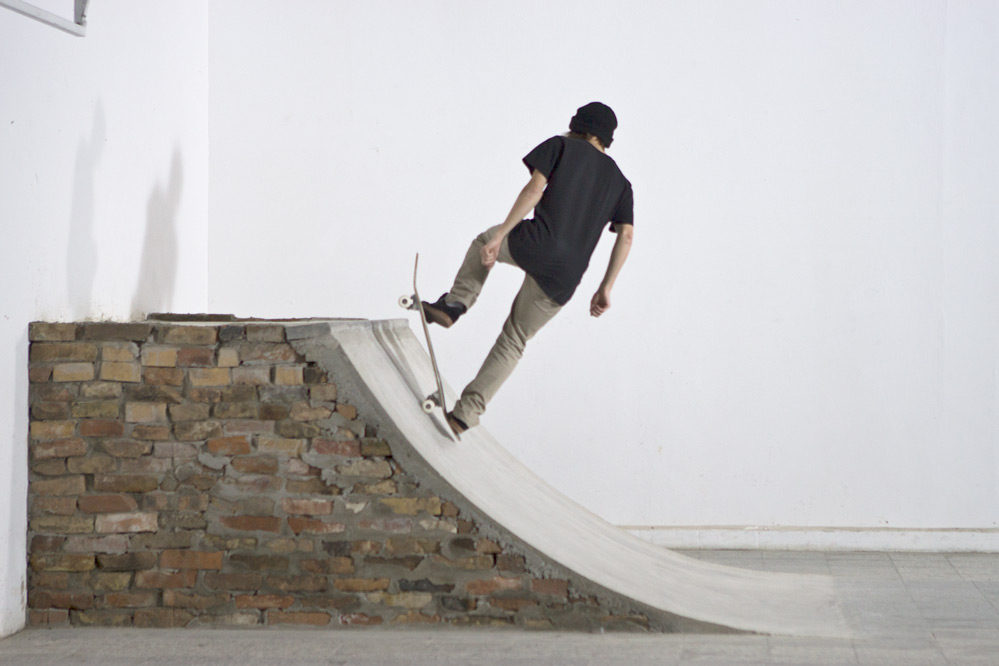
Credit: www.skatedeluxe.com
Mastering The Approach And Setup
The journey to a successful rock to fakie begins long before you reach the coping. It starts with how you approach the ramp and how you position yourself and your board. This setup phase is critical for generating the right amount of speed and ensuring you are balanced and ready to execute the trick. It’s not just about going fast; it’s about controlled speed and alignment.
Generating Controlled Speed
Speed is your friend in a rock to fakie, but it needs to be controlled speed. You need enough momentum to ride up the transition and reach the coping, but not so much that you feel out of control or overshoot the lip. A good rule of thumb is to start with a moderate pace, pushing off a few times on the flat before entering the ramp. As you ride up, maintain a stable, balanced stance. Bending your knees slightly will absorb the ramp’s incline and keep your center of gravity low, which is key for stability.
As you gain confidence, you’ll learn to adjust your speed based on the ramp’s size and steepness. A steeper ramp requires more speed, while a mellower one requires less. Pay attention to how the ramp feels under your board. If you’re consistently not reaching the coping, you need more speed.
If you’re going over the coping, you need to reduce your approach speed or learn to control your momentum better as you ride up. Practicing just riding up and down the ramp, focusing on smooth transitions and consistent speed, will build this crucial muscle memory.
Body Positioning And Balance
Your body position is paramount for maintaining balance throughout the approach and execution of the rock to fakie. As you ride up the ramp, keep your weight centered over your board. Your knees should be bent, acting as shock absorbers. Your shoulders should be relatively aligned with your board, facing the direction you are moving. Avoid leaning too far back or too far forward. A common mistake is leaning back as you go up the transition, which can cause the board to shoot out from under you or prevent you from reaching the coping properly.
Think of your body as a unified system with your skateboard. As you approach the coping, your weight distribution will naturally shift slightly forward to compensate for the upward incline. However, the goal is to remain balanced directly over the board.
Keep your arms slightly out to the sides for balance. This will help you make micro-adjustments as needed. When you feel comfortable with your speed and balance on the approach, you’re ready to focus on the actual pivot.
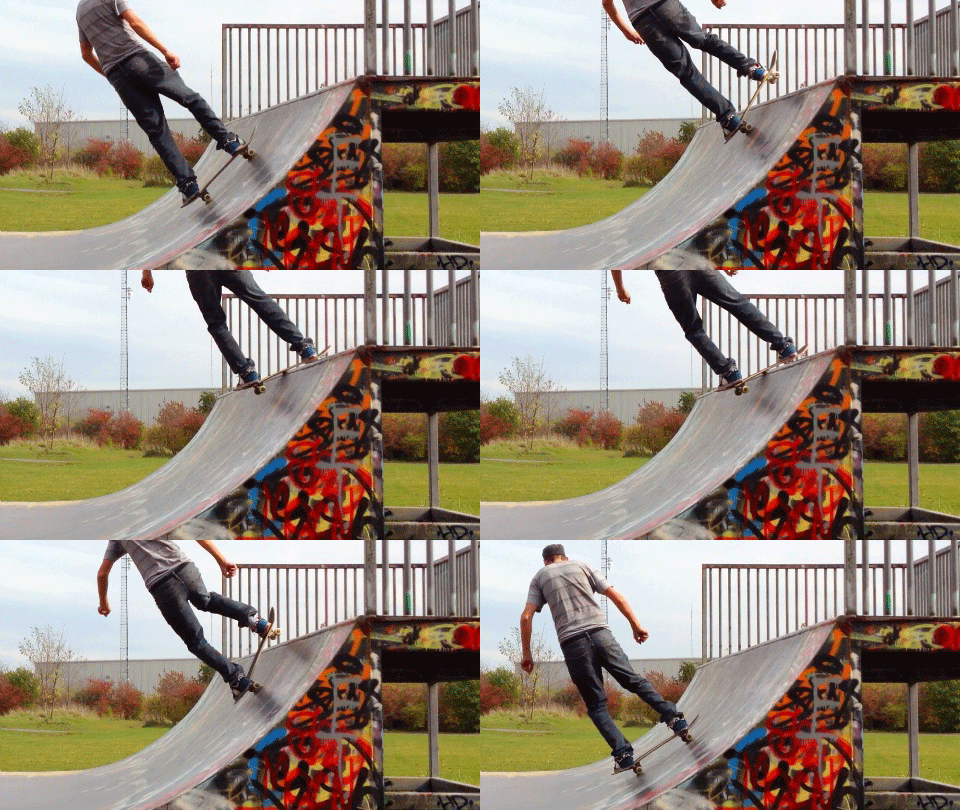
Credit: www.skateboardhere.com
Executing The Rock To Fakie
Once you have the approach dialed, it’s time to focus on the core mechanics of the rock to fakie. This is where the trick is actually performed, involving the transition over the coping and the landing back on the ramp. It requires precise timing and a controlled shift of your body weight.
The Pivot Over The Coping
As you ride up the ramp and reach the coping, the trick unfolds in a rapid sequence. Your front truck will hit or get very close to the coping. At this moment, you need to initiate a subtle upward movement with your legs, bending them slightly and then extending them just enough to lift the tail of your board over the coping.
This is not a jump; it’s a coordinated extension of your legs.
Simultaneously, you shift your weight forward over the board. This forward weight shift, combined with the slight lift of the tail, causes the board to pivot on its back truck. The goal is to pivot the board so that your front truck clears the coping and lands on the flat or transition on the other side, putting you in a fakie stance.
The “rock” is that brief moment where the board is balanced or pivoting on the back truck as the front truck moves over the coping.
Landing In Fakie
The landing is as crucial as the pivot itself. As your front truck clears the coping and lands, you need to absorb the impact by bending your knees. Your weight should now be centered over the board in the fakie stance.
Your shoulders will naturally rotate to face the direction you are now moving (backward). It’s vital to keep your weight centered and your knees bent to maintain balance and control as you ride down the transition fakie.
A common issue during the landing is leaning too far back, which can cause you to fall backward. Conversely, leaning too far forward can lead to a nose dive. The goal is to land smoothly and ride away cleanly. Practice riding fakie on flat ground to get comfortable with the stance before attempting to land fakie from the rock to fakie. This familiarity will significantly improve your confidence and control during the trick.
Riding Away Fakie
Once you’ve successfully landed in the fakie stance, the trick isn’t over. You need to ride down the transition fakie. Continue to bend your knees and keep your weight centered. Your shoulders should be aligned with your board, facing the direction of travel.
Be aware of your surroundings and be prepared to transition back to a regular stance or perform another trick.
Riding fakie on a ramp can feel awkward at first. You’ll need to adjust your perception as you can’t see directly behind you. Rely on your peripheral vision and the feel of the ramp under your board. Many skaters learn to ride fakie by looking over their back shoulder or by developing a sense of where the ramp is.
Practicing riding fakie on flat ground and then down gentle slopes will help build this comfort and control.

Credit: www.youtube.com
Common Mistakes And How To Fix Them
Even with a clear understanding of the steps, learning rock to fakie often involves encountering common pitfalls. Recognizing these mistakes is the first step toward correcting them and progressing faster.
Hesitation At The Coping
One of the most frequent errors is hesitation as you reach the coping. This can be due to fear, lack of speed, or uncertainty about the timing. Hesitating means you stop the momentum needed to pivot. Your weight might shift awkwardly, or you might not get enough lift to clear the coping.
Fix: The best way to overcome hesitation is through repetition and building confidence. Start on smaller ramps where the coping is less intimidating. Ensure you have adequate speed on your approach. Visualize the trick successfully. Sometimes, a slight push or “pump” as you ride up can help maintain momentum and initiate the upward movement needed for the pivot. Focus on committing to the movement rather than stopping.
Improper Weight Distribution
Incorrect weight distribution is another major cause of failed attempts. This can manifest as leaning too far back (causing you to fall backward or not get the tail over) or leaning too far forward (causing a nose dive).
Fix: Focus on keeping your weight centered over your board as you approach the coping. When initiating the pivot, the weight shift should be forward, but it must be controlled and timed with the tail lift. Think of it as a smooth transition of weight, not a sudden lurch. Practicing balancing drills on your board, both on and off the ramp, can improve your proprioception and help you feel your center of gravity more accurately.
Insufficient Speed Or Power
Not having enough speed or power to get your tail over the coping is a common problem. This results in your board getting stuck or simply not pivoting.
Fix: Ensure you are pushing sufficiently before entering the ramp or pumping effectively as you ride up. The upward motion of the ramp itself helps, but you need initial momentum. Experiment with your approach speed. If you’re consistently falling short, increase your speed slightly. If you’re going too far, focus on controlling your speed and executing the pivot more precisely.
Over-rotation Or Under-rotation
Sometimes, the board might rotate too much, causing you to land awkwardly or off-balance, or not enough, leading to the board getting stuck on the coping.
Fix: This often comes down to the timing of your weight shift and the subtle “pop” or extension of your legs. If you’re over-rotating, you might be pushing too hard or shifting your weight too aggressively. If you’re under-rotating, you might not be shifting your weight forward enough or lifting the tail sufficiently. Pay close attention to the feeling of the pivot. Try to replicate the movements that felt closest to success.
Landing Issues
Trouble landing in fakie, such as stumbling, falling backward, or diving forward, indicates issues with absorbing impact and maintaining balance.
Fix: Focus on bending your knees deeply upon landing. This acts as a natural shock absorber. Keep your weight centered over your board. Practice riding fakie on flat ground to improve your comfort and balance in that stance. Visualizing a smooth landing and riding away fakie can also help mentally prepare you.
Progression And Advanced Techniques
Once you’ve consistently landed the basic rock to fakie, the world of ramp skating opens up. This foundational trick is the key to unlocking a variety of more complex maneuvers. The confidence and control gained from mastering the rock to fakie will naturally lead you to explore these advanced techniques.
Transitioning To Other Ramp Tricks
The rock to fakie teaches you how to interact with the coping and how to handle fakie transitions. This knowledge is directly transferable to other tricks. For instance, learning to tail block involves a similar approach to the coping, but instead of pivoting, you lock your tail on the coping. Mastering the rock to fakie provides the necessary comfort and control to attempt such tricks.
Similarly, tricks like handplants and various grinds on the coping build upon the fundamental skills of approaching, balancing at the lip, and transitioning. Your ability to control your board’s momentum and your body’s weight distribution will be tested and refined with each new trick you learn. The rock to fakie is the first step in developing this ramp-specific intuition.
Incorporating Style And Flow
As you become more proficient, focus shifts from just landing the trick to performing it with style and flow. This involves making the movement look smooth and effortless. It means maintaining speed and balance throughout the trick, not just landing it. Consider the transition into the trick and the ride away. Are you looking confident? Is your body position fluid?
Style also involves variations. You can experiment with how high you go up the ramp, the angle of your approach, or the speed at which you perform the pivot. Some skaters incorporate a slight pump as they go up to gain extra height for the pivot, adding a dynamic element to the trick. Developing your own style is what makes skateboarding unique and expressive.
Example: Learning From A Pro
Observing professional skateboarders can provide invaluable insight into the nuances of the rock to fakie and its variations. For example, watching skaters like Lizzie Armanto or Tony Hawk perform the trick shows the fluidity and control they exhibit. They often approach with a specific speed, execute a clean pivot, and ride away smoothly, sometimes transitioning immediately into another trick or carving back. Notice their body posture, the timing of their leg movements, and how they maintain balance. Many resources online offer slow-motion breakdowns of professional tricks, which can be incredibly helpful for deconstructing the movement.
Practice And Progression Strategies
Consistent, focused practice is the bedrock of skateboarding improvement. For the rock to fakie, this means more than just repeatedly trying the trick. It involves a strategic approach to building skills, overcoming plateaus, and ensuring continuous progress.
Start Small And Build Up
The most effective way to learn the rock to fakie is to start on the smallest, most forgiving ramp available. A mini-ramp or even a small quarterpipe with a less aggressive transition is ideal. This allows you to get comfortable with the feeling of riding up the transition and approaching the coping without the intimidation of a large obstacle.
Once you can comfortably perform the rock to fakie on a smaller ramp, gradually move to larger or steeper ramps. Each new ramp will present slightly different challenges regarding speed and transition, helping you adapt and refine your technique. This progressive approach builds confidence and ensures you’re not rushing into situations you’re not ready for. For beginners, our guide on How to Teach a Kid to Skateboard also offers excellent foundational advice applicable to all ages.
Repetition And Muscle Memory
Skateboarding is a sport built on muscle memory. The rock to fakie requires precise timing and coordinated movements that become more natural with repetition. Aim for consistent practice sessions, even if they are short. Focus on performing the trick correctly each time, rather than just getting many attempts in.
Break down the trick into its components: the approach, the pivot, and the fakie ride-away. Practice each part individually until it feels comfortable. For example, spend time just riding up to the coping and getting a feel for the lip, then practice riding fakie down the transition. Gradually put the pieces together. In my experience, even 15-30 minutes of focused practice daily can yield significant results faster than infrequent, long sessions.
Filming Yourself And Seeking Feedback
One of the most powerful tools for improvement is filming yourself. Set up a camera or ask a friend to record your attempts. Watching the footage allows you to objectively see what you’re doing right and where you’re making mistakes. You might notice timing issues, weight distribution problems, or balance errors that you wouldn’t perceive while actively trying the trick.
Don’t hesitate to ask for feedback from more experienced skaters. Most skate communities are supportive and willing to offer advice. They can spot subtle errors and provide tips that might not be obvious from watching footage alone. Constructive criticism is invaluable for accelerating your learning curve.
Understanding Your Gear
The relationship between you and your skateboard is symbiotic. Understanding how your gear affects your performance is crucial. For instance, the wheel size and hardness can impact how smoothly you roll and grip on the ramp. Harder, smaller wheels tend to be faster on smooth surfaces but can be more prone to slipping on rougher transitions. Softer, larger wheels offer more grip and a smoother ride over imperfections.
The trucks’ tightness also plays a significant role. Tighter trucks offer more stability but make pivoting harder, while looser trucks make pivoting easier but can feel less stable. Experimenting with these variables can help you find a setup that complements your skating style and makes learning the rock to fakie more manageable. If you’re looking for new gear, resources like our Skateboard Manufacturers Guide can help you understand your options.
Frequently Asked Questions
What Is The Main Difference Between A Rock To Fakie And A Rock To Regular?
The main difference lies in the landing stance. In a rock to fakie, you pivot over the coping and land riding backward (fakie). In a rock to regular (sometimes called a fakie rock), you approach the ramp fakie, pivot over the coping, and land riding forward in your normal stance. Both tricks involve a pivot over the coping but differ in the approach and landing direction.
How Much Speed Do I Really Need For A Rock To Fakie?
The speed required varies depending on the ramp’s size, steepness, and smoothness, as well as your weight and board setup. You need enough speed to ride up the transition comfortably and reach the coping with enough momentum to allow your tail to lift over and your board to pivot.
It’s not about maximum speed but controlled momentum. You should feel stable as you ride up, not like you’re about to fly off the board. Experimentation is key; start with a moderate speed and adjust.
My Tail Isn’t Getting Over The Coping. What Am I Doing Wrong?
This usually indicates one of two things: insufficient speed or an improper weight shift/tail lift. If you don’t have enough momentum, your board won’t have the energy to lift over. Try approaching with a bit more speed. If your speed is adequate, focus on the execution. You need to slightly bend your knees as you approach the coping and then extend them as the front truck reaches the lip, simultaneously shifting your weight forward. This extension helps lift the tail. It’s a subtle movement, not a powerful jump.
What Are The Key Components Of A Successful Rock To Fakie Landing?
A successful landing involves absorbing the impact by bending your knees deeply, keeping your weight centered over the board in the fakie stance, and maintaining balance as you ride down the transition. Proper knee flexion is crucial for stability and preventing falls.
How Can I Improve My Confidence When Approaching The Coping For A Rock To Fakie?
Building confidence starts with consistent practice on smaller ramps and ensuring you have adequate, controlled speed. Visualizing a successful trick, focusing on smooth movements, and breaking the trick down into smaller steps can also significantly boost your confidence when approaching the coping.