Why is Skateboarding Popular: Unveiling Its Global Appeal
Skateboarding is not just a sport; it’s a culture, a form of self-expression, and for many, a way of life. Over the past few decades, what started as a niche activity in California has exploded into a global phenomenon. From city streets in Tokyo to parks in Paris, the sight of skaters gliding, flipping, and grinding is now universal.
But why is skateboarding so popular? The answer is not simple. It lies in a mix of freedom, creativity, accessibility, and community. Let’s explore what makes skateboarding stand out and why millions are drawn to it every year.
The Roots Of Skateboarding Culture
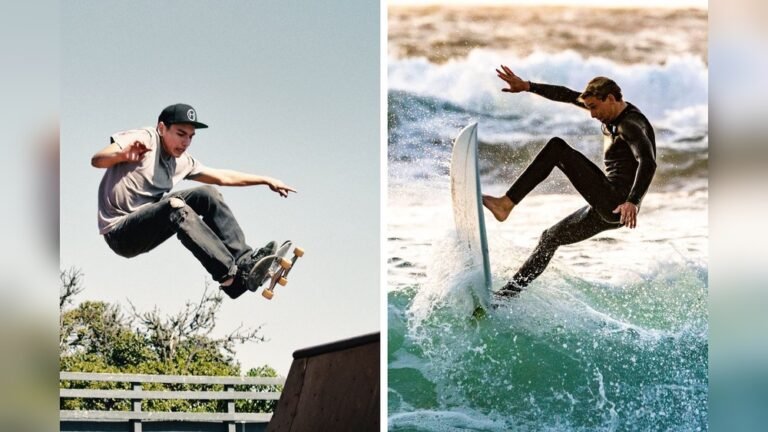
Skateboarding began in the 1950s and 1960s as a way for surfers in California to mimic surfing on land. The DIY (do-it-yourself) attitude became part of its DNA early on. Skateboarders often built their own boards, ramps, and obstacles. This culture of innovation and personal touch still attracts people today. The idea that anyone can shape their own experience is powerful. You don’t need expensive gear or a coach to start; just a board and some open pavement.
By the 1970s, skateboarding had moved beyond California. It found fans in cities and small towns worldwide. Skate videos, magazines, and competitions built a shared identity. The rise of brands like Powell Peralta and the Bones Brigade team inspired young people everywhere to try new tricks and dream bigger.
Accessibility And Low Entry Barriers
One reason for skateboarding’s popularity is that it’s easy to start. A basic skateboard costs much less than most sports equipment. There’s no need for a special field, goal, or net. Any smooth pavement can become your playground—parking lots, sidewalks, driveways, or public parks.
Here’s a quick look at how skateboarding compares with other popular sports in terms of startup costs:
| Sport | Basic Equipment Cost (USD) | Special Facilities Needed |
|---|---|---|
| Skateboarding | $40–$120 | No |
| Soccer | $30–$100 | Yes (field/goal) |
| Basketball | $50–$150 | Yes (court/hoop) |
| Tennis | $80–$200 | Yes (court) |
| Baseball | $120–$300 | Yes (field) |
This accessibility means nearly anyone can give skateboarding a try. You don’t have to join a team or wait for a scheduled game. You can skate alone or with friends, whenever you want.
:max_bytes(150000):strip_icc()/GettyImages-518337729-5a1dfcf44e46ba001a78740d.jpg)
Credit: www.liveabout.com
Creative Expression And Individuality
Skateboarding is more than just tricks and skills. It’s a form of creative movement. Unlike sports with strict rules, skateboarding encourages personal style. No two skaters move exactly the same way. You decide which tricks to learn and how to combine them. Some skaters focus on technical street skating, others love flowing in skateparks, and some even mix art and music with their skating.
The sport’s link to art and music is strong. Skateboard graphics, videos, and clothing often show bold, original art. Many skate videos use underground music, helping new bands reach fans. This mix of creativity makes skateboarding especially attractive to young people who want to stand out or express themselves.
The Thrill Of Challenge And Progress
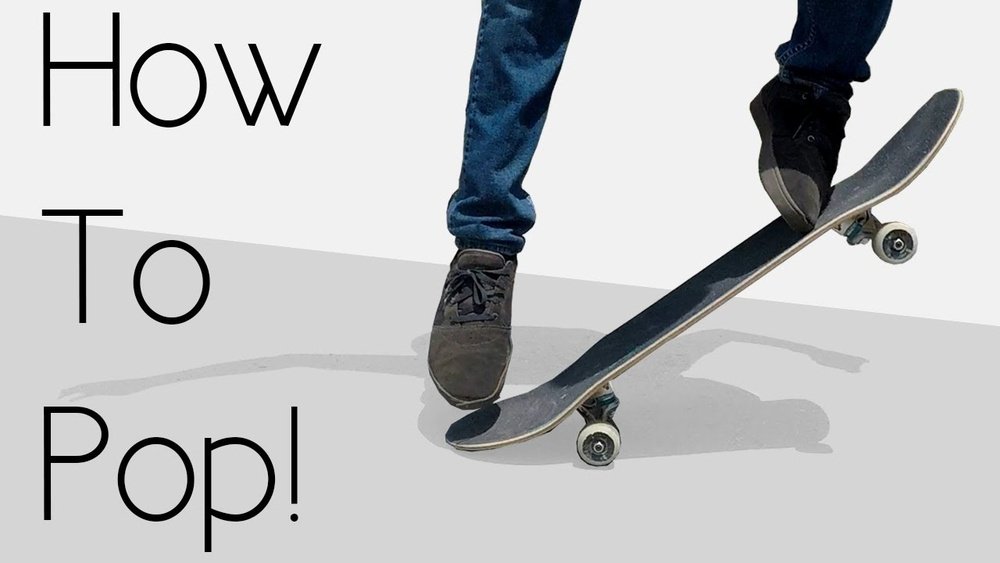
Learning new skateboarding tricks is tough—and that’s part of the appeal. Each trick, from the simple ollie to complex flips and grinds, takes effort and practice. When you finally land a trick after dozens of tries, the sense of achievement is real.
Skateboarding teaches patience and resilience. You fall, get up, and try again. Progress is visible and personal. There’s always something new to learn, so it never gets boring. This ongoing challenge keeps people hooked for years.
One insight beginners miss: Every skater, even the pros, falls a lot. The ability to handle failure and keep trying is a core part of skateboarding’s spirit.
Community And Belonging
Skateboarding has a strong sense of community. Skaters often share advice, cheer for each other, and film each other’s tricks. Local skateparks become social centers where friendships form. Even online, skaters connect through videos and social media, trading tips and ideas.
There’s also a sense of inclusivity. Skateboarding welcomes all backgrounds. Age, gender, and nationality matter less than passion and respect. Skaters celebrate each other’s progress, no matter their level.
Here’s a breakdown of how skaters interact in different settings:
| Setting | Typical Interaction | Community Role |
|---|---|---|
| Skatepark | In-person advice, group sessions | Immediate support, local friendships |
| Street spots | Small groups, trick challenges | Shared discovery, creative sessions |
| Online (social media, forums) | Video sharing, global feedback | Wider exposure, inspiration |
Surprisingly, many skaters say they felt like outsiders before joining the skate scene. The open, welcoming nature of the community is a big draw, especially for teenagers seeking belonging.
Influence Of Media And Popular Culture
Media has played a huge role in skateboarding’s rise. Skate videos from brands like Thrasher and Girl Skateboards show tricks, personalities, and fun moments. These videos inspire skaters to push limits and try new moves.
Movies and TV shows often feature skateboarding, making it seem exciting and cool. Video games like Tony Hawk’s Pro Skater introduced the sport to millions who had never stepped on a board. Even music videos and fashion trends borrow from skate style.
Social media platforms like Instagram and TikTok now let skaters share clips instantly. A trick filmed in Brazil can reach fans in Canada in seconds. This global exposure helps skateboarding grow and evolve.
A non-obvious insight: Viral skate clips often spark new trends. For example, a new trick posted online can become the “must-learn” move in parks worldwide within days.
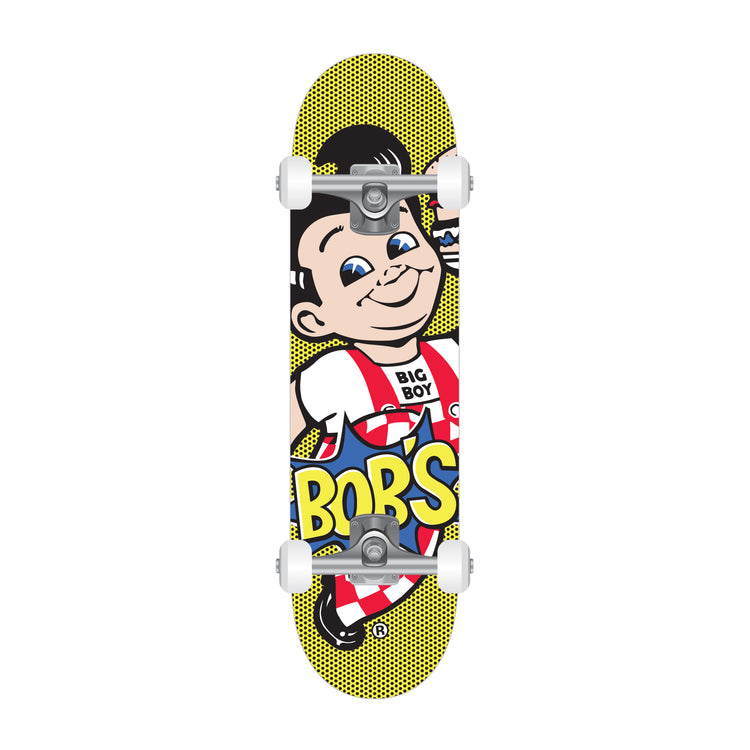
Credit: bobs.net
Olympic Recognition And Mainstream Growth
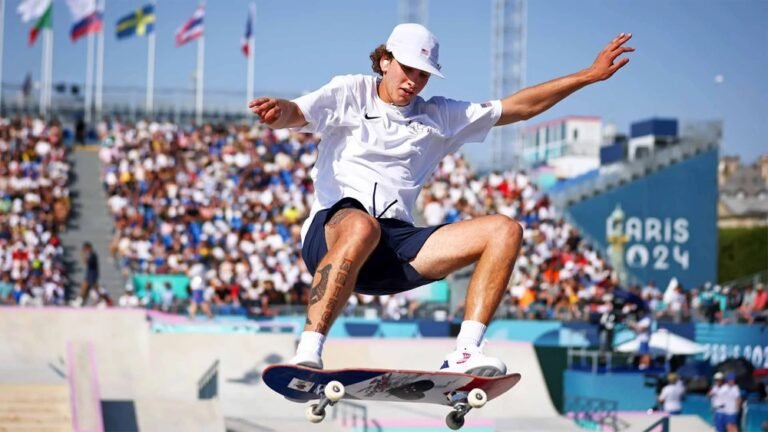
The inclusion of skateboarding in the Tokyo 2020 Olympics marked a major milestone. For decades, skateboarding was seen as rebellious or underground. Now, it’s recognized as a serious sport. Olympic coverage brought the sport to millions of new viewers, showing the skill and athleticism involved.
Here’s a quick look at how Olympic status affected skateboarding:
| Before Olympics | After Olympics |
|---|---|
| Mainly seen as a hobby or subculture | Recognized as a competitive sport |
| Limited funding/support in many countries | Increased funding and new skateparks built |
| Mostly youth and young adults | Greater age and gender diversity |
Olympic inclusion also means more girls and women are joining. Skaters like Sky Brown and Leticia Bufoni have become role models for the next generation.
Health And Fitness Benefits
Skateboarding is not just fun—it’s also a great way to stay healthy. Skating builds balance, core strength, and coordination. It can burn between 300 and 500 calories per hour, depending on intensity. Skaters develop strong legs, flexible joints, and good reflexes.
But there’s more. Skating outdoors helps reduce stress and boosts mood. The focus needed for tricks can feel like meditation for some. Unlike many sports, you’re often outside, moving, and challenging yourself in new ways every session.
Beginners sometimes forget: Even just cruising on a board is good exercise. You don’t need to do advanced tricks to feel the benefits.
Urban Design And Public Spaces
Cities are starting to see the value of skate-friendly spaces. Skateparks are now common in many towns and cities. Some places even build “skate plazas” that look like public squares but are designed for skating.
This change means more people can skate safely, without worrying about cars or angry property owners. It also encourages young people to be active and creative in their communities.
A practical tip: If you want to try skateboarding, search for your nearest skatepark. Most parks welcome beginners and offer smooth surfaces for learning.
Fashion And Lifestyle Appeal
The skateboarding look is everywhere, from streetwear brands to high fashion. Brands like Vans, Supreme, and Thrasher started as skate companies but now influence global trends. Baggy pants, graphic tees, and skate shoes are worn by many who have never touched a board.
This fashion connection makes skateboarding attractive even to those who don’t skate. It’s a way to show attitude, creativity, and a bit of rebellion. Music, art, and design all mix with skateboarding, turning it into a full lifestyle, not just a sport.
Why People Stay With Skateboarding
Once people try skateboarding, many stick with it for years or even decades. Why? Because it stays interesting. There’s always a new trick to learn, a new spot to skate, or a new friend to meet. The sense of progress and community keeps people motivated.
Skateboarding also adapts to your life. As you get older, you might skate less often or focus on different styles, but you can still enjoy it. Some skaters shift from tricks to simply cruising, filming, or designing boards. The sport grows with you.
Non-obvious Insights For New Skaters
- Progress is not always visible day-to-day. Sometimes you’ll feel stuck, but small improvements add up over time. Filming yourself or keeping a trick journal can help you see progress.
- Every city has its own skate culture. What’s normal in one place might be different elsewhere. Traveling and meeting other skaters can open your eyes to new styles and attitudes.
Frequently Asked Questions
What Age Is Best To Start Skateboarding?
There’s no “perfect” age to start. Many people begin as kids (5–10 years old), but teens and adults can learn too. The key is to start slow, wear safety gear, and practice regularly. Older beginners might take longer to learn tricks, but they can still enjoy cruising and basic moves.
Is Skateboarding Dangerous?
Like any sport, skateboarding has risks. Most injuries are minor, like scrapes or bruises, especially when learning. Wearing a helmet, knee pads, and wrist guards reduces risk. Skating at parks or smooth surfaces also helps. With practice, falls become less frequent.
How Do I Choose My First Skateboard?
Pick a board that fits your shoe size and skating style. For most beginners, a standard skateboard (7. 5–8. 25 inches wide) is a good start. Make sure the board has quality trucks and wheels. Visit a local skate shop for advice—they can help you choose the right setup.
Can Girls And Women Skateboard?
Absolutely! Skateboarding welcomes all genders. There are many female skaters, and the number is growing fast. Brands and competitions now support women more than ever. Everyone is respected for their skills and passion, not their gender.
Where Can I Learn More About Skateboarding?
You can watch tutorial videos online, visit your local skatepark, or read guides like those found on the Skateboarding Wikipedia page. Many communities offer skate lessons or clubs. The best way to learn, though, is to get a board and start practicing.
Skateboarding’s popularity is no accident. It blends freedom, challenge, creativity, and a sense of belonging. Whether you’re looking for exercise, friends, or a new way to express yourself, skateboarding offers something unique. It’s more than just a trend—it’s a movement that keeps rolling forward, welcoming anyone ready to join the ride.

Credit: www.youtube.com